Easiest Way to Make Homemade Baby Food: Quick & Healthy Tips

by Luis
Published On:
Easiest Way to Make Homemade Baby Food
---Advertisement---

Making homemade baby food might seem like a daunting task, but it doesn’t have to be. In fact, it can be surprisingly simple, quick, and even fun!

Imagine knowing exactly what’s going into your baby’s meals—no mystery ingredients, no preservatives, just wholesome, fresh goodness made by you. Sounds reassuring, right? If you’ve been wanting to give your little one the best start with nutritious, homemade meals but feel overwhelmed by where to start, you’re not alone.

The good news? You don’t need to be a master chef or spend hours in the kitchen. There’s an easier way, and it’s right at your fingertips. Stick with me, and I’ll show you how to make homemade baby food with minimal effort and maximum benefits. By the end of this article, you’ll feel confident, prepared, and maybe even excited to get started. Ready to give your baby the healthiest, tastiest meals without the stress? Let’s dive in!

Easiest Way to Make Homemade Baby Food: Quick & Healthy Tips

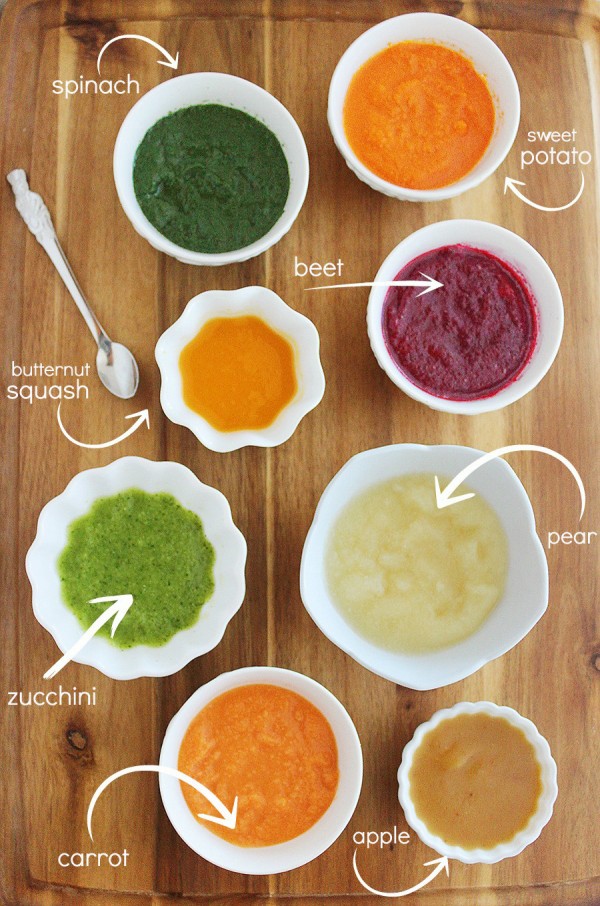
Credit: www.thecomfortofcooking.com

Benefits Of Homemade Baby Food

Homemade baby food offers incredible benefits for both parents and babies. Making food at home lets you control ingredients and ensure quality. It’s an affordable way to provide fresh, nutritious meals. The process is simple and rewarding, creating a special bond during mealtimes. Let’s explore why homemade baby food is worth trying.

1. Control Over Ingredients

Homemade baby food allows complete control over what your baby eats. You can avoid harmful preservatives, added sugars, or artificial flavors. This ensures your baby consumes only natural, wholesome foods. It’s also easier to tailor meals to specific allergies or sensitivities.

2. Cost-Effective Option

Store-bought baby food can be expensive, especially organic options. Making baby food at home saves money without compromising on quality. You can prepare larger batches and freeze portions for future use. This reduces food waste and maximizes your budget.

3. Fresher and More Nutritious

Homemade baby food is often fresher than packaged options. Freshly prepared food retains more vitamins and nutrients. You can select seasonal fruits and vegetables for added health benefits. Your baby gets a variety of flavors and textures with every meal.

4. Encourages Family Mealtime

Preparing baby food at home encourages shared mealtimes. Babies enjoy eating the same foods as their family. This helps them develop healthy eating habits from a young age. It also strengthens the emotional connection during meals.

5. Supports Local and Organic Choices

Homemade baby food lets you choose locally sourced or organic ingredients. Supporting local farmers ensures the produce is fresh and high quality. Organic options reduce exposure to pesticides and harmful chemicals. This builds a strong foundation for your baby’s health.

Easiest Way to Make Homemade Baby Food: Quick & Healthy Tips

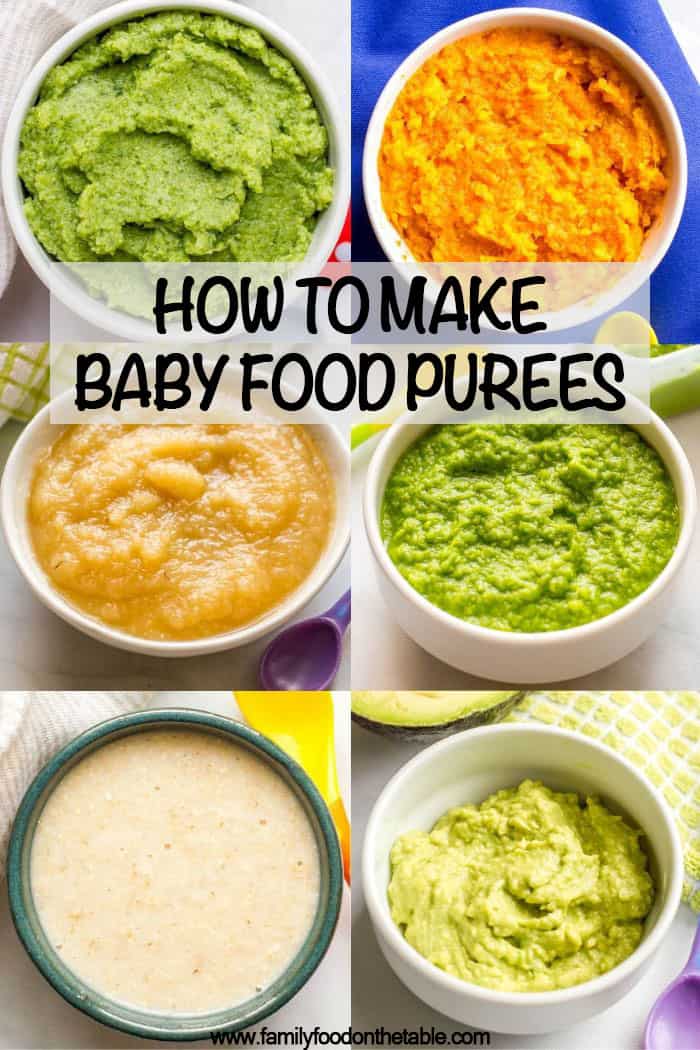
Credit: www.familyfoodonthetable.com

Essential Tools For Preparation

Making homemade baby food can feel like a daunting task, but with the right tools, it becomes a simple and rewarding experience. You don’t need a fancy kitchen setup or expensive gadgets to get started. A few essential tools can streamline the process and save you time while ensuring your baby gets fresh, nutritious meals.

1. Blender Or Food Processor

A blender or food processor is your best friend when preparing baby food. It helps you achieve the smooth consistency babies need when transitioning to solids. If your baby prefers chunkier textures, you can pulse the food instead of blending it completely.

Use what you already have in your kitchen. A standard blender works great for purees, while a smaller food processor is perfect for single servings.

2. Steamer Basket

Steaming is one of the healthiest ways to cook vegetables and fruits for baby food. A simple steamer basket is all you need to soften carrots, sweet potatoes, or apples. It retains nutrients better than boiling and keeps the flavor intact.

If you don’t have a steamer, consider using a microwave-safe bowl with a lid and a splash of water. It’s a quick alternative that works just as well.

3. Silicone Ice Cube Trays

Once your baby food is ready, portioning it is key to avoid waste. Silicone ice cube trays are perfect for freezing small servings. Each cube can hold just enough food for one meal, making it easy to thaw only what you need.

Label the trays with masking tape or a marker to keep track of what’s inside. You’ll thank yourself later when you’re juggling mealtime and a hungry baby.

4. Sharp Knife And Cutting Board

Preparing baby food starts with chopping fruits, veggies, and proteins into manageable pieces. A sharp knife and sturdy cutting board make this prep step faster and safer. Dull knives can slip, leading to accidents.

Look for knives with a comfortable grip. If you’re nervous about using knives around kids, opt for a set with safety features like finger guards.

5. Storage Containers

Invest in small, airtight storage containers to keep your homemade baby food fresh. Glass containers work great for fridge storage, while BPA-free plastic ones are better for travel. Choose containers with clear lids so you can easily see what’s inside.

Think ahead: Will you be storing food for long periods or using it within the day? Your container choice matters depending on your routine.

Which of these tools do you already have in your kitchen? By starting with the basics, you’ll find that making baby food is easier than you imagined. Give it a try, and you might even discover that it’s quicker than running to the store for pre-packaged options!

Choosing The Right Ingredients

Making homemade baby food is simpler than you think, but it all starts with choosing the right ingredients. The quality of what you put in directly affects the nutrition and flavor of your baby’s meals. It’s not just about grabbing the first fruit or vegetable you see—it’s about making thoughtful choices that set your little one up for a lifetime of healthy eating habits.

Pick Seasonal And Fresh Produce

Seasonal fruits and vegetables are not only tastier, but they’re often more affordable. Think sweet peas in spring, juicy peaches in summer, or hearty squash in the fall. When you buy fresh and seasonal, you’re ensuring your baby gets the best flavor and nutrients.

Check for firmness, vibrant color, and no bruising or spots. A firm apple, for example, is a sign of freshness, while a mushy one could be past its prime. If you’re unsure, don’t hesitate to ask the farmer or grocer about what’s in season and how it was grown.

Go Organic When Possible

Babies are more sensitive to pesticides than adults. Choosing organic produce helps minimize chemical exposure, especially for foods like strawberries, spinach, and apples, which often have higher pesticide residues.

If organic is out of your budget, don’t stress. Washing fruits and veggies thoroughly under running water can still remove a lot of surface pesticides. For items like bananas or avocados, where you peel the skin, going non-organic is perfectly fine.

Choose Whole Grains

If you’re introducing grains, skip the processed stuff. Opt for whole grains like oats, quinoa, or brown rice. These are packed with fiber, vitamins, and minerals that refined grains lack.

For instance, you can cook and blend plain oatmeal for a creamy and nutritious breakfast. Avoid pre-flavored packets, as they often contain added sugars or artificial ingredients your baby doesn’t need.

Be Mindful Of Allergens

Introducing common allergens like peanuts, eggs, or dairy early can actually reduce the risk of food allergies, according to recent studies. But do it one at a time and watch for any reactions.

If you’re nervous, talk to your pediatrician first. You can start small by adding peanut butter to pureed fruits or mixing scrambled eggs into mashed veggies.

Look Beyond Fruits And Vegetables

Don’t stop at just fruits and veggies—your baby needs protein and healthy fats too. Soft-cooked lentils, shredded chicken, or mashed avocado are excellent options.

For added variety, try blending steamed salmon with sweet potato or mixing cottage cheese into pureed pears. These combinations might sound fancy, but they’re quick, easy, and packed with nutrients.

Check Expiration Dates

When buying pre-packaged items like yogurt or grains, always check expiration dates. Freshness matters, even with shelf-stable products.

A quick glance at the date can save you from accidentally feeding your baby something that’s lost its nutritional value. It’s a small step that goes a long way in ensuring quality.

So, what ingredients are you excited to try first? Remember, your choices now help shape your baby’s food preferences and health for years to come. Keep it simple, fresh, and nutrient-packed—it’s easier than you think!

Easiest Way to Make Homemade Baby Food: Quick & Healthy Tips

Credit: ctmommyblog.com

Simple Recipes For Beginners

Making homemade baby food can feel intimidating at first, but it doesn’t have to be. Starting with simple recipes can help you ease into the process while ensuring your baby gets fresh, nutritious meals. Here are some beginner-friendly recipes that are quick, easy, and perfect for tiny taste buds.

1. Single-Ingredient Purees

Single-ingredient purees are the best place to start. They’re easy to make, and you can introduce one food at a time to check for allergies. Some great options include:

  • Banana Puree:Mash a ripe banana with a fork until smooth. No cooking required!
  • Sweet Potato Puree:Bake or steam a sweet potato, scoop out the flesh, and blend with a little water until creamy.
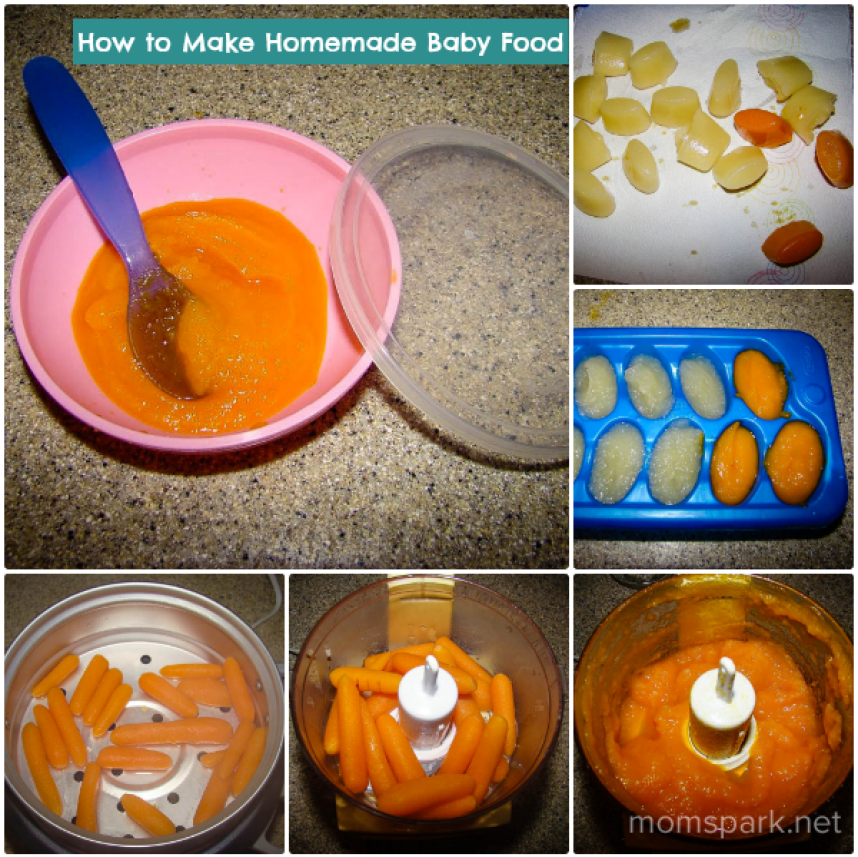
  • Carrot Puree:Steam chopped carrots until soft and blend with water or breast milk.

Pro tip: Use a blender or food processor for a smoother consistency, especially for babies just starting solids.

2. Mix-and-Match Combos

Once your baby has tried a few single ingredients, you can start combining flavors. Start with two ingredients that pair well together, like:

  • Apple and Pear Puree:Steam both fruits, then blend them together for a naturally sweet treat.
  • Carrot and Pea Puree:Steam carrots and peas, then blend with a bit of water until smooth.
  • Banana and Avocado Mash:Mash these two soft fruits together with a fork for a creamy, nutrient-packed meal.

These combos not only add variety but also introduce your baby to new textures and flavors.

3. Freezing for Convenience

Don’t have time to cook every day? Make a big batch and freeze individual portions. Use an ice cube tray to freeze small servings, then transfer the cubes to a freezer bag once solid.

When mealtime comes, simply thaw a cube or two in the fridge or microwave. This trick saves time and keeps you prepared for those busy days.

4. Tips to Keep It Fresh and Fun

Introduce new foods gradually, and pay attention to your baby’s reactions. Some days they might love sweet potatoes, and other days they’ll turn their nose up at them. That’s okay—keep offering a variety of options.

Experiment with textures as your baby grows. Start with smooth purees and transition to chunkier blends when they’re ready. Your baby’s taste buds are developing, so this is a great time to help them explore the wonderful world of food!

What recipes are you excited to try first? Let us know in the comments!

Storage And Reheating Tips

Making homemade baby food is a great way to provide fresh and nutritious meals for your little one. Storing and reheating it properly can help preserve its taste and nutrients. By following simple steps, you can save time and keep your baby’s food safe.

Here are practical storage and reheating tips to make feeding your baby easier.

How To Store Homemade Baby Food

Use airtight containers to store purees and prevent contamination. Glass jars or BPA-free plastic containers work best. Divide food into small portions for convenient use. Label each container with the date to track freshness.

Store baby food in the fridge for up to 2 days. For longer storage, freeze purees in ice cube trays. Once frozen, transfer cubes to freezer-safe bags. Frozen baby food lasts up to 3 months.

Reheating Frozen Baby Food

Thaw frozen baby food in the fridge overnight. Avoid leaving it at room temperature for long. Warm thawed food using a microwave or stovetop. Stir frequently to ensure even heating.

Test the temperature before serving it to your baby. Food should be warm but not hot. Use a clean spoon to check and stir the food.

Tips To Avoid Waste

Only heat the portion your baby will eat. Discard any leftovers after feeding. Do not refreeze thawed baby food. Keeping portions small prevents waste and ensures freshness.

Use smaller containers or ice cube-sized servings for better portion control. This makes reheating faster and reduces the risk of overusing food.

Common Mistakes To Avoid

Avoid skipping preparation steps like properly washing produce or ensuring the right texture for your baby’s age. Using strong spices or salt can overwhelm delicate palates and impact nutrition. Focus on simple ingredients and gradual flavor introductions for a safer, healthier homemade baby food experience.

Making homemade baby food can feel rewarding and healthy. But small mistakes can affect taste, texture, or your baby’s safety. Avoiding these common errors ensures your baby enjoys nutritious meals.

1. Skipping Proper Washing Of Ingredients

Unwashed fruits and vegetables may carry dirt or pesticides. Always rinse produce under clean, running water. Even organic options need thorough washing to remove hidden contaminants.

2. Using Ingredients Not Suitable For Babies

Some foods can upset a baby’s sensitive stomach. Avoid honey, cow’s milk, or added salt. Stick to age-appropriate ingredients recommended by pediatricians.

3. Ignoring Texture Adjustments

Babies need smooth, lump-free purees in the early months. Large chunks might cause choking. Gradually adjust textures as your baby grows and develops.

4. Preparing Large Batches Without Freezing

Homemade baby food spoils quickly when stored incorrectly. Freeze extra portions in small, airtight containers. Label and date them to track freshness.

5. Overlooking Balanced Nutrition

Feeding only fruits or vegetables can leave out important nutrients. Include a variety of foods like grains, proteins, and healthy fats. A balanced diet supports growth and development.

6. Using Unclean Utensils

Dirty cutting boards or blenders can contaminate baby food. Always clean and sanitize utensils before use. This reduces the risk of bacteria or cross-contamination.

7. Adding Sugar Or Spices

Babies don’t need sugar, salt, or strong spices. These can harm their taste preferences and health. Keep flavors natural and simple by using whole ingredients. `

Frequently Asked Questions

What Is The 3 Day Rule For Baby Food?

The 3-day rule for baby food involves introducing one new food every three days. This helps identify potential allergies or sensitivities. Parents monitor reactions like rash, diarrhea, or vomiting during this period. Gradual introduction ensures safety and supports a baby’s healthy transition to solid foods.

Always consult a pediatrician for guidance.

Is It Better To Steam Or Boil Food For Babies?

Steaming is better than boiling for baby food. It preserves more nutrients, enhances flavor, and maintains food texture. Boiling can cause nutrient loss in water. Steamed food is healthier and safer for babies’ growth and development. Always choose fresh ingredients and ensure proper cooking for optimal nutrition.

Is It Cheaper To Make Your Own Baby Food?

Making your own baby food is often cheaper than buying store-bought options. Homemade baby food reduces packaging costs and allows bulk purchasing of fresh ingredients. Preparing it at home also ensures better control over quality and nutrition while saving money in the long run.

What Homemade Baby Food Should I Introduce First?

Start with single-ingredient purees like mashed avocado, banana, or steamed and blended carrots, sweet potatoes, or peas. These are nutrient-rich, easy to digest, and gentle on a baby’s stomach. Introduce one food at a time and wait a few days to check for any allergic reactions.

Conclusion

Making homemade baby food can be simple and rewarding. With fresh ingredients and easy steps, you can provide nutritious meals. Preparing food at home also saves money and reduces waste. Plus, you control the flavors and textures your baby experiences.

Start small and experiment with fruits, vegetables, and grains. Keep portions manageable and store extras safely. Homemade baby food helps build healthy eating habits early. Give it a try and enjoy the process. Your baby will thank you with every happy bite.


Leave a Comment