Does Prune Baby Food Help Constipation?
What’s in This Article
If your baby feels backed up, prune baby food may help soften stools and make bowel movements easier.
Constipation can make your little one strain, fuss, or seem uncomfortable after feedings. Prunes contain fiber and sorbitol, two natural parts of the fruit that can support easier digestion.
This guide explains how prune baby food may help, when to use it, how much to start with, and when you should call your pediatrician.
Quick Answer
Yes, prune baby food can help some babies with mild constipation. Prunes contain fiber and sorbitol, which help draw water into the bowel and soften stool. Start with a small amount, use it only when your baby has started solids, and call your pediatrician if constipation lasts or your baby seems ill.
Key Takeaways
- Prune baby food may help ease mild constipation because prunes contain fiber and sorbitol.
- Most babies should only try prune puree after they start solid foods, often around 6 months.
- Start with a small serving and watch for loose stools, gas, rash, vomiting, or discomfort.
- Keep your baby well hydrated with breast milk, formula, or small sips of water if your pediatrician says it’s appropriate.
- Call your pediatrician if constipation continues, your baby is younger than 6 months, or you see blood in the stool.
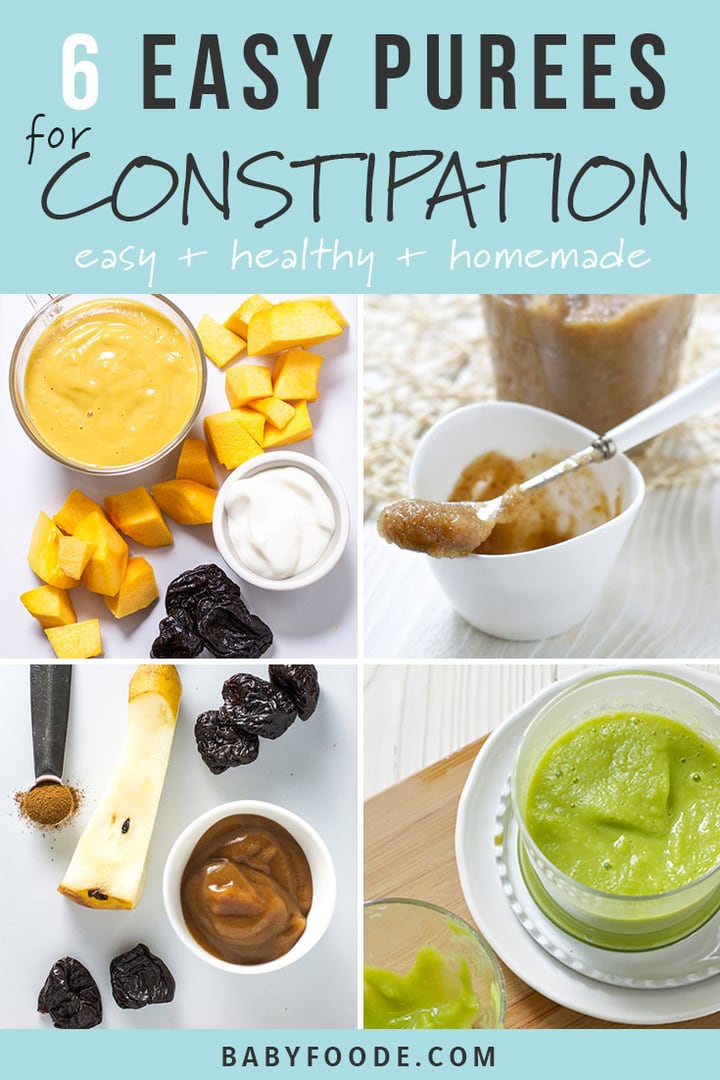
Credit: babyfoode.com
Prunes and Digestive Health
Prunes have a long history as a food-based option for constipation. They contain fiber, water, and sorbitol, which can help stool move through the gut.
Prune baby food gives babies the fruit in a smooth form that’s easy to swallow once they can eat solids. It can work well as part of a balanced diet, but it should not replace medical care when symptoms seem severe.
How Prunes Support Regular Bowel Movements
Prunes contain soluble and insoluble fiber. Insoluble fiber adds bulk to stool, while soluble fiber helps hold water and can make stool softer.
This mix can help your baby pass stool with less strain. The effect may vary based on your baby’s age, diet, fluid intake, and overall health.
The Role of Sorbitol in Prunes
Prunes contain sorbitol, a natural sugar alcohol. Sorbitol pulls water into the intestines, which can soften stool and support bowel movement.
This effect explains why prunes often help with mild constipation. Too much prune puree can cause gas, loose stools, or tummy discomfort.
Prunes as a Source of Natural Nutrients
Prunes offer nutrients such as potassium, vitamin K, and small amounts of iron. These nutrients can support growth as part of a varied diet.
Prunes should not serve as your baby’s main source of vitamins or minerals. Use them alongside other age-appropriate foods your baby tolerates well.
Easy Digestion for Sensitive Tummies
Prune puree has a soft texture and a sweet taste many babies accept. That makes it easier to offer when your baby refuses other high-fiber foods.
Introduce it on its own at first. This makes it easier to spot any reaction, such as rash, vomiting, diarrhea, or unusual fussiness.
Why Prune Baby Food Works
Prune baby food combines prunes with a texture that suits babies who already eat solids. It gives your baby fiber, sorbitol, and fluid in one simple food.
It may help mild constipation, but it does not treat every cause. Constipation linked to illness, dehydration, medication, or feeding problems needs a pediatrician’s guidance.
Nutrients in Prune Baby Food
Prune baby food may support digestion because of its nutrient profile. Its fiber, sorbitol, and minerals make it a useful food to try for some babies with mild constipation.
Check the label before you buy a jar or pouch. Choose prune baby food without added sugar when possible.
Rich in Dietary Fiber
Fiber helps regulate digestion and supports softer stools. It also feeds helpful gut bacteria, which play a role in regular bowel habits.
Your baby’s fiber needs depend on age and diet. A small amount of prune puree may be enough to help without causing loose stools.
Contains Natural Sorbitol
Sorbitol works like a mild osmotic laxative. It draws water into the bowel, which can make stool easier to pass.
Because sorbitol can also cause gas or diarrhea, start small. Watch your baby’s stool pattern before offering more.
Offers Helpful Vitamins
Prune baby food can provide vitamin K and small amounts of other vitamins. Vitamin K helps normal blood clotting and supports bone health.
Some commercial prune baby foods vary in nutrient content. Read the nutrition label to see what one serving provides.
Provides Useful Minerals
Prunes contain potassium and small amounts of iron and magnesium. Potassium helps support fluid balance and muscle function.
Your baby still needs breast milk, formula, and a mix of solid foods for full nutrition. Prune puree works best as one helpful food, not the whole plan.
Low in Fat
Plain prune baby food usually contains little fat. It can fit into your baby’s meals without adding heavy ingredients.
Babies still need healthy fats for growth and brain development. Keep offering breast milk, formula, and other age-appropriate foods as advised.
Recommended Products

ON THE GO BABY FOOD: Gerber Stage 1 Baby Food, Prune Puree Tubs are designed for ease and convenience. Our tubs are the perfect on the go baby food, made in a portable and easy-to-store format for busy parents

PLUM BABY FOOD STAGE 1: Organic baby food for 4 months and older; Perfect on-the-go snacks for kids

PLUM BABY FOOD STAGE 1: Organic baby food for 4 months and older; Perfect on-the-go snacks for kids
How Prunes Affect Constipation
Prunes may help constipation because they work in more than one way. They can soften stool, add bulk, support fluid in the bowel, and help stool move more easily.
They work best for mild constipation. If your baby has severe pain, vomiting, fever, poor feeding, or blood in the stool, call your pediatrician.
1. Prunes Add Dietary Fiber
Prunes contain both soluble and insoluble fiber. Fiber can soften stool and add bulk, which helps the body pass waste with less strain.
Baby food portions contain less fiber than a full serving of whole prunes. Still, even a small amount may help some babies.
2. Prunes Contain Natural Sorbitol
Sorbitol helps pull water into the intestines. That extra water can make stool softer and easier to pass.
Most babies tolerate small amounts well, but too much can cause loose stools. Start with a teaspoon or two and adjust only if your pediatrician approves.
3. Prunes May Support Healthy Gut Bacteria
Prunes contain fiber that can help feed healthy gut bacteria. A healthy gut microbiome can support smoother digestion over time.
Your baby’s gut still develops during infancy. Offer a range of age-appropriate foods once your baby shows readiness for solids.
4. Prune Puree Adds Moisture
Prune puree contains fluid, which can help soften stool when your baby also gets enough breast milk or formula. Hydration plays a key role in preventing hard, dry stools.
Do not give extra water to young babies unless your pediatrician recommends it. Babies who already eat solids may drink small sips of water with meals if their doctor says it’s safe.
5. Prune Baby Food Can Be Gentle for Many Babies
Plain prune baby food has a smooth texture and usually contains simple ingredients. That can make it a practical choice for babies who already eat purees.
Choose products without added sugar, honey, or thick syrups. Honey is not safe for babies under 12 months.
Warning: Call your pediatrician right away if your baby has blood in the stool, vomiting, fever, a swollen belly, poor feeding, or severe pain.
Can Prunes Help Your Baby?
Prunes may help if your baby has mild constipation and already eats solid foods. They offer a natural food-based option before stronger measures.
Start with a small serving and watch your baby’s response. If symptoms continue, your pediatrician can help you find the cause and the safest next step.
Expert Opinions on Prune Usage
Many pediatric resources mention prunes as a food that may help constipation in babies who eat solids. Experts usually point to the same two reasons: fiber and sorbitol.
They also advise caution with babies under 6 months. Constipation in younger infants may need a different approach based on feeding type, age, and symptoms.
What Pediatricians Say About Prunes
Pediatricians often suggest prune puree or small amounts of prune juice for some babies with constipation. They may recommend different amounts based on your baby’s age and symptoms.
Ask your baby’s doctor before you try prune juice, especially for a younger infant. Puree may suit babies who already eat solids, while juice advice depends on age.
Dietitians on Prune Nutrition Benefits
Dietitians value prunes because they provide fiber, potassium, and natural plant compounds. These nutrients can fit into a varied eating pattern for babies who tolerate them.
They usually recommend plain prune baby food over sweetened blends. Added sugar does not help constipation and can shape taste preferences early.
Gastroenterologists on Digestive Health
Digestive health specialists often use diet changes as a first step for mild constipation. Foods with fiber and sorbitol, such as prunes, may help stool move more easily.
They also look for warning signs and causes beyond diet. Long-lasting constipation may need a full medical review.
Concerns About Overuse
Too much prune baby food can cause diarrhea, gas, or cramping. More is not always better.
Use a small amount first and track how your baby responds. If your baby needs prunes often, ask your pediatrician whether diet, fluids, or another issue plays a role.
Recommended Products

Clearly Crafted: When it comes to caring for your baby, transparency is everything Thats why we bring you Clearly Crafted Our clear packaging lets you see the organic ingredients in each recipe, in all its vibrant color its goodness you can see

PLUM BABY FOOD STAGE 1: Organic baby food for 4 months and older; Perfect on-the-go snacks for kids
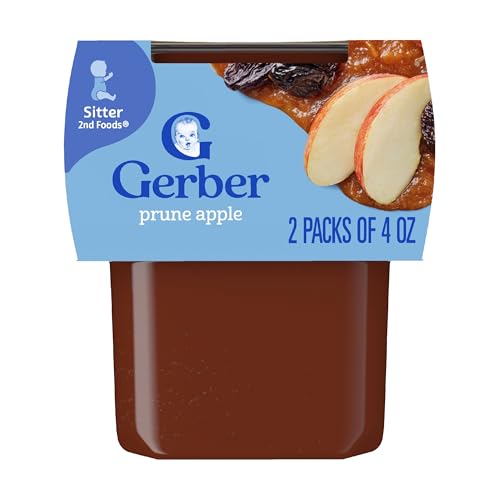
ON THE GO BABY FOOD: Gerber Stage 2 Baby Food Puree Tubs are designed for ease and convenience. These tubs are the perfect on the go baby food, made in a portable and easy-to-store format for busy parents
When to Use Prune Baby Food
Prune baby food can help when your baby has mild constipation and already eats solids. Its fiber and sorbitol may support softer stool and smoother bowel movements.
Use prune baby food as one part of a safe plan. Your pediatrician can guide you if your baby is very young, has ongoing constipation, or shows warning signs.
Signs Your Baby May Be Constipated
Watch for hard, dry stools or bowel movements that seem painful. Your baby may strain, cry, or have a firm belly.
Some babies do not poop every day and still feel fine. Stool texture and comfort matter more than the exact number of diapers.
Age and Readiness for Prune Baby Food
Many babies start solid foods around 6 months, when they can sit with support and show interest in food. Prune puree fits best after your baby reaches this stage.
If your baby is younger than 6 months, ask your pediatrician before giving prune foods or juice. Your doctor may suggest feeding changes or another safe option.
Frequency of Constipation Issues
Occasional constipation may improve with small diet changes, movement, and enough fluids. Prune baby food can help during a short bout.
Frequent constipation deserves a medical check. Your pediatrician can look for food sensitivities, dehydration, formula issues, or other causes.
During Diet Transitions
Constipation can happen when babies move from milk-only feeding to solids. New foods can change stool texture and timing.
Prune baby food may ease this shift for some babies. Offer it with other fiber-rich foods your baby can safely eat, such as pears, peas, or oatmeal.
After Pediatric Consultation
Talk with your baby’s doctor before using prunes as a regular remedy. This matters most if your baby has health issues, takes medicine, or was born early.
Your pediatrician can suggest a safe serving size. They can also tell you when constipation needs treatment beyond food.

Credit: www.gerber.com
Recommended Products

PLUM BABY FOOD STAGE 1: Organic baby food for 4 months and older; Perfect on the go snacks for kids
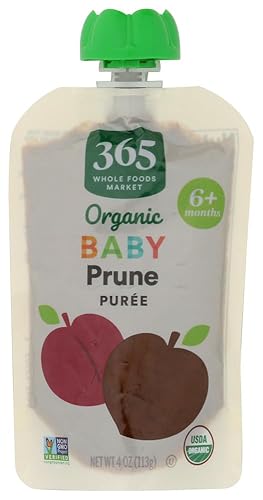
USDA Organic prune puree for babies

Tips for Feeding Prunes to Babies
Prunes can help with constipation, but the way you offer them matters. Start small, keep the texture safe, and watch how your baby responds.
Use plain prune puree or a simple blend with foods your baby already tolerates. Avoid products with added sugar, honey, or unnecessary fillers.
1. Start With Small Portions
Babies have small stomachs, so begin with 1 to 2 teaspoons of prune puree. Watch your baby’s diaper, comfort level, and appetite before offering more.
Too much prune puree can lead to loose stools. Increase only in small amounts if your baby tolerates it well.
2. Mix Prunes With Familiar Foods
If your baby dislikes the taste, mix prune puree with a food they already enjoy. Oatmeal, applesauce, sweet potato, or pear puree can work well.
Use foods your baby has already tried. This helps you avoid confusing a new reaction with the prunes.
3. Serve Prunes at the Right Time
Offer prunes earlier in the day so you can watch your baby’s response. Morning or lunch often works better than bedtime.
This timing also gives your baby’s digestion time to work. It may help you avoid a messy diaper during the night.
4. Use Fresh or Store-Bought Options
You can make prune puree by soaking pitted dried prunes in warm water and blending them smooth. Add a little soaking water to adjust the texture.
Store-bought prune baby food also works when the ingredient list stays simple. Check the label for added sugars or preservatives.
5. Pay Attention to Hydration
Prunes work best when your baby gets enough fluid. Breast milk or formula should still provide most fluids during the first year.
If your baby already eats solids, your pediatrician may allow small sips of water with meals. Follow your doctor’s advice for your baby’s age.
6. Watch for Allergies or Reactions
Prune allergy is uncommon, but reactions can happen with any food. Watch for rash, swelling, vomiting, diarrhea, wheezing, or sudden fussiness.
Introduce prunes without another new food. That makes it easier to know what caused a reaction.
7. Be Patient and Observe
Prunes do not work on the same schedule for every baby. Some babies respond within hours, while others may take longer.
Track what your baby eats, drinks, and passes for a few days. That record can help your pediatrician if constipation continues.
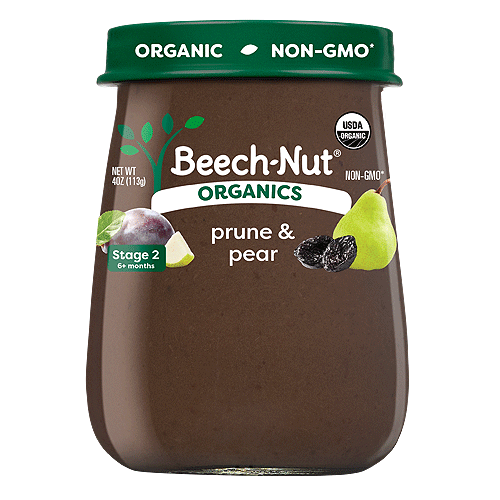
Pro tip: Offer prune puree with a meal your baby already enjoys so the new taste feels less strong.
Credit: www.beechnut.com
Frequently Asked Questions
Can I Give My Baby Prune Baby Food for Constipation?
Yes, you can try prune baby food for mild constipation if your baby already eats solid foods. Start with a small amount and watch for loose stools, gas, rash, vomiting, or discomfort.
What Baby Food Is Good for Constipation?
Pureed prunes, pears, peas, and oatmeal may help some babies with constipation. Keep offering breast milk or formula, and ask your pediatrician before making major diet changes.
How Long Does Prune Puree Take to Work?
Prune puree may help within several hours, but some babies take a day or more to respond. Results depend on your baby’s age, diet, fluids, and the cause of constipation.
How Fast Does Gerber Prune Baby Food Help With Constipation?
Gerber prune baby food may help some babies within several hours, but no product works on an exact timeline. Use a small serving and contact your pediatrician if your baby stays uncomfortable.
How Much Prune Puree Should I Give My Baby?
Many parents start with 1 to 2 teaspoons of prune puree. Your pediatrician can suggest the right amount based on your baby’s age, size, feeding pattern, and symptoms.
Can Prune Baby Food Cause Diarrhea?
Yes, too much prune baby food can cause loose stools, gas, or tummy cramps. Stop or reduce the serving if stools become watery, and call your pediatrician if diarrhea continues.
Medical Disclaimer: This article is for informational purposes only and does not constitute professional medical advice. Always consult a qualified doctor before making decisions based on this information.
Conclusion
Prune baby food can be a gentle food-based option for mild constipation in babies who already eat solids. Start with a small amount, keep your baby hydrated, and watch how their body responds.
If constipation lasts, returns often, or comes with warning signs, call your pediatrician. With the right guidance, you can help your baby feel more comfortable and build healthy digestion habits.
References
- Constipation in Children — American Academy of Pediatrics, HealthyChildren.org
- Constipation in Infants and Children — MedlinePlus, U.S. National Library of Medicine
- FoodData Central — U.S. Department of Agriculture