Can Diet Affect a Child’s Behaviour? What Parents Should Know
What’s in This Article
- How Food Can Affect a Child’s Mood and Behaviour
- How Sugar Impacts Energy, Sleep, and Attention
- Key Nutrients That Support Emotional Health
- Artificial Additives And Hyperactivity
- Gut Health And Brain Function
- How To Build A Balanced Diet For Better Behaviour
- When To Talk With Your Child’s Doctor
- Frequently Asked Questions
- Conclusion
- References
Your child’s meals can shape more than growth. Food can affect energy, sleep, focus, and mood, especially when meals swing between sugar highs and long gaps without protein or fiber.
Diet does not explain every tantrum, attention problem, or mood shift. But smart food choices can give your child steadier fuel and may reduce behavior triggers for some kids.
This guide explains the link between diet and child behavior, what the research says, and which simple meal changes can help. You’ll also learn when food changes need support from your pediatrician.
Quick Answer
Yes, diet can affect a child’s behaviour, but it works as one part of a bigger picture. Balanced meals with protein, fiber, healthy fats, and enough water can support steadier energy and focus. High-added-sugar diets and some artificial additives may worsen irritability or hyperactivity in sensitive children.
Key Takeaways
- Serve protein, fiber, and healthy fats to help your child keep steady energy.
- Limit sugary drinks and high-added-sugar snacks to support sleep and mood.
- Read labels for synthetic dyes and preservatives if your child reacts to processed foods.
- Use food tracking to spot patterns, not to blame every behavior on diet.
- Talk with your pediatrician before trying supplements or strict elimination diets.
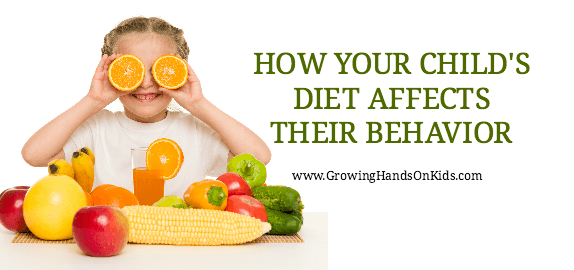
Credit: www.growinghandsonkids.com
How Food Can Affect a Child’s Mood and Behaviour
Food gives your child’s brain and body the fuel they need to work well. Meal quality can affect energy, sleep, attention, and emotional control.
No single food causes all behavior problems. Still, a pattern of skipped meals, low nutrients, sugary drinks, or highly processed snacks can make some children feel more tired, restless, or irritable.
The Role Of Blood Sugar Levels
Foods high in added sugar can raise blood sugar quickly. That short energy burst can later drop, which may leave your child tired, cranky, or unfocused.
Balanced meals can help slow that rise and fall. Include protein, fiber, and healthy fats to support more even energy through the day.
How Nutrients Affect Brain Chemistry
The brain uses nutrients to make chemicals such as serotonin and dopamine. These chemicals help support mood, focus, motivation, and stress response.
Omega-3 fatty acids from fish, walnuts, chia seeds, and flaxseed support brain health. Research on omega-3 supplements for attention issues shows mixed results and generally modest benefits (meta-analysis, 2023); AAP systematic review, 2024.
Vitamin B6, iron, zinc, and magnesium also support normal brain and nerve function. Talk with your pediatrician before you start any supplement for your child.
The Impact Of Processed Foods
Highly processed foods often contain less fiber, fewer key nutrients, and more added sugar or salt. Some also contain synthetic food dyes and preservatives.
Some children react to certain additives with more hyperactive behaviors (AAP Policy Statement, 2018); OEHHA review, 2021. Whole or minimally processed foods can reduce exposure to those additives.
The Gut-Brain Connection
Your child’s gut and brain send signals to each other through nerves, hormones, immune pathways, and gut microbes. Researchers call this the microbiota-gut-brain axis.
Fiber-rich and fermented foods can support gut health. Evidence that probiotics change child behavior varies by condition, strain, and child (systematic review/trial data, 2020).
Hydration And Its Role In Behavior
Dehydration can affect energy, focus, and mood. Even mild dehydration may trigger headaches, fatigue, or low patience in some children.
Offer water through the day, especially during school, sports, hot weather, or illness. Replace sugary drinks with water most often to support hydration and lower added sugar intake (AAP/AHA policy overview, 2019).

Credit: www.amazon.com
How Sugar Impacts Energy, Sleep, and Attention
Sugar can play a role in your child’s energy roller coaster. A sweet drink or snack may give quick fuel, but it often does not keep your child full for long.
What Happens After A Sugar Rush?
When your child eats sugary snacks or drinks, blood sugar can rise quickly. That rise may give short-lived energy, followed by a drop that leaves your child tired or irritable.
This pattern can make homework, bedtime, and emotional control harder. Pairing carbohydrates with protein or fiber can slow digestion and support steadier energy.
How Does Sugar Affect Sleep And Attention?
High added sugar, especially close to bedtime, can disrupt a calm sleep routine. Poor sleep can then worsen focus, mood, and behavior the next day.
Randomized trials generally do not show that sugar itself causes hyperactivity in most children (JAMA meta-analysis, 1995). Some observational studies do link higher sugar-sweetened beverage intake with attention-deficit/hyperactivity disorder (ADHD) symptoms (systematic review/meta-analysis, 2020).
Keep added sugars low because that supports sleep, dental health, and overall nutrition (AAP HealthyChildren, 2019).
What Can You Do To Balance Their Energy?
Offer snacks that give steady fuel. Instead of sugary cereal alone, try oatmeal with fruit and nut butter, or plain yogurt with berries.
- Choose water instead of soda, sports drinks, or sweet tea most days.
- Swap candy snacks for fruit with cheese, yogurt, or nuts when age-safe.
- Use plain yogurt and add fruit instead of buying sweetened yogurt cups.
- Check granola bars, cereals, sauces, and drinks for hidden added sugar.
Staying hydrated can also support stable energy and may reduce cravings for sweet drinks (AAP News, 2019).
Could Cutting Sugar Improve Your Child’s Behavior?
Reducing added sugar may help if you notice a clear pattern of energy spikes, fatigue, or bedtime struggles. Changes work best when you replace sugary foods with filling options, not when you only restrict.
Track your child’s meals, sleep, and behavior for one or two weeks. Patterns can help you make calm, useful changes without guessing.
Pro tip: Pair fruit with protein, such as yogurt or cheese, to help your child feel full longer.
Recommended Products

WHY OMEGA-3S - Children’s DHA is a naturally balanced source of the omega-3s EPA and DHA that growing kids need for healthy development. It also supports learning, healthy brain development, and immune system function.

WHY OMEGA-3S - Omega-3 EPA & DHA support healthy brain & nervous system development, learning, and immune function. These yummy omega-3 fish oil gummies are for kids ages 3+.

WHY OMEGA-3S - Omega-3 EPA & DHA support healthy brain & nervous system development, learning, and immune function. These yummy omega-3 fish oil gummies are for kids ages 3+.
Key Nutrients That Support Emotional Health
Your child’s brain and body need steady nutrition to work well. When key nutrients run low, your child may feel tired, distracted, or more reactive.
How Omega-3 Fatty Acids Support Brain Health
Omega-3 fatty acids from salmon, sardines, walnuts, flaxseed, and chia seeds support brain development. Clinical research shows mixed but generally small benefits for attention symptoms in some children (meta-analysis, 2023); AAP review, 2024.
Use food first when you can. Ask your pediatrician before you give omega-3 supplements, especially if your child takes medicine or has allergies.
The Role Of Magnesium In Nervous System Function
Magnesium from spinach, beans, nuts, seeds, and whole grains supports normal nerve and muscle function. Evidence for magnesium supplements improving anxiety in children remains limited and mixed (systematic review, 2017).
Focus on magnesium-rich foods unless your child’s doctor recommends a supplement. Too much supplemental magnesium can cause side effects.
Can Sugar Spike Emotions?
Large blood sugar swings can contribute to irritability and fatigue. Sugar itself has not been shown to cause hyperactivity in most children in randomized trials (JAMA, 1995).
High-added-sugar eating patterns can still hurt sleep and energy balance (AAP, 2019). Focus on the whole meal pattern, not one treat.
Why Iron Matters For Mood And Energy
Iron helps carry oxygen through the body and supports normal brain function. Low iron can contribute to fatigue, low energy, and mood changes.
Offer iron-rich foods such as lean meats, beans, lentils, spinach, and iron-fortified cereals. Ask your pediatrician about testing if your child seems very tired, pale, dizzy, or has a restricted diet.
Vitamin D And Overall Health
Vitamin D supports bones, immune function, and overall health. Your child can get vitamin D from fortified milk, egg yolks, fatty fish, and safe outdoor time.
Some children need supplements, but dose matters. Ask your pediatrician before you start vitamin D drops, gummies, or tablets.
Pay attention to patterns after meals and snacks. A simple food, sleep, and mood note can help you tailor meals without overreacting to one rough day.

Credit: healthymummywellness.com
Recommended Products

INDIVIDUALLY WRAPPED SNACKS: Contains 20 single serving packs. Try all of our favorites in the new variety box! Featuring Jelly Beans, Giggles, Chewys and Sour Littles - perfect for lunchboxes or on the go.

INDIVIDUALLY WRAPPED LOLLIPOPS: Contains one box of approximately 60 YumEarth Organic Lollipops

Includes 36 (0.875 oz) Bags of Simply snacks, (8) Cheetos Puffs White Cheddar, (6) Doritos White Cheddar Nacho, (9) Ruffles Sea Salted Potato Chips, (9) Cheetos Crunchy White Cheddar, and (4) Doritos Zesty Cool Ranch flavors
Artificial Additives And Hyperactivity
Bright candies, drinks, cereals, and snack foods often contain synthetic food dyes. Some children react to certain dyes or preservatives with more restlessness or impulsive behavior.
Research suggests these additives can contribute to hyperactive behaviors in a subset of children (The Lancet, 2007); AAP, 2018; OEHHA, 2021. The U.S. Food and Drug Administration (FDA) revoked authorization for FD&C Red No. 3 in food, with a food compliance deadline of January 15, 2027 (FDA, 2025).
What Are Artificial Additives?
Artificial additives help change flavor, color, texture, or shelf life. You may find them in processed snacks, candies, sodas, fruit drinks, cereals, and baked goods.
Common label names include Red 40, Yellow 5, Yellow 6, Blue 1, and sodium benzoate. Not every child reacts to these ingredients.
How Do Artificial Additives Affect Hyperactivity?
Some sensitive children may show more restlessness, trouble concentrating, or impulsivity after they eat certain additives. Removing a confirmed trigger may help reduce symptoms for that child (AAP guidance, 2018).
Use a careful approach. Change one thing at a time so you can tell whether the change truly helps.
Spotting Additives In Everyday Foods
Reading labels gives you the clearest view. Look for dye names, preservative names, and long ingredient lists on packaged foods your child eats often.
Swapping processed foods for whole-food options can lower exposure. Fresh fruit, plain popcorn, cheese, eggs, beans, and whole-grain toast can make easy snacks.
Simple Changes You Can Make
- Choose snacks with short, clear ingredient lists.
- Use fruit or natural color from foods when you make treats.
- Replace sugary drinks with water or naturally flavored seltzer.
- Track symptoms before you remove many foods at once.
Note: An additive-free diet does not treat every behavior concern, but it may help children with clear sensitivities.
Gut Health And Brain Function
Gut health may play a role in your child’s behavior and emotions. Your child’s gut and brain communicate through nerves, hormones, immune signals, and gut microbes.
A healthy gut can support overall well-being. Poor gut health may link with irritability or focus problems in some children, but research still continues.
Supporting the gut with balanced meals can help your child’s general health (review, 2022). It should not replace medical care for ongoing behavior, mood, or digestive concerns.
What Is The Gut-Brain Axis?
The gut-brain axis describes two-way communication between the gut and brain. Gut bacteria help produce and regulate chemicals that can affect mood, stress, and digestion.
Disruptions in this system may contribute to behavior concerns for some children. Scientists still need more child-specific research before making broad treatment claims.
Role Of Gut Microbiota In Behavior
Trillions of microorganisms live in the gut. Studies link gut microbiota patterns with mood, attention, and behavior in some children (systematic review, 2024).
Association does not prove cause. Your child’s sleep, stress, medical history, and family routine also matter.
Foods That Promote Gut Health
Offer fiber-rich foods because they feed beneficial gut bacteria. Good choices include beans, lentils, oats, berries, apples, vegetables, and whole grains.
Fermented foods such as yogurt and kefir may also help some children. Choose low-added-sugar versions when possible.
Recommended Products

Contains five (5) KIND Kids Blueberry Muffin Bars with Other Natural Flavors and five (5) Chocolate Chip Bars

VANILLA UNLEASED: This vanilla flavored organic dairy protein shake gives a smooth, creamy experience; made with organic cane sugar, perfect for picky eaters

CHOCOLATE MILK’S COOLER COUSIN: This chocolate flavored organic dairy protein shake gives a smooth, creamy experience; made with alkalized cocoa and organic cane sugar, perfect for picky eaters
How To Build A Balanced Diet For Better Behaviour
A balanced diet won’t make every hard behavior disappear. It can still give your child a stronger base for mood, learning, and sleep.
Start with small changes that fit your family. You do not need perfect meals to see progress.
1. Use Protein To Stabilize Energy Levels
Protein helps your child feel full and supports steadier blood sugar. That can reduce mid-morning crashes and after-school crankiness.
Add eggs, plain yogurt, beans, fish, chicken, tofu, or nut butter when age-safe. A boiled egg, hummus toast, or smoothie with yogurt can work on busy mornings.
2. Add Healthy Fats For Brain Development
Children’s brains need healthy fats. Omega-3 fats from fish, walnuts, chia seeds, and flaxseed can support brain function (meta-analysis, 2023).
Add avocado, olive oil, nut butter, seeds, or fatty fish when they fit your child’s diet. Keep portions age-appropriate.
3. Keep Added Sugar In Check
High-added-sugar snacks and drinks can crowd out more filling foods. They can also make sleep and energy routines harder.
Choose fruit, yogurt, whole grains, and water more often. Keep treats as part of a balanced routine rather than a daily fuel source (AAP, 2019).
4. Include Micronutrient-Rich Foods
Micronutrients such as zinc, iron, vitamin D, and magnesium support growth, mood, and energy. A colorful plate helps your child get a wider range of nutrients.
Offer beans, leafy greens, lean meats, fortified foods, whole grains, eggs, dairy, fruit, and vegetables. If your child avoids whole food groups, ask your pediatrician whether testing or guidance would help.
5. Make Hydration Easy
Mild dehydration can cause irritability and fatigue. Keep water available at meals, school, sports, and playtime (AAP News, 2019).
Use a reusable bottle if your child forgets to drink. Add fruit slices if plain water feels boring.
6. Build Balanced Meals Without Stress
Aim to include a protein, a fiber-rich carbohydrate, and a fruit or vegetable at most meals. Add a healthy fat when it fits.
If your child feels picky, offer choices within your plan. You might ask, “Do you want carrots or cucumber with lunch?”
Warning: Do not start a strict elimination diet for a child without guidance from a qualified health professional.
When To Talk With Your Child’s Doctor
Diet changes can help, but they should not delay care when your child struggles often. Talk with your pediatrician if behavior changes appear suddenly, last for weeks, or affect school, sleep, friendships, or family life.
You should also ask for help if your child has weight loss, very limited eating, stomach pain, constipation, diarrhea, fatigue, or signs of anxiety or depression. Your doctor can check for nutrient deficiencies, food allergies, sleep issues, ADHD, or other health concerns.
Bring notes about meals, sleep, symptoms, and behavior patterns. Clear notes help your doctor see what may connect and what may need a different plan.
Frequently Asked Questions
How Does Diet Affect A Child’s Behaviour?
A child’s diet can influence energy, mood, sleep, and focus. Nutrient-rich, minimally processed foods support brain function and steady fuel. Some children may react to certain additives, such as synthetic dyes, with more hyperactive behaviors (AAP, 2018).
What Are 5 Factors That Could Influence A Child’s Behaviour?
Parenting style, sleep, stress, environment, peer influence, emotional health, and developmental stage can all affect behavior. Diet can add another layer by shaping energy, hunger, and comfort. A full picture helps you avoid blaming food for every challenge.
What Foods Cause Mood Swings In Toddlers?
High-added-sugar foods and ultra-processed snacks can lead to energy spikes and crashes. Some toddlers may also react to artificial dyes or preservatives. Balanced meals with whole foods can help stabilize energy and emotions (AAP, 2019); OEHHA, 2021.
Which Food Additive Has Been Linked To Behavioral Issues In Children?
Synthetic food dyes have been linked with hyperactive behaviors in a subset of children (Lancet, 2007); AAP, 2018. The FDA also revoked authorization for FD&C Red No. 3 in foods, with compliance required by January 15, 2027 (FDA, 2025).
Can Diet Changes Replace ADHD Treatment?
No. Diet changes may support focus and energy, but they do not replace evidence-based ADHD care. Work with your child’s doctor if you suspect ADHD or if symptoms affect school, home, or friendships.
How Long Should You Track Food And Behavior Patterns?
Track meals, sleep, and behavior for one to two weeks before you make big changes. That gives you enough detail to spot patterns while keeping the process simple.
Medical Disclaimer: This article is for informational purposes only and does not constitute professional medical advice. Always consult a qualified doctor before making decisions based on this information.
Conclusion
A child’s diet can support steadier mood, energy, focus, and sleep. Start with one small change, such as adding protein at breakfast or replacing one sugary drink with water.
Watch your child’s patterns and keep the tone calm, not restrictive. If you want to try supplements or a strict elimination diet, talk with your pediatrician first.
Simple, steady food habits can give your child a stronger base for each day.
References
- Polyunsaturated Fatty Acids for Attention-Deficit/Hyperactivity Disorder — The Journal of Clinical Psychiatry, 2023
- Treatments for ADHD in Children and Adolescents — American Academy of Pediatrics, 2024
- Food Additives and Child Health — American Academy of Pediatrics, 2018
- Health Effects Assessment: Potential Neurobehavioral Effects of Synthetic Food Dyes in Children — OEHHA, 2021
- Probiotics and Neurodevelopmental or Mental Health Outcomes — Frontiers in Psychiatry, 2020
- AAP and AHA Endorse Policies to Reduce Sugary Drink Consumption — HealthyChildren.org, 2019
- The Effect of Sugar on Behavior or Cognition in Children — JAMA, 1995
- Sugar Consumption, Sugar-Sweetened Beverages and Attention Deficit Hyperactivity Disorder — Systematic Review and Meta-analysis, 2020
- How to Reduce Added Sugar in Your Child’s Diet — HealthyChildren.org, 2019
- Added Sugar in Kids’ Diets: How Much Is Too Much? — AAP News, 2019
- Magnesium and Subjective Anxiety and Stress — Nutrients, 2017
- Food Additives and Hyperactive Behaviour in Children — The Lancet, 2007
- FDA to Revoke Authorization for the Use of Red No. 3 in Food and Ingested Drugs — U.S. Food and Drug Administration, 2025
- The Gut-Brain Axis and Child Health — Review, 2022
- Gut Microbiota and Child Neurobehavioral Outcomes — Frontiers in Nutrition, 2024