Updated on 2025-11-28
Can baby food cause an upset stomach? If you’ve ever watched your little one squirm, cry, or push the spoon away and wondered if their food is to blame, you’re not alone. Babies have sensitive tummies, and some ingredients or feeding habits can make them uncomfortable.
Yes. Baby food can sometimes cause an upset stomach, especially when new ingredients, larger portions or certain trigger foods (like gas-forming vegetables, dairy or high-fiber fruits) are introduced too quickly. Most reactions are mild and short-lived, but persistent pain, vomiting or blood in stool needs a pediatric review.
Key takeaways
- Baby food can cause temporary tummy upset, especially when new foods, large portions or gas-forming ingredients are introduced too quickly.
- Watch for patterns of symptoms after meals—spitting up, diarrhea, constipation, rash, gas or fussiness can suggest a food sensitivity.
- Introduce single-ingredient foods slowly, keep portions small, and call your pediatrician if symptoms are severe, persistent or worrying.
Common ingredients and their effects
When your baby has an upset stomach, it’s natural to wonder if their food is to blame. Some ingredients in baby food are gentle on some tummies but troublesome for others. Understanding these ingredients can help you choose meals that are kinder to your baby’s digestion.
Fruit purees: natural sweetness can be tricky
Fruits like apples, pears, and prunes are common in baby food, but they contain natural sugars and fiber that can sometimes upset sensitive stomachs. High amounts of fructose, a natural fruit sugar, may lead to gas, bloating, or looser stools. Try single-ingredient purees to see which fruits your baby tolerates best.
Vegetables: fiber overload?
Vegetables like broccoli, cauliflower, cabbage, and peas are nutrient-rich but can be tough on developing tummies. Their higher fiber content and natural compounds can cause gas or discomfort in some babies. If your baby seems gassy or fussy afterward, offer gentler options like carrots, pumpkin, or sweet potatoes instead.
Grains: gluten and digestive sensitivities
Some baby foods include grains such as wheat or barley, which contain gluten. A true gluten-related condition like celiac disease is uncommon in infants but can cause ongoing tummy trouble if present. Oat or rice-based baby cereals and purees are often easier to digest and are good starting points unless your doctor advises otherwise.
Dairy: lactose or milk protein issues
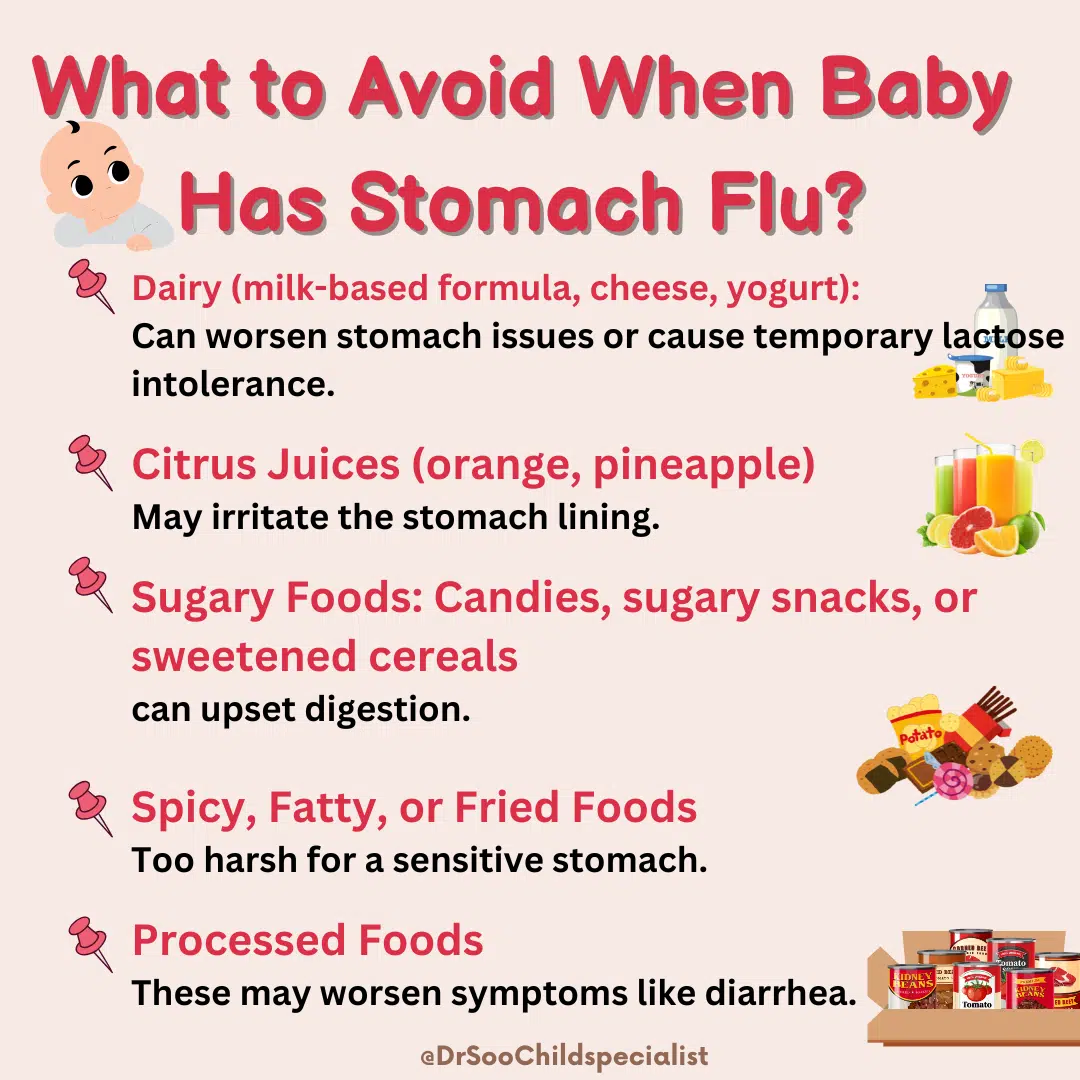
Baby foods with dairy, such as yogurt blends or cheese-containing meals, can trigger problems in babies who are sensitive to lactose or cow’s milk protein. You may notice diarrhea, excess gas, or stomach cramps after these foods. If you suspect this, discuss it with your pediatrician before switching to lactose-free or non-dairy options.
Preservatives and additives: hidden triggers
Many commercial baby foods are labeled “all-natural,” but some still contain thickeners, flavorings, or preservatives to improve taste and shelf life. Most approved additives are considered safe, yet very sensitive tummies may still react. Choose baby foods with short, simple ingredient lists whenever possible.
Citrus fruits: acidic and irritating
Oranges, lemons, and other citrus fruits are quite acidic and can upset a baby’s digestive system. They may cause a burning sensation in the tummy or mouth and sometimes lead to a diaper rash. If your baby reacts to citrus, try milder fruits like banana, papaya, or avocado instead.
If you notice that specific ingredients keep causing problems, keep a simple food diary. Writing down what your baby eats and how they feel afterward can make patterns much easier to spot.
Signs of food sensitivities in infants
Infants have delicate digestive systems that can react to certain foods. Some baby foods may cause discomfort or upset stomachs due to food sensitivities or intolerances. These reactions can be mild or more noticeable, so watching your baby closely after new foods is important.
Frequent spitting up
Spitting up is common in babies, but a sudden increase after a particular food may signal a problem. If your baby spits up large amounts or seems distressed shortly after eating a specific food, that food may not agree with them.
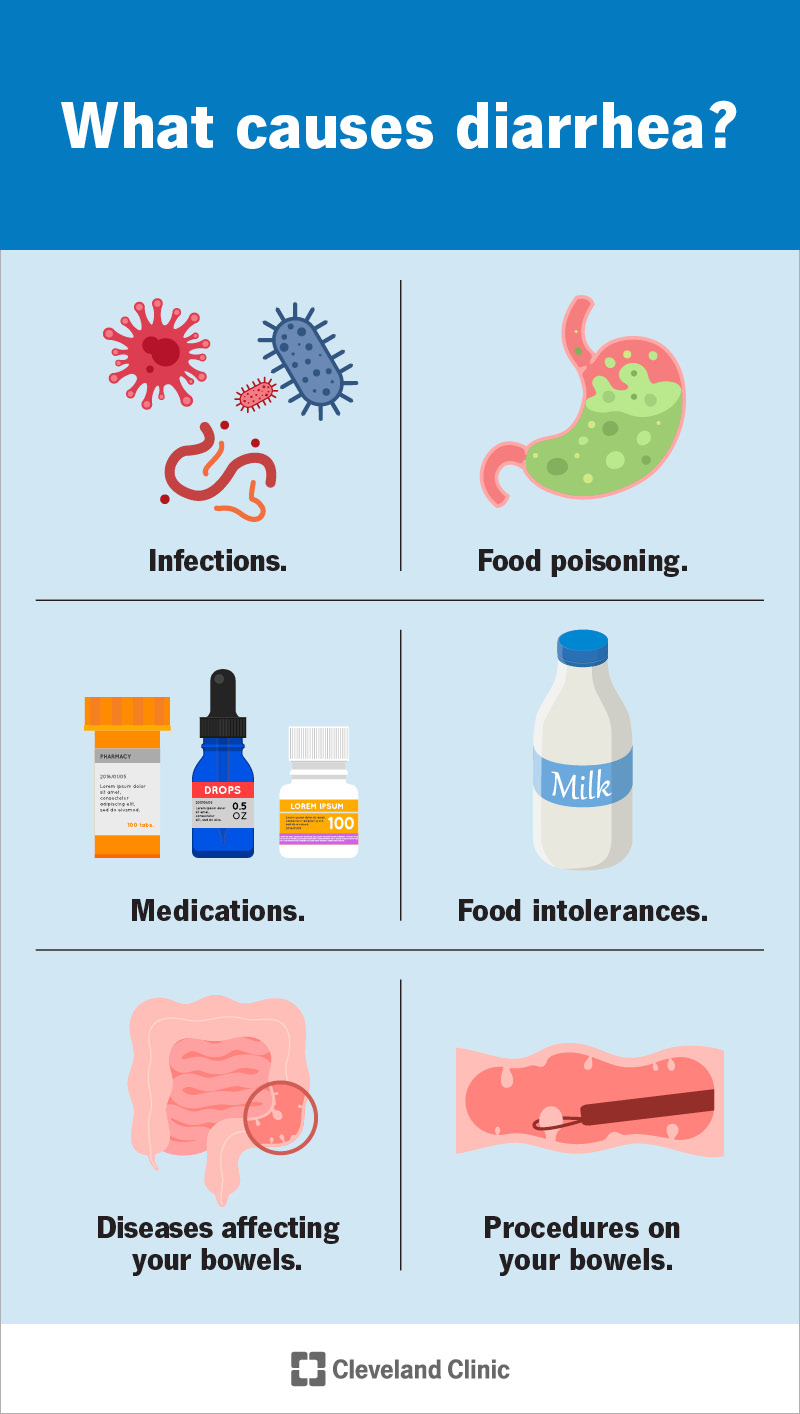
Diarrhea or constipation
Changes in bowel movements often hint at food-related issues. Diarrhea after starting a new food may mean your baby’s body is not processing it well. On the other hand, very hard or infrequent stools can suggest the food is too heavy or low in fluid for your baby’s digestion.
:max_bytes(150000):strip_icc()/diarrhea-in-the-breastfed-baby-431632-v1-5c01932a46e0fb0001cbf7ac.png)
Skin rashes
Skin reactions such as rashes, redness, or hives can be signs of food sensitivity or allergy. These often appear on the cheeks, around the mouth, or on the arms and trunk shortly after your baby eats the problem food.
Excessive gas
Some foods lead to extra gas or bloating. If your baby pulls their legs up, has a firm or swollen belly, or cries more than usual after mealtimes, trapped gas might be the cause. Gentle tummy massage or bicycle-leg movements can sometimes bring relief.
Unusual crying or fussiness
A baby who becomes extra fussy or cries soon after a feeding may be experiencing discomfort. If this pattern repeats with the same food, it could be a clue that their tummy doesn’t like that ingredient right now.
Refusal to eat
Babies may turn away from foods that make them feel unwell. If your baby consistently refuses a certain food while happily eating others, their body may be telling you something. Avoid forcing the food and try it again later or talk with your pediatrician.
Role of additives and preservatives
Many commercial baby foods contain small amounts of additives and preservatives to enhance flavor, texture, or shelf life. While these ingredients are approved for safety, some babies have extra sensitive digestive systems and may react with tummy upset.
What are additives in baby food?
Additives include substances such as natural or artificial flavors, thickeners, and colorings. Even natural additives like citric acid can occasionally cause discomfort in some babies. If your baby seems unsettled after certain jarred or pouch foods, compare ingredient labels to find common items.
Preservatives and their impact on digestion
Preservatives help prevent food from spoiling during storage and transport. Examples include ascorbic acid (vitamin C) and other approved compounds. Most babies tolerate these well, but those with very sensitive tummies may show symptoms like gas or loose stools after eating highly processed foods.
How to identify additives and preservatives
Always check the ingredient list on baby food packaging. Phrases like “flavoring,” “thickener,” or “preservative” can hint at extra ingredients beyond fruits, vegetables, and grains. In general, the fewer ingredients and the more recognizable they are, the easier the food is likely to be on your baby’s stomach.
Are homemade baby foods a safer option?
Homemade baby foods usually skip additives and preservatives, relying on fresh, natural ingredients. This gives you complete control over what your baby eats and lets you avoid ingredients that have caused problems in the past. Just be sure foods are well-cooked, soft, and blended to a safe texture.
Homemade vs. store-bought options
When your baby has an upset stomach, it’s easy to question whether homemade or store-bought baby food is better. Both can be healthy; the key is how they are chosen and prepared.
Homemade baby food: what you need to know
Homemade baby food gives you full control over ingredients. You can avoid additives, extra sugar, and unnecessary salt. Simple purees of steamed carrots, peas, or pumpkin can be kinder on sensitive tummies than complex blends.
Preparation matters. Undercooked or heavily seasoned foods are harder to digest. Make sure vegetables are soft and smooth, and avoid adding salt, sugar, or spicy seasonings. If you notice a certain ingredient causes trouble, you can easily leave it out next time.
Store-bought baby food: convenience vs. control
Store-bought baby food is convenient and comes in ready-to-serve portions, which is especially helpful for busy days or travel. Many brands now offer organic or “clean label” options with minimal ingredients.
The trade-off is less flexibility. You’ll need to read labels carefully to avoid ingredients that have upset your baby before. Look for products that list only a few simple ingredients, such as “apples and water,” and skip those with long lists of fillers or sweeteners.
How to decide which is right for you
You don’t have to choose only one approach. Many families use a mix of homemade and store-bought foods. Watch how your baby responds, adjust the ingredients or textures as needed, and talk with your pediatrician if you are unsure about certain products.
Tips for introducing new foods
Introducing new foods is an exciting milestone, but it can feel stressful when you worry about tummy trouble. A slow, mindful approach can help protect your baby’s digestion while still letting them explore new tastes and textures.
Start small and simple
Begin with single-ingredient foods like mashed banana, pureed carrot, pumpkin, or plain applesauce. Offer only a spoonful or two the first time. If your baby tolerates it well, you can slowly increase the amount over the next few days.
Stick with one new food at a time. If your baby develops symptoms, it will be easier to identify the cause and pause that food.
Watch for signs of discomfort
After each new food, pay attention to your baby’s behavior and nappies. Extra fussiness, gassiness, spitting up, diarrhea, or constipation in the hours after eating may signal that a food isn’t agreeing with them right now.
If symptoms are mild, you can wait a week or two and try a small amount again. Babies’ digestive systems mature quickly, and some foods that caused trouble early on may be fine later.
Time it right
Offer new foods when your baby is calm, alert, and not overly hungry or tired. Avoid introducing new foods when your baby is sick or teething, as their tummy may already be unsettled.
Introducing new foods earlier in the day makes it easier to watch for reactions and reach your pediatrician if needed.
Consider allergies and sensitivities
Foods like egg, peanut, dairy, wheat, soy, fish, and tree nuts can trigger allergies in some children. Many experts now recommend introducing these “allergenic” foods earlier, once your baby is ready for solids, but always discuss the timing and approach with your pediatrician first, especially if your baby has eczema or other risk factors.
Don’t rush the process
Babies need time to adjust to new tastes and textures. It’s normal for them to reject a food several times before accepting it. Offer small amounts without pressure, and try again after a few days if they say “no” at first.
Remember, this stage is about exploration, not perfection. Celebrate small successes and focus on keeping mealtimes relaxed and positive.
When to consult a pediatrician
Mild tummy upsets are common when babies start new foods and often settle on their own with simple changes. However, some symptoms need prompt medical advice to rule out allergies, infections, or other conditions.
Unusual symptoms that persist
Contact your pediatrician if vomiting, diarrhea, or obvious abdominal pain continues for more than a day, or if your baby seems increasingly uncomfortable with feeds. Persistent symptoms can signal more than simple food sensitivity.
Severe allergic reactions
Seek emergency help right away if your baby has facial swelling, trouble breathing, wheezing, widespread hives, or becomes very pale or floppy after eating. These can be signs of a serious allergic reaction and require urgent treatment.
Weight loss or poor weight gain
Babies should steadily gain weight over time. If your baby is not gaining well, or you notice weight loss or reduced feeding, speak with your pediatrician. Ongoing feeding problems or untreated allergies can affect growth.
Blood in stool
Blood in your baby’s stool is a red flag. It may indicate a food protein intolerance, infection, or another digestive issue that needs a professional assessment. Contact your pediatrician promptly if you see red or black streaks in the diaper.
Refusal to eat
If your baby refuses to eat or drink for several feeds in a row, or seems distressed every time they eat, this deserves medical attention. Your doctor can help identify whether the problem is food-related or due to another condition.
Remember that not all tummy troubles are caused by baby food. Infections, reflux, constipation, or other medical issues are also common in infants. When in doubt, it is always safer to have your baby checked by a pediatrician.

Conclusion
Upset stomachs from baby food do happen, but they are often mild and avoidable. Paying attention to ingredients, introducing new foods slowly, and watching for patterns after meals can go a long way toward keeping your baby comfortable.
If symptoms are severe, persistent, or worrying, check in with your pediatrician. Every baby is unique, and their reactions can vary. With a bit of observation and a few small adjustments, you can help protect your baby’s delicate digestion and make mealtimes a happier experience for both of you.
Small changes can make a big difference.
Glossary
- Food allergy
- A reaction in which the immune system overreacts to a specific food, potentially causing symptoms such as hives, swelling, vomiting, or breathing difficulties.
- Food intolerance or sensitivity
- A non-allergic reaction to a food that can cause symptoms like gas, bloating, diarrhea, or stomach pain but does not involve the immune system.
- Gastroenteritis
- An infection of the stomach and intestines, often called “stomach flu,” that can cause vomiting, diarrhea, fever, and stomach cramps.
FAQs
Can baby food cause an upset stomach?
Yes. Baby food can cause temporary tummy upset, especially when new foods are introduced quickly, portions are large, or ingredients like dairy, gluten, or gas-forming vegetables bother your baby. Most episodes are mild, but ongoing pain, vomiting, blood in stool or poor feeding needs medical advice.
How can I tell if baby food is upsetting my baby’s stomach?
Watch for patterns after meals: increased crying, arching, gas, bloating, diarrhea, constipation, rashes or repeated spitting up soon after eating. If the same food seems to trigger symptoms two or more times, pause it and discuss it with your pediatrician.
Why is my baby’s stomach upset after starting solids?
When babies start solids, their digestive system is still maturing. New textures, larger volumes and ingredients like fiber, dairy or acidic fruits can temporarily cause gas, loose stools or constipation. Starting slowly with soft, single-ingredient foods usually helps, but persistent symptoms should be checked by your pediatrician.
How do I know if my baby isn’t tolerating solids?
Signs include frequent vomiting, diarrhea or constipation, extreme fussiness after meals, refusal to eat, poor weight gain or rashes around the mouth or body linked to specific foods. Stop the suspected food and seek medical advice, especially if symptoms are severe or your baby seems unwell.
Which purees are more likely to cause gas in babies?
Gas is more common with high-fiber or cruciferous vegetables and some fruits, such as broccoli, cauliflower, cabbage, peas, beans, prunes, apples and pears. Introduce these in tiny amounts, one at a time, and balance them with gentler options like carrot, pumpkin, banana or sweet potato.
Related articles