Baby Food Recipe Step by Step: Nourish Your Little One with Love You want the best for your baby. As a parent, nothing feels more rewarding than seeing your little one thrive.
But when it comes to baby food, it’s easy to feel overwhelmed. What should you make? Is it healthy enough? Will your baby like it? The good news is, making nutritious and delicious baby food at home doesn’t have to be complicated.
In this guide, you’ll discover simple, step-by-step recipes that are packed with nutrients and tailored to your baby’s needs. Whether you’re introducing solids or looking for fresh ideas, you’ll find everything you need to create meals that are wholesome, safe, and full of flavor. Plus, knowing exactly what goes into your baby’s food will give you the peace of mind you deserve. Stick around—we’re about to make mealtime easier, healthier, and a whole lot more fun for you and your baby. Ready to get started? Let’s dive in!
Benefits Of Homemade Baby Food
Making your baby’s food at home is more than just a kitchen activity—it’s an opportunity to give your little one the freshest, healthiest start in life. You control every ingredient, texture, and flavor that goes into their bowl. Plus, it’s surprisingly simple and more rewarding than you might think!
Why Homemade Baby Food Is Healthier
Store-bought baby food often contains preservatives, added sugars, or unnecessary fillers. When you make it yourself, you know exactly what’s going into your baby’s tummy—pure fruits, vegetables, grains, and proteins. Freshly prepared food also retains more nutrients compared to jarred options that are processed for long shelf lives.
Think about it: Would you rather give your baby a banana that you mashed yourself, or one that’s been sitting on a store shelf for months? Homemade baby food ensures your baby gets the best nutrients straight from nature.
Cost Savings That Add Up
Baby food jars and pouches can quickly add up, especially if you’re buying them multiple times a week. By making your own baby food, you can stretch your grocery budget further. A single sweet potato can yield several servings of baby food for a fraction of the cost of one store-bought jar.
And let’s not forget leftovers! That steamed broccoli from last night’s dinner can easily be pureed for your baby’s lunch. Saving money and reducing food waste? That’s a win-win.
Customizing For Your Baby’s Needs
Every baby is unique, and their food should reflect that. Maybe your baby prefers smoother textures or is ready for chunkier bites as they grow. Homemade baby food allows you to adjust consistency and flavors to match your baby’s stage and preferences.
You can also introduce new foods one at a time to watch for allergies or sensitivities. Imagine the peace of mind knowing you’re feeding your baby exactly what they need, no surprises.
Building A Stronger Bond
There’s something special about preparing food for someone you love, especially your baby. As you chop, steam, and blend, you’re not just cooking—you’re nurturing. This small act of care strengthens your bond and helps you understand your baby’s likes and dislikes better.
Plus, watching your baby’s reaction to their first taste of homemade applesauce or mashed carrots is priceless. Those tiny smiles and giggles make every minute spent in the kitchen so worth it.
Less Environmental Impact
Think about all the packaging involved in store-bought baby food—plastic lids, pouches, and glass jars. Making baby food at home means less waste, especially if you store it in reusable containers. It’s a small but meaningful way to reduce your family’s carbon footprint.
Imagine replacing those endless jars with just a batch of homemade purees stored in silicone freezer trays. It’s not just better for the planet; it’s also more convenient for you in the long run.
Homemade baby food is healthier, cost-effective, and tailored to your baby’s needs. And it comes with the added bonus of creating beautiful memories together. So, why not give it a try today? Your baby—and your wallet—will thank you.

Credit: www.youtube.com
Essential Tools And Ingredients
Creating baby food at home is not just a way to ensure your little one gets fresh, nutritious meals—it can also be a fun and rewarding experience. However, to make the process smooth and stress-free, it’s essential to have the right tools and ingredients on hand. Let’s break it down step by step so you can confidently whip up wholesome baby meals.
Essential Tools You’ll Need
Having the right tools can make baby food preparation so much easier. Here’s what you’ll need:
- High-quality blender or food processor:Smooth purees are key for babies, especially early on. A blender or food processor gets the job done quickly.
- Steamer basket:Steaming preserves nutrients and is perfect for veggies like carrots, peas, and sweet potatoes.
- Storage containers:Use BPA-free containers or silicone freezer trays to store extra portions. Label them with the preparation date.
- Fine mesh strainer:For removing seeds or fibers from certain foods like berries.
- Small pots and pans:You’ll need these for cooking fruits, veggies, or grains. A non-stick option can be helpful.
These tools are staples for most parents making baby food at home. Do you already have some of these in your kitchen? If not, prioritize items based on your recipe needs.
Ingredients To Stock Up On
The ingredients you choose can make or break your baby’s food. Start with simple, single-ingredient recipes and then mix and match as your baby adjusts to new flavors.
| Category | Examples |
|---|---|
| Fruits | Bananas, apples, pears, peaches |
| Vegetables | Carrots, sweet potatoes, spinach, peas |
| Grains | Oats, rice, quinoa |
| Proteins | Chicken, lentils, beans |
Opt for organic produce whenever possible to limit exposure to pesticides. Wash fruits and veggies thoroughly before cooking.
Pro Tips For Beginners
Don’t overthink it! Start small—maybe with a simple mashed banana or pureed steamed carrot. Test one food at a time to monitor how your baby reacts.
Keep ingredients fresh. Frozen fruits and veggies can work in a pinch, but fresh produce often tastes better.
And here’s a tip I learned the hard way: always taste the food yourself. If you wouldn’t eat it, your baby probably won’t enjoy it either.
What’s your go-to baby food recipe? Share your ideas in the comments below—other parents might find inspiration in your creativity!
Age-appropriate Food Options
As your baby grows, their nutritional needs change. Offering age-appropriate foods is crucial to support their development while ensuring they’re safe and easy to eat. But how do you know what’s suitable for your baby at each stage?
6 To 8 Months: Smooth Purees And Single Ingredients
At this age, your baby’s digestive system is still developing. Start with single-ingredient purees like mashed bananas, steamed carrots, or plain sweet potatoes. These are gentle on their tummy and help you spot any allergies or sensitivities.
Use a blender or food processor to achieve a smooth consistency. Add a little breast milk, formula, or water to thin out the puree if needed. Serve no more than a spoonful or two to begin with—it’s all about introducing flavors, not filling their belly.
Pro tip: Try introducing one new food every three days. This gives you time to monitor for any adverse reactions.
9 To 12 Months: Textured Foods And Simple Combinations
As your baby masters chewing, you can introduce more texture. Foods like mashed avocado, oatmeal, or small chunks of soft fruits are great options. Don’t worry if they gag a little—it’s part of the learning process.
You can also start combining ingredients. Think mashed peas and carrots, or rice with finely shredded chicken. Keep the flavors mild and avoid adding salt or sugar.
Here’s a quick idea: Steam a small potato, mash it lightly, and mix it with a teaspoon of unsweetened yogurt. It’s creamy, tasty, and loaded with nutrients!
12+ Months: Finger Foods And Family Meals
By the time your baby turns one, they’re ready for more independence. Offer finger foods like small pieces of cooked pasta, diced soft fruits, or scrambled eggs. This helps develop their pincer grasp and encourages self-feeding.
They can also start eating what the family eats, as long as it’s healthy and cut into small, manageable pieces. Avoid choking hazards like whole grapes, nuts, or hard candies.
Here’s a thought: Why not let your baby sit with you during mealtime? Watching you eat can encourage them to try new foods and enjoy the social aspect of eating together.
How To Stay Flexible And Observant
Every baby is unique, and their preferences can change quickly. One day they may love mashed peas, and the next, they’ll refuse to touch them. Stay flexible and offer a variety of options.
Pay attention to their cues. If they turn their head away or spit out food, it’s okay to try again later. Feeding your baby is a journey—be patient and enjoy the process.
What’s your baby’s favorite food right now? Share it in the comments to inspire other parents!
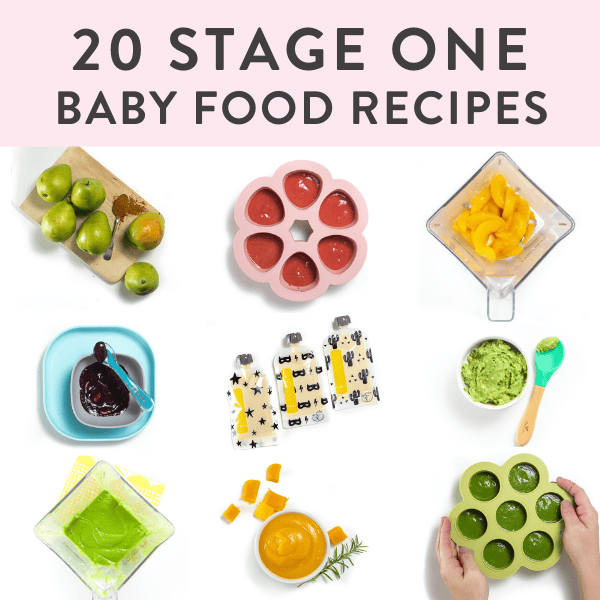
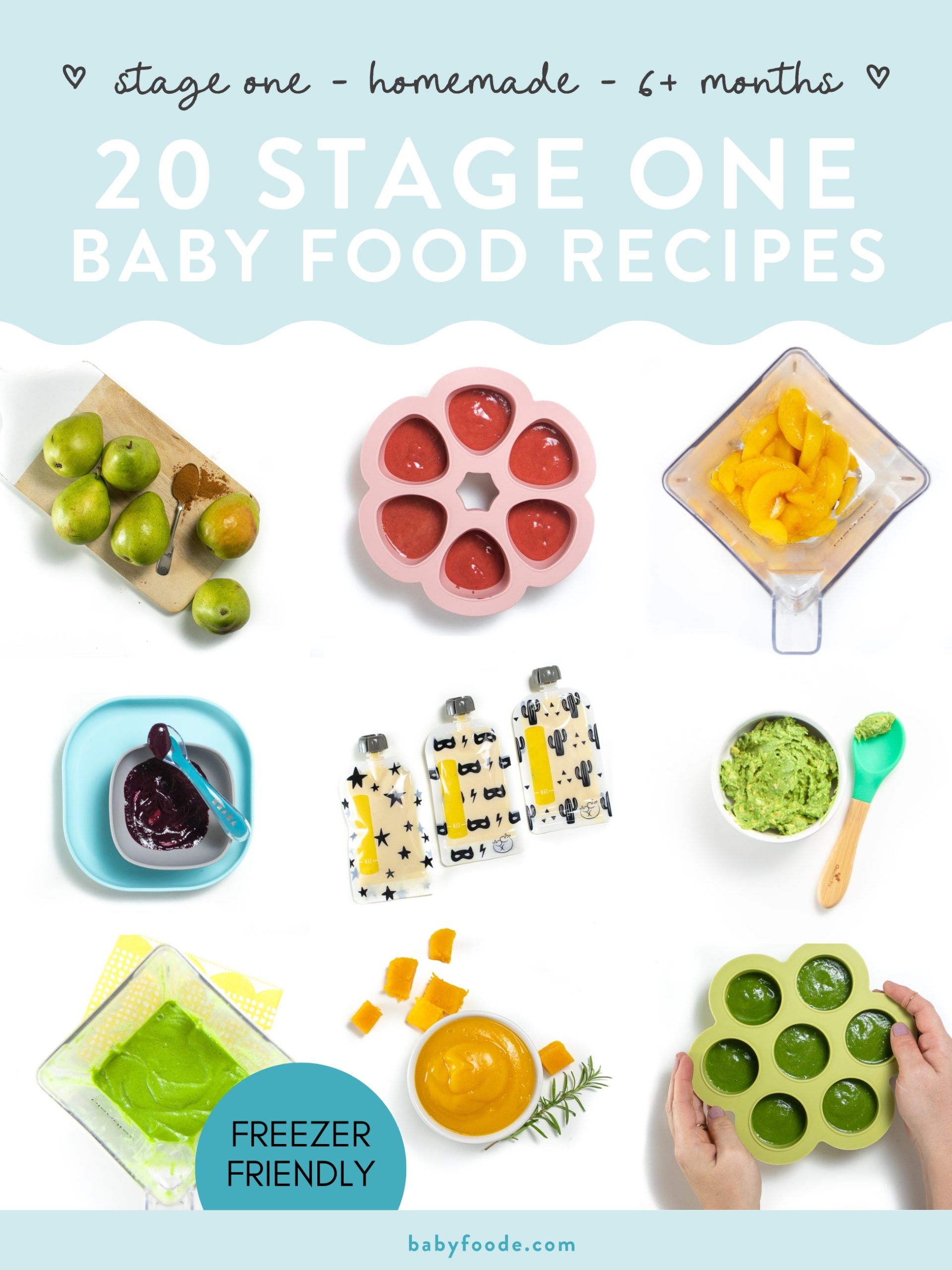
Credit: babyfoode.com
Simple Recipes For Beginners
Making homemade baby food can feel overwhelming for new parents. But it doesn’t have to be. With simple recipes and a step-by-step guide, you can prepare nutritious meals for your baby. These beginner-friendly options are quick, easy, and full of natural goodness. Let’s dive into some easy recipes to get you started.
1. Simple Mashed Banana
Bananas are a great first food for babies. They are soft, sweet, and full of nutrients.
- Peel a ripe banana and place it in a bowl.
- Mash it with a fork until smooth.
- Add a little water or breast milk for a thinner texture.
Serve immediately to preserve freshness. Always check for lumps before feeding.
2. Steamed Carrot Puree
Carrots are rich in vitamins and have a naturally sweet flavor.
- Peel and chop two fresh carrots into small pieces.
- Steam them until soft, about 10-15 minutes.
- Blend the carrots in a blender or food processor.
- Add water or breast milk to achieve the desired consistency.
Let it cool before serving to your baby.
3. Creamy Avocado Mash
Avocados are creamy, nutrient-packed, and perfect for growing babies.
- Cut a ripe avocado in half and remove the seed.
- Scoop out the green flesh using a spoon.
- Mash it with a fork until smooth.
- Mix with a little breast milk for a creamier texture.
Serve fresh for the best taste and nutrition.
4. Apple Puree
Apples are gentle on the tummy and naturally sweet.
- Peel and chop one apple into small cubes.
- Boil or steam the apple pieces until soft.
- Blend into a smooth puree using a blender.
- Add water or breast milk to adjust thickness.
Cool the puree before serving to your little one.
5. Sweet Potato Puree
Sweet potatoes are a favorite first food due to their soft texture.
- Wash, peel, and dice a small sweet potato.
- Steam or boil until tender, about 10-15 minutes.
- Blend into a smooth puree with a blender.
- Add water or breast milk to thin it as needed.
Sweet potato puree freezes well for future meals.
Storage And Safety Tips
Preparing homemade baby food is rewarding and cost-effective. Proper storage is essential to keep the food fresh and safe. Following safety guidelines also ensures your baby gets the healthiest meals possible.
Below are step-by-step tips on storing and handling baby food safely.
Store Baby Food In Airtight Containers
Use containers with tight-fitting lids to prevent contamination. Glass jars or BPA-free plastic containers work best for freshness. Label each container with the name of the food and preparation date.
Refrigerate Within Two Hours
Place freshly made baby food in the fridge within two hours. This prevents harmful bacteria from growing. Keep the refrigerator temperature below 40°F (4°C).
Freeze For Longer Storage
Freeze baby food in ice cube trays for easy portioning. Transfer frozen cubes into freezer-safe bags or containers. Use frozen baby food within three months for optimal quality.
Thaw Safely
Thaw frozen baby food in the refrigerator or under cold water. Avoid leaving it at room temperature for too long. Never refreeze thawed baby food.
Discard Leftovers
Throw away any leftover food your baby didn’t eat. Saliva from the spoon can cause bacteria to grow. Always offer fresh portions for each meal.
Clean Containers Thoroughly
Wash storage containers with warm, soapy water before reuse. Sterilize containers occasionally to kill lingering bacteria. Dry completely before refilling.
Check For Signs Of Spoilage
Inspect food for changes in color, smell, or texture before serving. Spoiled food can cause illness. If unsure, discard the food immediately.
Creative Flavor Combinations
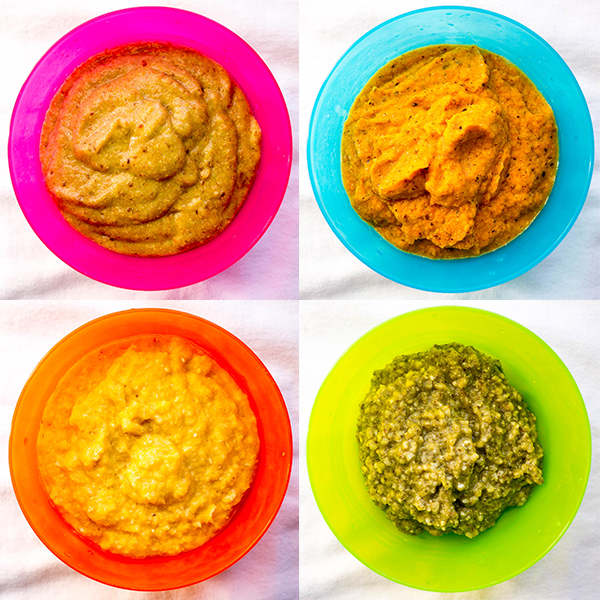
Getting creative with baby food flavor combinations can make mealtime fun and nutritious for your little one. Babies are more open to trying new tastes than we often realize, so why not mix things up? By combining different ingredients, you can introduce your baby to a world of flavors and textures that encourage healthy eating habits from the start.
1. Sweet Meets Savory: Apple and Sweet PotatoPairing fruits and vegetables is a great way to create balanced meals for your baby. Apple and sweet potato is a perfect example of a sweet and savory combo that’s both delicious and nutrient-packed.
Steam a peeled and diced apple along with sweet potato chunks until they’re tender. Blend them together with a splash of water or breast milk for a creamy consistency. The natural sweetness of the apple complements the earthy flavor of sweet potato, making it a hit with babies.
2. Earthy and Mild: Spinach and PearSpinach might sound like a bold choice, but its mild flavor blends beautifully with the natural sweetness of pear. This combo is rich in iron, fiber, and vitamin C, offering a nutritious boost for your growing baby.
Steam fresh spinach leaves with peeled pear slices until softened. Blend the mixture until smooth, adding a little liquid if needed. You’ll be surprised how much your baby loves this bright green puree!
3. Creamy and Comforting: Banana and AvocadoIf you’re looking for a no-cook option, banana and avocado is a lifesaver. This creamy duo is loaded with healthy fats, potassium, and natural sweetness.
Simply mash half a ripe avocado with half a banana until smooth. This combo is perfect for busy days and works well as a quick snack or meal.
4. Bright and Citrusy: Carrot and OrangeCarrots are naturally sweet, but adding a splash of orange juice takes their flavor to the next level. This pairing offers a boost of vitamin A and vitamin C, which are great for your baby’s immune system.
Steam chopped carrots until soft, then blend them with freshly squeezed orange juice. Adjust the juice quantity to get the texture your baby prefers. This vibrant puree is as tasty as it is colorful!
5. A Touch of Spice: Pumpkin and CinnamonIntroducing tiny amounts of mild spices like cinnamon can awaken your baby’s taste buds. Pumpkin and cinnamon create a warm, comforting puree that’s perfect for cooler days.
Roast or steam pumpkin chunks until soft, then blend with a pinch of cinnamon and a little water or breast milk. Be sure to keep the spice subtle—it’s all about introducing flavors gently.
Experimenting with these combinations not only expands your baby’s palate but also makes mealtime more enjoyable for you. Have you tried any of these combos yet, or do you have a favorite mix of your own? Share your experiences in the comments—we’d love to hear what works for your little one!
Credit: www.kitschencat.com
Frequently Asked Questions
What Is The Best Way To Make Baby Food?
The best way to make baby food is by steaming fruits or vegetables, blending them into a smooth puree, and serving fresh.
When Can I Introduce Homemade Baby Food?
You can introduce homemade baby food around six months, once your baby shows readiness for solid foods.
How Do I Store Homemade Baby Food Safely?
Store homemade baby food in airtight containers in the fridge for 2-3 days or freeze for up to one month.
Can I Use Frozen Fruits For Baby Food Recipes?
Yes, you can use frozen fruits. Ensure they are thawed and steamed before blending for safety and better texture.
Conclusion
Creating homemade baby food can feel rewarding and simple. With these step-by-step recipes, you ensure fresh, nutritious meals for your little one. Preparing food at home also helps you control ingredients and flavors. This makes it easier to suit your baby’s unique needs.
Plus, it’s budget-friendly and encourages healthier eating habits early on. Start small, experiment with flavors, and enjoy the process. Every effort you make today supports your baby’s growth and health. So, grab your ingredients and get cooking. Your baby will thank you with every happy bite!