Why Won’t My Baby Eat Baby Food? Here’s What You Need to Know You’ve carefully prepared the perfect bowl of baby food, only to have your little one turn away, fuss, or flat-out refuse to eat it.
Sound familiar? You’re not alone. Watching your baby reject food can be frustrating, confusing, and even a little worrying. As a parent, you just want to make sure your baby is healthy and happy, but when mealtime feels like a battle, it’s easy to feel overwhelmed.
Why won’t your baby eat baby food? Is something wrong? Are you doing something incorrectly? Take a deep breath—you’re in the right place. In this post, we’ll uncover the common reasons why babies refuse baby food, how to figure out what’s going on with your little one, and what you can do to make mealtimes a smoother, more enjoyable experience. Stick with us because by the end of this, you’ll feel more confident and less stressed about feeding your baby. Let’s dive in!
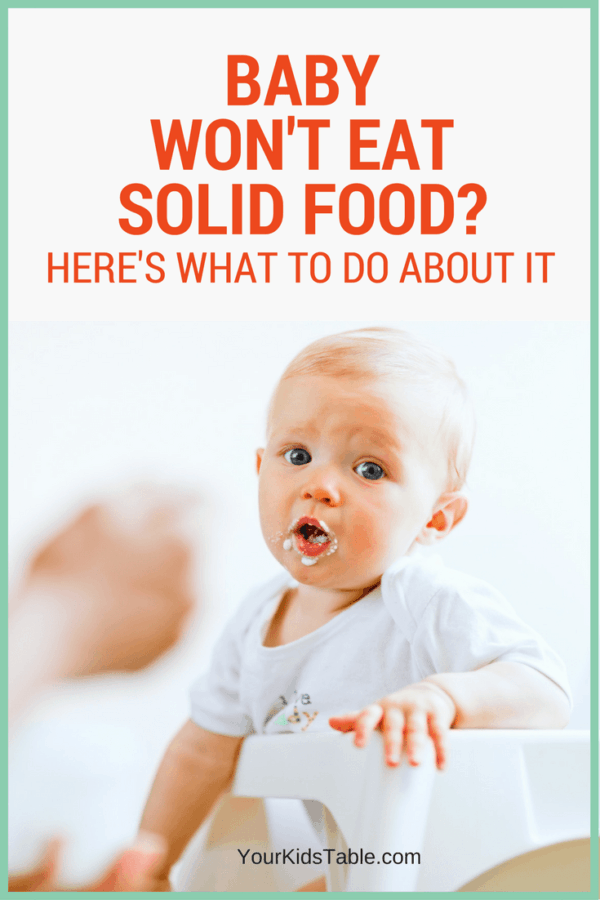
Credit: yourkidstable.com
Common Reasons For Refusing Baby Food
Babies may refuse food due to texture or taste preferences, teething discomfort, or feeling full. Hunger patterns and developmental changes can also affect eating habits. Understanding these factors helps address concerns and support healthy feeding routines.
Babies refusing baby food can be frustrating for parents. Understanding the reasons behind this behavior can make feeding easier. It’s important to recognize that every baby is different. Their feeding preferences and habits may change as they grow. Below are some common reasons your baby might reject baby food.1. Teething Discomfort
Teething can make your baby’s gums sore and sensitive. This pain may cause them to avoid eating solid foods. They might prefer softer textures or cold items to soothe their gums.2. Texture Sensitivity
Some babies dislike certain food textures. They might find purees too smooth or lumpy foods unpleasant. Experimenting with different textures can help identify their preferences.3. Taste Preferences
Babies are still developing their taste buds. They might reject unfamiliar flavors or foods with strong tastes. Gradual exposure to new foods can help them adjust over time.4. Feeling Full
Your baby may not be hungry enough to eat. Overfeeding with milk or snacks can reduce their appetite for solids. Monitor their feeding schedule to ensure proper balance.5. Illness Or Fatigue
If your baby feels unwell or overtired, they might refuse food. Common illnesses like colds can reduce appetite. Ensure they’re rested and feeling better before offering meals.6. Developmental Readiness
Some babies may not be ready for baby food yet. They may still prefer breastfeeding or formula. Watch for signs like interest in food or ability to sit upright.7. Distraction During Mealtime
A noisy or busy environment can make it hard for babies to focus. They might refuse food because they’re overstimulated. Create a calm setting for feeding to reduce distractions.8. Negative Associations
A bad experience, like gagging, might cause your baby to avoid food. Be patient and offer food in a positive, stress-free way.9. Picky Eating Phase
Some babies go through phases of picky eating. This is often temporary and part of normal growth. Keep offering healthy options without forcing them to eat.10. Food Allergies Or Intolerances
Discomfort from certain foods might make your baby refuse them. Watch for signs like rashes, vomiting, or diarrhea. Consult a pediatrician if you suspect allergies. `Recognizing Signs Of Hunger Or Fullness
Understanding your baby’s hunger and fullness cues can make mealtime easier. Babies communicate their needs through body language, sounds, and behavior. Learning these signs helps you know if your baby is ready to eat or has had enough. Paying attention to their cues can also prevent frustration during feeding times.
Signs Your Baby Is Hungry
Babies often show clear signs when they are hungry. Watching for these cues can help you offer food at the right time.
- Your baby opens their mouth when food is near.
- They lean forward or reach toward the spoon or food.
- Your baby smacks their lips or makes sucking motions.
- Crying or fussing may indicate hunger, especially if paired with other signs.
Responding early to hunger cues can make feeding more enjoyable. It also helps your baby associate food with positive experiences.
Signs Your Baby Is Full
Babies also signal when they have eaten enough. Recognizing these signs avoids overfeeding and ensures your baby stays comfortable.
- Your baby turns their head away from the food.
- They push the spoon away or close their mouth tightly.
- Your baby becomes distracted or starts playing instead of eating.
- Spitting out food can be a sign they are done eating.
Respecting fullness cues helps your baby develop healthy eating habits. It also reduces the chances of food refusal during future meals.
Why It Matters
Recognizing hunger and fullness cues builds trust with your baby. It helps you create a routine where they feel understood and supported. Over time, this can improve their willingness to try new foods and enjoy mealtime.
Creating A Calm Feeding Environment
Feeding your baby can feel stressful when they refuse to eat baby food. But have you considered the atmosphere during mealtime? A calm feeding environment might be the missing piece to encourage your little one to eat. Let’s dive into simple, actionable steps to create a space where your baby feels relaxed and ready to explore food.
Minimize Distractions
Babies are naturally curious. A TV blaring in the background or siblings running around can easily divert their attention. Try turning off screens, keeping toys out of reach, and creating a quiet space for meals.
Position your baby where they can focus on their food. A highchair in a low-traffic part of the room works wonders. This helps your baby understand that mealtime is about eating, not playtime.
Stick To A Routine
Does your baby know when to expect meals? Predictability can make them feel secure and ready to eat. Serve meals at the same time each day to create consistency.
Establishing a pre-meal ritual, like washing hands or singing a short song, signals to your baby that it’s time to eat. Over time, this routine helps prepare their mind and body for food.
Set The Right Tone
Your mood matters more than you think. Babies are incredibly perceptive and can pick up on stress. If you’re anxious about how much they eat, they might feel pressured and resist altogether.
Take a deep breath before mealtime. Smile, relax, and focus on enjoying the moment. Your calm energy reassures your baby that eating is a positive experience, not something to be nervous about.
Keep Mealtime Short And Sweet
Babies have short attention spans. Prolonged mealtimes can lead to frustration for both of you. Aim to keep feeding sessions between 15 and 30 minutes.
If your baby isn’t interested after that, don’t force it. Offer food again later when they might be more receptive. Keeping things brief can help maintain a positive association with eating.
Engage Without Overwhelming
Interaction is key, but balance is crucial. Talking to your baby or mimicking eating sounds can make the experience fun. But too much excitement might overstimulate them.
Try simple encouragement like, “Yum, this carrot is so tasty!” or make gentle eye contact while they eat. Let them lead the pace without feeling rushed or overly guided.
How does your feeding environment currently feel? A few small tweaks could make a big difference in helping your baby enjoy baby food. Every baby is different, so experiment with these tips and see what works best for you and your little one.

Credit: mylittleeater.com
Exploring Texture And Flavor Preferences
Have you ever sat with a spoonful of baby food, only to find your little one clamping their mouth shut and turning away? It can be frustrating and worrisome, but the issue might not be about hunger—it could be about texture and flavor preferences. Babies are tiny humans with their own quirks, and understanding their likes and dislikes can make mealtime less stressful for both of you.
Understanding How Texture Impacts Your Baby’s Eating
Babies can be surprisingly picky about textures. Some might love smooth, creamy purees, while others find them boring or strange. On the other hand, chunkier foods might make some babies gag if they’re not ready for them yet.
Pay attention to how your baby reacts when you offer different textures. If they spit out smooth purees, try something with a bit more substance, like mashed bananas or soft, lumpy oatmeal. If they gag on anything remotely chunky, stick with smooth textures for now and reintroduce chunks slowly over time.
Does Your Baby Have A Preference For Strong Or Mild Flavors?
Babies’ taste buds are more sensitive than ours, so even mild flavors can feel intense to them. Some babies prefer plain, single-ingredient options like plain carrots or sweet potatoes. Others are more adventurous and enjoy bold flavors like cinnamon or mild spices.
Try experimenting with natural flavors to see what sparks your baby’s interest. For example, instead of plain apple puree, mix in a tiny pinch of cinnamon. If they seem overwhelmed by combinations, go back to basics with single foods.
Signs Your Baby Might Be Overwhelmed By New Foods
Babies communicate their discomfort in subtle ways. If your baby grimaces, turns their head, or pushes the food away, they might not be ready for that particular flavor or texture. Watch their body language closely—sometimes, it’s not about rejecting food entirely but needing a gentler introduction.
Offer small amounts of the new food alongside something they already enjoy. For example, pair a new vegetable puree with a familiar fruit puree. This lets them explore without feeling pressured.
Practical Tips To Help Your Baby Adjust
- Start with textures closest to milk or formula, like smooth purees.
- Gradually thicken the texture every few weeks as they adjust.
- Add natural flavors like a dash of cinnamon or a touch of lemon juice to enhance taste.
- Mix new foods with familiar ones to make them less intimidating.
- Be patient—some babies need multiple tries before accepting something new.
It’s easy to feel discouraged when your baby refuses to eat, but their preferences are part of their growing personality. Keep experimenting and stay flexible. What they refuse today might become their favorite tomorrow!
When To Introduce Finger Foods
Parents often wonder about the right time to introduce finger foods. These small, easy-to-hold pieces can help your baby explore textures and tastes. Transitioning from purees to finger foods is an exciting milestone.
Babies learn to eat through practice and curiosity. Finger foods encourage self-feeding and develop hand-eye coordination. They also help babies gain independence during mealtime.
It’s important to know the right age to start. Giving finger foods too early can overwhelm a baby’s developing skills. Waiting too long might delay their progress.
How To Know Your Baby Is Ready
Babies usually show signs of readiness around 8 to 10 months. Watch for specific cues like picking up objects with their fingers. This is called the pincer grasp and is a key indicator.
Check if your baby sits up without support. Sitting upright helps prevent choking while eating. Babies who show interest in your food may also be ready for finger foods.
Choosing Safe Finger Foods
Start with soft, bite-sized pieces that are easy to chew. Cooked vegetables like carrots or sweet potatoes work well. Fresh fruits like bananas or avocados are great choices.
Avoid foods that are hard, sticky, or small enough to choke on. Grapes, nuts, and raw carrots should be avoided until your baby is older. Always supervise during mealtime.
Encouraging Your Baby To Explore
Allow your baby to touch and play with their food. This helps them get comfortable with new textures. Babies learn by exploring, so messy eating is part of the process.
Offer a variety of foods to keep their interest. Try different colors, textures, and flavors. This can make mealtime fun and engaging.
Remember to be patient during this transition. Babies need time to adapt to new ways of eating.
Seeking Professional Advice For Feeding Challenges
Feeding challenges can leave parents worried and searching for answers. Babies may refuse baby food due to texture preferences or developmental stages. Consulting a pediatrician or feeding specialist helps uncover reasons and provides tailored strategies to make mealtime easier.
Feeding challenges with babies can be frustrating and emotionally draining. Sometimes, no matter your efforts, your baby may refuse to eat baby food. This can leave you confused and worried about their nutrition. In such cases, seeking expert guidance can help. Professionals can identify the root cause and offer solutions tailored to your baby’s needs. Understanding why your baby refuses food is essential. It could be a sensory issue, medical condition, or developmental phase. A professional can help assess the situation and provide clarity. Below are some areas where expert advice can make a difference.Understanding The Role Of A Pediatrician
A pediatrician is often the first expert to consult. They can check for medical reasons like allergies or digestive issues. They may also evaluate your baby’s overall health and growth progress. Their advice can help you understand whether the refusal is temporary or needs intervention.Consulting A Pediatric Nutritionist
A pediatric nutritionist specializes in baby and toddler diets. They can guide you on proper food choices and textures. They may suggest strategies to introduce new foods more effectively. Their expertise can help create a balanced feeding plan for your baby.Seeking Help From A Feeding Therapist
Feeding therapists work with babies who have eating difficulties. They focus on sensory, motor, and behavioral aspects of feeding. They can teach techniques to make eating more comfortable for your baby. Therapy sessions may involve exercises to improve chewing or swallowing.Exploring Food Sensitivities With An Allergist
An allergist can help identify potential food allergies or sensitivities. This is essential if your baby reacts negatively to certain foods. Testing can provide clarity and help you avoid triggers. The allergist may also recommend alternative food options.Connecting With Support Groups
Parent support groups can be a valuable resource. Other parents often share their experiences and tips. Hearing similar challenges can make you feel less alone. Professionals sometimes collaborate with these groups to provide additional guidance.Working Together For A Solution
Collaborating with professionals allows you to address feeding challenges effectively. They can provide tailored advice based on your baby’s unique needs. Early intervention can improve feeding habits and overall development. `.webp)
Credit: www.smartsleepcoach.com
Frequently Asked Questions
What To Do When Your Baby Won’t Eat Baby Food?
Offer finger foods or mashed versions of what you eat. Create a calm eating environment. Avoid forcing them to eat. Experiment with different textures and flavors. Consult a pediatrician if the issue persists.
Is It Normal For A 7 Month Old To Not Want Baby Food?
Yes, it is normal. Some 7-month-olds may prefer breastmilk or formula over baby food. Offer different textures and flavors patiently.
What To Do If Baby Hates Purees?
Try offering soft finger foods like steamed veggies or mashed fruits. Let the baby self-feed to explore textures. Consider mixing purees with small chunks for variety. Be patient and avoid pressuring them. Offer meals when they’re calm and hungry. Always supervise during feeding to ensure safety.
Is It Normal For A 9 Month Old To Not Eat Solids When Teething?
Yes, it is normal. Teething can cause discomfort, reducing appetite for solids. Offer soft foods and prioritize breastfeeding or formula.
Conclusion
Understanding why your baby won’t eat baby food can feel challenging. Every baby is different, and preferences can change quickly. Be patient and keep offering a variety of options. Watch for signs of hunger, fullness, or discomfort. Small adjustments, like changing textures or flavors, might help.
Trust your instincts and stay calm during mealtimes. If concerns persist, consult your pediatrician for guidance. Building healthy eating habits takes time and consistency. Your baby will eventually find what works best. Celebrate small progress and continue exploring together. Remember, this phase is temporary and part of your baby’s growth journey.