Why is Nutrition Important for Infants and Toddlers? As a parent or caregiver, you want the best for your little one.
You want them to grow strong, stay healthy, and reach every milestone with ease. But did you know that what you feed your infant or toddler plays a massive role in shaping their future? The early years are a critical time for your child’s brain development, immune system, and overall growth.
The right nutrition doesn’t just fill their tiny tummies—it builds the foundation for their lifelong health and well-being. If you’ve ever wondered why nutrition matters so much during these early years or felt unsure about what your child really needs, you’re not alone. This article will break it all down for you in simple, clear terms. By the end, you’ll have a better understanding of how to give your little one the best possible start in life. Ready to learn how the right nutrition can make a world of difference for your baby or toddler? Let’s get started!
Early Growth And Development
Nutrition plays a vital role during the early years of life. Infants and toddlers grow rapidly, both physically and mentally. Proper nutrition ensures they develop strong bodies and sharp minds. The first few years are critical for laying a foundation for lifelong health. Nutrients provide the building blocks for muscles, bones, and brain cells. A nutrient-rich diet supports their energy needs and helps them thrive. Without it, growth and development may slow down or face challenges.
Physical Growth And Bone Development
Infants and toddlers experience rapid physical changes. Their bones grow quickly, requiring calcium and vitamin D. These nutrients help strengthen their skeletal system. Protein is essential for muscle growth and tissue repair. Iron supports blood health and prevents fatigue. A balanced diet ensures their bodies grow as they should.
Brain Development And Cognitive Skills
The brain develops most during the first three years. Nutrients like omega-3 fatty acids fuel this growth. Iron supports oxygen delivery to brain cells. Zinc and iodine aid cognitive function and learning. A healthy diet boosts memory, focus, and problem-solving skills. Proper nutrition helps children explore and understand their surroundings.
Immune System Strengthening
A strong immune system protects against infections and illnesses. Vitamins A and C boost immunity and fight off germs. Breast milk provides antibodies and essential nutrients for infants. Zinc helps the body heal wounds and resist infections. Proper nutrition keeps toddlers active, healthy, and ready to learn.
Healthy Weight Management
A balanced diet prevents undernutrition and excess weight gain. Healthy fats provide energy without harmful effects. Fiber aids digestion and prevents constipation. A well-fed child maintains a healthy weight and avoids future health problems. Good eating habits start early and last a lifetime.
Emotional And Social Development
Nutrition impacts emotional well-being in young children. Deficiencies can lead to irritability and mood swings. Omega-3 and B vitamins support emotional balance. Well-fed children are more energetic and social. They feel confident exploring and interacting with others.

Credit: www.cdc.gov
Building A Strong Immune System
Nutrition plays a vital role in shaping your child’s immune system. Infants and toddlers rely on a well-functioning immune system to fight off illnesses and grow healthy. What you feed them today can directly impact their ability to stay strong and resilient tomorrow.
Why Does Nutrition Matter For Immunity?
The immune system is like a protective shield for your child. But it’s not something they’re born with fully developed—it grows and strengthens over time. Providing the right nutrients during infancy and toddlerhood helps build that shield, ensuring your child can handle everyday germs and infections.
Think of vitamins like A, C, and E, along with zinc and iron—they’re the building blocks of immunity. Foods like carrots, oranges, spinach, and eggs are packed with these nutrients. Including them in your child’s meals will boost their defenses against sickness.
What Happens When Nutrition Falls Short?
If your child isn’t getting the right nutrients, their immune system can struggle to keep up. This might lead to frequent colds, infections, or feeling tired all the time. No parent wants that for their little one, right?
Skipping balanced meals or relying too much on processed snacks can leave gaps in your child’s diet. These gaps can make it harder for their body to fight off bacteria or viruses. A strong immune system needs consistent support, not quick fixes.
How Can You Help Build Immunity Through Food?
Simple changes in your child’s diet can make a big difference. Offer colorful fruits and vegetables during meals or snacks. A bowl of mashed sweet potato or a handful of berries can go a long way in supplying essential nutrients.
Don’t forget protein-rich foods like chicken, lentils, or tofu. Proteins support the production of antibodies, which are like the body’s internal warriors fighting against disease. Make sure these foods are part of their weekly diet.
Are Homemade Meals Better Than Store-bought Options?
Homemade meals give you control over what goes into your child’s plate. You can ensure there’s less sugar, salt, and unhealthy fats while focusing on fresh, nutrient-rich ingredients. Imagine making a veggie-packed soup or a whole-grain porridge—it’s easier than it sounds!
Store-bought meals often contain preservatives or additives, which aren’t ideal for a developing immune system. But if you’re short on time, choose options labeled as organic or natural, and always check the ingredient list.
What About Hydration?
Water is just as important as food when it comes to immunity. Staying hydrated helps the body flush out toxins and keeps the immune system functioning smoothly. Offer your child water throughout the day and limit sugary drinks like juices or sodas.
Try creative ways to encourage hydration—use a fun sippy cup or add slices of fruit to their water for a hint of flavor. Every sip counts toward their health!
Building a strong immune system for your infant or toddler doesn’t have to be complicated. Start small, stay consistent, and focus on whole, nutritious foods. As you make these changes, you’re helping your child grow healthier and stronger, one bite at a time.
Brain Development And Cognitive Function
Your baby’s brain is growing at an incredible rate during the first few years of life. Did you know that by age three, a child’s brain reaches about 80% of its adult size? Nutrition plays a direct role in shaping how well the brain develops and functions, influencing everything from learning abilities to memory.
As a parent, your choices today can impact your child’s mental sharpness for years to come. Let’s dive into why proper nutrition is key to nurturing their growing mind.
1. The Role Of Healthy Fats In Brain Growth
Fats often get a bad reputation, but not all fats are the same. For infants and toddlers, healthy fats like omega-3 fatty acids are essential. They support the development of the brain’s structure and function.
Foods like salmon, chia seeds, and walnuts are excellent sources. Breast milk is also rich in these fats, making it a goldmine of brain-boosting nutrients for babies. Missing out on these fats can slow brain development, so make sure they’re part of your child’s diet.
2. Why Iron Matters For Cognitive Skills
Iron is critical for carrying oxygen to the brain. Without enough iron, your child may feel tired, have trouble focusing, or struggle to learn new skills. Iron-rich foods like spinach, beans, and fortified cereals can help fuel their mind.
If you’re breastfeeding, your pediatrician might recommend iron supplements after six months. For toddlers, pair iron-rich foods with vitamin C (like oranges) to help their body absorb it better. It’s a small change that can make a big difference.
3. How Protein Fuels Brain Communication
Proteins are the building blocks of life, and your child’s brain needs them to grow and communicate effectively. Amino acids from protein-rich foods help create neurotransmitters, which send signals in the brain.
Eggs, yogurt, chicken, and beans are toddler-friendly options. A protein-packed breakfast can set the tone for a day of curiosity and learning. Imagine how much more your child could absorb during playtime with the right start!
4. The Power Of Vitamins And Minerals
Think of vitamins and minerals as the brain’s toolkit. Vitamin D supports brain cell growth, while zinc aids memory and attention span. B vitamins help with energy production, keeping your child alert and ready to explore the world.
Sun exposure provides vitamin D, while foods like bananas and sweet potatoes are rich in these nutrients. Keep meals colorful—each hue often represents a different vitamin or mineral. A rainbow plate isn’t just pretty; it’s powerful for your toddler’s brain.
5. Hydration: The Overlooked Key To Focus
Water is often forgotten in conversations about nutrition, but it’s vital for brain function. Dehydration can lead to fatigue, irritability, and trouble concentrating. Even mild dehydration can affect your child’s ability to learn and remember.
Offer water regularly throughout the day, especially during play or after meals. If your toddler resists plain water, try adding a splash of fresh fruit juice for natural flavor. Keeping them hydrated is one of the easiest ways to support their growing brain.
So, what changes can you make today to boost your child’s brain development? Start small—add a new veggie, offer water more often, or include a serving of fish in your weekly meals. Your little one’s brain is counting on you.
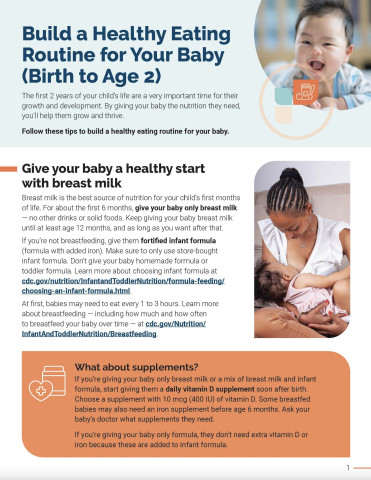
Credit: www.myplate.gov
Establishing Healthy Eating Habits
Nutrition plays a vital role in the early years of life. Infants and toddlers grow quickly, and their bodies need proper nutrients to thrive. Teaching healthy eating habits during this stage helps set the foundation for lifelong wellness. Early exposure to nutritious foods shapes their food preferences and encourages balanced eating patterns.
Establishing these habits early also reduces the risk of future health problems. It supports physical and mental development, ensuring children meet their milestones. Parents and caregivers play a key role in guiding these habits. Simple, consistent practices can make a big difference in shaping their eating behaviors.
Introducing A Variety Of Foods
Offering a wide range of foods helps children explore different tastes. It encourages them to accept diverse flavors and textures. Start with small portions of fruits, vegetables, grains, and proteins. A varied diet ensures they receive essential nutrients for growth and energy.
Repeated exposure to healthy foods increases acceptance over time. Children may reject certain foods initially, but patience is key. Avoid pressuring them to eat. Instead, keep offering those foods in a positive and relaxed environment.
Creating A Positive Mealtime Environment
A calm and happy setting makes mealtimes enjoyable for children. Avoid distractions like screens or loud noises during meals. Sit together as a family to model healthy eating behaviors. Children learn by observing the eating habits of those around them.
Encourage them to eat at their own pace. Avoid rushing or forcing them to finish their plate. This builds a healthy relationship with food and prevents overeating.
Encouraging Self-feeding
Allowing toddlers to self-feed promotes independence and fine motor skills. Provide safe, bite-sized pieces of food they can grasp easily. Use utensils designed for small hands to make eating easier. Messy eating is normal and part of their learning process.
Self-feeding also helps children recognize hunger and fullness cues. This fosters mindful eating habits from a young age.
Limiting Sugary And Processed Foods
Too much sugar can affect their energy levels and dental health. Replace sugary snacks with fresh fruits or whole-grain options. Avoid offering processed foods high in salt, sugar, or unhealthy fats. These foods lack the nutrients children need for proper growth.
Healthy alternatives help build a preference for nutritious options. Reading labels can guide you in choosing better foods.
Encouraging Hydration Through Water
Water should be the primary beverage for toddlers. It keeps them hydrated without adding unnecessary calories. Limit sugary drinks like juices or sodas. These can lead to poor eating habits and tooth decay.
Offer water throughout the day, especially during meals. This supports digestion and overall health.
Preventing Long-term Health Issues
Nutrition during the early years is critical for a child’s future health. The food infants and toddlers consume impacts their growth, immunity, and development. Proper nutrition helps lay a strong foundation for lifelong well-being. By focusing on balanced diets, parents can help prevent health issues later in life.
Reducing The Risk Of Chronic Diseases
Healthy eating habits in early childhood can lower the chance of chronic diseases. Poor nutrition often leads to conditions like diabetes, heart disease, and obesity. Providing nutrient-rich foods early helps regulate weight and blood sugar levels. It also supports a healthy metabolism as children grow.
Supporting Brain Development
Proper nutrition enhances brain development during the critical early years. Nutrients like iron, omega-3 fatty acids, and vitamins are essential for cognitive growth. A well-fed brain improves learning, memory, and problem-solving skills. Early deficiencies may lead to developmental delays and long-term challenges.
Strengthening The Immune System
Nutrition plays a key role in building a child’s immune system. Vitamins and minerals, such as vitamin C and zinc, boost immunity. A strong immune system helps fight infections and illnesses. Children with balanced diets are less likely to face frequent health issues.
Promoting Healthy Bone Growth
Nutrients like calcium and vitamin D are vital for strong bones. During infancy and toddler years, bones grow rapidly. Proper nutrition ensures bones develop correctly and remain strong. Weak bones in childhood can lead to fractures and issues later in life.
Preventing Obesity
Balanced nutrition helps regulate weight and prevents obesity from developing. Overfeeding or offering unhealthy foods may cause excessive weight gain. Childhood obesity increases the risk of heart disease and diabetes. Healthy eating habits teach children to make better food choices as they grow.
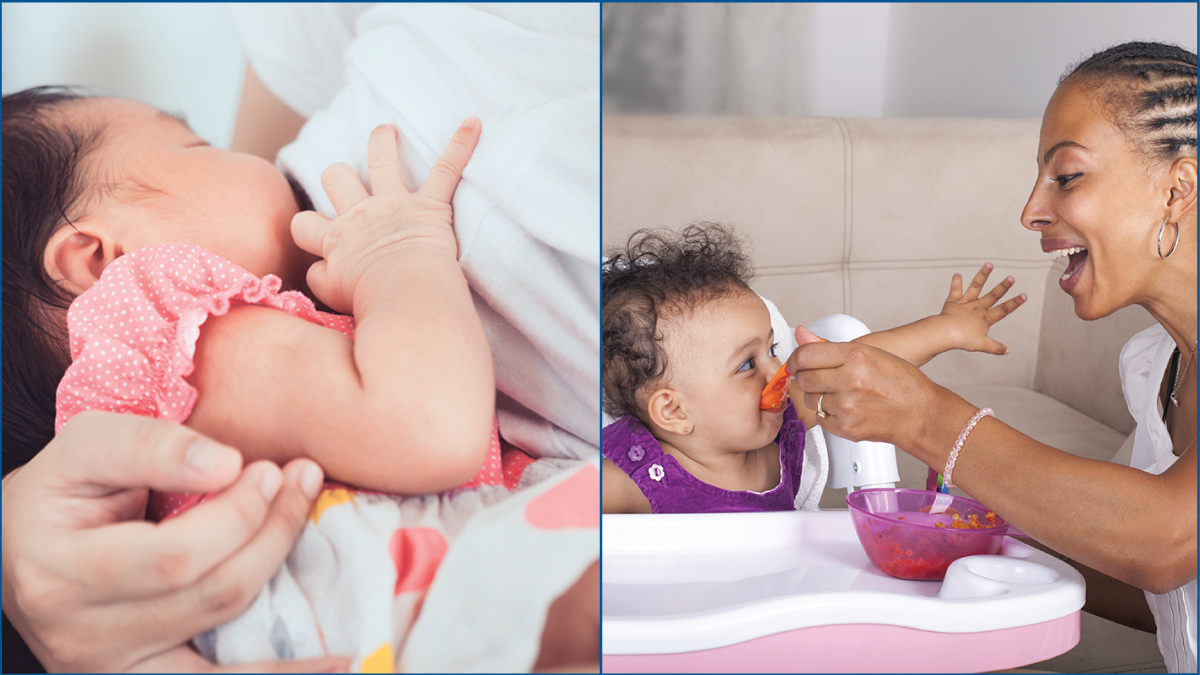
Credit: www.cdc.gov
Role Of Key Nutrients
Proper nutrition supports infants and toddlers’ growth, brain development, and immunity. Key nutrients like proteins, vitamins, and minerals are essential for building strong bodies and minds. Balanced diets ensure young children develop healthily and thrive during critical early years.
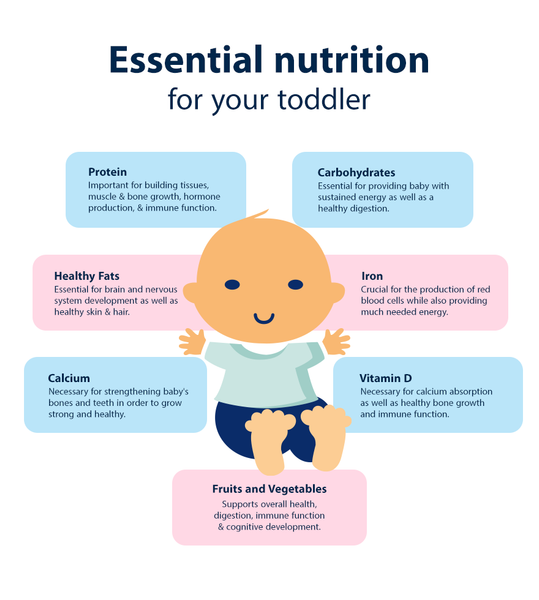
Role of Key Nutrients Nutrition is the foundation of your infant or toddler’s growth and development. The right nutrients fuel their tiny bodies and developing brains, setting the stage for lifelong health. But what exactly do these nutrients do, and why are they so vital? Let’s break it down into key areas so you can see how each nutrient plays a role in your little one’s growth journey. —1. Protein: Building Blocks For Growth
Protein is essential for building and repairing tissues, including muscles, skin, and organs. Your baby’s rapid growth means they need more protein proportionally than adults. Foods like eggs, yogurt, and pureed chicken are easy-to-digest options that pack a protein punch. Did you know that protein also supports enzyme production? These enzymes help your baby digest food and absorb nutrients effectively. —2. Healthy Fats: Fuel For The Brain
Fats are not just about calories—they’re crucial for brain development. Omega-3 fatty acids, found in foods like salmon and chia seeds, support cognitive and visual development. Breast milk or formula naturally provides these fats in the early months. As your child starts solids, consider adding mashed avocado or a drizzle of olive oil to their meals. —3. Iron: Boosting Energy And Brain Power
Iron helps carry oxygen through the blood, keeping your child energized and focused. It also supports brain development, especially during the first few years of life. Iron-rich foods like fortified cereals, pureed spinach, and lentils are great for toddlers. Pairing these with vitamin C-rich foods, like oranges or tomatoes, enhances absorption. —4. Calcium And Vitamin D: Strong Bones And Teeth
Calcium builds strong bones and teeth, while vitamin D helps your child’s body absorb it. Without enough of these, your child may face delays in physical development. Include foods like milk, cheese, and fortified plant-based alternatives in their meals. Don’t forget sunlight—a natural source of vitamin D. Just 10–15 minutes of playtime outdoors can make a difference. —5. Vitamins A, C, And E: Immunity And Skin Health
These vitamins work as a team to strengthen your toddler’s immune system and maintain healthy skin. Vitamin A supports vision, vitamin C helps repair tissues, and vitamin E protects cells from damage. Offer colorful fruits and veggies like carrots, oranges, and sweet potatoes. A quick tip: steaming vegetables can make them softer and easier for toddlers to eat. —6. Zinc: Supporting Wound Healing And Growth
Zinc plays a critical role in cell growth and immune defense. It’s also needed for wound healing, making it a powerhouse nutrient for your active little one. Foods like beans, peas, and lean meats are excellent sources of zinc. Try mashing beans into a dip or serving soft, shredded chicken to introduce variety. —7. Fiber: Gentle Digestion
Toddlers can be prone to tummy troubles, and fiber helps keep things moving smoothly. It promotes healthy digestion and prevents constipation. Whole grains, fruits like pears, and veggies like peas are fiber-rich options. Cut fruits into bite-sized pieces or blend them into smoothies for easy consumption. —8. Water: The Often Overlooked Nutrient
Hydration is just as crucial as food. Water supports digestion, regulates body temperature, and helps transport nutrients in the body. Offer small sips of water between meals once your baby starts solids. If your toddler resists, try offering water in a fun sippy cup to encourage hydration. — Every bite matters in your child’s early years. Are you ensuring their meals are packed with these essential nutrients? A balanced diet tailored to your baby’s needs today can shape their health for years to come.Frequently Asked Questions
Why Is Infant And Toddler Nutrition Important?
Infant and toddler nutrition is crucial for healthy growth, brain development, and building strong immunity during early life stages. Proper nutrition supports physical and cognitive development, laying the foundation for lifelong health. Balanced diets ensure essential nutrients, helping prevent deficiencies and fostering overall well-being during these critical developmental years.
What Are 5 Reasons Why Nutrition Is Important?
1. Nutrition boosts energy levels and supports overall health. 2. It strengthens the immune system to fight illnesses. 3. Proper nutrition promotes healthy growth and development. 4. It reduces the risk of chronic diseases like diabetes and heart issues. 5.
Good nutrition improves mental well-being and cognitive function.
What Nutrients Do Babies And Toddlers Need And Why?
Babies and toddlers need proteins for growth, healthy fats for brain development, calcium for strong bones, and iron for oxygen transport. Vitamins like A, C, D, and E support immunity, vision, and overall health. Carbohydrates provide energy, while fiber aids digestion.
Balanced nutrients ensure proper growth and development.
Why Is Nutrition So Important For Early Childhood Development?
Nutrition is vital for early childhood development as it supports brain growth, strengthens immunity, and ensures proper physical development. Balanced diets provide essential nutrients for energy, cognitive skills, and overall health. Poor nutrition can lead to developmental delays and health issues, impacting lifelong well-being.
Healthy eating habits build a strong foundation.
Conclusion
Proper nutrition builds the foundation for healthy growth in young children. It supports brain development, strong bones, and a robust immune system. Balanced meals help toddlers gain energy to explore and learn. Choosing nutrient-rich foods ensures they get essential vitamins and minerals.
Healthy eating habits developed early can last a lifetime. Parents play a key role in shaping these habits. Small, consistent efforts make a big difference in their overall well-being. Prioritize wholesome meals and snacks to nurture their growing bodies and minds.
A healthy start sets the stage for a brighter future.