What Are the Most Nutritious Foods for Babies? You want the best for your baby—especially when it comes to their health and growth.
But with so much advice out there, choosing the right foods can feel overwhelming. What if you could confidently pick foods that fuel your baby’s brain, strengthen their little body, and set the foundation for a lifetime of health? This article is here to make it simple for you.
We’ll uncover the most nutrient-packed foods that babies need during their critical early years. Whether you’re just starting solids or looking to expand your baby’s menu, the answers you’re looking for are right here. Stick with us, and you’ll gain the clarity and confidence to nourish your baby with foods they’ll love—and you’ll feel great about. Let’s dive in!

Credit: www.nestlebaby.ca
Breast Milk And Formula
Breast milk offers essential nutrients and antibodies vital for a baby’s growth and immunity. Formula provides a balanced alternative, catering to babies unable to breastfeed. Both options support healthy development during the early stages of life.
Breast milk and formula are often the first sources of nutrition for your baby, providing essential nutrients to help them grow strong and healthy. Each has its unique benefits, and understanding them can help you make the best choice for your little one. Whether you’re breastfeeding, formula-feeding, or combining both, let’s break down the specifics to help you feel confident in your decision.Why Breast Milk Is Called Liquid Gold
Breast milk is packed with nutrients tailored specifically for your baby. It contains proteins, healthy fats, vitamins, and antibodies that boost your baby’s immune system. The beauty of breast milk is that it adapts to your baby’s needs. For instance, did you know that the milk you produce when your baby is sick changes to include more infection-fighting cells? That’s nature working in your favor. If you’re breastfeeding, make sure you’re staying hydrated and eating nutrient-rich foods. What you consume directly impacts the quality of your milk—and ultimately, your baby’s nutrition.Is Formula A Good Alternative?
Absolutely. Modern formulas are designed to mimic breast milk as closely as possible. They’re fortified with iron, vitamins, and other nutrients essential for your baby’s growth. Formula also offers convenience, especially if you’re returning to work or have a busy schedule. You can prepare it in advance, and anyone—your partner, a grandparent, or a babysitter—can feed your baby. If your baby has specific needs, like allergies or digestion issues, there are specialized formulas. Talk to your pediatrician if you notice your baby reacting poorly to a standard formula.Breastfeeding And Formula: Can You Combine Both?
Yes, you can! Many parents choose to combine breastfeeding and formula feeding. This approach offers flexibility and ensures your baby is well-fed, even when breastfeeding exclusively isn’t possible. For example, you might breastfeed in the mornings and evenings while using formula during the day. This can help if you’re transitioning back to work or if your milk supply is low. If you’re combining both, establish a consistent feeding routine. Babies thrive on predictability, and it can make the transition smoother for both of you.How To Decide What’s Best For Your Baby?
Choosing between breast milk, formula, or a combination depends on your situation. Consider your lifestyle, health, and what feels sustainable for you. Ask yourself: Are you comfortable breastfeeding in public? Do you have time to pump milk if needed? Would formula feeding give you more peace of mind or flexibility? There’s no one-size-fits-all answer. What matters most is that your baby is getting the nutrients they need to thrive—and that you feel supported in your choice.
Credit: www.instagram.com
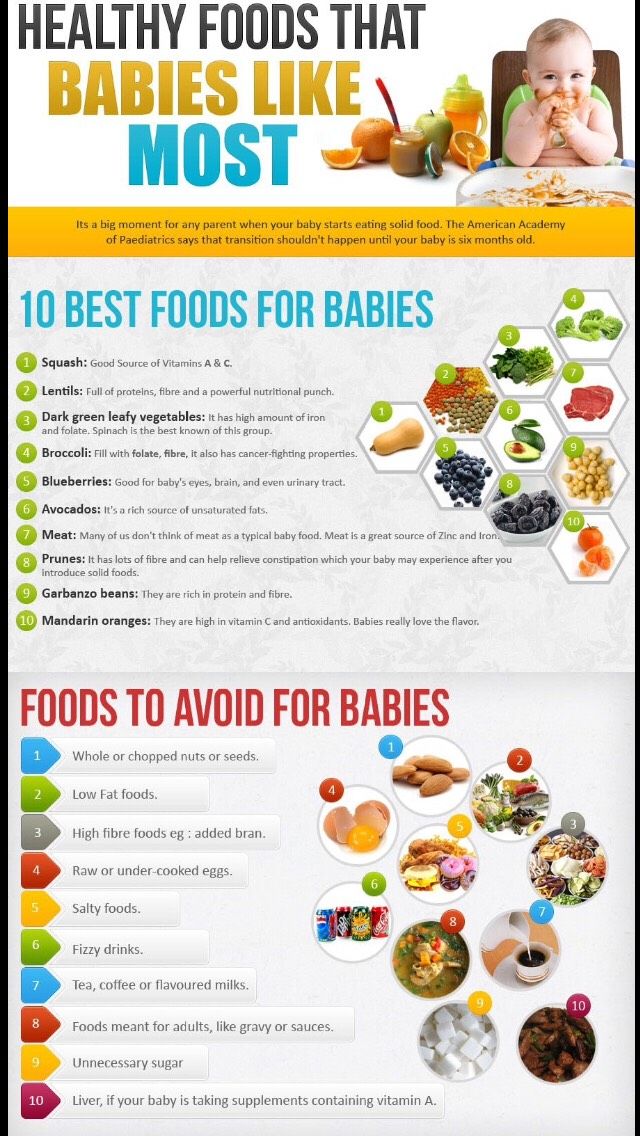
Iron-rich Foods
Iron is a crucial nutrient for your baby’s growth and development. It helps in building healthy blood cells and supports brain development. Adding iron-rich foods to your baby’s diet ensures they’re getting the fuel they need to thrive.
How Do You Know Your Baby Needs Iron?
Babies need iron starting at around 6 months, as the iron stores they were born with begin to deplete. If your baby isn’t getting enough iron, they may feel tired, have pale skin, or seem less active. Does your baby seem fussy or uninterested in eating? That could be a subtle sign too.
Introducing iron-rich foods early can help prevent iron deficiency. But what are the best options?
Top Iron-rich Foods For Babies
There’s no shortage of nutritious iron-rich options to add to your baby’s meals. Here are some ideas:
- Meats:Chicken, turkey, and lean beef are excellent sources of easily absorbed iron. Try pureeing cooked meat or serving it in small, soft pieces.
- Egg Yolks:Skip the whites and focus on the yolk, which is packed with iron. Mash it up and mix it with veggies for a nutritious combo.
- Beans and Lentils:These are great plant-based options. Puree them for younger babies or serve them as finger foods for older ones.
- Leafy Greens:Spinach and kale are loaded with iron. Blend them into soups or puree them with fruits for a balanced flavor.
Pair Iron With Vitamin C
Here’s a tip: Iron absorbs better when paired with vitamin C. If you’re serving spinach puree, add a dash of orange juice. Mixing lentils with sweet potato can also boost absorption.
Think about the combinations your baby enjoys. Could you try blending strawberries with iron-rich cereals? Experiment and watch how their appetite grows.
Start Small, Stay Consistent
Babies may not take to new foods instantly, and that’s okay. Start with small portions and keep offering iron-rich options regularly. Consistency is key to building healthy habits.
What if your baby refuses spinach today? Try again next week. Babies are unpredictable but persistent exposure helps them adapt.
Should You Worry About Iron Supplements?
In some cases, pediatricians might recommend iron supplements, especially if your baby is at risk of deficiency. Always consult your doctor before giving supplements. Food should be the primary source of nutrients whenever possible.
Are you already offering iron-rich foods to your baby? If not, what’s stopping you?
Fruits For Essential Vitamins
Fruits are a powerhouse of vitamins and minerals for babies. They are naturally sweet, easy to digest, and packed with nutrients. Including fruits in your baby’s diet supports healthy growth and development.
Many fruits are rich in fiber, helping with digestion. They also provide antioxidants, which boost your baby’s immune system. Below are some of the best fruits to include in their meals.
1. Bananas: A Great Source Of Potassium
Bananas are soft, easy to mash, and ideal for babies. They are rich in potassium, which supports muscle and heart health. Bananas also provide energy and are gentle on the stomach.
Introduce bananas as a single fruit puree or mix with other foods. They pair well with oatmeal, yogurt, or other fruits.
2. Apples: Loaded With Vitamin C
Apples are a classic choice for baby food. They contain vitamin C, which strengthens the immune system. Apples are also rich in fiber, aiding digestion and preventing constipation.
Cook and puree apples for a smooth texture or offer them grated. They can also be combined with carrots or sweet potatoes for a delicious blend.
3. Blueberries: Packed With Antioxidants
Blueberries are small but packed with nutrients. They are rich in antioxidants that protect cells and support brain development. Blueberries also contain vitamin C and vitamin K.
Blend or mash them into a puree for younger babies. Older babies can enjoy them as finger food once cut into small pieces.
4. Avocados: Full Of Healthy Fats
Avocados are creamy and nutrient-dense. They are a great source of healthy fats, which aid brain development. Avocados also contain vitamin E, potassium, and fiber.
Mash avocados and serve plain or mix with fruits like banana. Their mild flavor makes them easy for babies to enjoy.
5. Peaches: Naturally Sweet And Full Of Vitamins
Peaches are juicy, sweet, and perfect for babies. They provide vitamin A for eye health and vitamin C for immunity. Peaches also have a soft texture that’s easy to puree.
Peel, mash, or blend peaches for a smooth consistency. Combine them with apples or yogurt for a tasty treat.
Vegetables Packed With Nutrients
Introducing vegetables to your baby’s diet is an excellent choice. They are rich in essential vitamins, minerals, and fiber. Vegetables promote healthy growth and strengthen the immune system. Starting early helps babies develop a taste for wholesome foods.
Choose fresh, colorful vegetables for the most nutritional benefits. Proper preparation ensures they are easy to digest. Below are some nutrient-packed options that are perfect for your baby’s development.
Sweet Potatoes: A Natural Source Of Energy
Sweet potatoes are rich in vitamin A, which supports eye health. They also provide potassium and fiber for digestion. Their naturally sweet taste makes them a baby favorite. Steam or bake them until soft, then mash for easy feeding.
Carrots: Packed With Beta-carotene
Carrots are high in beta-carotene, which converts to vitamin A. This promotes healthy skin, vision, and immune function. They are also easy to prepare. Steam them until tender and blend into a smooth puree.
Spinach: A Powerhouse Of Iron
Spinach is loaded with iron, which aids in red blood cell production. It also contains calcium and vitamins C and K. Blanch spinach leaves and puree them for a simple, nutritious meal.
Peas: Tiny But Full Of Nutrients
Peas are small but rich in vitamins A, C, and K. They also provide protein and fiber for growing muscles and digestion. Cook peas until soft and mash or blend for a smooth texture.
Broccoli: A Crucial Source Of Vitamin C
Broccoli is an excellent source of vitamin C, promoting a strong immune system. It also contains folate, which supports brain development. Steam broccoli florets until tender and mash for easy feeding.
Butternut Squash: Rich In Antioxidants
Butternut squash is packed with antioxidants like beta-carotene. It also provides vitamin C and potassium for overall health. Roast or steam the squash, then puree into a creamy texture.
Zucchini: Gentle And Easy To Digest
Zucchini is mild in flavor and easy on a baby’s stomach. It contains vitamins A, C, and manganese. Steam zucchini slices until soft and mash for a simple meal.
Whole Grains For Energy
Whole grains are an excellent source of energy for growing babies. They provide essential nutrients like fiber, vitamins, and minerals. These grains help support healthy digestion and sustained energy throughout the day. Introducing whole grains early can promote a balanced diet and support overall development.
Why Whole Grains Matter For Babies
Whole grains are packed with nutrients that babies need to thrive. They contain complex carbohydrates, which release energy slowly. This keeps your baby energized for longer periods. Whole grains also provide iron and B vitamins, which help with brain development and immune health.
Best Whole Grains For Babies
Oats are gentle on digestion and easy to prepare. Quinoa is rich in protein and iron, making it ideal for growth. Brown rice is a great source of fiber and essential minerals. Millet is gluten-free and loaded with nutrients, perfect for sensitive tummies.
Simple Ways To Introduce Whole Grains
Start with smooth oatmeal or rice porridge for younger babies. Mix quinoa or millet with mashed vegetables for variety. As your baby grows, offer soft whole-grain bread or pasta. Keep textures suitable for their age to prevent choking.

Credit: www.instagram.com
Protein Sources For Growth
Nutritious proteins like eggs, lentils, and chicken help support healthy growth in babies. Soft-cooked beans and yogurt offer easy-to-digest options. Balanced meals with these protein-rich foods contribute to strong muscles and overall development.
Protein Sources for Growth Protein is a key building block for your baby’s growth. It helps build muscles, repair tissues, and support a healthy immune system. But which protein-rich foods are best for your little one? Let’s dive into some nutritious and baby-friendly options. —Eggs: A Simple, Versatile Option
Eggs are a powerhouse of protein, loaded with essential nutrients like choline that support brain development. You can start with soft-boiled egg yolks for babies around 6 months old. As they grow, scrambled or hard-boiled eggs make a great finger food. Are you worried about allergies? Current guidelines suggest introducing eggs early (around 6 months) to reduce the risk. Always consult your pediatrician to feel confident. —Lentils: Plant-based Protein Packed With Fiber
Lentils are small but mighty when it comes to nutrition. They’re rich in protein, iron, and fiber, making them a great choice for vegetarian or vegan families. Puree cooked lentils with a little breast milk or formula for a creamy texture that’s easy for your baby to swallow. Want to mix it up? Add a pinch of mild spices like turmeric or cumin to introduce new flavors without overwhelming your baby’s palate. —Chicken: A Lean, Easy-to-digest Meat
Chicken is a go-to protein for many families because it’s gentle on the stomach and easy to prepare. Start with finely pureed chicken mixed with sweet potatoes or carrots for added flavor. Shredded chicken works well for older babies who are ready for finger foods. To save time, prepare chicken in bulk and freeze small portions. It’s a lifesaver on busy days when you need a quick, nutritious meal for your baby. —Greek Yogurt: Creamy And Calcium-rich
Plain, full-fat Greek yogurt is a fantastic source of protein and healthy fats. It also provides calcium, which supports strong bones and teeth. Serve it plain or mix it with mashed fruits like bananas or berries for a naturally sweet treat. Skip the flavored yogurts that often contain added sugars. Your baby’s taste buds will thank you later! —Tofu: A Gentle, Plant-based Option
Tofu is another excellent protein source, especially for babies with dairy or meat sensitivities. It’s soft and easy to chew, making it ideal for little ones just starting on solids. Cut it into small cubes or mash it with a fork for a texture your baby can manage. Concerned about soy? Look for organic, non-GMO tofu and talk to your pediatrician if you have questions about soy in your baby’s diet. —Fish: A Brain-boosting Protein Source
Fish like salmon is packed with protein and omega-3 fatty acids, which are essential for brain development. Choose low-mercury options such as salmon, cod, or trout. Flake the fish into tiny pieces and mix it with mashed vegetables for a nutritious combo. Are you hesitant about introducing fish? Start with small amounts and watch for any allergic reactions. Fresh and properly cooked fish is a great addition to your baby’s diet. — Making protein-rich foods part of your baby’s meals doesn’t have to be complicated. Which of these protein sources will you try first? Remember, introducing variety early helps your baby develop a taste for different flavors and textures.Frequently Asked Questions
What Is The Most Nutritional Food For Babies?
Breast milk is the most nutritious food for babies, providing essential nutrients and antibodies. For older infants, pureed fruits, vegetables, and iron-fortified cereals are excellent choices. Include mashed proteins like lentils or chicken to support growth. Always introduce new foods gradually and consult a pediatrician for personalized advice.
What Foods Should Babies Eat Every Day?
Babies should eat a variety of nutrient-rich foods daily, including fruits, vegetables, whole grains, proteins, and healthy fats. Include iron-rich options like pureed meats or fortified cereals. Offer mashed or soft fruits, cooked veggies, and age-appropriate dairy like yogurt or cheese.
Always consult a pediatrician for personalized dietary advice.
What Is The 3 Day Rule For Baby Food?
The 3-day rule for baby food involves introducing one new food at a time for three days. This helps monitor allergic reactions or sensitivities. It ensures safe and gradual food introduction for babies. Always consult your pediatrician before starting new foods.
What Foods Are Healthy For Babies?
Healthy foods for babies include mashed fruits, pureed vegetables, breast milk, formula, soft grains, and protein-rich foods like lentils or eggs. Avoid added sugar and salt. Focus on nutrient-dense, age-appropriate options to support growth and development. Always introduce new foods gradually and consult a pediatrician for specific dietary recommendations.
Conclusion
Providing babies with nutritious foods supports their growth and overall health. Focus on fresh fruits, vegetables, whole grains, and proteins. These foods provide essential vitamins and minerals for development. Avoid processed foods high in sugar or salt. Always introduce new foods gradually to watch for allergies.
Balanced meals help build healthy eating habits early. Remember, every baby is unique and may have different needs. Consult a pediatrician for personalized advice. With the right choices, you can nurture a strong foundation for your baby’s future health.