Is It Safe to Store Baby Food in Plastic Containers? When it comes to your baby, every decision feels monumental.
You want to make sure you’re doing everything right—from choosing the best formula to picking out the safest toys. But what about storing their food? If you’re using plastic containers, have you ever wondered if they’re truly safe for your little one’s meals?
This question can leave you with a nagging sense of uncertainty. After all, your baby’s health is your top priority, and the last thing you want is to unknowingly expose them to harmful substances. But don’t worry—you’re not alone in this concern. We’re diving into the safety of plastic containers for baby food storage. We’ll uncover the truths, bust some myths, and give you the confidence to make the best choice for your child. By the end, you’ll have all the facts you need to keep your baby’s meals both fresh and safe. Ready to find out what’s really going on with plastic? Let’s get started!
Health Concerns With Plastic Storage
Plastic containers may release harmful chemicals, especially when exposed to heat. Storing baby food in plastic raises safety concerns. Opting for glass or silicone can reduce risks and ensure healthier food storage for infants.
Storing baby food safely is crucial for your child’s health. Plastic containers are a common choice for convenience and affordability. But not all plastics are made equal. Certain types may contain chemicals harmful to your baby. Understanding these risks can help you make safer choices.Potential Chemical Leaching
Some plastics release harmful chemicals into food, especially under heat. Bisphenol A (BPA) is one such substance that has raised concerns. BPA may mimic hormones and disrupt your baby’s development. Even BPA-free plastics may leach other harmful substances. Heat, scratches, or prolonged storage can increase this risk.Microplastics In Food
Plastic containers can break down over time, releasing microplastics. These tiny particles may end up in your baby’s food. The long-term health effects of microplastics are still being studied. But experts agree that avoiding them is better for overall health.Impact Of Temperature Changes
Heating food in plastic containers can be risky. High temperatures may cause plastics to release chemicals faster. Freezing plastic containers can also weaken them over time. This can increase the chances of leaching when reheating food.Non-biodegradable Waste Concerns
Plastic containers contribute to environmental pollution. While this doesn’t directly impact health, it affects the planet. Choosing safer, eco-friendly storage options benefits both your child and the environment. `Common Chemicals In Plastic
Plastic containers are convenient and affordable, but are they truly safe for storing baby food? Understanding the common chemicals found in plastic can help you make informed decisions for your little one’s health. Let’s break down what you might be exposing your baby to and whether it’s worth the risk.
Bisphenol A (bpa)
BPA is one of the most talked-about chemicals in plastics. It’s used to make the material tough and shatterproof. But studies have linked BPA to hormone disruption, particularly in young children.
Even if a container is labeled “BPA-free,” don’t assume it’s completely safe. Manufacturers sometimes replace BPA with similar chemicals like BPS, which can also be harmful. It’s worth asking: Are you willing to take that chance?
Phthalates
Phthalates are chemicals used to make plastic flexible. They’re often found in products like food wraps and storage containers.
Here’s the catch: Phthalates can leach into food, especially when exposed to heat. If you’ve ever microwaved baby food in a plastic container, you might be unintentionally adding these chemicals to your child’s meal.
Consider switching to glass or silicone alternatives that don’t carry these risks. Your baby’s developing body is more vulnerable to toxins than yours.
Polyvinyl Chloride (pvc)
Some plastic containers contain PVC, which can release harmful substances like vinyl chloride. These chemicals have been linked to cancer and other health concerns.
While PVC is less common in food storage containers, it’s still worth checking labels carefully. If a container doesn’t explicitly state it’s safe for food, it’s better to avoid it.
Styrene
Styrene is another chemical found in certain plastics. It’s primarily used in polystyrene, which can break down and migrate into food.
Styrene exposure has been associated with nervous system effects and even potential carcinogenic risks. If you’ve ever stored baby food in a foam-like container, that’s likely polystyrene.
Switching to safer materials might sound like a hassle, but it’s an easy way to reduce long-term risks for your child.
Practical Tips To Avoid These Chemicals
So, how can you minimize chemical exposure from plastic containers? Start by looking for safer alternatives. Glass, stainless steel, and silicone are excellent choices for storing baby food.
- Avoid heating food in plastic containers, even if they’re labeled microwave-safe.
- Check for certifications that confirm a container is free from harmful chemicals.
- Replace old, scratched, or damaged plastic containers—these are more likely to leach chemicals.
Your baby’s health deserves extra attention. A little effort now can save you from worrying about potential risks later.
Impact On Baby’s Health
As a parent, your top priority is keeping your baby safe and healthy. But have you ever wondered how the containers you use for storing baby food might affect your little one’s health? Storing food in plastic containers might seem convenient, but it’s important to understand the potential risks involved.
Does Plastic Leach Chemicals Into Baby Food?
Some plastic containers release harmful chemicals like BPA (bisphenol A) or phthalates, especially when exposed to heat. These chemicals can mix with baby food, particularly if the container is microwaved or holds hot food. Even small amounts of these chemicals can disrupt your baby’s hormonal balance, as babies are more sensitive to toxins than adults.
While many manufacturers now market their products as “BPA-free,” it’s worth noting that even BPA alternatives may not always be safe. Research suggests that some replacement chemicals can have similar effects. So, the label alone might not guarantee complete safety.
How Does Plastic Affect Nutrient Quality?
Have you noticed how some foods taste different after being stored in certain containers? Plastic containers can sometimes absorb the oils, flavors, or nutrients from food. This is especially true for purees or oily foods like avocado, which may lose some of their nutritional benefits over time.
Additionally, if the plastic degrades or reacts with acidic foods like fruit purees, it could alter the composition of the food. This might not seem like a big deal at first, but for a baby who relies on every spoonful for growth, it’s a concern worth considering.
Are Plastic Containers Safe For Freezing Baby Food?
Freezing baby food in plastic containers might seem like a space-saving solution, but it has potential downsides. Extreme cold can cause some plastics to crack or degrade, potentially leaching chemicals into the food. Over time, repeated freezing and thawing can also weaken the container, increasing the risk of contamination.
If you still prefer to use plastic for freezing, make sure it’s labeled as freezer-safe. However, glass containers or silicone freezer trays are often safer and more durable alternatives.
What Can You Do To Ensure Safety?
Switching to safer storage options like glass or stainless steel containers is one way to protect your baby’s health. These materials don’t leach chemicals and are easier to clean. Silicone containers are another great choice, especially for freezing or reheating food.
If you do use plastic, choose high-quality, BPA-free options and avoid reheating or microwaving food in them. Always inspect the containers for cracks or wear and replace them as needed. Small changes like these can make a big difference in your baby’s overall health and well-being.
Does this make you think twice about the containers in your kitchen? A simple switch today could save you from worrying about long-term health risks later. When it comes to your baby, peace of mind is priceless.

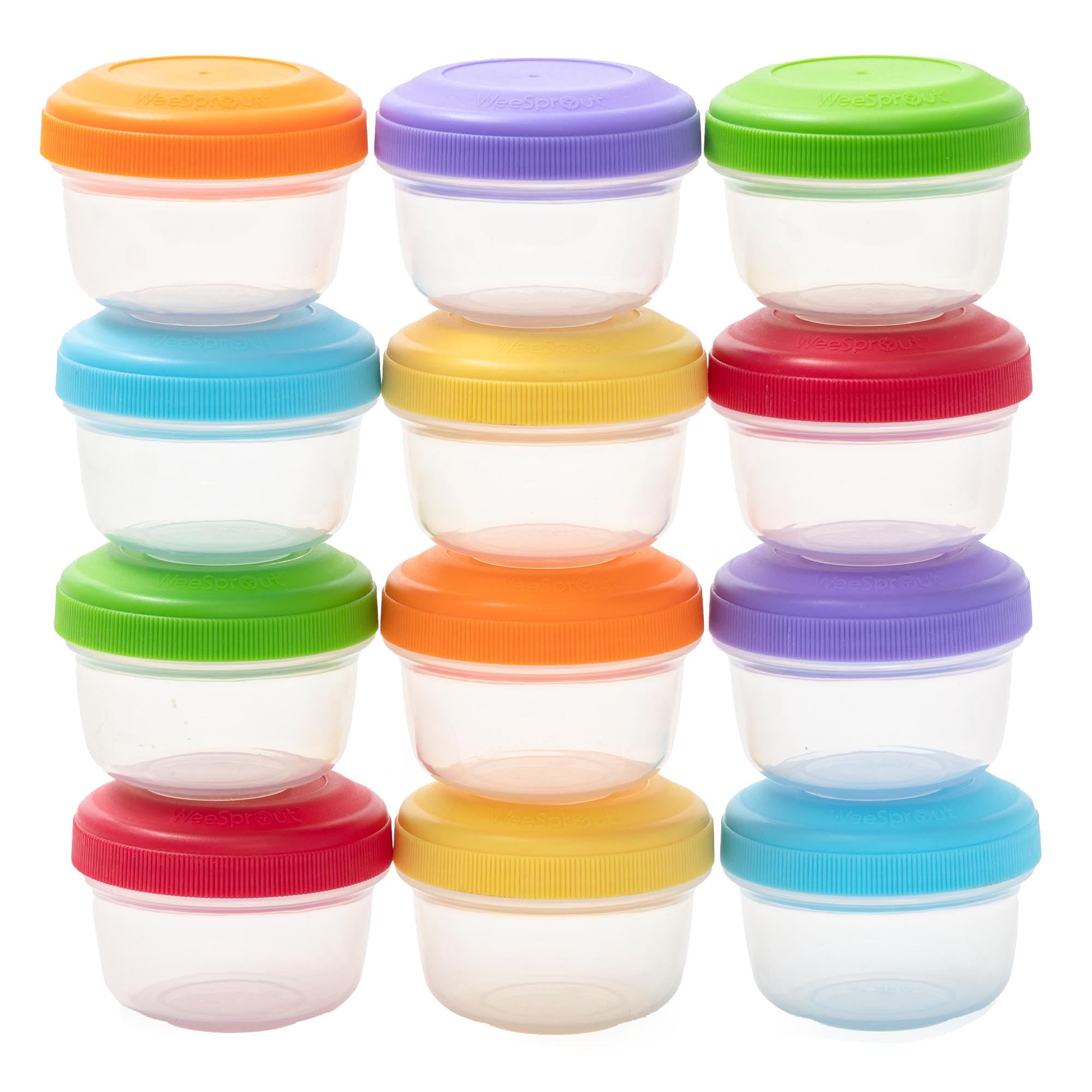
Credit: www.weesprout.com
Alternatives To Plastic Containers
Parents often prioritize safety when storing baby food. Plastic containers may seem convenient, but concerns about chemicals leaching into food are valid. Safer alternatives can help protect your baby’s health. These options are durable, easy to clean, and eco-friendly.
1. Glass Containers
Glass containers are an excellent choice for storing baby food. They are non-toxic and do not leach chemicals into food. Glass is easy to clean and doesn’t absorb odors or stains. Many come with airtight lids that preserve food freshness for longer.
2. Stainless Steel Containers
Stainless steel is another safe option for baby food storage. It is durable and resistant to rust or staining. These containers are lightweight and perfect for travel. They are free from harmful chemicals like BPA and phthalates.
3. Silicone Storage Bags
Food-grade silicone bags work well for storing purees or snacks. They are flexible and lightweight, making them space-saving. Silicone is non-toxic and safe for contact with food. These bags are reusable, reducing waste and saving money.
4. Ceramic Jars
Ceramic jars provide a stylish and safe way to store baby food. They are free from harmful chemicals found in plastics. Many ceramic jars come with food-safe lids for secure storage. These jars are durable and often dishwasher-friendly.
5. Bamboo Containers
Bamboo containers are eco-friendly and safe for storing dry snacks. They are made from natural materials and free of toxic chemicals. Bamboo is lightweight, biodegradable, and easy to clean. These containers are ideal for environmentally conscious parents.
Choosing Safe Storage Options
Ensuring baby food is stored safely is crucial for health. Plastic containers are convenient, but not all are suitable. Opt for BPA-free options to minimize risks and keep food fresh.
Storing baby food requires careful consideration to ensure safety and freshness. Plastic containers are a popular choice, but not all types are safe. Choosing the right storage option can protect your baby’s health and preserve food quality. Below are some key factors to keep in mind.Check For Bpa-free Labels
BPA is a chemical found in some plastics that can be harmful. Always choose containers labeled BPA-free. These are safer for storing baby food. BPA-free plastics reduce the risk of chemical exposure.Opt For Food-grade Materials
Food-grade plastics are designed for safe food storage. They don’t release harmful substances into food. Look for containers specifically labeled food-grade. This ensures they meet safety standards.Avoid Scratched Or Damaged Containers
Damaged plastic can release harmful chemicals into food. Always inspect containers before use. Replace scratched or cracked containers immediately. Keeping containers in good condition helps ensure safety.Choose Airtight Lids
Airtight lids keep baby food fresh and safe from contamination. They prevent air and moisture from spoiling the food. Look for containers with secure, leak-proof seals. Airtight storage helps maintain food quality longer.Consider Glass As An Alternative
Glass containers are a safer alternative to plastic. They don’t contain harmful chemicals. Glass is easy to clean and doesn’t absorb food odors. Though heavier, they are durable and eco-friendly.Store In Appropriate Sizes
Choose containers that match your portion needs. Large containers may lead to waste. Smaller containers are ideal for single servings. This makes feeding simpler and reduces storage time.Keep Containers Clean
Always wash containers thoroughly before use. Use mild soap and warm water. Avoid harsh chemicals that could damage the plastic. Proper cleaning keeps baby food safe and hygienic. `
Credit: www.amazon.com
Tips For Safe Food Storage
Storing baby food properly ensures it stays fresh and safe to eat. Choosing the right container and storage method is crucial. Plastic containers are common, but extra care is needed to prevent risks.
Here are some helpful tips for storing baby food safely:
1. Choose Bpa-free Plastic Containers
Always use BPA-free containers to avoid harmful chemical exposure. BPA can leach into food, especially when heated. Look for containers labeled “BPA-free” on the packaging.
2. Avoid Reusing Single-use Plastics
Do not store baby food in single-use plastic containers. These containers may break down over time and release chemicals. Use durable, reusable containers designed for food storage.
3. Cool Food Before Storing
Let baby food cool to room temperature before placing it in plastic. Hot food can cause chemicals in plastic to leach into the food. Use a shallow dish to cool food faster if needed.
4. Check Container Condition
Inspect plastic containers for cracks or damage regularly. Damaged containers may contaminate food or fail to seal properly. Replace them as soon as wear and tear is visible.
5. Use Airtight Lids
Seal containers with tight-fitting lids to keep food fresh. Airtight lids prevent bacteria, odors, and air from affecting the food. Double-check the seal after closing the lid.
6. Label And Date Stored Food
Write the date on each container before storing it. This helps track how long the food has been stored. Use the oldest containers first to avoid waste.
7. Avoid Storing In Direct Sunlight
Keep stored baby food away from sunlight or heat sources. Heat can break down the plastic and spoil the food. Use a cool, dry place like a pantry or fridge.
8. Discard Outdated Food
Throw away any food that smells, looks, or tastes off. Do not take chances with spoiled baby food. Freshness is key to keeping your baby healthy.
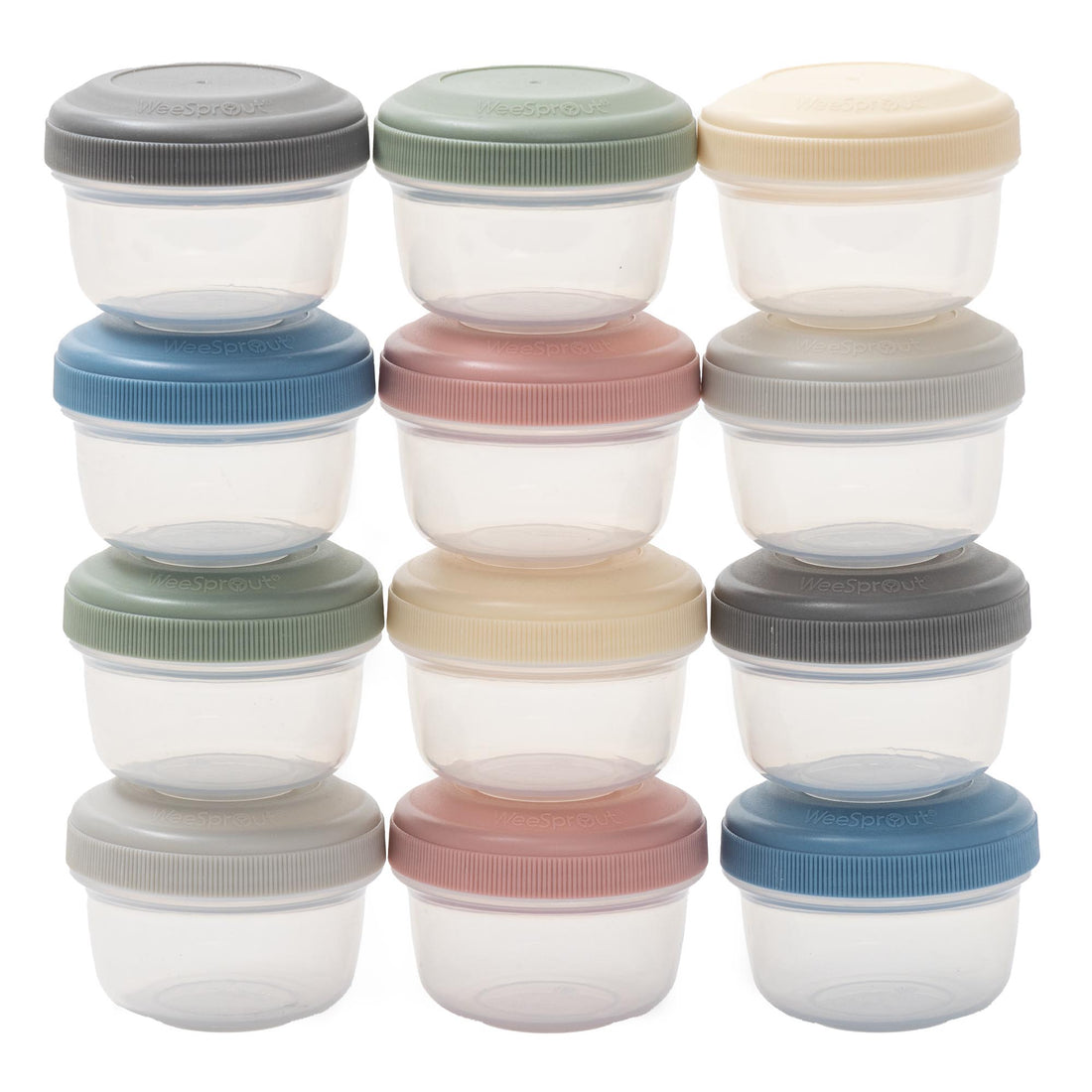
Credit: www.weesprout.com
Frequently Asked Questions
Can I Store Baby Food In Plastic Containers?
Yes, you can store baby food in plastic containers if they are BPA-free, food-grade, and airtight. Ensure proper cleaning and avoid reheating food directly in plastic to prevent chemical leaching. Glass containers are a safer alternative for long-term storage. Always check labels for safety certifications before use.
Is It Better To Store Baby Food In Glass Or Plastic?
Glass is better for storing baby food as it’s non-toxic, durable, and doesn’t leach chemicals. Plastic may contain harmful substances like BPA. Glass also preserves freshness and flavor effectively. Always choose BPA-free containers if using plastic.
Do All Plastic Containers Leach Into Food?
Not all plastic containers leach into food. Choose BPA-free, food-grade plastics labeled safe for food storage to minimize risks.
What Is The Safest Baby Food Container?
Glass or stainless steel containers are the safest for baby food. They are free from harmful chemicals like BPA and phthalates. Choose leak-proof, airtight options to keep food fresh. Avoid plastic containers, as they may leach toxins. Always check for safety certifications and ensure materials are food-grade and non-toxic.
Conclusion
Choosing the right storage for baby food is essential for safety. Plastic containers can be convenient but may pose risks if not used properly. Always check for BPA-free labels and follow safety guidelines. Glass containers are a great alternative for those seeking extra peace of mind.
Regularly inspect containers for wear and tear to avoid contamination. Your baby’s health is worth the extra effort and care. Make informed choices to protect their well-being. Safe storage ensures your baby enjoys fresh and nutritious meals every time.