How to Prevent Baby Food Allergies: Simple Steps for a Healthy Start You want the best for your baby, and ensuring they have a safe and healthy relationship with food is a top priority. But let’s be honest—introducing new foods can feel overwhelming, especially with the fear of allergies lingering in the back of your mind.
What if something you feed your baby triggers a reaction? How do you even start to lower that risk? The good news is, you’re not alone. Many parents share these same concerns, and the even better news is that there are practical, science-backed ways to help prevent baby food allergies.
By taking small, thoughtful steps early on, you can set your little one up for a positive experience with food and peace of mind for yourself. Stick with me as we dive into exactly what you can do to make mealtime safer and less stressful. You’ll learn simple strategies, common mistakes to avoid, and tips that can help your baby grow into a confident, happy eater. Ready to protect your baby’s health and ease your worries? Let’s get started!

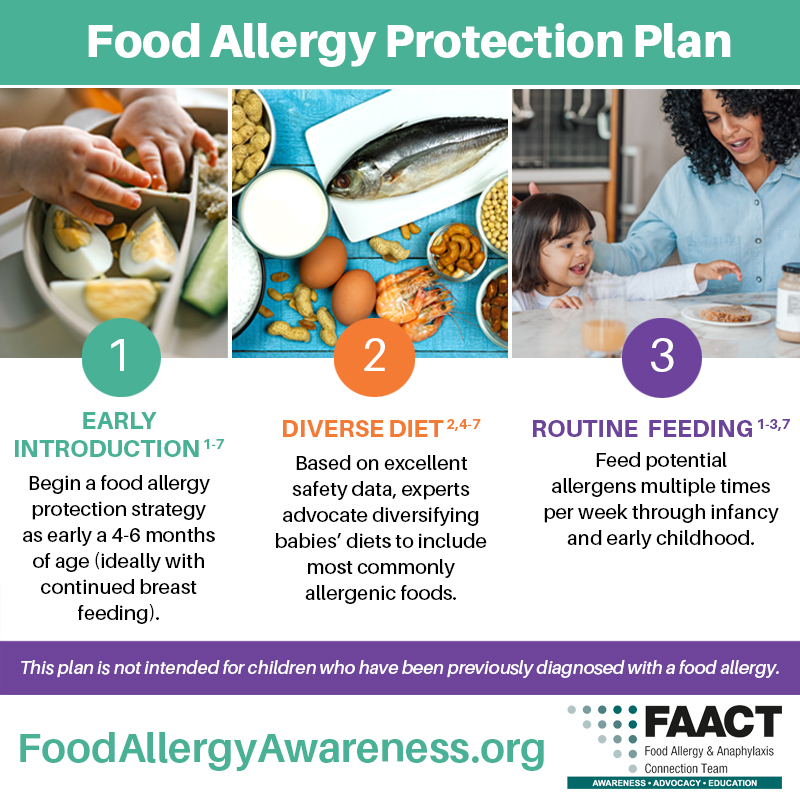
Credit: www.yalemedicine.org
Common Allergy Triggers
Understanding common allergy triggers can help parents take proactive steps. Many babies develop food allergies during their early years. Identifying potential triggers can make introducing new foods safer. Below are some common foods that often cause allergic reactions in babies.
Eggs
Egg allergies are common in young children. Both the egg white and yolk can cause reactions. Symptoms may include hives, swelling, or stomach discomfort. Cooked eggs may sometimes be less allergenic than raw ones.
Milk
Milk allergy is one of the most frequent food allergies in babies. It occurs when a baby’s immune system reacts to milk proteins. This includes cow’s milk and products made from it, like cheese or yogurt. Watch for signs like vomiting, diarrhea, or skin rashes.
Nuts
Peanuts and tree nuts are strong allergy triggers. Even small amounts can cause serious reactions. Symptoms may include breathing issues, swelling, or severe itching. Always consult your pediatrician before introducing nuts.
Wheat
Wheat contains proteins that may trigger allergic reactions. This condition is not the same as gluten intolerance or celiac disease. Look for symptoms like skin irritation, sneezing, or digestive issues after eating wheat-based foods.
Fish And Shellfish
Seafood allergies can be severe and may persist into adulthood. Fish like salmon and shellfish such as shrimp are common triggers. Symptoms can range from mild itching to serious breathing problems. Avoid seafood entirely until cleared by your doctor.
Soy
Soy products, including soy milk and tofu, can cause allergic reactions. Many baby formulas contain soy, so read labels carefully. Symptoms of soy allergies include rash, wheezing, or an upset stomach.
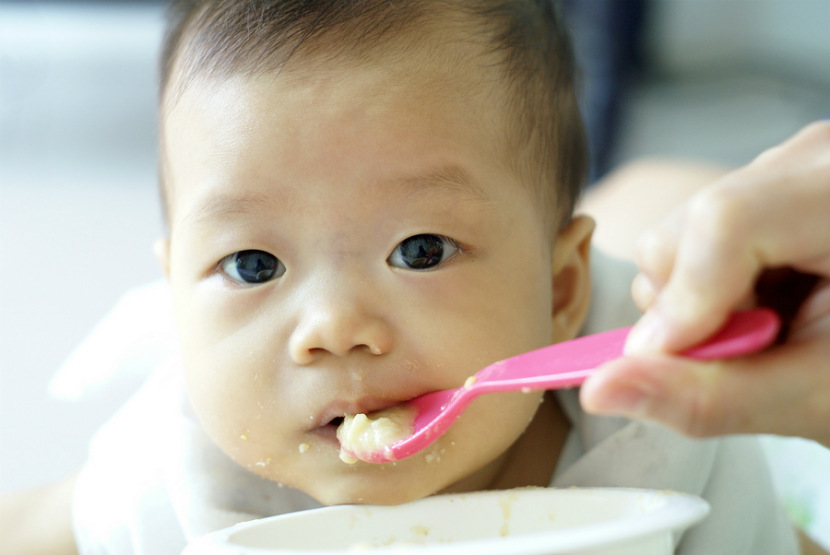
Credit: www.unlockfood.ca
Starting Solids Safely
Starting solids is an exciting milestone for you and your baby, but it can also feel a bit overwhelming. You might wonder: what foods are safe? How do you avoid allergies? The good news is that starting solids safely is all about timing, variety, and careful observation. Let’s break it down step by step.
Introduce One Food At A Time
When introducing solids, start with single-ingredient foods. This makes it easier to spot if your baby reacts to something. Common first foods include mashed bananas, sweet potatoes, or iron-fortified baby cereals.
Wait 3-5 days before adding a new food. This gives you time to observe any signs of allergy like rash, diarrhea, or vomiting. If you notice any unusual symptoms, stop and consult your pediatrician.
Choose Low-allergy Risk Foods First
Some foods are less likely to cause allergies and make great starters. Think rice cereal, pureed carrots, or applesauce. These foods are gentle on your baby’s tummy and are easy to digest.
Avoid introducing high-risk foods, like peanuts or shellfish, until your baby is ready. You can discuss the best timing for these with your doctor.
Watch For Signs Of Readiness
Is your baby sitting up with support? Showing interest in your food? These are signs they’re ready to start solids. Don’t rush it—starting too early can lead to tummy troubles or increased allergy risks.
Your baby’s ability to swallow safely is just as important as choosing the right foods. If they’re still pushing food out with their tongue, they might need more time before starting solids.
Don’t Skip Allergenic Foods
Surprisingly, avoiding allergenic foods entirely might not be the best move. Research shows that introducing common allergens like eggs or peanuts around 6 months can reduce the risk of allergies later.
Start small with allergenic foods. For example, mix a tiny amount of peanut butter into pureed fruit. Always watch for immediate reactions and have a plan to contact your pediatrician if needed.
Keep Your Baby Hydrated
Solids are a big change for your baby’s digestive system. Offer small amounts of water during meals to help them stay hydrated. This also prevents constipation, which is common when starting solids.
Breast milk or formula should still be the main source of nutrition during the first year. Solids are about complementing their diet, not replacing it.
Trust Your Instincts
You know your baby better than anyone. If something doesn’t feel right, don’t hesitate to slow down or seek advice. Every baby is different, and there’s no one-size-fits-all approach.
Starting solids is a journey, not a race. Celebrate the small wins—like your baby happily gobbling up their first spoonful of mashed avocado. What solid food are you most excited to try with your baby? Share your thoughts below!
Introducing Allergenic Foods
Introducing allergenic foods to your baby may feel nerve-wracking, but it’s an important step in their food journey. Research shows that early exposure to certain foods can actually reduce the risk of developing allergies. The key is to start slow, observe carefully, and stay consistent.
When Should You Introduce Allergenic Foods?
The American Academy of Pediatrics suggests introducing allergenic foods around 4 to 6 months of age, alongside other solid foods. This is when your baby’s digestive system is mature enough to handle them. Waiting too long might increase the risk of allergies, so timing is important.
Make sure your baby shows readiness signs like sitting up with minimal support and losing the tongue-thrust reflex. If you’re unsure, consult your pediatrician before starting. A quick conversation can offer clarity and peace of mind.
Which Foods Are Considered Allergenic?
Common allergenic foods include peanuts, eggs, dairy, wheat, soy, tree nuts, fish, and shellfish. You don’t need to introduce all of these at once—take it one food at a time. For example, you could start with peanut butter diluted with breast milk or formula.
Eggs are another good option. Start with a small piece of well-cooked egg yolk to test tolerance before moving to the whites. Keeping portions small is key during these first introductions.
How To Safely Introduce Allergenic Foods
Start by offering a small amount of the allergenic food in the morning or early afternoon. This way, you’ll have the entire day to monitor your baby for any reactions. Look out for symptoms like hives, swelling, vomiting, or difficulty breathing.
Wait at least 3 to 5 days before introducing another allergenic food. This staggered approach helps you identify the specific cause if a reaction occurs. Keep a food diary to track what you’ve introduced and any reactions your baby may have had.
What If Your Baby Has A Family History Of Allergies?
It’s natural to feel extra cautious if food allergies run in your family. However, studies suggest that delaying allergenic foods won’t necessarily prevent allergies. In fact, early introduction might still benefit your baby, even with a family history.
If you’re nervous, consider introducing allergenic foods under your doctor’s supervision. Some clinics even offer supervised feedings for high-risk babies. Don’t hesitate to seek support if it helps you feel more confident.
Why Is Early Introduction Beneficial?
Did you know that delaying allergenic foods used to be the norm? Experts now believe this contributed to the rise in food allergies. Early exposure trains your baby’s immune system to recognize these foods as safe, lowering the chance of an allergic response.
Think of it as building tolerance early on. Would you rather your baby experience these foods in a controlled, safe environment or risk accidental exposure later? Taking proactive steps now can make a big difference down the road.
What If Your Baby Doesn’t Like A Food?
Babies often reject new tastes—it’s completely normal. Don’t give up after one or two tries. Research shows that it can take up to 10 exposures for a baby to accept a new food.
Offer the allergenic food alongside something your baby already enjoys. For instance, mix a small amount of peanut butter into their oatmeal. Persistence and patience can go a long way here.
How do you plan to approach allergenic foods with your little one? Share your thoughts or questions in the comments below. We’re all learning together!
Recognizing Allergy Symptoms
Recognizing food allergy symptoms in your baby can feel overwhelming, but it’s a critical step in keeping them safe and healthy. Babies can’t tell you how they feel, so you have to rely on observing their reactions closely. Knowing what to look for can help you act quickly and give your child the care they need.
What Are The Common Symptoms Of Food Allergies?
Food allergies can show up in various ways, and they’re not always obvious at first. Watch for signs like a rash, hives, or redness around your baby’s mouth after eating. Digestive issues, such as vomiting, diarrhea, or excessive gas, can also be a red flag.
More severe symptoms may include swelling of the lips, face, or tongue. Difficulty breathing or wheezing after eating is considered an emergency and requires immediate medical attention. Always stay alert to any unusual reactions, even if they seem mild at first.
How Quickly Do Symptoms Appear?
Symptoms of food allergies can appear within minutes or take a few hours after your baby eats something new. For instance, if you introduce eggs and your baby develops hives within 30 minutes, it’s likely a reaction. On the other hand, digestive issues might surface a bit later, making them harder to connect to specific foods.
If symptoms consistently show up after eating a particular food, it’s a clear signal to stop giving it and consult your pediatrician. Keep a note of how long it takes for symptoms to appear—it can be valuable information for your doctor.
What Is The Difference Between Mild And Severe Reactions?
Mild reactions might include a small rash, a few hives, or mild stomach discomfort. These symptoms are uncomfortable but not life-threatening. However, they still deserve your attention to prevent them from worsening.
Severe reactions, like difficulty breathing, swelling, or a sudden drop in energy, could indicate anaphylaxis. This is rare but requires immediate action, including calling 911 and using an epinephrine injector if prescribed. Knowing the difference between mild and severe reactions can save precious time.
Why Is It Important To Trust Your Instincts?
As a parent, you know your baby better than anyone else. If something feels off, trust your gut. Even if a symptom seems minor, it’s always better to check in with your healthcare provider.
When my baby developed a strange rash after eating peanut butter for the first time, I almost brushed it off. But my instinct told me to call the doctor, and I’m glad I did—it turned out to be an early sign of a peanut allergy. Your quick action can make all the difference.
What symptoms have you noticed when introducing new foods to your baby? Being proactive and informed can help you stay ahead of potential allergies. Always keep an open line of communication with your pediatrician, and don’t hesitate to ask questions.
Creating A Food Journal
Tracking your baby’s eating habits is an essential step in understanding and preventing food allergies. A food journal is a simple but powerful tool that helps you monitor what your baby eats and how they react to different foods. By keeping detailed notes, you can spot patterns and narrow down potential allergens before they become a bigger concern.
How To Start A Food Journal
Grab a notebook, or create a digital document—whatever works best for you. Write down the foods your baby tries daily, including brand names if it’s store-bought. Don’t forget to note the date and time they ate the food.
If you’re introducing new foods, add only one at a time. This allows you to identify which food causes reactions, if any. Keep it simple and focused—you don’t need to overcomplicate things.
What Details Should You Record?
Write down more than just the food. Include details about how much your baby ate and their mood afterward. Did they seem fussy, sleepy, or perfectly fine?
Be specific about reactions. For example, if your baby had a rash, describe its size, color, and location. If they vomited or had diarrhea, note the timing and severity.
Tracking these specifics will help you and your pediatrician pinpoint triggers quickly.
How To Use Your Food Journal Effectively
Review your notes regularly. Look for trends—does your baby get gassy after eating dairy or break out after trying eggs? Patterns often emerge when you pay close attention.
Share your food journal with your pediatrician, especially if you notice consistent reactions. This can save time during appointments and lead to quicker solutions.
Use your journal to plan meals. Avoid foods that caused issues and focus on those your baby tolerated well.
Why A Food Journal Is Worth The Effort
It might seem time-consuming, but a food journal can bring peace of mind. You’re not guessing or relying on memory—you have the facts written down.
Parents often discover surprising patterns. A friend of mine realized her baby only reacted to a certain brand of yogurt, not dairy as a whole. The journal helped her identify the exact issue.
So, ask yourself: wouldn’t it be better to spend a few minutes writing things down than worrying about potential allergens later?
Consulting With A Pediatrician
Preventing baby food allergies can feel overwhelming for new parents. A pediatrician plays a key role in guiding you through this process. Their expertise helps ensure your baby’s diet is safe and well-balanced.
Regular consultations with a pediatrician provide clarity on introducing new foods. They can help you understand allergy risks and offer personalized advice. This ensures your baby gets proper nutrition while minimizing potential allergic reactions.
Why Pediatricians Are Important In Allergy Prevention
Pediatricians specialize in children’s health and development. They understand the unique needs of infants and toddlers. Their knowledge allows them to identify early signs of food allergies. This early detection can prevent severe reactions in the future.
They also have experience with common allergens, like dairy or nuts. Pediatricians can recommend suitable alternatives to ensure your baby’s diet remains nutritious. Their advice can reduce your stress and boost your confidence.
When To Schedule A Visit
Plan a visit before introducing solid foods to your baby. This is usually around 4 to 6 months of age. During this time, your pediatrician can evaluate your baby’s growth and health. They may also ask about your family’s history of allergies.
If your baby shows signs of food sensitivity, book an appointment immediately. Symptoms like rashes, vomiting, or diarrhea require professional attention. Early intervention can prevent complications and ensure your baby’s safety.
What To Discuss During The Appointment
Share your baby’s current diet and any observed reactions. Mention any known family allergies, as this can guide the doctor’s recommendations. Ask about the best way to introduce high-risk foods, like eggs or peanuts.
Seek advice on portion sizes and timing for new foods. Pediatricians can also recommend emergency steps in case of an allergic reaction. This knowledge can help you act quickly if needed.
Follow-up Visits And Monitoring
Schedule follow-up visits to monitor your baby’s progress. These check-ins help ensure your baby is growing well and tolerating new foods. Pediatricians can adjust their recommendations based on your baby’s development.
Regular monitoring can catch delayed allergic reactions. This proactive approach keeps your baby’s diet safe and balanced. It also provides peace of mind for you as a parent.
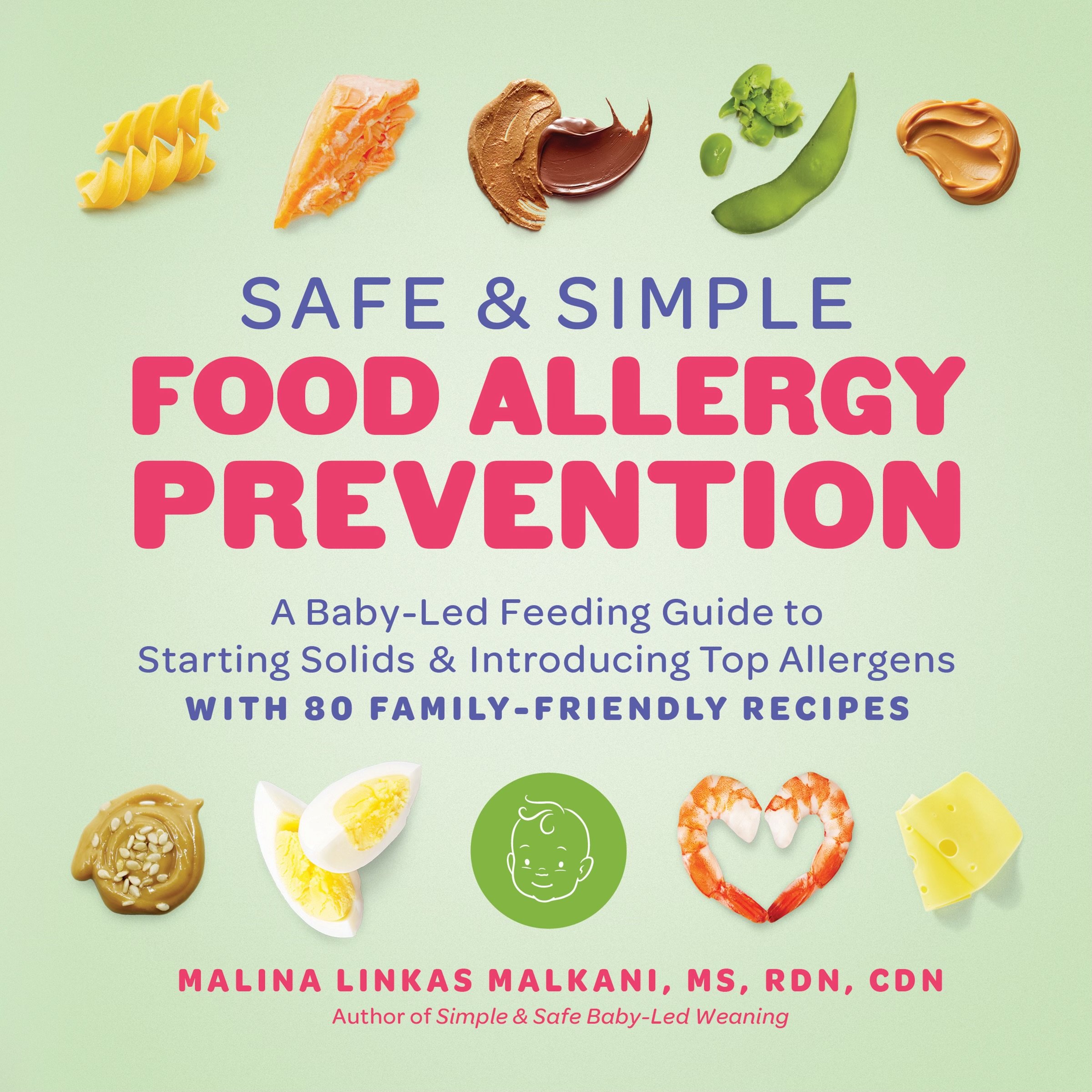
Credit: www.malinamalkani.com
Frequently Asked Questions
How To Prevent Your Baby From Having Food Allergies?
Introduce allergenic foods early, around 4-6 months, under pediatric guidance. Breastfeed exclusively for 6 months if possible. Avoid delaying allergenic foods unnecessarily. Maintain a healthy diet during pregnancy and breastfeeding. Consult a doctor for personalized advice on managing family history of allergies.
What Causes Baby Food Allergies?
Baby food allergies occur when a child’s immune system overreacts to certain proteins in food, treating them as harmful. Common triggers include milk, eggs, peanuts, soy, and wheat. Genetic factors, early exposure, and digestive system immaturity can increase the risk of developing food allergies in babies.
Always consult a pediatrician for guidance.
What Are The Odds Of A Baby Having A Food Allergy?
Around 6-8% of children under age 3 develop food allergies. The odds vary based on genetics and exposure.
What To Have On Hand For Baby Food Allergies?
Keep an epinephrine auto-injector, antihistamines, and a list of allergens ready. Consult a pediatrician for guidance. Avoid allergenic foods and read labels carefully. Maintain a food diary to track reactions. Stay informed on emergency procedures to manage severe allergic reactions effectively.
Conclusion
Preventing baby food allergies takes patience and thoughtful choices. Start with small steps. Introduce new foods slowly and watch for reactions. Focus on variety to build tolerance over time. Stick to fresh, simple ingredients for better nutrition. Consult your pediatrician if you’re unsure about certain foods.
Remember, every baby is different and needs personalized care. Staying informed helps you make smarter decisions for your child’s health. With care and attention, you can reduce the risk of allergies. Your efforts today will support your baby’s well-being for years to come.