How Much Does Baby Food Cost: Budget Tips for Parents

by Luis
Published On:
How Much Does Baby Food Cost
---Advertisement---

How much does baby food cost? It’s a question every parent asks at some point.

After all, you want to give your baby the best, but you also need to balance your family’s budget. Whether you’re expecting your first child or already navigating the whirlwind of parenthood, understanding the cost of baby food can feel overwhelming.

Are store-bought jars your best option? What about pouches or making your own? You’re not alone in wondering how to make the smartest choices for your little one without overspending. In this post, we’ll break it all down for you—average prices, hidden costs, and tips to save money while feeding your baby nutritious meals. By the end, you’ll feel confident about making decisions that are good for both your baby and your wallet. Ready to find out what works best for your family? Keep reading.

How Much Does Baby Food Cost: Budget Tips for Parents

Credit: milk-drunk.com

Factors Affecting Baby Food Prices

Baby food prices vary widely, and many factors contribute to these differences. Understanding these factors can help parents make informed choices while managing costs. From ingredients to packaging, each element plays a role in the final price. Below, we break down the key factors affecting baby food prices to help you stay informed.

1. Type Of Baby Food

Baby food comes in various forms, like jars, pouches, and homemade. Packaged options like jars and pouches often cost more due to convenience. Homemade baby food is usually cheaper but requires time and effort. The type of food you choose significantly impacts your expenses.

2. Organic Vs. Non-organic

Organic baby food is made from ingredients grown without pesticides. It often costs more than non-organic options due to stricter farming practices. Parents who prefer organic food for health reasons should expect higher prices.

3. Brand Reputation

Well-known brands usually charge more for their products. They invest heavily in advertising and quality assurance. Lesser-known or store brands may offer similar quality at a lower price.

4. Ingredients And Nutritional Value

Baby food with premium or exotic ingredients tends to cost more. Foods enriched with extra nutrients or vitamins can also have a higher price tag. Simple, single-ingredient options are usually more affordable.

5. Packaging And Convenience

Convenience-focused packaging, like resealable pouches, increases production costs. This often results in higher prices. Bulk packaging or simpler designs can lower the cost per serving.

6. Location And Availability

Prices can vary depending on where you live. Urban areas or regions with limited supply may see higher costs. Buying in larger cities or online can sometimes offer better deals.

7. Seasonal And Market Trends

Baby food made from seasonal fruits or vegetables may fluctuate in price. Market trends, such as increased demand for organic options, can also affect costs. Staying aware of these trends helps you plan your budget better.

Store-bought Vs. Homemade Options

Choosing the right type of baby food can impact your budget. Parents often debate between store-bought and homemade options. Both have unique benefits and costs. Understanding these differences helps you make informed choices for your baby.

Store-bought Baby Food Costs

Store-bought baby food offers convenience. Single jars or pouches often range from $1 to $3. Organic options may cost slightly more, about $2 to $4 per item. Bulk packs can save money but require upfront spending. Specialty brands or allergen-free products may cost even higher.

Brands usually offer varying portion sizes. Larger containers are cost-effective for older babies. Smaller packs suit early feeding stages but may add up quickly. Seasonal discounts or store promotions can lower overall costs.

Homemade Baby Food Costs

Homemade baby food offers flexibility and control. Ingredients like fruits and vegetables are often affordable. Buying in bulk or using seasonal produce can reduce costs further. A few dollars can create multiple servings, making homemade food budget-friendly.

Initial expenses include tools like blenders or baby food processors. These are one-time investments. Over time, homemade options often cost less per meal. Using leftovers or meal prepping reduces food waste and saves money.

Time Vs. Cost Considerations

Store-bought food saves time but costs more per serving. Homemade food requires effort but lowers expenses. Parents with busy schedules may prefer convenience. Those on tighter budgets might favor homemade solutions.

Balancing time and money is key. Consider your lifestyle and available resources. Both options can meet nutritional needs with proper planning.

Quality And Nutritional Value

Store-bought foods meet strict standards but may contain preservatives. Homemade food uses fresh ingredients for better control. Organic store-bought options offer high-quality choices but cost more. Homemade meals can be tailored to your baby’s preferences.

Always check labels for added sugars or salt in store-bought items. Homemade food allows you to skip unnecessary additives. Both choices can be healthy with careful selection and preparation.

Organic Vs. Non-organic Choices

Choosing between organic and non-organic baby food can feel like a daunting decision. As a parent, you want the best for your little one, but your budget also plays a significant role. Understanding the differences in cost and value can help you decide what works best for your family.

What’s The Price Difference Between Organic And Non-organic Baby Food?

Organic baby food typically costs more than non-organic options. A single jar or pouch of organic baby food can range from $1.50 to $3, while non-organic versions often stay between $1 and $2. Over time, this price gap adds up, especially if your baby is eating three meals a day.

Why the higher price tag? Organic baby food is made from ingredients grown without synthetic pesticides, fertilizers, or GMOs. This process can be more expensive for farmers, and those costs are passed on to you, the consumer.

Is Organic Baby Food Worth The Extra Cost?

It depends on your priorities. If avoiding pesticides and GMOs matters to you, organic options might feel like a worthwhile investment. Many parents also prefer organic because it aligns with their values of supporting environmentally friendly farming practices.

However, non-organic baby food isn’t “bad.” It still meets strict safety standards, and many major brands are transparent about their ingredient sources. If you’re on a tight budget, opting for non-organic won’t compromise your baby’s nutrition.

Can You Save Money On Organic Baby Food?

Yes, you can! Look for sales at your local grocery store, or stock up during promotions. Some stores also offer their own organic baby food line, which is often cheaper than name brands.

Making your own organic baby food is another way to save. A $4 bag of organic carrots can yield multiple servings of puree for a fraction of the cost of prepackaged options. It takes a little extra effort, but it’s budget-friendly and gives you full control over the ingredients.

What Are Your Baby’s Needs?

Before deciding, ask yourself: What does your baby eat most often? If they love fruits and vegetables, organic versions might help you avoid pesticide residue. But if they enjoy more grain-based meals, non-organic can still be a smart choice.

Also, consider your baby’s age. If they’re just starting solids, they may eat smaller portions, making organic options more affordable in the short term. As their appetite grows, you can reassess your decision based on your budget and their preferences.

Final Thoughts: Balance Is Key

It’s okay to mix and match! Many parents choose organic for certain items, like fresh fruits, and go non-organic for others, like cereals or snacks. This approach gives you flexibility while keeping costs under control.

What matters most is making choices that feel right for you and your baby. Whether organic or non-organic, feeding your baby with love and care is what truly counts.

How Much Does Baby Food Cost: Budget Tips for Parents

Credit: milk-drunk.com

Buying In Bulk To Save Money

Buying baby food can quickly add up, especially during those early months when your little one seems to eat non-stop. But have you ever considered buying in bulk? Purchasing baby food in larger quantities can be a smart way to stretch your budget while ensuring your baby always has healthy meals on hand.

Why Buying In Bulk Is Worth It

Buying in bulk often means paying less per jar, pouch, or serving. Many brands offer discounts when you purchase larger packs, and these savings can accumulate over time. For example, a single baby food jar might cost $1.50, but a 12-pack could drop the price to $1.20 each. That’s $3.60 saved on just one box!

Plus, having a stash of food at home saves you those last-minute trips to the store. Convenience and savings? That’s a win-win.

Where To Find Bulk Baby Food Deals

Warehouse clubs like Costco and Sam’s Club are excellent places to find bulk baby food at discounted rates. They often carry trusted brands and organic options at prices that beat most grocery stores. You can also check online retailers like Amazon, which frequently offer discounts on subscription-based purchases.

Local grocery stores might surprise you too. Look out for sales or promotions, especially on baby products. Some stores even let you use coupons on bulk purchases for double the savings.

How To Store Bulk Baby Food

Worried about food going bad? You don’t have to be. Baby food has a long shelf life when stored properly. Keep unopened jars or pouches in a cool, dry place away from direct sunlight. Once opened, refrigerate and use within the recommended timeframe on the label.

If you’ve bought too much, consider freezing the extras. For homemade baby food, freezing in ice cube trays allows you to portion it out easily. Just thaw as needed, and you’re good to go!

Is Buying In Bulk Right For You?

Not every family will benefit from buying in bulk. If your baby is a picky eater or you’re still figuring out their preferences, smaller quantities might make more sense at first. But if you already know their favorites, bulk buying is a no-brainer.

Ask yourself: Do you have the storage space? Can you commit to using the food before it expires? If yes, then buying in bulk could be the budget-friendly solution you’ve been searching for.

So, the next time you’re shopping for baby food, think bigger. Those extra savings could go toward other baby essentials—or even a well-deserved treat for yourself!


Seasonal And Regional Price Variations

Have you ever noticed how the price of baby food seems to fluctuate depending on where you live or the time of year? These variations can affect your budget more than you might expect. Understanding why prices change and how to plan for them can save you money and reduce stress.

Why Does Location Matter?

The cost of baby food often depends on where you’re buying it. Urban areas with higher living costs tend to have pricier baby food compared to small towns. Local grocery stores in rural areas might offer lower prices, but the selection could be limited.

If you live near a farmer’s market or specialty store, you might find locally made baby food options that are fresh but come with a higher price tag. The convenience of online shopping can also add shipping fees, making regional differences even more noticeable.

Seasonal Price Swings

Seasonal changes can impact baby food prices, especially for brands that use fresh fruits and vegetables. During harvest seasons, baby food made from in-season produce is often cheaper. But in winter, when certain fruits and vegetables are harder to source, prices can rise.

If you rely on organic baby food, this trend can be even more pronounced. For example, organic apples might be affordable in the fall but cost a premium in the spring. Stocking up when prices are low can help you stay within budget.

How To Plan Around These Variations

Are you tracking baby food prices in your area? If not, start by comparing costs at local stores, online retailers, and farmer’s markets. Pay attention to discounts during harvest seasons or promotions tied to holidays.

Consider making your own baby food during high-price periods. A simple blender and seasonal produce can go a long way. Plus, you control the ingredients, which is great for picky eaters.

What Can You Do Today?

Take a moment to review your shopping habits. Are you buying baby food at the most expensive store out of convenience? Could switching to bulk purchases or seasonal shopping save you money?

Look for opportunities to save. For example, some parents join local co-ops to buy fresh produce at lower prices. Others team up with neighbors to split costs on bulk orders. Small changes can lead to big savings over time.

Seasonal and regional price variations don’t have to catch you off guard. By staying informed and adjusting your buying strategy, you can keep baby food costs manageable—and maybe even save for that family outing you’ve been planning!

Smart Shopping And Discount Strategies

Buying baby food doesn’t have to drain your wallet. With a few smart shopping tactics and a bit of planning, you can cut costs without sacrificing quality. Let’s dive into actionable strategies that can save you money while keeping your baby well-fed and happy.

Compare Prices Across Stores

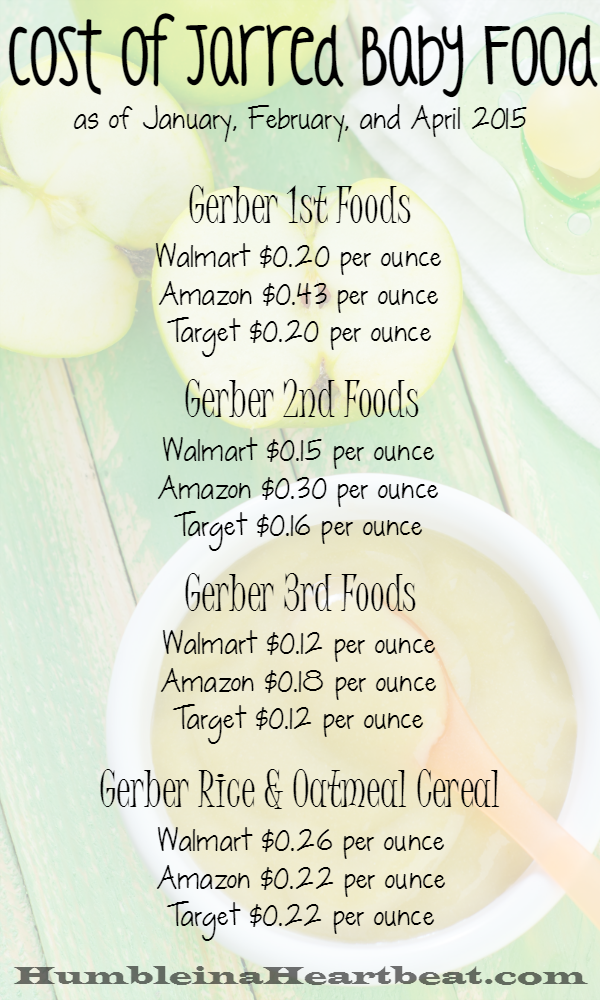
Not all stores price baby food the same. A jar of pureed carrots might cost $0.89 at one store and $1.29 at another. Use apps like Flipp to compare prices in your area and spot the best deals.

Don’t overlook local grocery store flyers. They often feature weekly discounts or promotions on baby essentials. Take advantage of these to stock up when prices are low.

Buy In Bulk When It Makes Sense

Buying in bulk can save you money, but only if your baby can consume the food before it expires. Check expiration dates carefully before purchasing large quantities.

Warehouse clubs like Costco or Sam’s Club often have family-sized packages of baby food for less per unit. If the quantity feels overwhelming, split the purchase with another parent to share the savings.

Use Coupons And Cashback Apps

Coupons are a game-changer for baby food shopping. Sign up for email newsletters from baby food brands like Gerber, Plum Organics, or Happy Baby. They frequently send out coupons to their subscribers.

Cashback apps like Ibotta and Rakuten let you earn money back on your purchases. Scan your receipts after shopping and watch the savings add up over time.

Opt For Generic Or Store Brands

Don’t dismiss store-brand baby food without trying it. Many store brands, like Walmart’s Parent’s Choice or Target’s Up & Up, are just as nutritious as the more expensive name brands but cost significantly less.

Check the ingredient list. If it’s just “pureed peas and water,” you’re essentially getting the same thing for a lower price.

Make Your Own Baby Food

If you have the time, making baby food at home is one of the most cost-effective options. A single sweet potato can yield several servings of baby food for a fraction of the store-bought price.

All you need is a blender or food processor, and you’re good to go. Freeze portions in ice cube trays for easy, budget-friendly meals throughout the week.

Keep An Eye On Sales Cycles

Baby food brands often go on sale during certain times of the year. Watch for seasonal discounts, especially during back-to-school promotions or the holiday season.

Use loyalty programs at your favorite stores to track these deals. Some programs even offer points that can be redeemed for future discounts.

Consider Buying Online

Online retailers like Amazon often have competitive prices on baby food, especially if you subscribe for regular deliveries. Look for “Subscribe & Save” options to unlock additional discounts.

Compare prices with local stores to ensure you’re actually saving money. Sometimes, even with shipping, online deals are hard to beat.

Saving on baby food doesn’t mean compromising your baby’s nutrition. Which of these strategies will you try first? Share your thoughts in the comments!

How Much Does Baby Food Cost: Budget Tips for Parents

Credit: modernmommyskitchen.wordpress.com

Frequently Asked Questions

How Much Does Baby Food Cost On Average?

Baby food costs $0. 50 to $2. 00 per jar or pouch on average, depending on brand, packaging, and ingredients. Organic options are pricier.

Is Making Your Own Baby Food Cheaper Than Buying It?

Making your own baby food is often cheaper than buying premade options. Homemade baby food uses fresh ingredients, reducing costs. Store-bought jars or pouches can be more expensive, especially for organic choices. Preparing baby food at home also lets you control portion sizes, minimizing waste and saving money over time.

What Is The Cheapest Way To Feed A Baby?

Breastfeeding is the cheapest way to feed a baby, providing essential nutrients at no cost. For formula, buy store-brand options, which are budget-friendly and meet nutritional standards. Preparing homemade baby food using fresh ingredients is also affordable. Avoid pre-packaged foods and prioritize nutrient-rich, cost-effective choices.

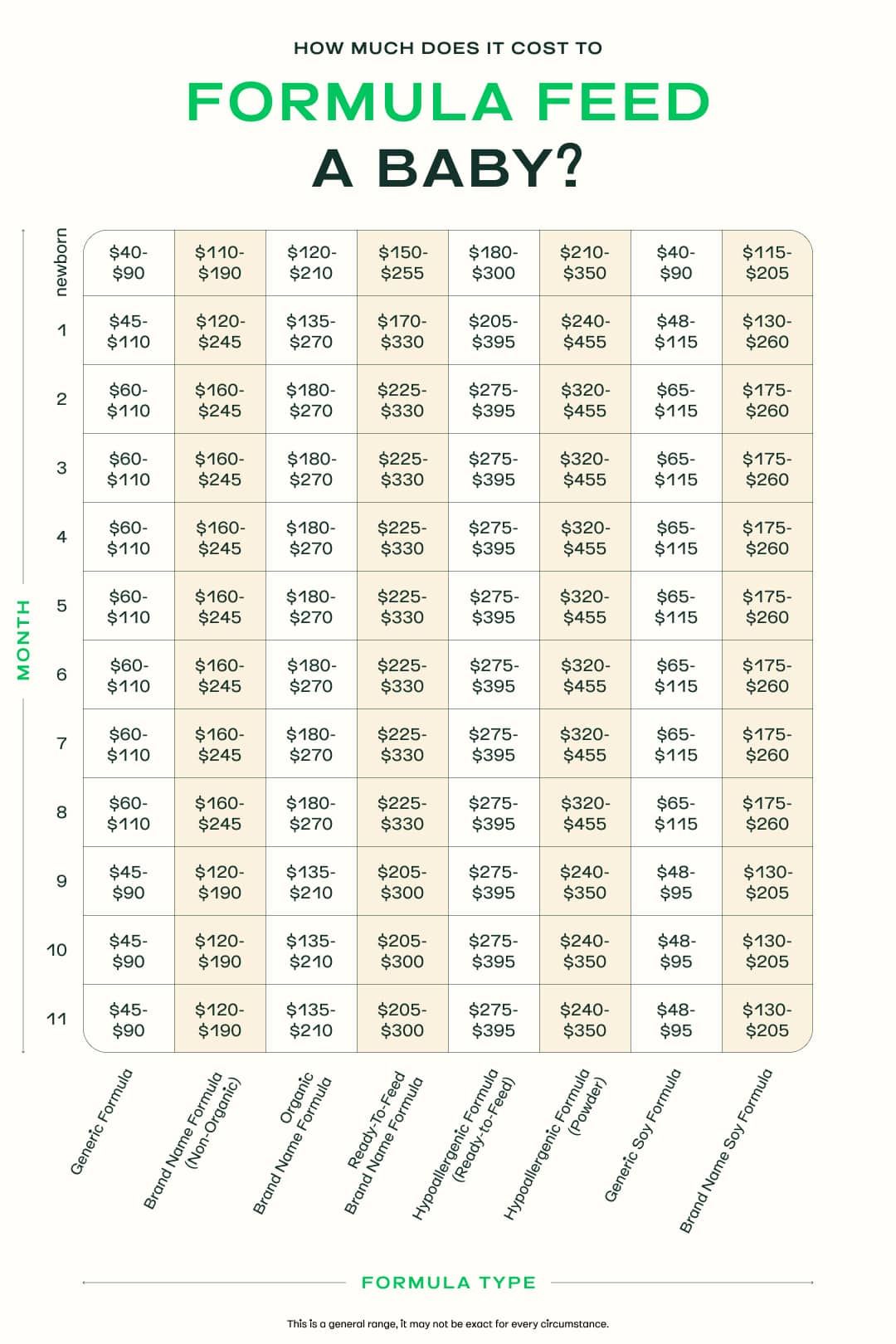
How Much Does It Cost To Formula Feed A Baby For 1 Year?

Formula feeding a baby for one year typically costs $1,200 to $1,500, depending on brand and feeding needs.

Conclusion

Understanding baby food costs helps parents plan better for their budget. Prices vary based on brand, type, and packaging. Homemade options may save money and offer more control over ingredients. Store-bought baby food provides convenience but can be pricier. Compare options to find what works best for your family.

Remember, your baby’s health and nutrition come first. Small adjustments can help balance quality and affordability. With careful choices, feeding your little one doesn’t have to break the bank.

Leave a Comment