Can I Mix Baby Food and Formula? Here’s What You Need to Know You want the very best for your baby, and when it comes to feeding, every decision feels important.
Maybe you’re wondering if it’s okay to mix baby food with formula. Is it safe? Does it provide the right nutrition? Could it help make mealtime easier for you and your little one? These are the kinds of questions every parent asks.
You’re not alone. In this post, we’ll break it all down for you—step by step. By the end, you’ll feel confident knowing whether combining baby food and formula is the right choice for your baby. Let’s get started!

Credit: www.facebook.com
Combining Baby Food With Formula
Introducing new textures and flavors is an exciting time for parents. Many wonder if mixing baby food with formula is safe or beneficial. Combining these can simplify feeding and help babies transition to solids. It’s important to do it correctly to ensure proper nutrition and digestion.
What Are The Benefits Of Mixing Baby Food And Formula?
Mixing formula with baby food can provide balanced nutrition. Formula adds essential nutrients like iron and vitamins. Baby food introduces new tastes and textures, encouraging exploration. Together, they can make feeding sessions more enjoyable for babies.
How To Safely Combine Baby Food With Formula
Always prepare formula as directed before mixing it with baby food. Ensure the mixture is smooth and easy for your baby to swallow. Use a spoon for feeding instead of a bottle to avoid choking risks.
Choosing The Right Baby Food To Mix
Start with single-ingredient purees like carrots, peas, or sweet potatoes. These are gentle on your baby’s stomach and easy to digest. Avoid foods with added sugar, salt, or strong spices.
How Much Formula Should You Add?
Start by adding small amounts of formula to the baby food. Adjust the consistency based on your baby’s preference. A thinner mixture may work better for younger babies starting solids.
Signs Your Baby Is Ready For This Combination
Babies around six months old can start eating pureed foods. Look for signs like sitting up with support and showing interest in food. Always consult your pediatrician before introducing new foods.

Credit: www.tiktok.com
Choosing The Right Baby Food
Choosing baby food can feel overwhelming, especially with so many options available. You want to make sure your little one gets the right nutrients while enjoying mealtime. But how do you decide which baby food pairs well with formula?
Understanding Your Baby’s Nutritional Needs
Babies have unique nutritional needs that change as they grow. Start by reading the labels on baby food jars or pouches to check the ingredients. Look for options without added sugar or salt.
If you’re making homemade baby food, stick to simple, nutrient-rich ingredients like mashed avocado, steamed carrots, or pureed peas. These pair well with formula and provide essential vitamins your baby needs.
Pay Attention To Texture
Your baby’s age often determines what texture they can handle. For younger babies just starting solids, smoother purees work best. Mixing these with formula can create a creamy consistency that’s easy for them to swallow.
Older babies might enjoy chunkier purees or soft finger foods. Adding formula to smoother baby food can help balance the texture if your baby isn’t ready for lumps yet.
Choose Single-ingredient Foods First
If your baby is new to solids, it’s smart to start with single-ingredient baby foods. This helps you identify any allergies or sensitivities. For example, pureed sweet potato or apple is a safe choice.
Once your baby gets used to single-ingredient foods, you can mix them with formula to make them easier to digest or to adjust flavors your baby might prefer.
Experiment With Taste
Babies can be picky eaters! Mixing baby food with formula can introduce new flavors without overwhelming your baby. Sweet fruits like banana or pear pair beautifully with formula for a naturally sweetened meal.
If your baby prefers savory flavors, try mixing formula with foods like pureed green beans or squash. Watch their reactions—they’ll let you know what they like.
Keep It Fresh
Always use fresh baby food, whether store-bought or homemade. Avoid leaving mixed food and formula out for too long, as bacteria can grow quickly. Make small portions to ensure freshness.
If you’re blending homemade baby food with formula, store leftovers in an airtight container in the fridge and use them within 24 hours.
Choosing the right baby food to mix with formula doesn’t have to be complicated. Start simple, focus on your baby’s preferences, and keep experimenting until you find their favorites. What’s the first food you plan to try mixing with formula?
Preparing A Safe Mixture
Mixing baby food and formula can offer convenience for busy parents. It can also help introduce your baby to new tastes and textures. But it’s important to prepare the mixture safely to protect your baby’s health. Proper preparation ensures the nutrients stay intact and your baby digests the meal easily.
Follow these steps carefully to create a safe, nourishing blend. Always pay attention to hygiene and proportions during the process.
1. Choose The Right Baby Food
Select a baby food that matches your baby’s age and needs. Avoid foods with added sugar, salt, or artificial flavors. Pureed fruits and vegetables are a great option for younger babies. For older babies, you can explore mixed flavors or grains.
2. Use Freshly Prepared Formula
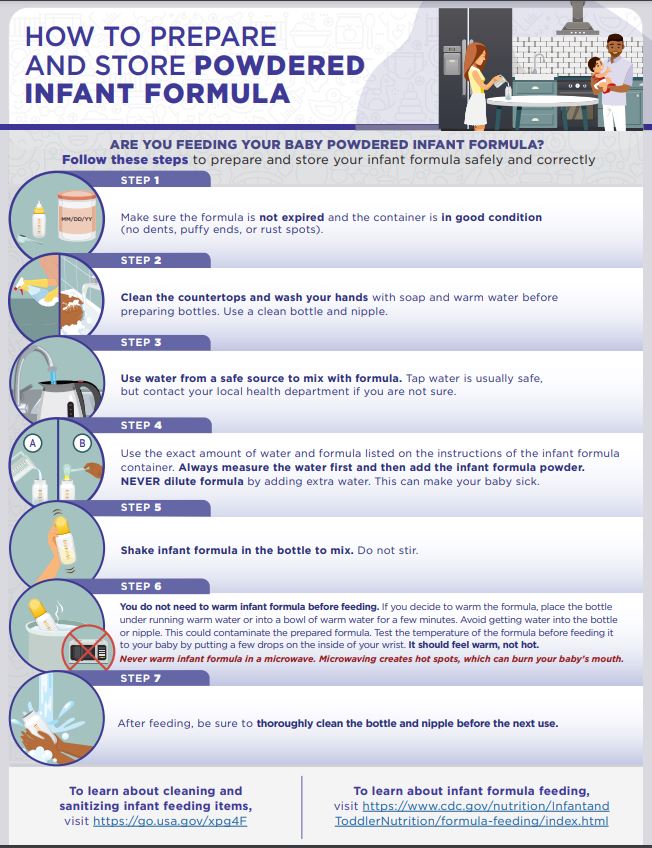
Always prepare formula according to the instructions on the package. Use clean water at the recommended temperature for mixing. Ensure the formula is fresh and hasn’t been sitting out for too long. Discard any leftover formula after feeding to avoid contamination.
3. Maintain Proper Ratios
Keep the proportions balanced for a smooth mixture. Start with a small amount of baby food and gradually add formula. Mix well to ensure an even consistency. Avoid making the mixture too thick, as it might be hard for your baby to swallow.
4. Warm The Mixture Safely
Warm the mixture gently, if needed, before feeding your baby. Use a bottle warmer or place the container in warm water. Avoid microwaving, as it can create hot spots that might burn your baby’s mouth. Test the temperature by placing a drop on your wrist.
5. Check For Allergic Reactions
Introduce one new ingredient at a time to monitor your baby’s reaction. Watch for signs of allergies like rashes, vomiting, or diarrhea. If you notice unusual symptoms, stop feeding and consult your pediatrician.
6. Practice Good Hygiene
Wash your hands and utensils thoroughly before preparing the mixture. Use clean bowls, spoons, and containers to avoid contamination. Store unused baby food and formula in their original packaging as instructed.
Benefits Of Mixing Formula And Baby Food
Combining baby food with formula can be a practical choice. This approach can support your baby’s nutrition and help with their dietary needs. It also makes feeding easier and more efficient for parents. Below, we explore the key benefits of mixing formula and baby food.
1. Improved Nutritional Intake
Mixing formula with baby food ensures your baby gets balanced nutrients. Formula provides essential vitamins and minerals like iron and calcium. Baby food introduces them to fruits, vegetables, or grains. Together, they create a wholesome meal for growing bodies.
2. Easier Texture Transition
Babies transitioning to solid foods may struggle with thicker textures. Combining formula with baby food softens the texture. This makes it easier for your baby to swallow and digest. It can also help introduce new textures gradually and comfortably.
3. Enhanced Flavor Variety
Mixing formula with baby food introduces babies to different tastes. This is crucial during the early stages of taste development. It can help your baby accept diverse flavors over time. Offering variety can also make mealtime more enjoyable for them.
4. Convenient Meal Preparation
Preparing a mix of formula and baby food saves time. You can create a nutrient-packed meal in minutes. This method works well for busy parents seeking quick, healthy options. It’s a simple way to ensure your baby’s diet is complete.
5. Supports Healthy Growth
Combining formula and baby food can promote healthy weight gain. Formula provides calories and essential fats for growth. Baby food adds fiber and other nutrients for overall development. Together, they support your baby’s physical and cognitive milestones.
6. Reduces Food Waste
Mixing leftover formula with baby food reduces wastage. You can use both efficiently without discarding extra portions. This is especially helpful for families wanting to avoid unnecessary waste. It also ensures your baby benefits from every meal fully.
Common Mistakes To Avoid
Mixing baby food and formula can be a convenient option for parents. It ensures your baby gets essential nutrients while adjusting to solid foods. But there are common mistakes that could affect your baby’s health or nutritional intake. Knowing these mistakes will help you make better choices for your baby’s diet.
Not Checking Consistency
Babies need food that is easy to swallow and digest. Adding too much baby food to formula can make it too thick. Thick mixtures may cause choking or make it hard for your baby to drink. Always ensure the mixture is smooth and liquid-like.
Using Unapproved Ingredients
Some baby foods contain additives or spices that might not be suitable. Mixing these with formula could upset your baby’s stomach. Check the labels and stick to plain, natural baby foods without added sugar or salt.
Mixing Large Quantities
Preparing large batches of baby food and formula can lead to waste. Formula and food mixtures should be used within a short time to avoid spoilage. Always prepare small portions that your baby can finish during a feeding session.
Ignoring Allergies
Introducing baby food mixed with formula without checking for allergies is risky. Some foods, like dairy or certain fruits, may cause allergic reactions. Introduce each new food separately before mixing it with formula.
Not Consulting A Pediatrician
Parents often skip medical advice when mixing baby food and formula. A pediatrician can guide you on safe combinations for your baby’s age and health. Always seek professional advice before making changes to your baby’s diet.
Credit: www.cdc.gov
When To Consult A Pediatrician
Mixing baby food with formula can simplify feeding. But knowing when to consult a pediatrician ensures your baby’s health and safety. Pediatricians provide essential guidance, especially for new parents. Some situations require expert advice to avoid potential risks.
1. If Your Baby Has Allergies
Food allergies can cause severe reactions in babies. Symptoms might include rashes, vomiting, or diarrhea. Consult a pediatrician before mixing formula with new foods. They can identify allergens and suggest safe feeding options.
2. Concerns About Weight Gain Or Loss
Significant weight changes in infants can indicate feeding issues. Adding baby food to formula might not always solve the problem. A pediatrician can assess your baby’s growth and suggest effective solutions. This ensures your baby receives proper nutrition.
3. Digestive Issues After Mixing
Babies may experience constipation or gas after eating mixed foods. Digestive discomfort can affect their overall health. If this happens, consult a pediatrician. They can recommend safe adjustments to your feeding routine.
4. Introducing New Foods
Introducing solid foods to a baby’s diet requires careful planning. Not all foods mix well with formula or suit every baby. Pediatricians can guide you on safe food combinations. They ensure your baby’s diet supports healthy development.
5. Preexisting Medical Conditions
Babies with medical conditions may need special dietary care. Certain conditions can affect how they process food and formula. Always seek a pediatrician’s advice before altering their diet. This prevents complications and supports their health.
6. Uncertainty About Feeding Quantities
Parents often worry about how much food to give their baby. Mixing formula with baby food can make portioning confusing. A pediatrician can provide clear feeding guidelines. This helps avoid overfeeding or underfeeding your baby.
Frequently Asked Questions
Can You Mix Baby Formula With Baby Food?
Yes, you can mix baby formula with baby food. Ensure the mixture is smooth and appropriate for your baby’s age. Always follow pediatrician recommendations and check for allergies. Mixing can enhance nutrition and help with texture transitions during feeding. Use safe preparation methods for your baby’s health.
Can You Mix Gerber Baby Food With Formula?
Yes, you can mix Gerber baby food with formula. Ensure the consistency suits your baby’s age and feeding needs. Always consult your pediatrician before introducing new combinations to ensure safety and proper nutrition for your baby.
Can You Mix Baby Food With Similac?
Yes, you can mix baby food with Similac. Ensure the mixture is smooth and appropriate for your baby’s age and needs. Always consult your pediatrician before introducing new combinations to your baby’s diet. Use fresh, high-quality ingredients and follow safe preparation practices.
Can I Mix Banana Puree With Formula?
Yes, you can mix banana puree with formula. Ensure the mixture is smooth and free of lumps for safe feeding. Always introduce new foods gradually and consult your pediatrician for guidance.
Conclusion
Mixing baby food and formula can be done safely with care. Always check with your pediatrician before making changes to your baby’s diet. Pay attention to your baby’s needs and reactions during feeding. Start with small amounts and adjust as needed for consistency.
Avoid adding anything that could upset your baby’s stomach. Proper preparation is key to keeping your baby healthy and happy. By following simple steps, you can create a balanced and nutritious meal. Remember, every baby is different, so stay observant and patient.
Your baby’s well-being should always come first.