Are You Supposed to Refrigerate Baby Food? Here’s What You Need to Know You want the very best for your baby, and that includes making sure their food is safe and nutritious.
But when it comes to storing baby food, things can get a little confusing. Should you refrigerate it? Is it safe to leave it out? And how long can it really last? If you’ve ever found yourself second-guessing what to do with that jar of purée or those homemade baby food cubes, you’re not alone.
The good news? We’ve got the clear answers you’re looking for. By the end of this article, you’ll feel confident about how to store your baby’s food the right way, keeping it fresh and safe for those tiny tummies. Let’s settle the debate once and for all—because your peace of mind (and your baby’s health) is worth it. Ready to dive in? Let’s get started.

Credit: www.youtube.com
Proper Storage For Homemade Baby Food
Homemade baby food needs proper refrigeration to stay fresh and safe. Store it in airtight containers within two hours of preparation. Refrigerating helps preserve nutrients and prevents bacterial growth, ensuring your little one’s meals remain healthy and delicious.
Homemade baby food offers freshness and control over ingredients. To keep it safe and nutritious, proper storage is essential. Incorrect storage can lead to contamination or nutrient loss. Following simple steps ensures your baby’s food stays fresh and healthy.How Long Can Homemade Baby Food Be Stored?
Homemade baby food lasts 1-2 days in the refrigerator. For longer storage, freeze it within 24 hours of preparation. Always label containers with the date to track freshness. Avoid keeping food past recommended timeframes for safety.Best Containers For Storing Homemade Baby Food
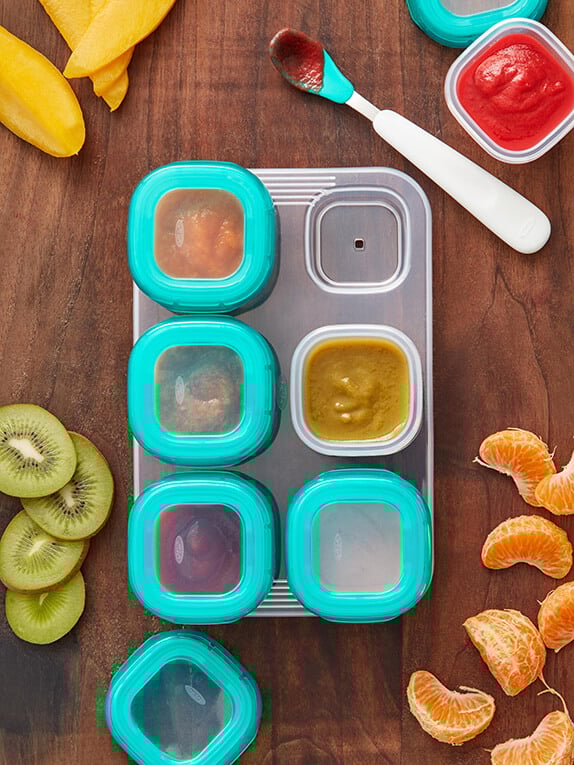
Use BPA-free, airtight containers to store baby food. Ice cube trays with lids work well for freezing small portions. Glass jars and silicone pouches are also good options. Avoid reusing containers that previously held other foods.Should You Refrigerate Or Freeze Immediately?
Refrigerate baby food if you plan to use it within 48 hours. For longer storage, freeze it immediately after cooling. This helps preserve nutrients and prevents bacteria growth. Never leave homemade baby food at room temperature for long.Tips For Freezing Homemade Baby Food
Freeze baby food in small portions for easy use. Spread purees into ice cube trays, then transfer frozen cubes to labeled freezer bags. Thaw only what you need to avoid waste. Always reheat thoroughly before serving.Signs That Homemade Baby Food Has Spoiled
Spoiled baby food may smell sour or have a strange texture. If you notice discoloration or mold, discard it immediately. Never taste test questionable food. It’s better to be safe than risk your baby’s health. `Shelf-stable Vs. Refrigerated Options
Deciding whether baby food belongs in the fridge or not can feel tricky, especially with so many options available. The key lies in understanding the difference between shelf-stable and refrigerated baby food. This distinction will help you store food properly and ensure it stays safe for your little one.
What Are Shelf-stable Baby Foods?
Shelf-stable baby foods are designed to sit on your pantry shelf without needing refrigeration. These typically come in jars, pouches, or cans and are sealed to lock out air and bacteria. The vacuum-sealed packaging keeps them fresh until you open them.
Once opened, shelf-stable baby food usually needs refrigeration. For example, if you open a jar of pureed carrots, you’ll want to pop it in the fridge after your baby is done eating. Check the label for specific storage instructions—it’s always better to be safe than sorry.
How Refrigerated Baby Foods Work
Refrigerated baby foods are fresh and often marketed as more natural or minimally processed. They’re kept cold to preserve their quality and flavor. Brands like Yumi or Once Upon a Farm are popular for offering these chilled options.
These foods need to stay refrigerated at all times, even before opening. If you’re out running errands, consider using a cooler bag to keep them cold. This ensures they’re safe when mealtime rolls around.
Which Option Is Right For You?
Choosing between shelf-stable and refrigerated baby food often depends on your lifestyle. Are you always on the go? Shelf-stable options are convenient because they don’t require refrigeration until opened. You can toss a pouch in your diaper bag and not worry.
If freshness is your priority, refrigerated options might appeal more. They often contain fewer preservatives and offer vibrant flavors. However, they do require careful storage and may not be as travel-friendly.
Quick Tips For Safe Storage
- Always check the label for storage instructions—brands vary.
- Use opened shelf-stable baby food within 24-48 hours and keep it refrigerated.
- Refrigerated baby food should never sit out for more than 2 hours.
- Invest in freezer packs or cooler bags if you’re traveling with refrigerated options.
Ultimately, the choice between shelf-stable and refrigerated baby food comes down to your needs. Are you prioritizing convenience or freshness? Either way, proper storage will keep your baby’s meals safe and delicious.
Signs Of Spoiled Baby Food
Knowing how to spot spoiled baby food is crucial for your child’s health. Babies have delicate digestive systems, and even a small amount of spoiled food can lead to tummy troubles or worse. By understanding the signs of spoilage, you can ensure every bite is safe and nutritious.
1. Strange Smell
Always sniff the baby food before serving. If it smells sour, rancid, or just “off,” it’s a clear red flag. Trust your nose—if it doesn’t smell right to you, it’s not safe for your baby.
2. Unusual Texture
Check for unexpected changes in texture. Lumpy or watery baby food that was once smooth is often a sign of spoilage. Give it a quick stir and see if it separates unnaturally—that’s another warning sign.
3. Color Changes
Baby food that’s turned a darker shade or developed spots may no longer be safe. For example, pureed apples turning brown could mean oxidation, but mold-like patches are a no-go. Always inspect the food under good lighting to catch subtle changes.
4. Presence Of Mold
Even a tiny spot of mold makes the entire jar unsafe to eat. Mold can spread invisibly beneath the surface, so don’t just scrape it off. Toss the whole jar immediately to avoid risking your baby’s health.
5. Popped Or Bulging Lids
If the jar or pouch lid is bulging or has popped open, it’s likely spoiled. This can happen due to bacterial growth inside the container. Always check for that reassuring “pop” when opening a sealed jar—if it’s missing, discard it.
6. Unusual Taste
If you’re unsure, taste a tiny amount before feeding it to your baby. Spoiled baby food may taste sour, bitter, or just plain unpleasant. While you don’t need to sample every time, doing so for older jars can save your baby from a bad experience.
7. Expired Date
Always check the expiration date on the packaging. Even if the food looks or smells okay, an expired date could mean it’s no longer safe to eat. When in doubt, throw it out—your baby’s health is worth more than a few saved pennies.
Have you ever had to toss out baby food for one of these reasons? It’s a tough call, but it’s better to be safe than sorry. Stay alert, and you’ll quickly get the hang of spotting these signs like a pro!
Freezing Baby Food Safely
Freezing baby food is a practical way to save time and ensure your little one always has nutritious meals on hand. However, it’s essential to freeze it the right way to preserve its quality and safety. If you’ve ever wondered how to freeze baby food without losing its goodness, you’re in the right place.
How To Freeze Baby Food Properly
Start by using fresh, high-quality ingredients when preparing baby food. Always let the food cool completely before freezing to avoid ice crystals forming, which can ruin texture and taste. Portion the food into small servings—ice cube trays work wonderfully for this.
Once frozen, transfer the cubes into airtight freezer bags or containers. Label them with the name of the food and the date it was prepared. This makes it easier to keep track of what needs to be used first.
How Long Can You Store Frozen Baby Food?
Most frozen baby foods are best used within 1–3 months. Beyond that, the texture and flavor may start to change. To make things easier, set reminders on your phone or jot down a list on the freezer door to track expiration dates.
Have you ever pulled out a container of something and wondered, “What is this?” Labeling and sticking to timeframes can prevent those mystery meals!
What Containers Are Best For Freezing?
Use BPA-free containers or freezer-safe silicone trays to freeze baby food safely. Avoid glass jars unless they’re specifically labeled as freezer-safe. Glass can crack under extreme temperature changes, and no one wants to deal with that mess.
If you’re using freezer bags, press out as much air as possible before sealing. This keeps the food fresher for longer and helps you save space in your freezer.
Thawing Frozen Baby Food Safely
Defrost baby food in the fridge overnight or use a bowl of warm water for a quicker option. Never leave it on the counter to thaw, as that can lead to bacteria growth. Once thawed, reheat it gently on the stove or in the microwave, stirring well to avoid hot spots.
Isn’t it amazing how a little planning can make mealtime stress-free? Just remember, once thawed, don’t refreeze baby food. Serve only what your baby will eat to minimize waste.
Can You Freeze Store-bought Baby Food?
It depends on the brand and packaging. Some store-bought baby foods are safe to freeze, especially if they’re sold in pouches or jars that haven’t been opened. Check the label for specific instructions or contact the manufacturer if unsure.
If you’ve already opened the jar, transfer the leftovers into a freezer-safe container instead of freezing it in the original packaging. Always prioritize safety when feeding your baby!
Freezing baby food isn’t complicated, but it does require some care. Are you ready to give it a try? You’ll thank yourself later for those busy days when homemade meals are ready to go in minutes.
Traveling With Baby Food
Keeping baby food fresh during travel depends on its type. Homemade purees typically require refrigeration, while shelf-stable options can stay at room temperature. Always check packaging instructions to ensure proper storage and safety.
Traveling with a baby requires planning, especially when packing baby food. Proper storage and preparation can help ensure food stays fresh and safe. Whether you’re on a road trip or flying, these tips can make traveling with baby food easier.Pack Baby Food In Travel-friendly Containers
Choose containers that are leak-proof and easy to carry. Small jars or pouches work well for single servings. Label containers to avoid confusion and save time during feeding.Keep Baby Food Cool During Travel
Use insulated bags or small coolers to keep food at the right temperature. Ice packs can help maintain freshness during long journeys. Avoid leaving baby food exposed to heat or direct sunlight.Plan Feeding Times Ahead
Estimate when your baby will need food during the trip. Having a schedule helps you prepare meals in advance. Keep snacks accessible for quick feeding during travel breaks.Bring Pre-made Or Store-bought Options
Pre-made baby food pouches are convenient for travel. They don’t require refrigeration before opening. Store-bought options can save time and reduce the need for extra preparation.Dispose Of Unused Food Properly
Discard any leftover food from opened containers. Keeping leftovers can lead to spoilage. Always check expiration dates before offering food to your baby. `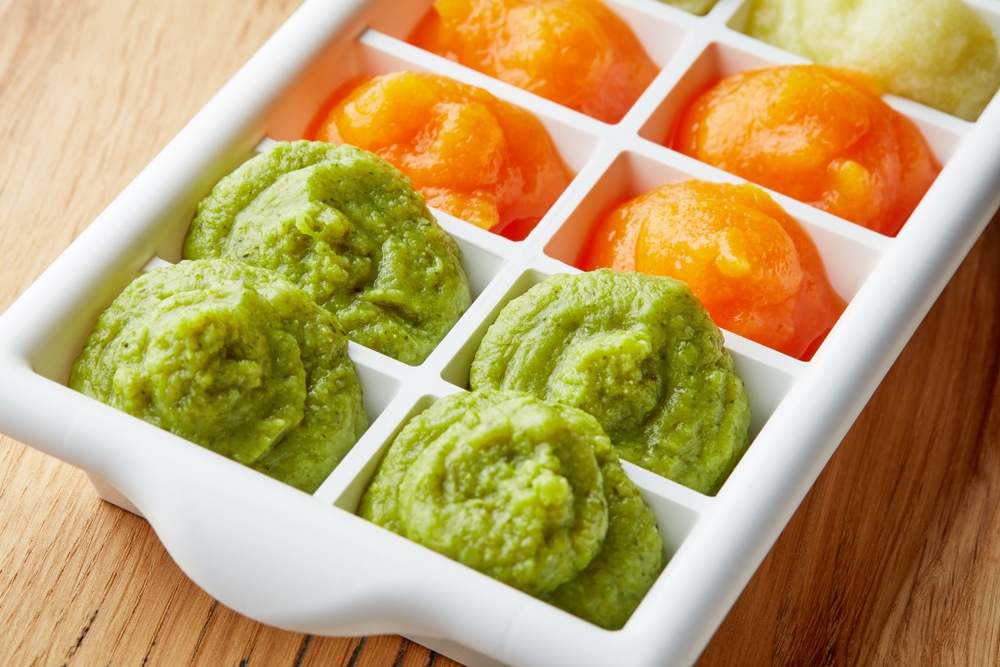
Credit: www.happyfamilyorganics.com
Tips For Extending Freshness
Keeping baby food fresh ensures its nutritional value and safety for your child. Proper storage methods can help extend the shelf life of homemade or store-bought baby food. Simple steps make a big difference in maintaining quality and taste. Below are some practical tips to help you preserve your baby food for longer.
Store In Airtight Containers
Use BPA-free, airtight containers to store baby food. This prevents air exposure, which can spoil the food. Glass jars or silicone storage cups work well for this purpose. Ensure the lids fit tightly to keep bacteria out.
Freeze In Small Portions
Freezing baby food in small portions reduces waste and extends freshness. Use ice cube trays or portion-sized containers to freeze the food. Label each portion with the date to track storage time.
Refrigerate Promptly
Place freshly prepared baby food in the refrigerator within two hours. Keep the temperature at or below 40°F (4°C) for safe storage. Do not leave baby food at room temperature for too long.
Avoid Double-dipping
Use a clean spoon to serve baby food to your child. Avoid putting used utensils back into the storage container. This prevents contamination and keeps the food fresh longer.
Keep Track Of Expiration Dates
Check the expiration dates on store-bought baby food before storing it. Homemade baby food should be consumed within 2-3 days if refrigerated. Frozen homemade baby food can last up to 3 months.
Thaw Safely
Thaw frozen baby food in the refrigerator or a bowl of warm water. Never thaw at room temperature to prevent bacterial growth. Use thawed food within 24 hours for the best quality.
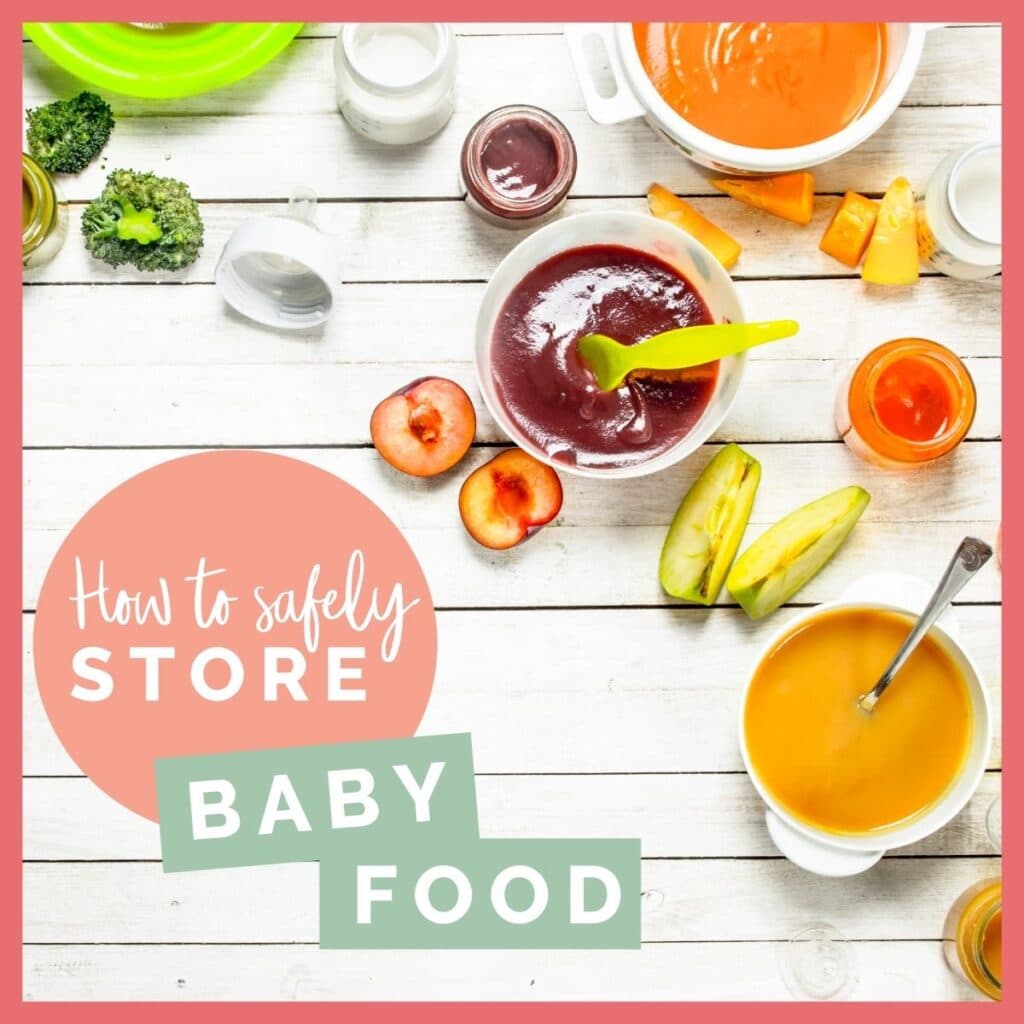
Credit: www.healthylittlefoodies.com
Frequently Asked Questions
What Happens If You Don’t Refrigerate Baby Food?
Unrefrigerated baby food can spoil quickly, leading to harmful bacteria growth. This increases the risk of foodborne illnesses. Always store opened baby food in the refrigerator to maintain freshness and safety. Discard any food left out for more than two hours to protect your baby’s health.
Are You Supposed To Put Baby Food In The Fridge?
Yes, store opened baby food in the fridge to keep it fresh. Seal tightly and use within 24-48 hours.
Can I Keep Baby Food At Room Temperature?
Baby food should not be kept at room temperature for more than 2 hours. Bacteria can grow quickly, causing spoilage. Always refrigerate opened baby food within this time to ensure safety. Discard any leftovers that have been at room temperature too long to protect your baby’s health.
What Is The 3 Day Rule For Baby Food?
The 3-day rule for baby food suggests introducing one new food every three days. This helps identify potential allergies or sensitivities. Monitor your baby for reactions like rashes, vomiting, or diarrhea during this period. It ensures safety while expanding your baby’s diet.
Conclusion
Proper storage of baby food is essential for your child’s safety. Always check labels for storage instructions and guidelines. Homemade baby food should be refrigerated within two hours of preparation. Store-bought jars often need refrigeration after opening to stay fresh.
Discard any baby food left out for too long. Safe practices help preserve nutrients and flavor for your baby. Remember, fresh food keeps your little one healthy and happy. Always double-check and trust your instincts to avoid risks. Keeping baby food fresh isn’t hard, but it does require care.
A little attention goes a long way in ensuring safe meals.