

Most families do not need to stop using a stroller on one exact birthday. The better goal is to use it less as your child becomes ready to walk, listen, stay close, and handle short outings without becoming overtired. For many toddlers, this transition starts sometime between ages 2 and 4, but your child’s stamina, safety awareness, health, and daily routine matter more than age alone.
Quick Answer
You can start reducing stroller use when your child walks steadily, wants to walk, follows simple safety instructions, and can handle short trips without becoming exhausted. Many families begin around ages 2 to 4, but keep the stroller for long outings, travel, illness, crowded places, or safety concerns.
Key Takeaways
- Readiness matters more than a fixed age. Watch your child’s walking stamina, balance, interest, and ability to stay near you.
- Reduce stroller use gradually. Start with short walks, then slowly add longer stroller-free trips.
- A stroller can still be useful for long days, travel, busy streets, illness, naps, disability, or sensory overload.
- Ask your child’s pediatrician if walking seems painful, delayed, unstable, or suddenly worse.
At a Glance
| Time Required | 2 to 6 weeks for many families, depending on your child’s stamina and routine |
| Difficulty | Easy to moderate; harder during travel, errands, crowds, or nap times |
| Tools Needed | Comfortable shoes, snacks, water, a small backpack, and a backup stroller for longer trips |
| Cost | Usually free; optional cost for a toddler backpack, safety harness, or lightweight backup stroller |
What Does It Mean to Stop Using a Stroller?
Stopping stroller use does not mean throwing the stroller away overnight. It means your child starts walking more during normal outings and depends on the stroller less often. This change helps your child practice balance, stamina, listening, and independence while you still keep safety first.
The transition should feel gradual. You may leave the stroller at home for a short walk around the block, but still bring it to the zoo, airport, shopping mall, or a full-day family trip. That flexible approach is usually easier than forcing your child to walk every time.
It also helps to separate stroller readiness from other stroller milestones. For example, learning when a child can sit in a stroller without a car seat is different from knowing when a toddler can walk safely through errands without a stroller.
Use Age as a Guide, Not a Rule
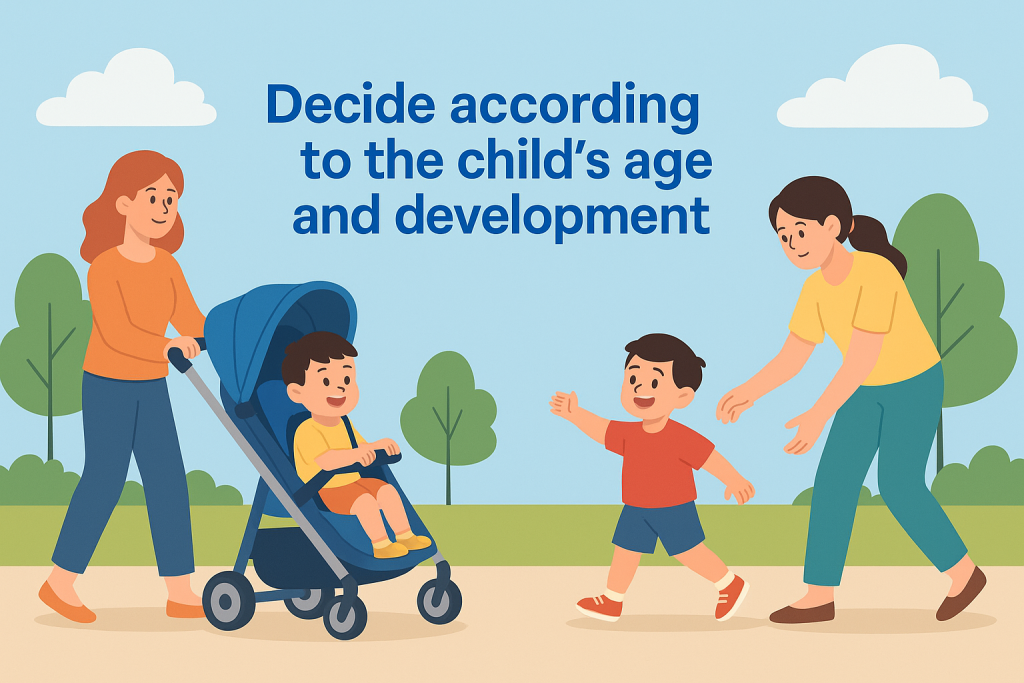
Many parents ask for one simple age, but children do not all build walking stamina at the same pace. Some toddlers want to walk everywhere before age 3. Others still need stroller breaks at age 4 during long days, busy routes, or hot weather.
A practical range is this: many families start reducing daily stroller use between ages 2 and 4. By this stage, many children can walk, run, climb, and show more independence, but they may still tire quickly or ignore safety instructions. That is why readiness signs matter more than the calendar.
Note: Stroller use is not a parenting failure. It is a safety and convenience tool. The goal is not to prove your child is grown up. The goal is to match the stroller to the outing.
Signs Your Child May Be Ready
- Your child walks steadily on flat ground.
- Your child asks to walk or tries to get out of the stroller often.
- Your child can walk short distances without needing to be carried.
- Your child can hold your hand or stay close when reminded.
- Your child understands simple safety instructions like “stop,” “wait,” and “hold my hand.”
- Your child seems uncomfortable because of stroller height, weight, or sitting space.
- Your child enjoys walking outside and exploring safely with you.
If most of these signs are present, you can begin with short stroller-free outings. If only one or two signs are present, keep practicing without pressure.
When to Stop Using a Stroller: Know the Right Time
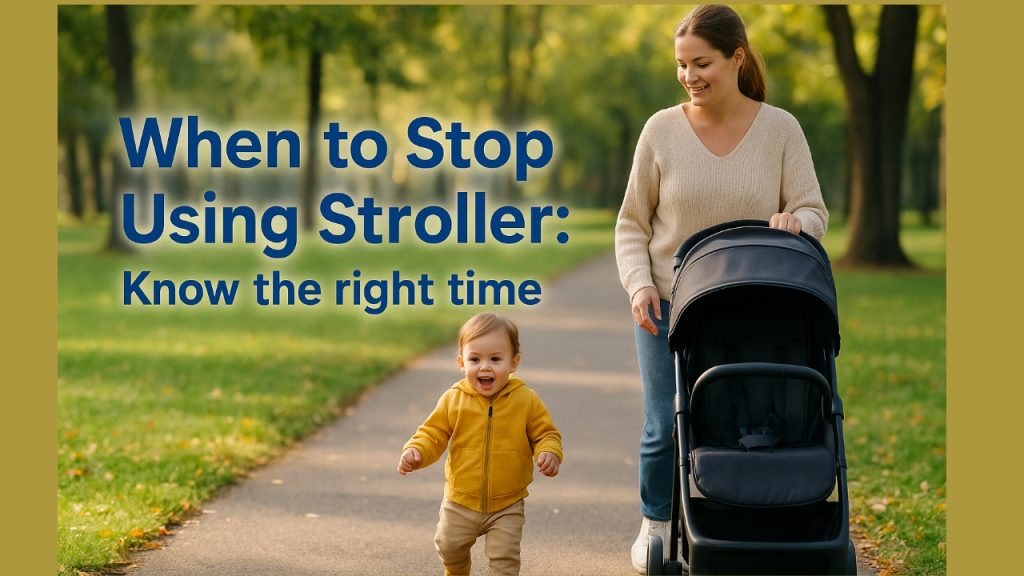
The right time to stop using a stroller is when walking feels safe, realistic, and healthy for your child’s current stage. You do not need to stop all stroller use at once. Start with easy trips, then save the stroller for harder situations.
Think about the whole outing before you decide. A child who can walk to the mailbox may not be ready to walk through a crowded airport. A child who walks well in the morning may need stroller help after preschool, skipped naps, or a long park day.
Recommended Products

Lightweight & Travel-Friendly Design - Weighing just 7.4 pounds, the Dream On Me Aero Travel Light Stroller makes traveling with your little one effortless. Ideal for families on the go — perfect for vacations, city strolls, and quick errands.

Lightweight & Travel-Friendly Design - Weighing just 7.4 pounds, the Dream On Me Aero Travel Light Stroller makes traveling with your little one effortless. Ideal for families on the go — perfect for vacations, city strolls, and quick errands.

LIGHTWEIGHT - A lightweight stroller makes any outing a little easier; The Ingenuity 3D Mini Convenience Stroller has a durable steel frame that weighs 11 pounds and has a full-sized seat, plus auto-lock, anti-shock front wheels and lockable rear wheels
Check Your Child’s Walking Stamina
Before you leave the stroller at home, watch how your child handles normal walking. Can your child walk for 10 to 15 minutes without crying, dragging their feet, asking to be carried, or stumbling often? Can they recover after a short rest?
Start with short, low-pressure trips. Walk to a nearby mailbox, around the block, or from the car to a small shop. If your child handles that well for several outings, slowly increase the distance.
Check Safety Awareness
Walking ability alone is not enough. Your child also needs basic safety awareness. A toddler who runs toward roads, pulls away in parking lots, or hides in stores may still need a stroller, hand-holding, or another safe option.
- Practice stopping at curbs.
- Teach your child to hold hands in parking lots.
- Use simple phrases like “feet stop” and “wait for me.”
- Praise safe walking right away.
- Keep outings short when your child is tired or hungry.
Warning: Do not force stroller weaning if your child has pain, frequent falling, sudden loss of walking skills, strong fatigue, or a known developmental concern. Ask your pediatrician or child-development provider for guidance.
When Expert Advice Helps
Most stroller transitions do not need a specialist. Still, a pediatrician can help if your child seems far behind peers, avoids walking because of pain, walks with a limp, falls often, or loses skills they already had. You can also use CDC child-development milestone resources to track concerns and prepare questions for your child’s doctor.
Expert advice is also useful if your child has a disability, sensory needs, low muscle tone, chronic illness, or a medical condition that affects walking. In those cases, stroller use may remain part of a healthy, safe routine for longer.
Benefits of Reducing Stroller Use Gradually
Reducing stroller use gives your child more chances to move, explore, and practice real-world walking skills. It also teaches patience, listening, and body awareness. The benefit comes from gradual practice, not from suddenly removing the stroller before your child is ready.
This transition may also change how you think about stroller cost and need. If you have wondered why strollers are so expensive, using one only when it truly helps can make your stroller feel more practical and less like something you must rely on every day.
Walking Ability and Confidence Improve With Practice
When your child walks more often, they practice balance, direction changes, stopping, starting, and stepping over small obstacles. Those small daily movements help them feel more capable.
- They learn to match your pace.
- They build confidence through small wins.
- They learn where to place their feet on different surfaces.
- They practice listening while moving.
- They become more involved in the outing.
Active Movement Supports Healthy Habits
Young children need daily chances to move. The World Health Organization’s under-5 activity guidance recommends balancing physical activity, sleep, and sedentary time, including time spent restrained. That does not mean every stroller ride is bad. It means long seated periods should not replace active play and walking practice every day.
The healthiest stroller transition is not sudden independence. It is steady practice with safe backup when your child is tired, overwhelmed, or in an unsafe place.
When a Stroller Still Makes Sense
Even after your child starts walking more, some situations still call for a stroller. Keeping the stroller for these moments can prevent meltdowns, unsafe running, and unnecessary carrying.
- Long outings: zoos, theme parks, festivals, airports, and full-day shopping trips.
- Busy or unsafe areas: parking lots, crowded sidewalks, train stations, or streets without safe walking space.
- Illness or recovery: your child may need rest after sickness or a medical appointment.
- Nap time: some children still need a stroller nap during travel or long days.
- Weather: heat, cold, rain, or snow can drain a toddler’s energy quickly.
- Disability or sensory needs: some children need stroller support for regulation, safety, fatigue, or mobility.
If your child still needs the stroller in these situations, you can still reduce everyday use. Stroller weaning is about balance, not a strict ban.
Recommended Products

Superior Quality: Breathable coth harness and durable nylon rope. The wrist link is made up of stainless-steel wire and sturdy PU material which is secure and difficult to be cut off. Ultra-soft sponge padding wristband can well protect wrist from scratching and sweating.
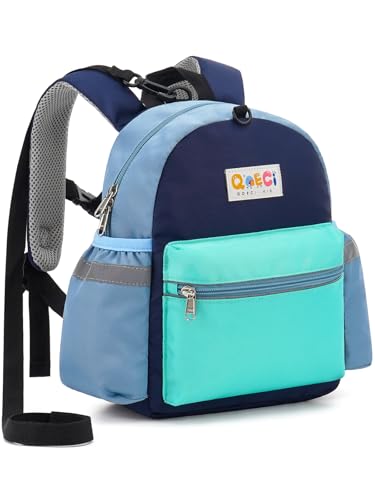
Keep Security and Freedom: This toddler backpack leash is equipped with a detachable leash, which combines safety and freedom, allowing your child to explore independently while staying close to you. Perfect for active toddlers, while giving them the joy of discovery during indoor or outdoor adventures, without worrying about your child running away.

Keep Your Baby Close and Security: With our reliable child anti-lost leash, you can always hold your curious boys/girls close to you, keep them out of danger at the same time give them more independence and bring you lot of peace mind. It’s perfect for zoo, park, airport, trip, fairs, museums, more crowded areas.
Alternatives to Stroller for Toddlers
After stopping regular stroller use, parents often need another way to keep a toddler safe. The right choice depends on your child’s age, listening skills, and the place you are visiting.
Recommended Products
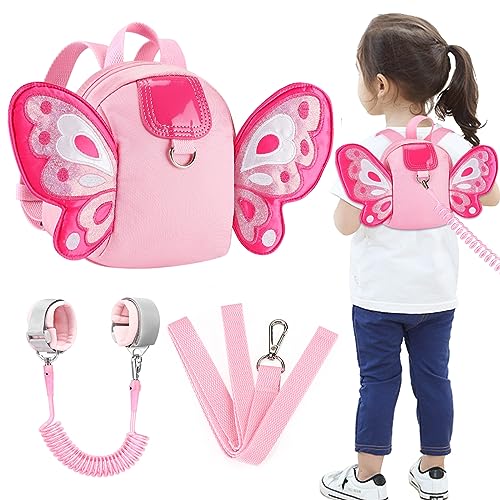
Attractive Butterfly Pattern: The children backpack is with cute Butterfly pattern which really make it attractive. Kids will love to take. Ideal gifts or Birthday gifts or Christmas gifts for girls and boys.

Attractive Penguin Pattern: The children backpack is with cute Penguin pattern which really make it attractive. Kids will love to take. Ideal gifts or Birthday gifts or Christmas gifts for girls and boys.

Safe and Supportive Design: This child safety harness helps parents maintain gentle control during daily activities or outdoor walks. It provides an extra layer of safety while allowing kids to explore comfortably and move with freedom
Hand-Holding and Short Walking Rules
Hand-holding is the simplest stroller alternative, but toddlers need practice. Use clear rules before you leave home. For example, say, “In the parking lot, you hold my hand,” or “At the curb, your feet stop.”
Keep the rule short and repeat it often. Long explanations usually do not work well when a child is already excited or tired.
Walking Harness or Toddler Backpack
A walking harness or toddler backpack can help in crowded places, near roads, or with a child who moves quickly. Use it as a safety aid, not as a substitute for supervision. The harness should fit comfortably, stay secure, and never pull hard on your child’s body.
- Choose a design made for toddlers.
- Check the fit before every outing.
- Keep the strap short enough to prevent sudden running.
- Use it with calm walking practice and hand-holding.
- Stop using it if your child trips, fights the fit, or seems unsafe.
Small Backpack or Safety Strap
A small backpack can make walking feel exciting because your child carries a snack, water bottle, or favorite small item. Some toddler backpacks include a safety strap. This can work well for short errands when your child wants independence but still needs close guidance.
Balance Bike, Push Toy, or Ride-On Board
For parks and safe open spaces, a balance bike or push toy can help active children move without sitting in a stroller. These are not good choices for parking lots, crowds, or busy sidewalks. If you still push a younger sibling in a stroller, a ride-on board may give an older toddler a break without needing a second stroller.
A Step-by-Step Stroller Weaning Plan
A gradual plan works better than a sudden rule. Your child gets practice, and you learn which outings still need stroller backup.
Step 1: Start With One Short Walk a Day
Choose a simple route, such as your driveway, hallway, yard, or one block. Keep it short enough that your child can finish successfully. End before they become exhausted.
Step 2: Use the Stroller as Backup, Not the First Choice
Bring the stroller on a medium outing, but let your child walk first. Tell them, “You can walk until your legs need a rest.” This makes the stroller a backup tool instead of the default seat.
Step 3: Create Walking Breaks During Errands
If you are going to a store, let your child walk from the car to the entrance while holding your hand. Use the stroller or cart inside if needed. Over time, add one more walking part.
Step 4: Praise Safe Walking, Not Just Walking Far
Praise the behavior you want repeated. Say, “You stopped at the curb,” or “You held my hand in the parking lot.” This teaches your child that safe walking matters more than speed.
Step 5: Leave the Stroller Home for Easy Trips
Once your child handles short walks well, leave the stroller home for predictable trips. Good first choices include a short park visit, a neighbor’s house, or a quick walk after dinner.
Pro Tip: Bring water and a small snack when you practice stroller-free outings. Many walking battles happen because a toddler is tired, thirsty, hungry, or overstimulated.
Stroller Weaning Tips Every Parent Should Know
Stopping regular stroller use can feel emotional for both parent and child. Your child may enjoy the freedom one day and ask for the stroller the next day. That is normal. Keep the process calm and flexible.
If your child still uses the stroller often, comfort can affect how smooth the transition feels. A child who only sees the stroller as a cozy rest space may resist walking. You can make outings easier by learning how to make a stroller comfortable while also giving your child more chances to walk before sitting.
Change the Habit Gradually
Do not begin with the hardest outing. A busy grocery store, airport, or long festival is not the best first stroller-free test. Start with a simple route and build from there.
- Practice walking for short periods.
- Use the stroller only after your child tries walking.
- Offer rest breaks before your child melts down.
- Keep your expectations lower near nap time.
- Return to stroller backup during illness, travel, or stressful weeks.
Teach Walking Through Play
Play makes walking practice feel less like a rule. Try “stop and go,” follow the leader, red light green light, or a short treasure hunt. These games teach stopping, starting, listening, and body control.
- Ask your child to find three leaves on a walk.
- Practice stopping at every driveway.
- Walk like animals for a few steps.
- Let your child push a small toy stroller in a safe area.
- Celebrate safe walking with praise, not candy or bribes.

Signs Your Child Is Ready To Stop Stroller Use
Your child’s behavior often tells you more than age alone. If your little one wants to walk, stays near you, and handles short distances well, you can start reducing stroller use. If your child bolts, falls often, or becomes exhausted quickly, keep practicing with support.
Some stroller preferences also connect with how your child feels while riding. For example, a child may resist the stroller because they want to see you, see the world, or face a different direction. If that is your main concern, it may help to review which way a baby should face in a stroller before deciding the stroller itself is the problem.
Your Child Wants to Walk
A child who repeatedly asks to walk is showing readiness. Let them try in safe places first. Use a sidewalk, quiet park, or short indoor route where you can guide them easily.
- Your child says they want to walk.
- Your child tries to climb out when it is safe to walk.
- Your child shows excitement during short walks.
- Your child wants to help push the stroller.
Your Child Resists Sitting in the Stroller
If your child often refuses the stroller, check the reason. They may be ready to walk more, but they may also be uncomfortable, tired of being strapped in, too warm, or bored.
Try a short walking break before forcing the stroller. If your child walks safely, continue. If they run, collapse, cry, or ignore safety rules, return to the stroller and try again another day.
Your Child Can Follow Simple Safety Instructions
This sign matters most in public. A child who can stop, wait, hold hands, and stay close is much easier to guide without a stroller. A child who cannot do those things may still need the stroller in parking lots, crowds, and near roads.
Frequently Asked Questions
At what age should a child stop using a stroller?
Many families start reducing stroller use between ages 2 and 4, but there is no single correct age. Start when your child walks steadily, follows simple safety directions, and can handle short outings without becoming too tired.
Is it bad to use a stroller after age 3?
No. A stroller can still be useful after age 3 for long outings, airports, theme parks, illness, naps, disability, sensory needs, or unsafe walking areas. The goal is to reduce unnecessary stroller time, not remove a helpful tool.
How do I know if my child is ready to stop using a stroller?
Look for steady walking, interest in walking, enough stamina for short trips, and the ability to stop, wait, and hold your hand. If your child bolts, falls often, or becomes exhausted quickly, keep practicing gradually.
What are the benefits of reducing stroller use?
Reducing stroller use gives your child more chances to practice walking, balance, listening, independence, and safe movement. It also helps your child take part in everyday outings instead of staying seated the whole time.
What problems can happen if a child sits in a stroller too long?
A stroller is safe when used correctly, but long seated stretches can reduce chances for active play, walking practice, and exploration. Balance stroller use with daily movement, outdoor play, and short walking practice.
How can I get my child used to walking instead of riding?
Start with short walks, choose easy routes, bring snacks and water, praise safe walking, and use the stroller only as backup. Slowly add distance as your child builds confidence and stamina.
Are walking harnesses safe alternatives to strollers?
A toddler walking harness or backpack can help in crowds or near roads when it fits well and you supervise closely. Use it gently, keep the strap short, and do not use it as a replacement for teaching hand-holding and stopping.
When should I ask a doctor about stroller use or walking?
Ask your pediatrician if your child has pain, limping, frequent falls, very low stamina, delayed walking, sudden regression, or a medical condition that affects movement. A doctor can check whether extra support is needed.
Conclusion
Stopping regular stroller use is a gradual step toward independence, not a strict rule that must happen on one birthday. Your child is ready when walking is safe, comfortable, and realistic for the outing.
Start small. Let your child walk short distances, practice hand-holding, and learn simple safety rules. Keep the stroller for long days, unsafe places, illness, travel, or times when your child truly needs rest.
When you balance freedom with safety, the transition becomes easier for both of you. Your child gets more chances to explore on their own feet, and you still have support when the day is too long for little legs.
Sources
- CDC — Learn the Signs. Act Early. — developmental milestone tracking and when to act on concerns
- World Health Organization — Guidelines on physical activity, sedentary behaviour and sleep for children under 5 years of age — physical activity, sleep, sedentary time, and restrained-time guidance
- U.S. Consumer Product Safety Commission — Carriages and Strollers Business Guidance — stroller safety standards and product-safety requirements


5 thoughts on “What Age Do You Stop Using A Stroller? Know Age Limit”