

Yes, a stroller can help a lot with a newborn, but you do not need one in every situation. The right choice depends on how often you walk, how much storage you need, whether you use public transit, and whether your stroller setup supports a newborn’s body safely.
Quick Answer
You need a stroller for a newborn if you take regular walks, run errands on foot, want storage for baby gear, or need a safe place to rest your baby while supervised. Choose a bassinet, true lie-flat seat, or compatible infant car seat setup. If you mostly do short trips, a carrier may be enough at first.
Key Takeaways
- A newborn stroller should support a flat or fully reclined position through a bassinet, true lie-flat seat, or approved infant car seat attachment.
- A stroller is most useful if you walk often, live in a city, shop on foot, or need storage for diapers, bottles, wipes, and extra clothes.
- A baby carrier can work better for quick errands, stairs, crowded spaces, or families with very limited storage.
- Do not use a stroller, car seat, swing, sling, or carrier for routine sleep. Move a sleeping baby to a firm, flat sleep surface on their back as soon as possible.
- Before buying second-hand, check recalls, brakes, frame condition, harness parts, wheels, and the manufacturer’s manual.
Do You Need a Stroller for a Newborn Right Away?
You may need a stroller right away if you expect to walk often during the newborn stage. A stroller gives your arms a break, carries daily essentials, and makes longer outings easier.
You may not need one immediately if you drive most places, have stairs with no elevator, or prefer babywearing for short trips. Many families start with a carrier or a travel-system frame, then buy a full stroller once they understand their routine.
| A stroller makes sense if… | You may wait if… |
|---|---|
| You walk daily, use public transit, or run errands on foot. | You mostly drive and only make short supervised stops. |
| You want storage for diapers, feeding supplies, and groceries. | You prefer a carrier and can carry essentials in a small bag. |
| You want a bassinet or true lie-flat setup for longer walks. | You have limited home or car storage and want to delay a larger purchase. |
| More than one caregiver needs an easy way to transport the baby. | You live in a walk-up apartment and lifting a stroller would be difficult. |
Warning: A stroller is not a routine sleep space unless the manufacturer specifically approves that exact bassinet or attachment for sleep. If your baby falls asleep in a stroller, car seat, swing, carrier, or sling, move them to a firm, flat sleep surface on their back as soon as you can.
Benefits of Using a Stroller for a Newborn
Recommended Products

🚩2 in 1 Convertible Stroller: This versatile baby stroller doubles as a moving baby bassinet. With adjustable backrest and footrest, it easily converts from a seat to a bassinet, providing a comfortable reclining or sleeping position for your newborn. The bassinet can also be detached and reversed, allowing your toddler to face forward or towards you while you stroll.

Room to Grow: Use from birth as a newborn stroller with easy conversion to infant pramette mode, allowing your baby to sleep comfortably on the go. This stroller adapts as your child grows, providing a secure ride from newborn to toddler stages. Compatible with Maxi-Cosi and Nuna car seats (car seat adapter sold separately).

2-IN-1 CONVERTIBLE STROLLER: This baby stroller can switch between basket mode and seated mode. The footrest provides additional support for infant, and the reversible basket pram allows your toddler to face you. The handlebar adjusts to 4 different heights to accommodate parents of various statures.
Convenience for Parents
Carrying a newborn everywhere gets tiring, especially when you also have a diaper bag, bottles, wipes, blankets, and groceries. A stroller frees your hands and gives you a stable place to keep essentials close.
This matters most during longer walks, pediatrician visits, park outings, and shopping trips where you need to stop, pay, open doors, or manage other children.
Comfort and Positioning for the Baby
Newborns cannot sit unsupported. A newborn-ready stroller should offer one of three safe setups: a bassinet, a true lie-flat seat, or a compatible infant car seat attached with manufacturer-approved adapters.
Look for a secure five-point harness, a stable frame, easy brakes, and clear manufacturer guidance for newborn use. The U.S. stroller safety standard is listed under 16 CFR Part 1227, and the CPSC explains stroller requirements in its carriages and strollers guidance.
Better for Long Walks and Outings
If you enjoy walking outside, a stroller with good suspension, a stable base, and a protective canopy can make outings easier. You can move at a steady pace without carrying your baby’s full weight the whole time.
For newborns, prioritize smooth movement and safe positioning over sporty features. Jogging and rough terrain should wait until your baby has the head and neck control required by the stroller manual and your pediatrician agrees.
Storage for Baby Essentials
Undercarriage baskets and pockets can hold diapers, wipes, feeding supplies, spare clothes, and small shopping bags. This can make errands less stressful, especially if you do not want to carry a heavy shoulder bag.
Use the storage basket instead of hanging heavy bags from the handlebar. The American Academy of Pediatrics warns that bags on stroller handles can make a stroller tip backward, so keep weight low and close to the rear wheels when the stroller design allows it.
Pro Tip: Before you buy, test the fold, brake, handle height, basket access, and trunk fit. A safe stroller still becomes frustrating if you cannot lift, fold, steer, or store it easily.
Types of Strollers Suitable for Newborns

Recommended Products

Versatile Design: 3-wheel stroller design provides superior maneuverability and easy turning for seamless navigation through crowded spaces.

3 strollers in 1: Infant Car Seat Carrier, Infant Pramette, and Toddler Stroller to stroll from infant to toddler

GROWS WITH YOUR CHILD: Modular, lightweight design offers 6 modes of use, with a toddler seat that converts from lay flat pramette mode for baby to an upright seat for toddler as your child grows
Full-Size Strollers
Full-size strollers are the “do most things” option. Many offer a true lie-flat recline or accept a newborn bassinet. They often feel sturdy and comfortable for daily walks, but they can be bulky.
Choose this type if you walk often, want one stroller to last beyond the newborn stage, and have enough room in your home or car. Check folded dimensions, stroller weight, seat weight limits, and compatible newborn accessories before buying.
Travel System Strollers
Travel systems pair an infant car seat with a stroller frame or stroller seat. They are convenient for short errands because you can move the car seat from the vehicle to the stroller without unbuckling your baby.
Use only adapters approved by the manufacturer. In the car, infants should ride rear-facing, and NHTSA recommends keeping children rear-facing as long as allowed by the car seat manufacturer’s height and weight limits. You can also use NHTSA’s car seat guidance and inspection resources if you need installation help.
| Feature | Why It Helps |
|---|---|
| Infant car seat compatibility | Helps with quick car-to-stroller transfers when you use approved adapters. |
| Small stroller frame option | Can be easier to lift and store than a full-size stroller. |
| Short-trip convenience | Works well for errands, appointments, and brief supervised stops. |
Do not treat the car seat as a long-duration resting spot outside the car. If your baby falls asleep, move them to a firm, flat sleep surface on their back as soon as practical.
Bassinet Strollers
Bassinet strollers give newborns a flat, enclosed space while you are walking or supervising them during outings. They are especially useful for longer walks because they do not keep the baby curled in a car seat position.
Read the manual carefully. Some stroller bassinets are approved for overnight sleep only with a specific stand or setup, while others are for supervised stroller use only. Follow the manufacturer’s instructions every time.
Features to Look for in a Newborn Stroller
Focus on safety and usability before extras. A newborn stroller should support safe positioning, stay stable, stop reliably, and fit your daily routine.
| Feature | Why It Matters |
|---|---|
| Five-point harness | Helps keep your baby secure across the shoulders, hips, and between the legs. |
| Reliable brakes | Helps prevent roll-away when you stop, load, or unload your baby. |
| Wide, stable base | Reduces tip risk during normal use. |
| Bassinet or lie-flat support | Supports newborns who cannot sit upright yet. |
| Low storage basket | Keeps weight low instead of pulling the handlebar backward. |
Note: Register your stroller with the manufacturer after purchase. Product registration helps the company contact you about recalls or safety notices.
First-Use Safety Checklist
Before your first outing, check the stroller in good light and read the manual. A few minutes of setup can prevent common problems.
- Confirm the stroller, bassinet, or car seat attachment is approved for newborn use.
- Check that the frame locks fully open before placing your baby inside.
- Fasten and adjust the five-point harness every time.
- Test the brakes before loading your baby.
- Keep bags out of the handle area unless the manual says a specific accessory is safe.
- Keep your baby’s face visible and watch for slumping, chin-to-chest positioning, or blocked breathing.
- Use only manufacturer-approved adapters, parts, and accessories.
- Check the stroller for recalls, especially if it is second-hand.
Recommended Products
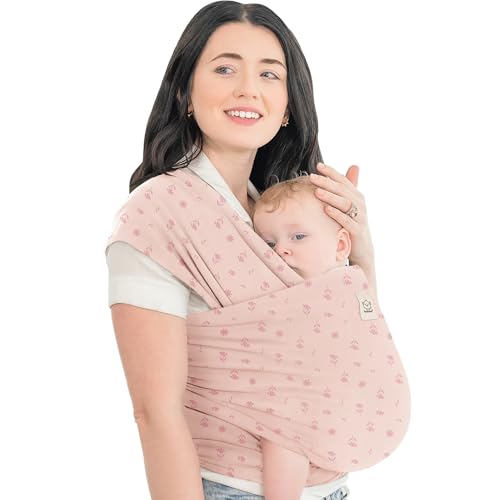
Ergonomically Designed - KeaBabies Original Baby Wrap Carrier evenly distributes your baby's weight for optimal back and shoulder support. It is certified by the International Hip Dysplasia Institute (IHDI) for promoting baby’s healthy hip development.

Ergonomically Designed - KeaBabies Original Baby Wrap Carrier evenly distributes your baby's weight for optimal back and shoulder support. It is certified by the International Hip Dysplasia Institute (IHDI) for promoting baby’s healthy hip development.

Ergonomically Designed - KeaBabies Original Baby Wrap Carrier evenly distributes your baby's weight for optimal back and shoulder support. It is certified by the International Hip Dysplasia Institute (IHDI) for promoting baby’s healthy hip development.
Alternatives to Strollers for Newborns
Baby Carriers and Wraps

Carriers and wraps can work well for quick errands, crowded places, stairs, and around the house. They also keep your baby close, which many newborns find soothing.
Fit matters. The AAP’s baby carrier guidance says a baby’s face should stay visible, the chin should not press into the chest, and the nose and mouth should remain clear. Premature infants or babies with breathing concerns may need extra medical guidance before using upright carriers.
Using an Infant Car Seat with a Base

An infant car seat with a base works well for driving and brief supervised stops. In the vehicle, keep your baby rear-facing and follow both the car seat manual and your vehicle manual.
If you are unsure about installation, look for a certified car seat inspection station through NHTSA or a local child passenger safety program. A secure stroller is helpful, but a correctly used car seat matters most in the car.
When a Stroller May Not Be Necessary Yet
You might delay a stroller if you have a small living space, climb stairs daily, use a carrier comfortably, or take only short car-based trips. You can also borrow or buy later once you know whether you need a compact travel stroller, a full-size stroller, or a bassinet setup.
Delaying can save money, but do not compromise newborn positioning. If you buy later, still choose a setup that matches your baby’s age, size, and development.
Factors to Consider Before Skipping a Stroller
Ask yourself these questions before you skip or delay the purchase:
- How often will I walk more than 10 to 15 minutes with my baby?
- Will I need storage for diapers, bottles, groceries, or another child’s items?
- Can I safely carry a stroller up stairs or fit it in my car?
- Do I have a carrier that fits my baby and keeps their airway clear?
- Will grandparents, babysitters, or another caregiver need an easier transport option?
- Can my budget cover the stroller plus required adapters, bassinet, or accessories?
Can You Buy a Second-Hand Stroller for a Newborn?
Yes, a used stroller can be a smart choice if it is safe, complete, and not recalled. Check the model name, model number, and manufacture date before buying. Then search the manufacturer site and CPSC recall database.
Inspect the frame, wheels, brakes, harness, buckles, folding lock, fabric, and all attachment points. Skip any stroller with missing parts, cracked plastic, bent metal, damaged brakes, mold, or unknown adapters.
Warning: Do not use a second-hand stroller if you cannot confirm the model, recall status, manual, and original parts. A cheap stroller is not worth the risk if the brakes, harness, or frame are unreliable.
Frequently Asked Questions
Do I need a stroller if I already have a baby carrier?
Not always. A carrier may be enough for quick errands, short walks, stairs, or crowded places. A stroller helps more with longer walks, storage, shared caregiving, and days when carrying your baby becomes tiring.
What kind of stroller is safest for a newborn?
The safest option is one the manufacturer approves for newborn use. Look for a bassinet, true lie-flat seat, or compatible infant car seat attachment. The stroller should also have a stable base, working brakes, and a five-point harness.
How long can I use a stroller for my baby?
Follow your stroller manual. Each model has its own weight, height, seat, basket, and accessory limits. Stop using a stroller seat or attachment when your child reaches the manufacturer’s limit or can use the product in an unsafe way.
When can I jog with my baby in a stroller?
Do not jog with a newborn. Wait until your baby has strong head and neck control and your jogging stroller manual allows it. Many parents wait until around 6 to 8 months, but your pediatrician and the stroller manual should guide the decision.
Can my newborn sleep in a stroller bassinet?
Only follow what the manufacturer allows for that exact bassinet and setup. Many stroller bassinets are meant for supervised outings, not routine or overnight sleep. For regular sleep, use a firm, flat sleep surface that meets current infant sleep safety standards.
Can I buy a second-hand stroller for my newborn?
Yes, but inspect it carefully. Confirm there are no recalls, all original parts are present, the harness works, the brakes hold, the frame locks open, and the manual is available. Avoid any stroller with damage, missing parts, or unknown adapters.
Conclusion
Do you need a stroller for a newborn? You probably do if you walk often, need storage, share caregiving, or want a comfortable way to handle longer outings. You may be able to wait if you mostly drive, prefer babywearing, or have limited storage.
Whatever you choose, prioritize safe newborn positioning, a secure harness, working brakes, stable storage, and manufacturer-approved accessories. A stroller should make outings easier without replacing safe sleep guidance, car seat rules, or your pediatrician’s advice.
Sources
- Electronic Code of Federal Regulations: 16 CFR Part 1227 — U.S. stroller and carriage safety standard.
- Consumer Product Safety Commission: Carriages and Strollers Business Guidance — stroller safety requirements, labeling, registration, and certification guidance.
- American Academy of Pediatrics: How to Choose a Safe Baby Stroller — stroller safety tips for brakes, harnesses, storage, and supervision.
- American Academy of Pediatrics: How to Keep Your Sleeping Baby Safe — safe sleep guidance for firm, flat sleep surfaces and moving babies from sitting devices.
- National Highway Traffic Safety Administration: Car Seats and Booster Seats — rear-facing car seat and installation guidance.
- American Academy of Pediatrics: Baby Carriers, Backpacks, Front Packs and Slings — baby carrier positioning and airway safety guidance.


4 thoughts on “Do You Need a Stroller for a Newborn? Types, Safety & Alternatives”