Some infant toys look fun at first, but a loose button, sharp edge, or loud speaker can turn playtime into a safety risk.
Your baby learns by touching, chewing, shaking, and dropping toys, so small design flaws matter. The worst toys for infants often include choking hazards, toxic materials, sharp parts, loud sounds, or features meant for older children.
Use this guide to spot risky toys, choose safer options, and make your child’s play space safer.
What’s in This Article
Quick Answer
The worst toys for infants include toys with small parts, sharp edges, toxic materials, loud sounds, long cords, weak seams, or labels meant for older children. Choose toys that match your baby’s age, feel sturdy, clean easily, and have no loose pieces that can fit fully inside a toilet paper tube.
Key Takeaways
- Choose infant toys with no small, loose, or detachable parts.
- Check toys for sharp points, broken seams, chipped paint, and loose batteries.
- Pick quiet toys or toys with adjustable volume to protect your baby’s hearing.
- Follow age labels because they reflect both safety risks and developmental fit.
- Inspect toys often, since normal wear can turn a safe toy into a hazard.

Credit: www.prwe.com
Recommended Products

SILICONE BABY TEETHING TOY: Thoughtfully designed with a room-temperature silicone handle that prevents baby's hands from getting cold while chewing, allowing for extended teething sessions without discomfort. The easy-grip ergonomic shape is perfectly sized for little hands and promotes independent use during teething pain

Innovative Design: Combination Silicone teething mitts is right-sized for little hands, with built-in handles, and textures to help with developmental growth while satisfying the baby's need to soothe tender gums

BABY TEETHING TOYS: Our teething toys are perfect for soothing sore gums during every stage of baby teething; Place in refrigerator to provide a soothing, cooling sensation for your little one
Choking Hazards
Choking hazards create one of the biggest toy risks for infants. Babies explore by putting objects in their mouths, so small parts can block their airway fast.
Watch for toy pieces that can break off, squeeze loose, or hide under furniture after play. A toy can look safe in the store but become risky once your baby pulls, bites, or drops it.
Small Parts Are Big Problems
Many toys have tiny pieces that can break off during normal play. Buttons, beads, wheels, eyes, bells, and plastic caps can all pose choking risks.
Check toys for loose parts before each use. Tug gently on small features, and remove the toy if any piece bends, cracks, or comes loose.
Age Recommendations Matter
Toy makers add age labels to help you match toys to your child’s stage. These labels also warn you about small parts and other safety risks.
A toy labeled for ages 3 and up may contain pieces that can choke an infant. Choose toys marked for your baby’s age range, and follow any warning labels.
Hidden Hazards In Plush Toys
Plush toys can feel soft and safe, but some include small decorations that can detach. Buttons, beads, plastic eyes, bows, and sewn-on tags deserve close inspection.
Choose plush toys with embroidered features instead of glued or plastic parts. Wash them often, and remove them from use if seams split or stuffing leaks.
DIY Safety Check
You can use a toilet paper tube as a simple choking check at home. If a toy or loose part fits fully inside the tube, keep it away from infants.
This test does not replace official safety standards, but it helps you spot obvious risks. Repeat the check after toys get chewed, dropped, or washed.
Warning: Keep loose button batteries and magnets away from infants because swallowing them can cause severe injury.

Credit: www.usatoday.com
Sharp Edges And Points
Sharp edges and points can cut, scratch, or poke your baby during play. Infants move with little control, so even a small rough spot can hurt them.
Sharp Edges: A Hidden Danger
Some toys look harmless but hide rough seams, chipped paint, or cracked plastic. These edges can cut delicate skin and may expose unsafe inner parts.
Run your fingers over the toy before giving it to your baby. Choose toys with smooth, rounded edges and sturdy construction.
Pointed Parts: A Risky Feature
Toys with pointed parts can harm your baby’s mouth, face, or eyes. This risk grows when a baby crawls, falls, or chews while holding the toy.
Choose soft, blunt shapes for infants. Avoid toy swords, pointed animal ears, hard antennas, and thin plastic pieces that can snap.
Regular Inspection: A Protective Measure
Check toys for wear, cracks, and loose pieces every week. Damaged toys can develop sharp edges that were not present when you bought them.
Throw away broken toys right away. Repairing infant toys with glue or tape can create new choking or chemical risks.
Safe Alternatives: Opt For Rounded Designs
Rounded designs and soft materials reduce injury risks. Good choices include washable plush toys, soft blocks, silicone teethers, and large fabric balls.
Choose toys made for infants, not toys meant for older children. Infant toys should feel light, smooth, and easy to clean.
Recommended Products

ENGAGING SELF-DISCOVERY: The Itzy Ritzy sensory tummy time mirror features an adorable cow character and a baby mirror that captivates your little one's attention, fostering self-awareness and visual development in a fun and engaging way.

🍼【10-Piece Baby Rattles & Teethers Set】 This premium 10 baby toys set includes a variety of soft silicone teethers and gentle bell rattles. Designed to engage your baby’s senses (touch, sound, sight). Different shapes (rings, animals, easy-grip handles) help develop fine motor skills and hand-eye coordination for 0-3-6-12 months infants.

✨Innovative Design - 7 stackable cups have different top patterns have exquisite strokes, which enrich the touch of hand-touched patterns.7 different colors attract baby's attention and promote visual development.Stacking cups also help kids learn language and fine motor skills.
Toxic Materials
Infants often chew and suck on toys, so material safety matters. Toxic materials can expose your baby to harmful substances through the mouth, skin, or dust from worn surfaces.
Look for labels that state the toy meets current safety standards in your country. Avoid old, damaged, recalled, or unlabeled toys when you can’t confirm what materials they contain.
Lead In Paint
Lead can harm a child’s brain and nervous system. Older painted toys and poorly made imported toys may carry a higher risk of lead exposure.
Avoid toys with peeling, chipped, or unknown paint. Check recall notices if you buy secondhand toys or receive older hand-me-downs.
Phthalates In Plastic
Manufacturers use some phthalates to soften plastic. Certain phthalates have restrictions in children’s toys because young children may chew plastic parts.
Choose toys labeled phthalate-free when buying soft plastic items. Skip toys that smell strongly of chemicals or feel sticky, brittle, or greasy.
Formaldehyde In Wood Toys
Some pressed wood products and glues can release formaldehyde. Solid wood toys with safe finishes usually make a better choice for infants.
Choose smooth, sealed wooden toys from brands that share safety testing details. Avoid splintered wood, strong chemical odors, and toys with flaking coatings.
Heavy Metals In Electronics
Electronic toys can contain heavy metals in batteries, circuit boards, paint, or internal parts. These parts should never become accessible during infant play.
Choose electronic toys with secure battery compartments that require a tool to open. Remove any toy with a cracked case, loose screws, or leaking batteries.
Recommended Products
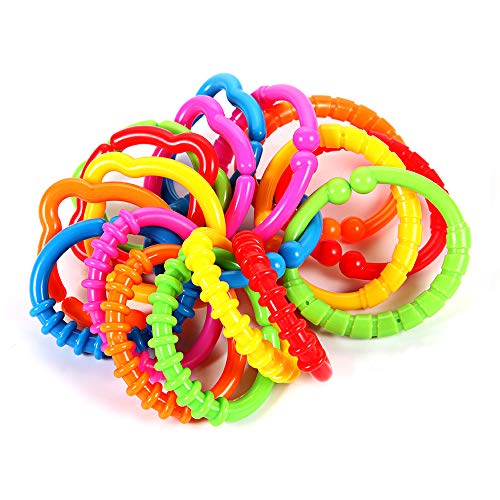
MULTI BRIGHT COLORS FOR VISUAL STIMULATION-18pcs as a set linkable toy, include 6 bright colors, different textures and surfaces stimulate baby's sense of touch and teach baby to recognize new objects.

Set of 10 colorful blocks for baby to sort, stack and drop through the shape-sorter lid
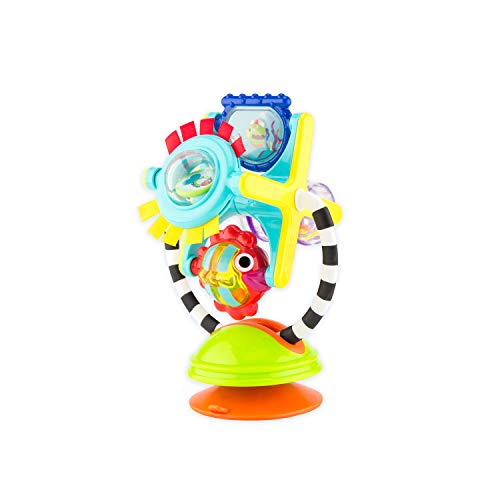
2-in-1 toy; use suctioned to a table or high chair tray, or remove base for floor play
Small Parts And Detachables
Small parts and detachable pieces create serious choking risks for infants. These parts can break away during chewing, pulling, washing, or repeated drops.
Why Small Parts Are Risky
Infants use their mouths to learn about shape, texture, and taste. A bead, button, cap, or loose toy piece can block an airway before a caregiver notices.
Small parts also hide easily in rugs, car seats, and under furniture. Keep older children’s toys out of infant play areas because they often include tiny pieces.
Common Offenders
Many toys that seem safe at first glance include detachable parts. Watch for dolls with removable shoes, rattles with loose caps, toy cars with wheels, and stuffed animals with plastic eyes.
Check bath toys too. Squeaky toys can trap water inside, which may lead to mold and cracks over time.
Choosing Safer Toys
Choose toys specifically labeled for infants. They should not include small removable parts, loose decorations, or thin plastic pieces that snap under pressure.
Safer options include soft books, large textured balls, sturdy stacking cups, and one-piece teethers. Pick toys that can handle biting, pulling, washing, and dropping.
Testing Toy Safety At Home
Use the toilet paper tube test for a quick home check. If the toy or part fits fully inside, keep it away from babies and toddlers.
Also check whether a toy has strings, straps, ribbons, or cords. Long cords can create a strangulation risk for infants.
Being Proactive
Set a weekly routine for toy inspection. Check seams, batteries, wheels, rattling parts, and any item your baby chews often.
Discard damaged toys instead of trying to fix them. A quick check can prevent a serious emergency.
Noise Levels And Hearing Damage
Choosing toys for infants requires careful thought about sound. Many musical, talking, and siren-style toys can sound much louder when held near a baby’s ear.
Loud sounds may startle your baby, raise stress, and place sensitive hearing at risk. Choose toys that engage your baby without constant loud noise.
Understanding Safe Noise Levels
Sounds at or above 85 decibels can contribute to hearing damage, especially with repeated or long exposure. Some toys may exceed that level when used close to the ear.
Test noisy toys before your baby uses them. A sound meter app can help you compare volume, but your own judgment still matters.
Toys That Are Too Loud
Sirens, horns, toy phones, keyboards, and battery-powered music toys can produce harsh sounds. These toys become riskier when babies press them against their ears.
Choose toys with volume controls, off switches, or softer sounds. Covering a speaker with tape may reduce volume, but replacing the toy often works better.
Signs A Toy May Be Too Loud
Watch your baby during play. Turning away, crying, startling, or holding the toy away may signal that the sound feels too strong.
Stop using the toy if it seems loud to you at arm’s length. Your baby’s ears sit much closer to the sound during play.
Pro tip: Hold a noisy toy near your own ear before buying it, since babies often do the same during play.
Age-inappropriate Toys
Age-inappropriate toys can overwhelm infants or expose them to hazards. Toys meant for older children often include small parts, complex mechanisms, magnets, batteries, cords, or sharp features.
Understanding Age Recommendations
Age recommendations on toy packaging do more than suggest skill level. They also reflect safety testing, small-parts rules, and common behavior at each stage.
A puzzle meant for a 3-year-old can frustrate a 10-month-old and create choking risks. Always check the age label before you buy or accept a toy.
The Dangers Of Small Parts
Toys for older children often include small pieces that infants can swallow. Building sets, craft kits, dolls, toy jewelry, and miniature vehicles need extra caution.
Keep older siblings’ toys in a separate space. Use bins with lids or play zones that your baby can’t reach.
Overstimulating Toys
Toys with constant lights, fast music, and loud sounds can overwhelm an infant’s senses. Overstimulation may lead to crying, fussiness, or shorter play sessions.
Choose toys that offer simple sensory input. Soft rattles, cloth books, textured balls, and stacking cups can hold attention without too much noise or light.
Complex Toys Beyond Developmental Stage
Complex toys can frustrate infants because they require skills your baby has not built yet. Small switches, tight buttons, and complicated moving parts can make play less rewarding.
Choose toys that match your baby’s current abilities. Large blocks, soft mirrors, fabric books, and simple cause-and-effect toys work well for early learning.

Credit: m.youtube.com
How To Check A Toy Before Giving It To Your Baby
A short safety check can help you catch risks before play starts. Use the same routine for new toys, hand-me-down toys, and toys your baby uses often.
- Read the age label and warning labels first.
- Check for small parts that fit inside a toilet paper tube.
- Pull gently on buttons, seams, wheels, ribbons, and plastic pieces.
- Run your fingers over edges to feel for sharp or rough areas.
- Check battery doors and make sure screws close tightly.
- Wash or wipe the toy according to the label before first use.
- Search official recall lists when buying secondhand toys.
Note: Hand-me-down toys can still be useful, but inspect them more closely because safety rules and materials may have changed.
Safer Toy Choices For Infants
The safest infant toys usually have simple designs, strong construction, and easy-to-clean materials. They support touch, sound, movement, and early problem-solving without risky extras.
Good infant toy choices often include:
- Soft cloth books with sewn pages.
- Large stacking cups without loose parts.
- One-piece silicone or rubber teethers.
- Washable plush toys with embroidered features.
- Large textured balls made for infants.
- Soft blocks that your baby can grip and mouth.
Match each toy to your baby’s age, skills, and play style. Remove any toy that breaks, cracks, smells strongly, or no longer cleans well.
Frequently Asked Questions
What Toys Pose Choking Hazards For Infants?
Small toys and toys with detachable parts can pose choking risks. Infants often explore by mouthing objects, so choose toys that do not fit fully inside a toilet paper tube. Check toys often for wear, cracks, or loose pieces.