Are you struggling to find toys that capture your baby’s interest? You’re not alone.
Many parents face the challenge of entertaining little ones who seem indifferent to the usual array of toys. It’s a common dilemma, and it can leave you feeling frustrated and worried. But don’t lose hope just yet. There are clever ways to engage your baby and turn playtime into a joyful experience for both of you.
We’ll explore innovative strategies and unique toy options that cater to babies who aren’t interested in traditional toys. Get ready to discover new ways to spark your baby’s curiosity and keep their little hands busy. Dive in and find solutions that will bring smiles to your baby and peace of mind to you.
Credit: hub.jhu.edu
Sensory Play Alternatives
Exploring sensory play alternatives can benefit babies who show little interest in traditional toys. Everyday objects like soft fabrics, measuring cups, or textured balls can captivate their senses. These simple items encourage exploration, touch, and creativity, providing enriching experiences without conventional toys.
Parents often face the challenge of engaging babies who seem uninterested in traditional toys. The key might be sensory play alternatives, which offer diverse experiences that stimulate a baby’s senses and encourage exploration. Sensory play is about touching, seeing, hearing, smelling, and sometimes even tasting. It’s an adventure that could capture your baby’s attention and foster development in unexpected ways.
Safety note: Always supervise closely, avoid small objects (choking hazards), and check items for sharp edges, loose parts, or toxic materials.
Recommended Products

[High Contrast Baby Toys] Our baby sensory toys sets include 1 car seat toy, 1 bear rattle toy, 1 black and white baby book, 8 high contrast baby cards and storage bag.

Set of 10 colorful blocks for baby to sort, stack and drop through the shape-sorter lid

Bursting with Color: Our juggling scarves come in 12 vivid colors, with 1 pieces of each color. The bright and eye-catching hues are sure to meet all your needs and bring a joyful mood to any activity. Perfect for juggling, imaginary play, and dancing!
DIY Sensory Bags
Create sensory bags using household items. Fill heavy-duty zip-top bags with colorful gel or water mixed with glitter. Seal them tightly and let your baby squish and press them. This tactile experience can engage even the fussiest little ones. The beauty of DIY sensory bags is that you can adjust the contents to suit your baby’s preferences. Experiment with different textures and colors, and see what sparks their interest.
Water Play
Water play is a simple yet effective sensory activity. Fill a shallow tub with water and let your baby splash around. Add a few bath-safe objects like cups or spoons. This can keep them entertained while stimulating their sense of touch and sight. Always supervise within arm’s reach, even with shallow water. As a parent, you might find joy in watching them discover the movement and sound of water. Does your baby giggle at the splash? Pay attention to what makes them smile and build on it.
Music And Rhythm
Introduce your baby to music and rhythm. Play different genres and observe their reactions. You can use pots and pans as drums for them to tap along. This encourages auditory exploration and might reveal their musical preferences. My niece loved the sound of classical music, which surprisingly calmed her down. What tunes make your baby sway or smile?
Textured Surfaces
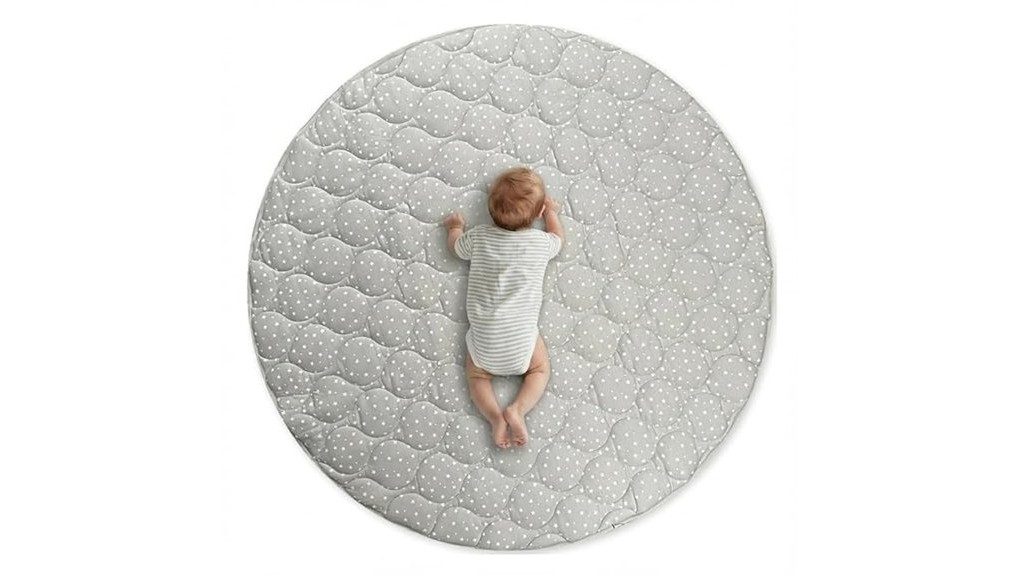
Lay down different textured fabrics for your baby to crawl on. From soft blankets to rough burlap, these surfaces can provide a fascinating tactile experience. Place toys or objects of interest on these textures to further engage them. Babies often learn by touching and feeling, so encourage them to explore these diverse materials. You might be surprised by their favorite texture—have you noticed them gravitating towards a particular fabric?
Edible Finger Paints
Use yogurt or pudding as edible finger paints for your baby. Place them on a highchair tray and let them create their masterpiece. This messy play is safe and engages their sense of touch and taste. Check ingredients for allergies and only offer if your baby is already eating these foods safely. You might be concerned about the mess, but the joy and learning your baby experiences are worth it. Remember to capture these moments; they grow up fast! Sensory play alternatives can be a game-changer for babies who don’t like toys. Consider these options and observe what captivates your baby. What sensory experience will you try next?
Interactive Household Items
Babies often show interest in exploring everyday household items. These items can be more engaging than traditional toys. Parents can use these objects to encourage learning and play.
Household items offer unique textures, sounds, and movements. They stimulate curiosity and creativity in young minds. Let’s explore some interactive household items that captivate babies.
1. Kitchen Utensils
Wooden spoons and measuring cups make wonderful playthings. Babies enjoy banging them together. These items create interesting sounds and improve hand-eye coordination.
2. Plastic Containers
Lightweight containers are safe for babies to explore. They can stack or nest them. This helps develop spatial awareness and problem-solving skills.
3. Mirrors
Small, safe mirrors fascinate babies. They love seeing their reflections. This activity promotes self-recognition and visual tracking abilities.
4. Scarves and Fabric
Brightly colored scarves provide endless fun. Babies enjoy feeling the soft textures. They can also play peek-a-boo, which enhances social skills.
5. Cardboard Boxes
Large boxes become tunnels or forts. Babies crawl through them, enhancing gross motor skills. They can also decorate the boxes, sparking creativity.
Recommended Products
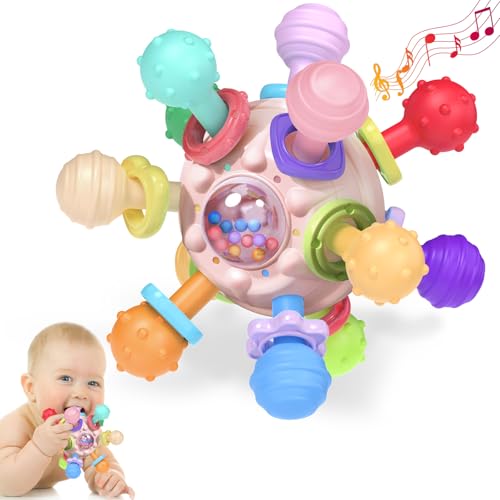
Baby Multi-Sensory Teething Toys: Tonberless hand-held baby teething toys, the baby will have the habit of biting or crying, and eating their hands. The 360-degree rotary teething ball has 12 chew points and different textured surfaces. Massage the gums to relieve teething pain more effectively and meet the needs of the baby's oral stage. Different textures provide a stimulating touch and help the baby's sensory development.
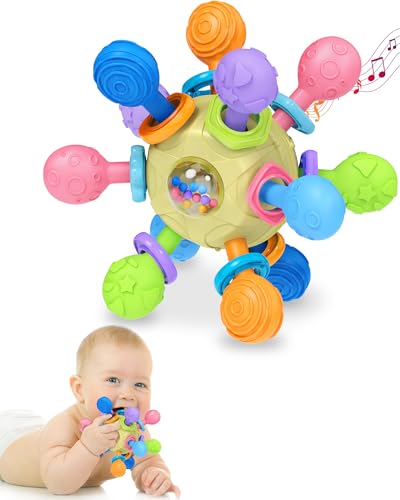
Baby Tummy Time Montessori Toys for Babies 3+ Years Old Shower Gifts for Boys Girls

20-in-1 Montessori Farm Busy Board: Dive into Montessori-inspired learning with our Farm Busy Board. With 20 activities spread over 10 pages, featuring a variety of mechanisms to enhance hand-eye coordination, muscle development, self-care skills, and foster a proactive spirit of learning and exploration, nurturing independent & confident characters
Nature-based Activities
Babies uninterested in toys might enjoy nature-based activities. Leaves, stones, and sand offer sensory experiences. These natural elements encourage exploration and curiosity.
When it seems like your baby is uninterested in traditional toys, nature-based activities can be a wonderful alternative. These activities not only engage your baby’s senses but also introduce them to the world around them in a gentle and soothing way. The beauty of nature can captivate even the most toy-resistant little ones, making playtime both enjoyable and educational.
Interactive Leaf Play
Leaves come in various shapes, sizes, and textures. Collect a few from your backyard or a nearby park. Spread them on a soft blanket and let your baby explore the different textures with their hands and feet. Talk to your baby about the colors and sounds the leaves make. This simple activity can be a sensory delight and an early lesson in nature’s diversity.
Outdoor Tummy Time
If your baby enjoys tummy time, try taking it outside. Lay a blanket on the grass and let them feel the earth beneath them. The fresh air and natural surroundings can make tummy time more enjoyable. Point out the sky, trees, or anything interesting nearby. This not only strengthens their neck muscles but also stimulates their curiosity.
Water Play With Nature
A small basin of water and a few natural items like large stones or twigs can provide endless fascination. Avoid anything small enough to fit in your baby’s mouth, and supervise closely. This activity introduces them to the properties of water and the concept of floating and sinking. Ask yourself: How does your baby react when they see a leaf float or a stone sink? These observations can be the start of a lifelong love for exploration.
Listening To Nature’s Sounds
Babies have keen ears that love new sounds. Sit outside with your baby during a quiet time of day. Listen together for birds chirping, leaves rustling, or even distant dogs barking. Describe these sounds to your baby. This can enhance their listening skills and help them connect sounds with the world around them. Engaging your baby with nature-based activities not only provides them with a break from the usual toys but also enriches their development in a holistic way. What natural experiences have captured your baby’s interest? Maybe it’s time to explore the outdoors together!
DIY Play Solutions
Babies uninterested in toys can find joy in everyday objects. Simple items like pots, spoons, or colorful fabric engage their curiosity. These DIY play solutions offer safe and stimulating experiences, encouraging exploration and creativity.
Every parent has experienced the frustration of buying a new toy, only to watch their baby show more interest in the box it came in. If your little one isn’t a fan of traditional toys, don’t worry. DIY play solutions can be your saving grace. These creative and budget-friendly ideas can captivate your baby’s interest while encouraging developmental milestones. Plus, they often use items you already have at home.
Recommended Products

Four Panels, each filled with different fabrics and textures
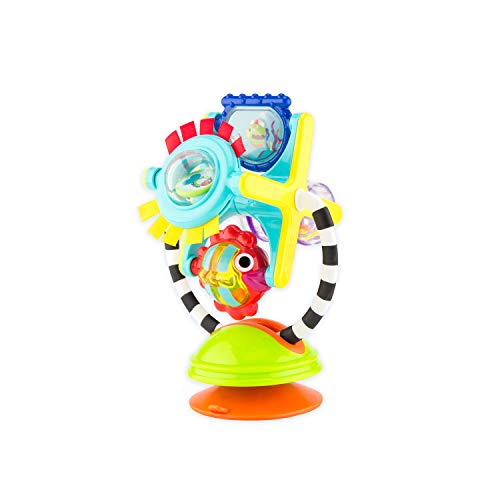
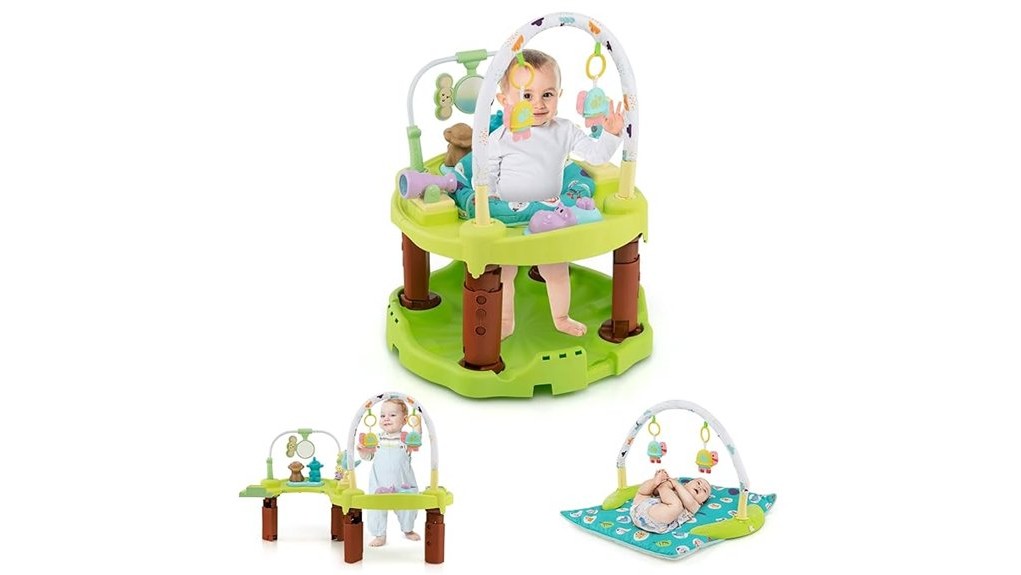
2-in-1 toy; use suctioned to a table or high chair tray, or remove base for floor play

Soft, textured surfaces encourage mouthing, aiding in the development of communication skills.
Cardboard Creations
Have you noticed how a simple cardboard box often holds more appeal than the fancy toy inside? Try transforming boxes into tunnels, forts, or even a mini car. Simply cut out a few windows and doors, and let your baby’s imagination take the wheel. You’ll find them crawling, peeking, and giggling for hours. Who knew recycling could be so much fun?
Sensory Bottles
Gather empty water bottles and fill them with items like rice, pasta, or colorful beads. Seal the lid tightly, and you’ve got a DIY rattle that also doubles as a visual treat. Babies love shaking and observing the movement inside these bottles. What other household items can you use to create different sounds and sights?
Fabric Swatches
Raid your closet for old clothes or fabrics with varied textures. Cut them into small, baby-friendly swatches. Lay them out on the floor, and watch as your baby explores the different feels under their tiny fingers. This tactile experience can greatly enhance their sensory development. What textures will your baby love most?
Water Play
Fill a shallow container with water and add a few floating items like sponges or plastic lids. Supervise as your baby splashes and discovers the properties of water. Stay within arm’s reach and keep water shallow at all times. Water play can be soothing and educational, teaching your baby about cause and effect. How can you make bath time just as enticing?
Kitchen Band
The kitchen holds a treasure trove of musical possibilities. Grab a couple of wooden spoons and some pots or pans. Let your baby create their own symphony of sounds. It might be noisy, but it’s a delightful way to nurture their sense of rhythm. Which kitchen item will be their favorite instrument? DIY play solutions can turn any ordinary day into an adventure. They inspire creativity, enhance development, and best of all, require little to no spending. So next time your baby turns away from a store-bought toy, consider these alternatives. What DIY play solution will you try first?
Musical Engagement
Musical engagement can be a wonderful way to entertain babies. Babies who shy away from typical toys may find joy in music. Tunes have the power to captivate their senses and spark curiosity. Music can soothe, stimulate, and encourage babies to explore sounds. Let’s dive into how musical engagement can enrich their playtime.
Musical Instruments For Little Hands
Musical instruments can be fascinating for babies. Simple instruments like tambourines or maracas are easy to hold. These instruments produce interesting sounds with a gentle shake or tap. Babies enjoy the cause-and-effect of creating sound themselves.
Consider instruments with varied textures for tactile exploration. Soft drum pads or colorful xylophones offer both sound and touch. These elements can keep babies engaged and curious.
Interactive Music Playmats
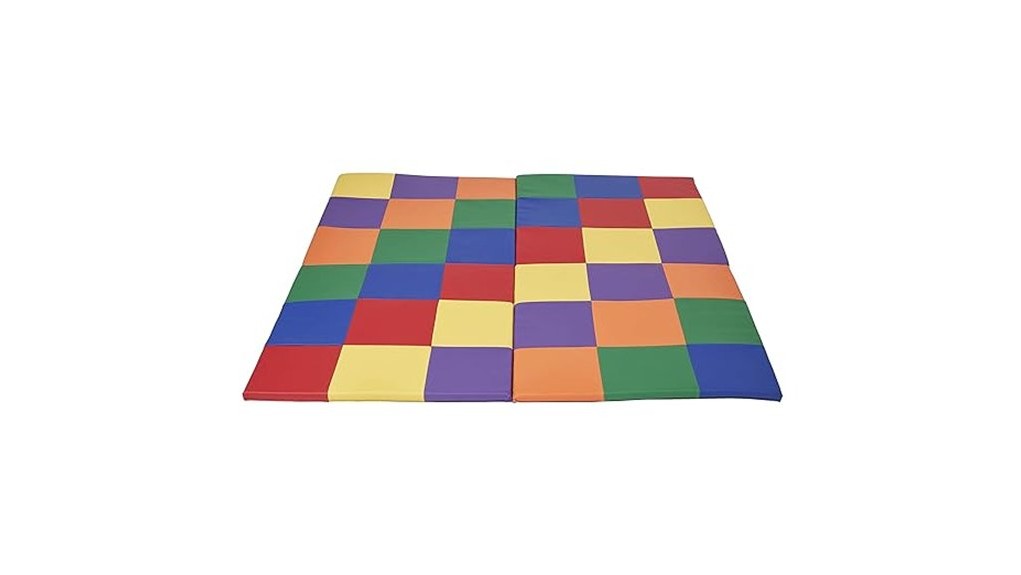
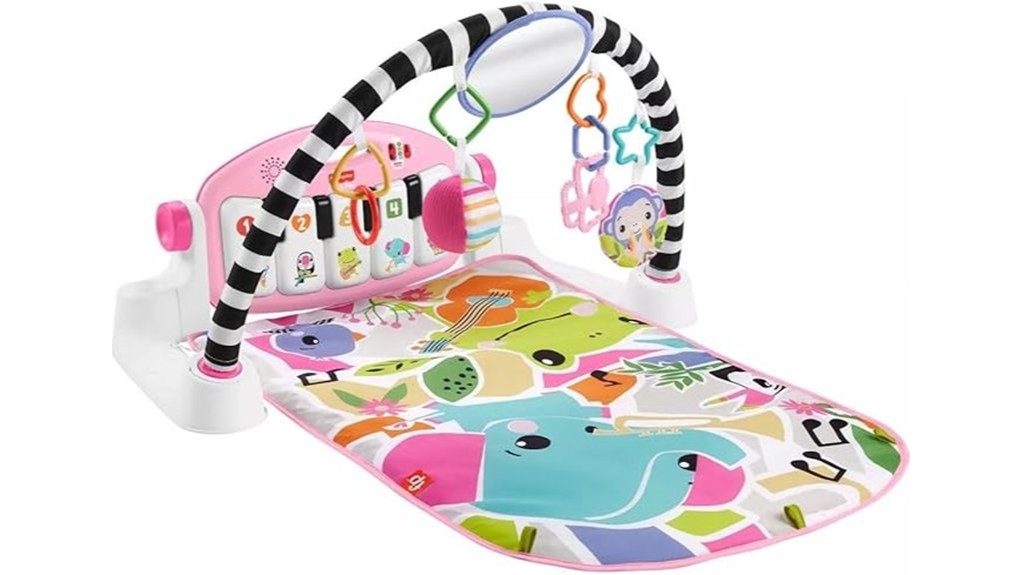
Music playmats combine sound with movement. Babies can crawl or sit on these mats to activate music. Playmats play tunes or animal sounds with a gentle press. These mats encourage babies to move and discover new sounds.
Choose playmats with bright colors and bold patterns. These visual elements can attract babies’ attention and enhance their playtime.
Sing-along Sessions
Parents can engage babies with sing-along sessions. Singing familiar songs can comfort and entertain babies. Songs with repetitive rhythms and rhymes are especially captivating.
Use hand movements or simple dance steps to make it interactive. Babies love watching and mimicking actions, which boosts their enthusiasm.
Music Apps For Babies
Music apps designed for babies offer interactive experiences. These apps feature colorful animations and gentle tunes. Babies can tap the screen to trigger sounds and lights.
If you use an app, keep sessions brief and use it together with your baby. For babies under 18 months, consider audio-only music instead of screen-based play. Ensure the app is age-appropriate and easy to navigate.
Social Interaction Games
Babies uninterested in toys might enjoy social interaction games. These games focus on engaging activities like peek-a-boo or gentle music play. Such interactions help develop curiosity and social skills naturally, without relying on traditional toys.
Toys are fantastic, but not every baby finds them interesting. Some babies are more fascinated by the people around them and the interactions they can have. Social interaction games are a wonderful way to engage these babies, helping them learn and grow while having fun. These games foster connection and communication, giving babies a chance to bond with you and others.
Peekaboo
Peekaboo is a classic game that never goes out of style. It’s simple yet magical for babies who love to interact. You can use your hands or a soft cloth to hide your face, then reveal it with a joyful “Peekaboo!” This game helps babies learn about object permanence, the idea that things exist even when they can’t see them. Plus, it’s a chance for you to share smiles and laughter, strengthening your bond.
Silly Sounds
Babies are natural sound explorers. Making silly sounds together can be a delightful way to catch their attention. Try making funny noises, repeating them, and waiting for your baby to react. When your baby coos or giggles, they’re trying to communicate back with you. This back-and-forth helps develop their listening and speaking skills. It’s a playful way to build a foundation for language development.
Hand Clapping Games
Clapping games are not just fun—they’re educational. Sitting with your baby, clap your hands to a simple rhythm. Encourage them to join in, even if it’s just watching at first. As your baby grows, they might start mimicking your claps. This activity enhances their motor skills and rhythm sense. It’s a joyful way to spend quality time, with a little music and movement.
Interactive Storytelling
Reading to your baby can be more than just words on a page. Turn it into an interactive experience by using different voices and gestures. Point to pictures and engage your baby by asking questions or making sounds related to the story. Storytelling helps with language development and keeps your baby engaged. It’s a shared adventure, where every page brings a new opportunity to connect and explore together.
Sensory Play With Textures
Explore the world of textures with your baby. Gather safe household items with different textures, like a soft cloth, a crinkly paper, or a smooth spoon. Let your baby touch and explore these items while you describe the sensations. This simple activity introduces them to new sensations and words. It’s a hands-on way to engage their curiosity and develop their sensory understanding. What textures will your baby enjoy the most?
Credit: www.amazon.com
Frequently Asked Questions
What Toys Engage Babies Uninterested In Traditional Toys?
Babies uninterested in toys may enjoy sensory items like textured blankets, musical instruments, or interactive books. These items stimulate their senses and encourage exploration. Opt for toys that provide varied textures, sounds, and colors. This helps capture their interest and supports developmental growth, making playtime more enjoyable for both baby and caregiver.
How Can I Introduce Toys To My Baby?
Start with simple, colorful toys that appeal to your baby’s senses. Use toys during routine activities like feeding or bathing to create positive associations. Encourage exploration by demonstrating how toys work. Gentle encouragement and interaction can help your baby become more comfortable with toys over time.
Are Educational Toys Suitable For Babies?
Yes, educational toys can be beneficial for babies. Choose toys that promote sensory development, like soft blocks or musical toys. These help build cognitive and motor skills through play. Ensure the toys are age-appropriate and safe, encouraging learning while keeping your baby engaged and entertained.
What Alternatives Exist For Babies Disliking Toys?
Consider interactive activities like singing, reading, or gentle massage to engage your baby. These activities stimulate cognitive and emotional development without the need for traditional toys. Engaging in simple, sensory-rich experiences can support bonding and provide a nurturing environment for growth.
Conclusion
Every baby is unique. Some might not enjoy traditional toys. Discovering what interests them is key. Simple household items can be fascinating. Try different textures and sounds. Observe their reactions closely. Engaging with them is important. It builds strong connections.
Encourages curiosity and development. Always ensure safety first. Choose items without small parts. Avoid sharp edges. Let them explore in a safe space. Be patient. Babies learn at their own pace. What excites them today might change tomorrow. Stay flexible.
Adapt to their growing interests. Enjoy these precious moments together. Your love and attention are the best gifts.