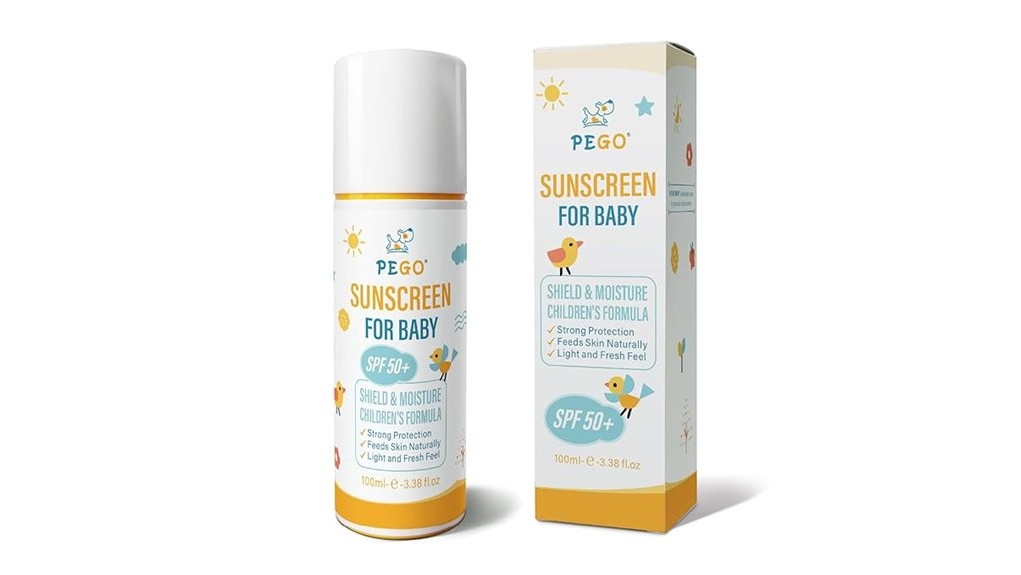
The SPF 50+ baby sunscreen is designed to provide robust protection for sensitive skin against UVA and UVB rays. Its broad-spectrum formula is hypoallergenic and dermatologist-tested, ensuring safety for delicate skin. Lightweight and non-greasy, it avoids the common issue of chalky residue. The water-resistant feature enhances its effectiveness during outdoor activities. Understanding the nuances of its formulation and application can greatly impact a child’s skin health. What factors should parents consider when selecting the right sunscreen?
Key Takeaways
- SPF 50+ baby sunscreens provide enhanced protection against harmful UV rays, reducing the risk of sunburn and long-term skin damage.
- Look for broad spectrum coverage to shield against both UVA and UVB rays, essential for children’s delicate skin.
- Hybrid sunscreens combine physical and chemical filters for optimized protection while maintaining a lightweight, non-greasy texture.
- Water-resistant formulas are crucial for maintaining UV protection during swimming or sweating, ensuring longer-lasting coverage.
- Always apply sunscreen generously 15-30 minutes before outdoor activities and reapply every two hours for effective protection.
Why Should You Choose SPF 50+ Sunscreen for Your Little One?
When considering sun protection for young children, selecting an SPF 50+ sunscreen is essential due to its enhanced defense against harmful UV rays. This level of protection greatly reduces the risk of sunburn and long-term skin damage, making it critical for maintaining skin health.
SPF 50+ sunscreens offer broad spectrum coverage, safeguarding against both UVA and UVB rays, which is fundamental for sun safety. Their advanced formulations, often hypoallergenic and dermatologist-tested, are designed specifically for delicate skin.
How Does Broad Spectrum Protection Work?
Broad spectrum protection is essential for thorough sun safety, as it shields the skin from both UVA and UVB rays, which can cause immediate harm and long-term damage, respectively. Understanding how this protection works is vital for effective skin safety, especially for children. UVA rays penetrate deep into the skin, increasing aging effects, while UVB rays primarily affect the surface, causing burns. Both types of UV radiation can lead to skin cancer.
| Ray Type | Effect |
|---|---|
| UVA | Penetrates skin, causes aging |
| UVB | Affects surface, causes burning |
| Both | Contribute to skin cancer risk |
What Are the Advantages of Hybrid Sunscreens for Kids?
What makes hybrid sunscreens an advantageous choice for children’s skin? These formulations combine physical and chemical filters, optimizing sun protection while enhancing kid safety.
The hybrid benefits include broad-spectrum coverage against UVA and UVB rays, ensuring effective defense against sunburn and skin damage. Their lightweight, non-greasy texture allows for easy application, promoting compliance among active children.
Additionally, these sunscreens often feature hypoallergenic ingredients, minimizing irritation on delicate skin. By offering long-lasting protection without a chalky residue, hybrid sunscreens empower parents to safeguard their children’s skin effortlessly, fostering a sense of liberation during outdoor activities.
Why Water Resistance Matters in Baby Sunscreens?
Given that children are often active participants in water-related activities, water resistance in baby sunscreens becomes an important feature for effective sun protection.
This characteristic is essential for ensuring the best water safety during outings, allowing parents to feel secure while their children enjoy outdoor activities. Water-resistant formulations help maintain UV protection even when kids are swimming or sweating, reducing the risk of sunburn.
Choosing water-resistant sunscreen ensures lasting UV protection, giving parents peace of mind while kids enjoy outdoor fun.
Additionally, these products often provide longer-lasting coverage, which is critical for ensuring that delicate skin remains shielded from harmful rays.
Ultimately, choosing a water-resistant sunscreen is a proactive step toward safeguarding children’s health during summer fun.
How to Apply Sunscreen for Kids
Applying sunscreen for kids requires careful attention to guarantee maximum protection from harmful UV rays.
Effective sunscreen application techniques involve using a generous amount of a kid-friendly formula, ensuring full coverage on exposed skin, including the face, ears, and behind the knees.
It is essential to apply sunscreen 15-30 minutes before outdoor activities and reapply every two hours, especially after swimming or sweating.
For best results, use a lightweight, non-greasy product that absorbs quickly, minimizing discomfort.
Parents should educate children about the importance of sunscreen, fostering healthy habits that promote skin protection for a lifetime.
Frequently Asked Questions
Can I Use SPF 50+ Sunscreen on My Baby’s Face?
Yes, SPF 50+ sunscreen can be safely used on a baby’s face, providing essential sun protection. Formulated for delicate skin, it offers broad-spectrum defense while being hypoallergenic and dermatologist-tested for ideal baby skincare.
How Often Should I Reapply Sunscreen on My Child?
Sunscreen application should occur every two hours, or immediately after swimming or sweating. For effective baby skincare, guarantee thorough coverage, reapply consistently, and protect delicate skin from harmful UV rays to promote safe outdoor enjoyment.
Is This Sunscreen Safe for Sensitive Skin?
This sunscreen is safe for sensitive skin, featuring natural ingredients and hypoallergenic properties. Dermatologist-tested, it provides gentle protection while ensuring comfort during outdoor activities, making it suitable for children with delicate skin.
What Ingredients Should I Avoid in Baby Sunscreen?
Parents should avoid baby sunscreens containing chemical filters like oxybenzone and homosalate. Instead, opting for natural alternatives, such as zinc oxide or titanium dioxide, offers safer protection while minimizing skin irritation and environmental concerns.
Can I Use Adult Sunscreen on My Child?
Using adult sunscreen on children is generally discouraged due to differing formulations. Sunscreen types designed for kids offer specific safety features. Application tips include using products labeled for children and ensuring thorough coverage without irritation.
Conclusion
To sum up, choosing SPF 50+ baby sunscreen is essential for safeguarding delicate skin against harmful UV rays. Its broad-spectrum protection and water-resistant qualities provide parents with peace of mind during outdoor activities. With a lightweight, hypoallergenic formula, applying sunscreen becomes a breeze. After all, isn’t ensuring your child’s skin remains healthy and protected worth every effort? By making informed choices, parents can promote safe sun exposure for their little ones, fostering a lifetime of healthy habits.