How Long Do Baby Prams Last?
What’s in This Article
A baby pram can feel like a big purchase, so you need it to last safely through daily trips, naps, errands, and family walks.
Most prams last about 3 to 5 years, but that range depends on build quality, use, storage, and care. A well-made pram may serve more than one child, while a heavily used or poorly stored one can wear out sooner.
You’ll learn what affects pram durability, how to extend its life, and when replacement makes more sense than repair.
Quick Answer
A baby pram usually lasts about 3 to 5 years with normal use and good care. Daily use, rough paths, overloading, poor storage, and weak materials can shorten that life. Replace the pram if the frame bends, brakes fail, wheels wobble, fabric tears badly, or the harness no longer works safely.
Key Takeaways
- Expect most baby prams to last about 3 to 5 years with regular care.
- Choose strong frames, durable fabric, reliable brakes, and wheels suited to your usual terrain.
- Clean the pram, check loose parts, and store it dry to help prevent early wear.
- Stay within the maker’s weight limit to protect the frame and keep rides safer.
- Replace the pram when safety parts fail or repairs no longer restore safe use.
Factors That Affect How Long a Pram Lasts
Choosing the right baby pram involves more than style and comfort. A pram’s life depends on its materials, how often you use it, where you use it, and how well you care for it.
Understanding these factors helps you choose a model that suits your child, your routine, and your budget.
1. Quality of Materials
The materials used in pram construction play a key role in durability. High-quality fabrics and frames resist wear better than cheaper parts.
Look for a sturdy frame, strong seams, washable fabric, and solid wheel fittings. These features help the pram handle frequent use.
2. Frequency of Use
How often you use the pram affects how long it lasts. Daily walks, school runs, shopping trips, and travel can wear down wheels, brakes, fabric, and joints.
Occasional use puts less strain on the pram. Match the pram to your routine before you buy.
3. Maintenance Practices
Regular care can extend a pram’s useful life. Clean the fabric, remove grit from the wheels, and tighten loose screws before they cause bigger problems.
Store the pram in a dry place to reduce rust, mold, and fabric damage.
4. Terrain and Usage Conditions
Different surfaces create different levels of wear. Rough paths, gravel, curbs, and uneven ground can strain wheels, axles, suspension, and the frame.
Smooth, paved surfaces cause less stress. If you often walk on rough ground, choose a pram designed for that use.
5. Weight Capacity
Overloading a pram can shorten its life and create safety risks. Check the manufacturer’s weight limit before use.
Include your child, bags, accessories, and anything stored in the basket when you think about total weight.
Warning: Don’t hang heavy bags from the handlebar, because the extra weight can tip the pram backward.
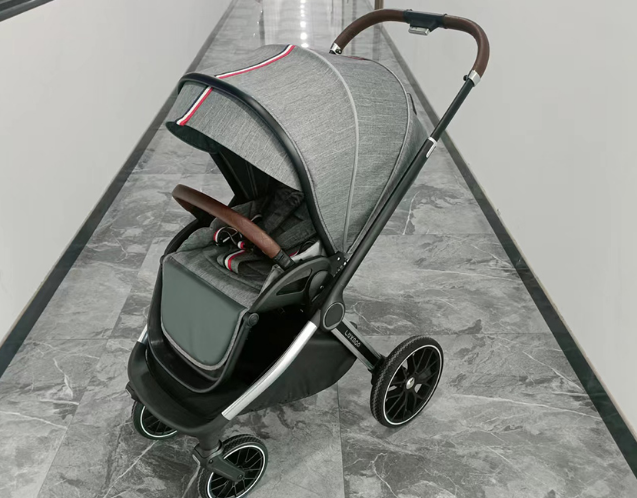
Credit: www.smtstroller.com
Recommended Products
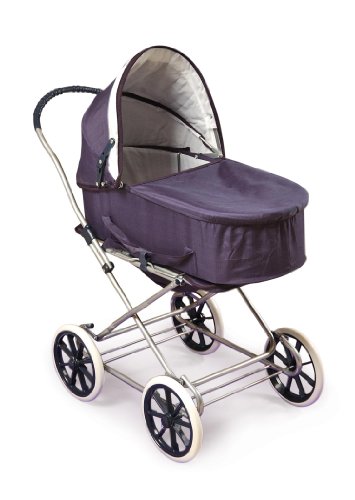
Color Navy and White; For children ages three and up (adult assembly required); Includes multiple play options - pram, carrier, and stroller; Rolls smoothly; Rubber grip on handle for comfortable pushing; Manufacturer's 30 Day Limited Warranty; Material 85% Polyester/15% Cotton Fabric; Product Weight 10.00 lb; Product Dimensions 30.50" L x 15.00" W x 31.50" H; Product Care Wipe and spot clean as needed

PREMIUM AND ECO-FRIENDLY MATERIAL - Made of breathable material, ultralight, strethchy and durable, no deet or any other chemical repellents, no worry to babies' safety anymore.

Complete Pretend Play Set: Spacious doll stroller accommodates dolls up to 18 inches with cozy blanket, matching pillow, storage basket, and shoulder bag for a full caregiving experience
Material Quality and Construction
Material quality and sturdy construction strongly affect how long a baby pram lasts. Durable fabric, a stable frame, strong joints, and reliable wheels all support longer use.
A pram that feels solid from the start often stays safer and easier to use over time.
Understanding Material Quality
The frame material affects weight, strength, and handling. Aluminum frames often feel light and strong, which helps when you lift or fold the pram.
Steel frames may feel stronger, but they can add more weight. For fabric, look for tear-resistant, washable materials that can handle spills, sun, and regular cleaning.
Importance of Construction
Strong construction supports pram safety and longevity. Reinforced joints, secure locks, and firm attachments reduce shaking and early wear.
Check the wheels and suspension before you buy. Well-designed wheels and suspension help the pram handle different surfaces and reduce stress on the frame.
Balancing Quality and Cost
A higher-quality pram can cost more upfront, but it may save money if it lasts through more than one child. Price alone does not prove quality, though.
Read product details, check the weight limit, inspect the frame, and compare parent reviews before you decide.
A Practical Example of a Long-Lasting Pram
A pram with a sturdy aluminum frame, washable fabric, and smooth wheels can handle years of family use. It can stay reliable through walks, errands, and travel when you care for it well.
Think about how you’ll use the pram before you buy. A cheap pram may work for light use, but heavy daily use calls for stronger construction.
Usage Patterns and Frequency
Baby prams typically last around 3 to 5 years, but regular use can affect that range. Quality materials and proper maintenance help protect durability.
Your daily habits matter as much as the pram’s build. Where you walk, how often you fold it, and how much weight you carry can all change its lifespan.
Usage Frequency
Think about how often you use your pram. Daily neighborhood walks and frequent errands create more wear than occasional weekend outings.
If you plan to use the pram every day, choose a model with strong wheels, a stable frame, and easy-to-clean fabric.
Urban vs. Rural Environments
Your location can shape the pram’s wear pattern. Urban use may involve curbs, rough sidewalks, stairs, lifts, and public transport.
Rural use may expose the pram to dirt, gravel, grass, and uneven paths. Pick wheels and suspension that match your most common routes.
Multiple Children or Single Child
If you plan to use one pram for more than one child, durability matters more. Choose a model with replaceable parts and a strong frame.
If you only need a pram for one child and light use, a lighter model may suit your needs.
Daily Wear and Tear
Daily wear does not come only from long walks. Frequent folding, lifting, storage, sun exposure, and spills can also weaken parts over time.
Watch the joints, fabric, handle, brakes, and wheels for early signs of strain.
Maintenance and Care
Good care can add useful life to your pram. Simple habits like wiping the frame, cleaning the wheels, and checking loose parts help it run smoothly.
Set a reminder to inspect the pram every few weeks, especially if you use it daily.
Pro tip: Clean the wheels after muddy or sandy walks to reduce grit buildup and protect smooth movement.
Recommended Products
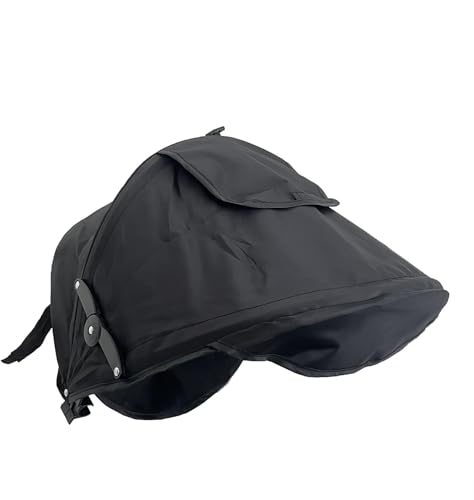
【Easy To Install, Snap-On Installation and Strap Fixation】 One end of our sun shield is clamped onto the stroller tube by a buckle and is fixed with a strap to prevent the buckle from sliding, while the other end is tied to the stroller tube by a strap. The installation clip is suitable for stroller with with round or square pipe(circumference 5-7cm). If the clip not fit your stroller, you can choose another similar stroller sun shield from our store. It is installed and fixed by straps at both ends, universal.

【Two Styles, Bring a comfortable rest area for the baby sitting or lying in the stroller】 One sunshade designed for sit-down stroller, with a large retractable awning and a small curtain in front for all-around shade from the sun. And behind a hanging pocket for easy storage. Another upgraded sunshade, has larger shrinkable awning in front, longer hanging storage bag in back, not only have more storage space, but also blocks the sun from behind the stroller, especially for lie-down stroller.

Keep your stroller safe with this set of repair screws or tool, made of plastic or metal, to use.
Maintenance and Care Tips
Maintaining a baby pram helps it last longer and keeps rides safer. Regular upkeep reduces wear, improves comfort, and helps you spot problems early.
Use these care steps as a simple routine.
1. Clean the Fabric Regularly
Spot clean spills quickly to prevent stains. Use mild detergent and avoid harsh cleaners that may weaken fabric or irritate your child’s skin.
Remove washable parts when the design allows it. Always check the manufacturer’s care instructions before hand washing or machine washing.
2. Check the Wheels
Inspect the wheels for wear, cracks, trapped stones, and wobbling every few weeks. Clean away dirt and debris that can affect steering.
Lubricate wheel axles only if the user manual allows it. Use the type of lubricant the manufacturer recommends.
3. Tighten Screws and Bolts
Loose screws can affect the pram’s stability. Check screws, bolts, and moving joints on a regular schedule.
Tighten loose parts gently and avoid forcing damaged fittings. Contact the manufacturer if a part no longer stays secure.
4. Store Properly
Store the pram in a dry, shaded place. Avoid long exposure to strong sun, rain, damp rooms, or extreme heat.
Use a cover if you store it for a long period. Proper storage helps prevent rust, fading, mildew, and fabric damage.
5. Inspect Brakes and Harness
Test the brakes often to make sure they lock firmly. Check the harness for fraying, weak clips, loose stitching, or twisted straps.
Replace faulty parts before you use the pram again. Your child’s restraint and stopping system must work every time.
6. Follow the Manufacturer’s Guidelines
Use the user manual for model-specific cleaning, folding, storage, and repair instructions. The manual also lists weight limits and approved accessories.
Contact customer support if you’re unsure about a repair. Using the wrong replacement part can affect safety.
Signs of Wear and Tear
Baby prams handle a lot during daily life. Parents rely on them for walks, errands, travel, and naps, so wear can build up slowly.
Spotting damage early helps protect your child’s comfort and safety.
Loose Wheels
Wheels support smooth and safe movement. Loose or wobbling wheels can make steering harder and may increase the risk of tipping.
Check whether each wheel spins and locks correctly. Tighten loose bolts or replace damaged wheels before use.
Damaged Fabric
Fabric can fray, fade, or tear with frequent use. Inspect the seat, canopy, basket, and stitched seams.
Small rips can grow if you ignore them. Repair or replace fabric parts when damage affects support, shade, or restraint.
Faulty Brakes
Brakes help keep the pram still on slopes, paths, and public spaces. Test them often and make sure they lock firmly.
If the brakes slip, stick, or fail to engage, stop using the pram until you repair them.
Stiff Folding Mechanism
The folding mechanism should move smoothly and lock securely. Stiff folding may point to dirt, wear, or misaligned parts.
Clean the joints and follow the manual before adding any lubricant. Get help if the problem keeps coming back.
Uneven Frame
The frame should sit level and feel stable. Bends, dents, cracks, or uneven alignment can affect balance and steering.
Do not ignore frame damage. A bent frame can make the pram unsafe, even if the fabric and wheels look fine.

Credit: summerfield-school.com
Recommended Products

BOB STROLLER TIRES INNER TUBE REPLACEMENT - There's no need to search for different-sized inner tubes in different shops. In this super value pack, we provide you a complete set of inner tubes that is compatible with 3-wheeler BOB Gear jogging stroller models (both single and double strollers) including BOB Gear Revolution SE, BOB Gear Revolution Flex, BOB Gear Alterrain Pro, BOB Gear Ironman, and Stroller Strides Fitness Stroller tires.

Fit diameter 0.6~0.8 inches/1.5~2 cm,Will be easy to install with soap water or WD40 because of tight tolerance

This Stroller Bumper bar is only suitable for BBZ Yoyo / Yoya / Vovo.
When to Consider Replacement
Baby prams generally last 3 to 5 years with proper care. Consider replacement when wear becomes clear or safety features stop working well.
Broken parts, unstable wheels, failed brakes, and a damaged frame all signal that a new pram may protect your child better than repair.
Check for Wear and Tear
Every pram faces wear over time. Look for frayed fabric, squeaky wheels, rusty parts, loose joints, or wobbling.
These issues can affect safety, not just appearance. Replace the pram if repairs can’t restore firm, stable use.
Review Safety Standards and Recalls
Safety standards and product designs can change over time. A much older pram may lack features that current models include.
Check the brand’s recall information before you reuse, sell, or buy a used pram. Stop using any pram that appears in a safety recall until you follow the maker’s instructions.
Match Your Child’s Changing Needs
Your baby’s needs change quickly. A pram that suited a newborn may not suit a heavier toddler.
Check the seat size, recline, harness fit, and weight limit. Upgrade if your child has outgrown the pram or no longer sits safely.
Consider Practicality and Convenience
Your pram should still fit your day-to-day life. If it feels hard to steer, fold, lift, store, or travel with, it may no longer suit your needs.
Convenience matters because a pram that feels awkward often gets handled roughly, which can add more wear.
Pay Attention to Unexpected Failures
A wheel that sticks at the park or a brake that slips on a slope can signal a serious issue. These failures can happen fast and create risk.
If your pram has failed during normal use, inspect it before the next trip. Replace it if the cause is structural or hard to fix.

Credit: www.riverbabygroup.com
Can You Use a Second-Hand Pram Safely?
A second-hand pram can be a smart choice if it remains clean, stable, and safe. Inspect it carefully before you buy or reuse it.
Check the frame, wheels, brakes, harness, folding locks, seat fabric, and basket. Confirm the model has no known recall and that replacement parts still exist.
Avoid any used pram with missing safety parts, a bent frame, weak brakes, or unclear weight limits. A low price does not help if the pram cannot protect your child.
Note: Ask for the user manual or model number before buying a used pram so you can check limits, parts, and recalls.
Frequently Asked Questions
How long does a baby pram typically last?
A baby pram typically lasts between 3 and 5 years, depending on use and care. Regular maintenance and dry storage can extend its life.
High-quality prams may last longer, while lower-cost models may wear out sooner under daily use.
What affects the lifespan of a baby pram?
Usage frequency, terrain, storage, cleaning, and build quality all affect lifespan. Rough ground and daily use can shorten the life of wheels, joints, brakes, and fabric.
Good care helps, but it cannot make a damaged or poorly built pram safe forever.
Can baby prams be reused for another child?
Yes, you can often reuse a baby pram for another child if it remains safe and works well. Check all moving parts, locks, brakes, wheels, and the harness before reuse.
Store the pram clean and dry between children to reduce rust, mold, and fabric damage.
How do I maintain my baby pram’s condition?
Clean the fabric, remove debris from the wheels, tighten loose parts, and inspect the brakes and harness. Store the pram in a dry, shaded place.
Follow the manufacturer’s care instructions because each model may need different cleaning or repair steps.
Is it better to repair or replace a damaged pram?
Repair minor issues like loose screws, dirty wheels, or small fabric damage if the pram stays stable and safe. Replace the pram if the frame bends, brakes fail, wheels wobble badly, or the harness no longer secures your child.
When safety parts fail, replacement often gives you more peace of mind.
Conclusion
A baby pram can last for years when you choose a sturdy model and care for it well. Regular cleaning, safe storage, and simple checks help prevent early wear.
Inspect the brakes, wheels, harness, frame, and fabric before problems turn into safety risks. If damage affects stability or restraint, choose repair only when it fully restores safe use.
Make your next step a quick pram check, then keep a simple care routine. Your attention helps every ride feel smoother, safer, and more comfortable for your child.