

Many parents expect a convertible car seat to work like an infant car seat, but most do not use a separate click-in base. That mix-up can lead to poor installation, which puts your child at risk in a crash. This guide explains what “base” means for convertible seats, how they install, and how you can check that your child’s seat fits your car safely.
What’s in This Article
- Do Convertible Car Seats Have Bases?
- Why Does a Secure Installation Keep Babies Safer?
- Seat Installation With a Built-In Base Can Be Simple
- Why Can Secure Convertible Seats Feel Comfortable and Durable?
- Why Is a Well-Installed Convertible Seat a Good Investment?
- Frequently Asked Questions
- Safety Disclaimer
- Conclusion
- References
Quick Answer
Most convertible car seats do not have a separate detachable base like infant car seats. Instead, they usually have a built-in base or shell that stays with the seat and installs directly with the vehicle seat belt or lower anchors. Some rotating or premium convertible seats may include a separate-looking base, so you should always follow the manual for your exact model.
Key Takeaways
- Most convertible car seats install without a detachable click-in base.
- A correct installation matters more than whether the seat has a separate base.
- You should use either the seat belt or lower anchors, unless the manual says you can use both.
- The seat should not move more than 1 inch at the belt path after installation.
- You should check the manual, vehicle guide, and car seat labels before every major adjustment.

Do Convertible Car Seats Have Bases?
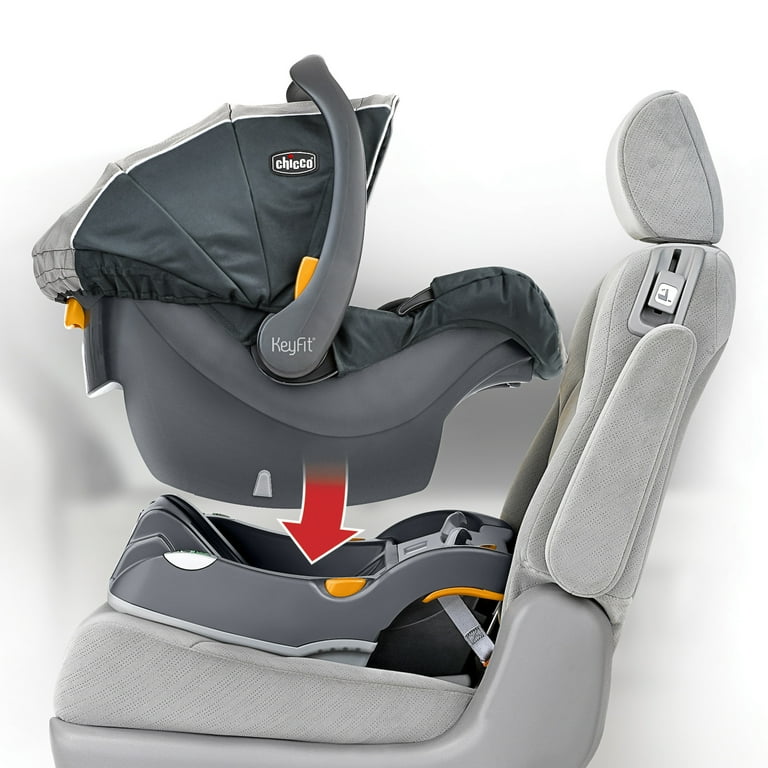
Most convertible car seats do not have a separate base that you leave in the car. Infant car seats often click in and out of a base, but convertible seats usually stay installed in the vehicle. You install them with the vehicle seat belt or the lower anchors from the Lower Anchors and Tethers for Children (LATCH) system.
Some parents use the word “base” to describe the lower part of the car seat. That part can help the seat sit at the right angle, but you usually cannot remove it from the seat. A safe installation keeps the seat tight, level, and positioned the way the car seat maker requires.
According to the National Highway Traffic Safety Administration, you should follow both the car seat manual and your vehicle owner’s manual when you install a child restraint. You should also use the correct seat for your child’s age, weight, height, and stage.
Note: A convertible seat can still be safe without a detachable base when you install it exactly as the manual directs.

Why Does a Secure Installation Keep Babies Safer?
A secure installation helps the car seat manage crash forces the way the maker designed it. The goal is not to make the seat feel heavy or rigid. The goal is to route the belt or lower anchors through the correct belt path and tighten them properly.
Many people compare an infant car seat and a convertible seat because infant seats often use a removable carrier and base. Convertible seats work differently. They can ride rear-facing first, then forward-facing later, based on the seat limits and your child’s size.
Child safety experts recommend that children ride rear-facing as long as they fit within the rear-facing weight and height limits of their seat. Rear-facing seats support the head, neck, and spine during many crashes. You should not turn a child forward-facing just because the child reaches a birthday.
- A tight installation limits extra movement at the belt path.
- The right harness position helps protect the child’s head, neck, and torso.
You should also use the harness correctly every ride. A stable seat cannot protect your child well if the harness sits loose, twisted, or too low for the riding mode.

How does the seat protect a child in a crash?
A car seat spreads crash forces across stronger parts of the child’s body. It also keeps the child inside the protective shell during sudden stops or impact. Rear-facing seats add more support because the shell helps cradle the child’s head and back.
How it works:
- The belt path holds the seat in the correct place.
- The vehicle seat belt or LATCH system secures the seat to the vehicle.
- The harness keeps the child’s body close to the seat shell.
You should test the seat only at the belt path after you install it. If the seat moves more than 1 inch side to side or front to back at that point, tighten it again or get help from a certified child passenger safety technician.
Warning: Do not use both the seat belt and lower anchors together unless your car seat manual clearly allows it.
Risks and Disadvantages of Poorly Installed Seats
A convertible car seat without a separate base is not automatically unsafe. A poorly installed seat creates the real danger. Loose installation, wrong belt routing, loose harness straps, and the wrong recline angle can all reduce protection.
- The seat can move too much at the belt path.
- The child’s head can move farther forward during a sudden stop.
- The harness may not hold the child in the correct position.
You should not rely on appearance alone. A seat can look snug but still fail the 1-inch movement test. Always check the manual and the label on the seat before you install it.
So always choose the right car seat for your baby, then install it the right way. The best seat for your family fits your child, fits your vehicle, and fits your daily use.
Recommended Products

4-in-1 car seat gives you 10 years of use: seamlessly transforms from rear-facing harness (4-40 lb), to forward-facing harness (26.5-65 lb), to highback booster (40-100 lb), to backless booster (40-120 lb)

3-in-1 car seat grows with your child from rear-facing harness (5-40 lb) to forward-facing harness (26.5-65 lb) to highback booster (40-100 lb)

GROW WITH ME CAR SEAT Safety 1st Grow and Go All-in-One Convertible Car Seat, a 3 in 1 car seat for use through 3 stages: rear-facing (5–40 lbs., 19"–40"), forward-facing (30–65 lbs., 34.4"–49"), belt-positioning booster seat (40–100 lbs., 43.4"–52")
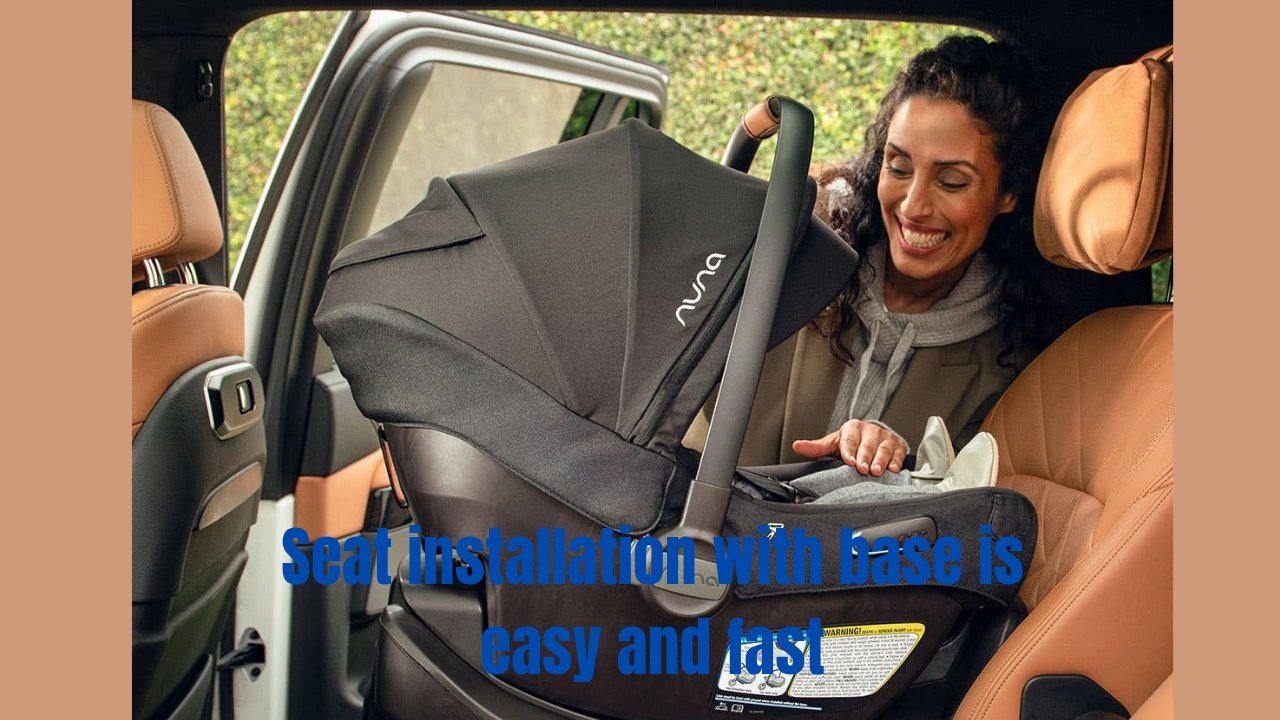
Seat Installation With a Built-In Base Can Be Simple
A convertible seat with a built-in base or recline foot can make installation easier. You still need to route the belt or lower anchor strap through the correct path. Rear-facing and forward-facing modes often use different belt paths.
When you have to put a sleeping baby in the car, time matters. Just like you can easily fold a stroller, a clear car seat setup can reduce stress before a trip. The key is to install the seat once, check it well, and avoid removing it unless you need to.
You should also confirm the seat angle. Many convertible seats have a level line, bubble, or recline indicator for rear-facing use. That guide helps you keep your child’s airway in a safer position.
Using the correct belt path helps the seat fit firmly
Convertible car seats often include a built-in base, recline foot, or lower shell that helps the seat sit on the vehicle seat. That part does not replace correct installation. You still need a locked seat belt or lower anchor strap.
The reasons why a seat can feel secure include these points:
- The belt or anchor strap passes through the correct belt path.
- The seat belt locks or the lower anchor strap tightens fully.
- The recline indicator matches the child’s age and riding mode.
- The seat does not move more than 1 inch at the belt path.
- The harness fits snugly against the child’s body.
- The chest clip sits at armpit level.
- The child’s body stays in the correct position during the ride.
These small checks can give you real peace of mind. Even when you feel busy, you can know that the seat follows the maker’s instructions.
Pro tip: Take a photo of the correct belt path from your manual so you can check it quickly during travel.
A fixed seat reduces the hassle of repeated installation
Most convertible car seats stay in the vehicle after you install them. That setup helps you avoid the daily work of fastening and tightening the seat again. It can also reduce the chance that you make a mistake when you feel rushed.
You get these benefits when the seat stays installed:
- You save time before each trip.
- You reduce daily installation stress.
- You keep the same verified setup longer.
- You avoid reinstalling the seat while tired or rushed.
- You lower the risk of using the wrong belt path.
- You make school runs, errands, and family trips easier.
- You help your child settle into a familiar seat.
All these small benefits can make daily travel easier. You still need to check the harness and seat position every ride.
Recommended Products

ADDITIONAL CAR SEAT BASE – Additional base for the Fit360 Rotating Convertible Car Seat (sold separately) offers the convenience of transferring only the seat from vehicle-to-vehicle

Rotates 360° with one hand from both rear-facing and forward-facing mode to easily get your little one in and out of the seat; listen for it to "click" back into position for a safe and comfy ride
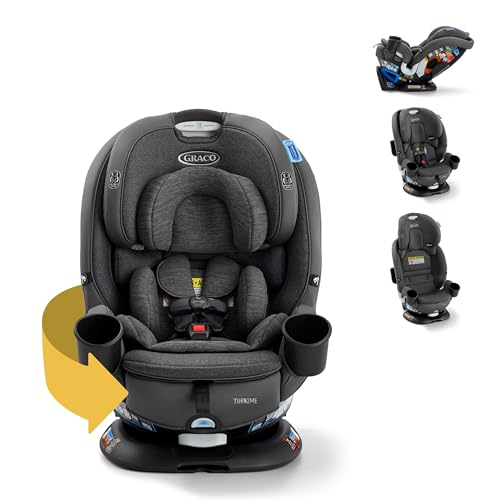
Rotate from rear-facing mode with one hand to easily get baby in and out of the seat; listen for it to "click" back into position for a safe and comfy ride
Why Can Secure Convertible Seats Feel Comfortable and Durable?
A well-installed convertible car seat can support your child during short rides and long trips. The seat stays in one position, so your child does not feel extra sliding or shifting. Good support can also help your child rest better in the car.
A stable installation can improve comfort, much like better stroller comfort helps during walks. The seat should support the child’s head, back, and hips without forcing an unsafe position. You should never add pillows, strap covers, or inserts unless the car seat maker approves them.
A convertible seat can also last through more than one stage. It can start rear-facing, then switch to forward-facing when your child meets the seat and law requirements. Always check the expiration date and crash history before you reuse any seat.
A stable seat helps your baby stay comfortable longer
A secure convertible car seat gives your baby a stable place to sit. Road bumps, turns, and sudden stops can disturb a child when the seat shifts too much. A tight installation helps the seat stay steady during normal driving.
Your baby can rest more easily when the harness fits snugly and the recline angle suits the seat mode. The head and back should have support from the car seat shell. The harness should not press into the neck or sit loose on the shoulders.
7 reasons a secure installation can increase comfort:
- The seat stays steady during normal driving.
- The shell supports the head and neck.
- The harness keeps the body in a safer position.
- The recline angle can help younger babies rest safely.
- The child feels less sliding during turns.
- The seat can work for long trips when your child still fits the limits.
- The familiar setup can help your child settle faster.
In this way, a secure convertible car seat can become a safer and calmer place for your child during travel.
Are seats without a separate base really unsafe?
No. A convertible seat without a separate base can still protect your child when you install it correctly. Many convertible seats do not use a detachable base by design.
The risk comes from a poor fit, wrong installation, loose harness, or wrong seat for the child’s size. Just as the wrong baby face direction in a stroller can affect comfort and safety, the wrong car seat setup can also create risk. You should check the fit instead of judging the seat by price alone.
No matter how expensive the seat is, it cannot give proper protection if you use it the wrong way. Your manual gives the final answer for your model.
Why poorly installed seats are not safe:
- The seat can move too much at the belt path.
- The child can move too far during a crash.
- The child’s head, neck, or body may face more force.
- The wrong belt path can weaken the installation.
- A loose harness can let the child slump or slide.
- The child may not stay balanced duringshocks orbrakes.
A seat without a separate base does not automatically put your child at risk. A seat that does not fit your child or vehicle can put your child at risk. Before you buy, check whether the convertible car seat fits your car and your child’s current size.
Recommended Products

4-position adjustable base helps ensure an accurate install and helps keep baby comfortable as he or she grows

Keep the sun out of your child's eyes with our Integrated Adjustable Canopy with UPF 50+ Sun Protection: Integrated height and angle adjustable canopy for in-car UV protection. Flip-out side visors provide additional shade protection for either side of the car seat.

Compatible EZ-Lift Plus base designed for secure click-in attachment
Why Is a Well-Installed Convertible Seat a Good Investment?
Your main responsibility is to choose a seat that protects your child and fits your daily life. A convertible car seat can give you long use because it covers more than one stage. You can often use the same seat from rear-facing to forward-facing, as long as your child stays within the seat limits.
Once you buy a good seat and install it well, you can reduce the hassle of frequent seat changes. This type of seat can offer safety, comfort, and value when it fits your vehicle correctly.
Many parents compare car seats with an expensive stroller, but the decision works differently. A car seat must meet safety rules and fit your child, not just look premium. You should choose the seat that you can install and use correctly every time.
This is why a good convertible seat can be a smart investment:
- You can use one seat through more than one stage.
- You get a design made for crash protection.
- Your child can ride with better support and comfort.
- You can keep one verified installation longer.
- You can avoid buying an infant carrier first if that fits your needs.
- You may reduce the need for repeated seat changes.
- You can save money over time when the seat fits your child for years.
A good convertible car seat does not need a detachable base to offer value. It needs the right fit, the right installation, and the right daily use.
A convertible seat can reduce repeated car seat purchases
With a convertible car seat, you can get a good and durable solution for more than one stage. This type of seat can work rear-facing first, then forward-facing later. The exact use period depends on your child’s size, the seat limits, and the expiration date.
This can reduce stress for parents. You may not need to buy a new seat every time your child reaches a small growth milestone.
Convertible car seats can save money for these reasons:
- They cover more than one riding stage.
- You can adjust the harness as your child grows.
- Many models fit a wide range of vehicles.
- A well-cared-for seat can last until its expiration date.
- You avoid extra purchases when your child still fits the limits.
These benefits help you keep a safer travel system without buying new seats too often.
A safe seat can support savings and peace of mind
A convertible car seat can give you safety and savings at the same time. Buying new seats repeatedly costs money, time, and energy. A seat that fits well can give you a long-term solution.
Do not choose a seat only because it has a base, a high price, or a popular brand. Choose one that fits your child, fits your car, and works with your routine. A Convertible car article may discuss vehicles, but child car seats have their own safety rules and labels.
This is why savings are possible:
- You may not need to buy multiple seats as quickly.
- You can use the seat longer when your child fits the limits.
- You can avoid repeated professional installation help.
- You can learn one seat system well.
- You can reduce replacement costs by checking the expiration date and care rules.
- You may reuse the seat for a younger sibling if it has not expired or been in a crash.
- You can avoid expensive seats that do not fit your vehicle well.
That means the right seat is not just a purchase. It is a careful choice for your child’s safety and your family’s budget.
Frequently Asked Questions
If there is no base under the seat, does it pose a safety risk?
Not by itself. Most convertible car seats do not use a separate base like infant seats. The safety risk comes from loose installation, wrong belt routing, wrong recline angle, or a harness that does not fit well.
What is the best way to choose a seat with a built-in base?
Choose a seat that fits your child’s height and weight, fits your vehicle seat, and installs tightly in your car. Check the manual before buying when possible. A strong-looking base does not matter if the seat does not fit your vehicle well.
How do I know if the car seat is installed correctly?
Hold the seat at the belt path and move it side to side and front to back. It should not move more than 1 inch at that spot. You can also ask a certified child passenger safety technician to inspect your installation.
Why are poorly installed seats risky?
A poorly installed seat can move too much during a crash or sudden stop. That extra movement can reduce the protection the seat should give your child. A correct installation matters more than whether the seat has a separate base.
Does a stable seat increase the comfort of the child?
Yes. A stable seat can reduce shifting during turns, bumps, and normal driving. Your child may feel more comfortable when the seat stays steady and the harness fits correctly.
Are convertible seats with special bases more expensive?
Some models with rotating bases or extra installation features can cost more. A higher price does not always mean a safer fit for your car. The safest choice is the seat you can install and use correctly every ride.
Can you move a convertible car seat between cars?
Yes, you can move it if you reinstall it correctly each time. Many parents avoid frequent moves because each reinstall creates a chance for error. A second seat may help if your child rides often in two vehicles.
Safety Disclaimer
Safety Disclaimer: This article is for informational purposes only and does not replace your car seat manual, vehicle owner’s manual, or guidance from a certified child passenger safety technician. Always follow the instructions for your exact car seat and vehicle.
Conclusion
Most convertible car seats do not need a separate detachable base to protect your child. What matters most is a seat that fits your child, fits your vehicle, and installs tightly every time.
Before your next ride, check the belt path, recline angle, harness height, and 1-inch movement rule. If anything feels unclear, read the manual again or ask a certified technician for help. A few careful checks can make every trip safer and calmer for your family.
References
- Car Seats and Booster Seats — National Highway Traffic Safety Administration
- Car Safety Seats: Information for Families — American Academy of Pediatrics
- Child Passenger Safety — Centers for Disease Control and Prevention
- Keeping Children Safe — ChildCare.gov








6 thoughts on “Do Convertible Car Seats Have Bases? 7 Safety Tips”