As a parent, you want nothing more than to keep your little one safe and healthy. But, let’s be honest – babies are curious creatures.
They love to explore the world through touch and taste. This means that every toy in their vicinity is a potential chew toy, and keeping those toys clean is crucial. Have you ever wondered if you’re doing enough to protect your baby from germs and bacteria lurking on their favorite playthings?
You’re not alone. Discovering the best way to sterilise baby toys can be a game-changer, ensuring your child’s safety while giving you peace of mind. Dive into this guide to learn how to keep your baby’s toys spotless and safe, and you’ll feel confident in your approach to cleanliness and care.

Credit: nurturednoggins.com
Importance Of Sterilizing Baby Toys
Keeping baby toys clean is crucial for a child’s health. Germs can linger on toys, posing a risk of illness. Regularly sterilizing toys using methods like boiling or using a steam sterilizer ensures a safe play environment. Proper cleaning maintains hygiene and helps prevent infections.
Ensuring the safety and health of your little one is a top priority for every parent, and sterilizing baby toys plays a crucial role in this. Toys are a constant source of entertainment and learning for babies, but they can also harbor germs and bacteria. Understanding the importance of keeping these playthings clean can help protect your child from potential illnesses.Why Sterilization Matters
Babies are naturally curious and love to explore the world around them, often using their mouths. This means that toys can quickly become a hotspot for germs. Regular sterilization helps prevent the spread of bacteria and viruses, reducing the risk of infections.Protecting Your Baby’s Immune System
A baby’s immune system is still developing, making them more susceptible to illnesses. By sterilizing toys, you minimize their exposure to harmful pathogens. This small step goes a long way in supporting their overall health and well-being.Creating A Safe Play Environment
A clean play environment is crucial for your baby’s growth and development. Sterilized toys contribute to a safe space where your child can play and learn without the worry of picking up germs. This ensures that your focus stays on fun and learning rather than health concerns.Practical Tips For Sterilizing Toys
Use a simple solution like hot water and mild soap for everyday cleaning. For a deeper clean, consider using a steam sterilizer or boiling water for heat-resistant toys. Always check the manufacturer’s instructions to ensure the toy can be safely sterilized.When To Sterilize Baby Toys
Consider sterilizing toys after playdates, when the child has been ill, or if the toy has been dropped in a public place. Regular sterilization is key, but these situations call for extra attention. The goal is to maintain a healthy playtime routine for your child. Do you have a favorite toy sterilization tip or trick that works wonders? Share your experiences and help other parents keep their little ones safe and healthy!Common Germs Found On Toys
Toys are more than just objects of fun; they are companions in your baby’s journey of discovery. But have you ever wondered what’s lurking on their surface? Common germs can hide in the nooks and crannies of your child’s favorite toys, posing potential health risks. Understanding these germs is the first step towards keeping your baby safe.
Understanding Germs: What’s On Your Baby’s Toys?
Baby toys can harbor a variety of germs. These include bacteria, viruses, and fungi. Each type has its own way of impacting health.
Bacteria like Staphylococcus can cause skin infections. Viruses, such as the flu, spread through sneezes and coughs. Fungi can lead to allergies and respiratory problems.
How Do Germs End Up On Toys?
Germs find their way onto toys through everyday activities. Babies touch everything and often put toys in their mouths. This transfers saliva and germs from their hands.
Playdates can also introduce new germs. Children share toys, unknowingly swapping germs. Even the air around us can contribute to germ buildup.
Why Should You Worry About Toy Germs?
These germs might seem harmless, but they can lead to illnesses. A simple cold can turn into something more serious for a baby. Their immune systems are still developing, making them more vulnerable.
Ever noticed how quickly a cold spreads in your household? It’s often the germs on toys that are to blame. Keeping toys clean can help prevent this cycle.
Can Regular Cleaning Reduce Germs?
Absolutely! Regular cleaning not only reduces germs but also maintains toy quality. A simple wash can minimize bacterial presence significantly.
Consider using hot water and mild soap. This combo is effective for most surfaces. For electronic toys, wipes can be a practical choice.
Thinking Beyond Cleaning: A Healthier Home Environment
Cleaning is just one part of the equation. How about ensuring a healthier play environment? Encourage regular handwashing before and after playtime.
Use clean storage spaces for toys. Avoid leaving them on floors where germs can accumulate. A little vigilance goes a long way in protecting your baby.
Next time you watch your baby play, think about the unseen guests on their toys. What changes will you make to ensure a safer playtime? Your proactive approach could make all the difference.
Safe Sterilization Methods
Keeping baby toys clean is crucial for your child’s health. Safe sterilization methods can help eliminate germs and bacteria. Here are some effective techniques for sterilizing baby toys.
Recommended Products

【More Than a Teether – A Tool for Early Development】The Miraloop Jellydog is a professionally designed teether that supports your baby’s teething journey and fine motor development. Unlike ordinary teethers, Jellydog encourages grasping, sensory exploration, and independent hand control—essential milestones for babies aged 3 to 18 months.
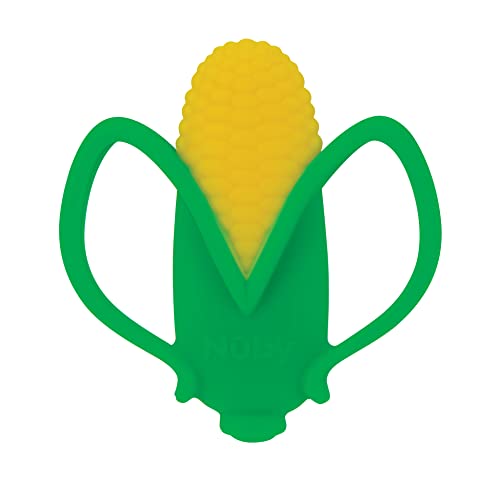
BABY TEETHING TOY FOR 3+ MONTHS: Our Nuby Veggie baby teether toy soothes your little one's discomfort and assists in the emergence of teeth

STACKING TOY FOR TODDLERS 12+ MONTHS: Nuby's Silicone Stackable Sun Toy makes learning fun while encouraging creativity through hands-on play
Boiling Water Technique
Boiling water is a simple way to sterilize toys. First, bring a pot of water to a rolling boil. Submerge the toys completely in the boiling water. Let them stay for 5 to 10 minutes. Remove with tongs and let them air dry. Ensure the toys can withstand high temperatures before boiling.
Using Dishwasher For Cleaning
The dishwasher is another effective method for cleaning toys. Place toys on the top rack of the dishwasher. Use a normal wash cycle with hot water. Ensure toys are dishwasher-safe. This method is great for plastic toys and teething rings.
Chemical-free Solutions
Vinegar and baking soda offer chemical-free cleaning. Mix equal parts water and vinegar in a spray bottle. Spray the toys and let them sit for a few minutes. Wipe them clean with a soft cloth. For deeper cleaning, add baking soda to the mix. Rinse thoroughly and let air dry. This solution works well for most toys.
Choosing The Right Sterilization Method
Selecting the safest method to sterilize baby toys is crucial. Boiling water is a simple way to kill germs without chemicals. For delicate toys, use a mild soap and warm water, ensuring thorough rinsing.
Choosing the right sterilization method for baby toys is essential. It ensures your baby’s safety and health. Different toys need different cleaning methods. Some methods suit specific materials and ages better. Understanding these differences helps keep toys safe and hygienic. Let’s explore the important factors to consider.Recommended Products

EWG VERIFIED : This EWG Verified baby toy cleaner is made with clean ingredients that meet the Environmental Working Group’s strict health and safety standards—perfect for cleaning everyday messes.
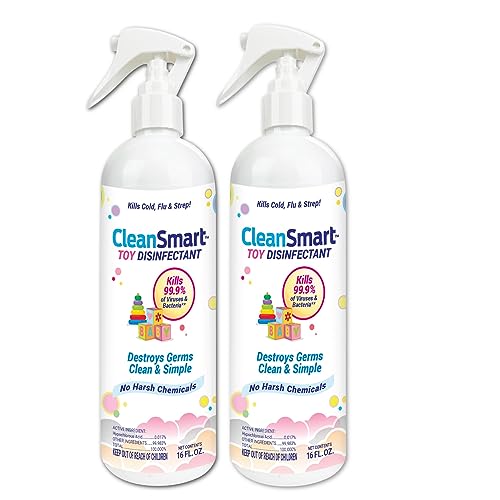
HIGHLY EFFECTIVE AND APPROVED for sanitizing DAY CARE CENTERS in all 50 states

BABY BOTTLE STERILIZER AND DRYER. Sterilize up to six Narrow or Wide-Neck baby bottles at once, plus bottle accessories, breast pump parts, pacifiers, teethers, and more.
Material Considerations
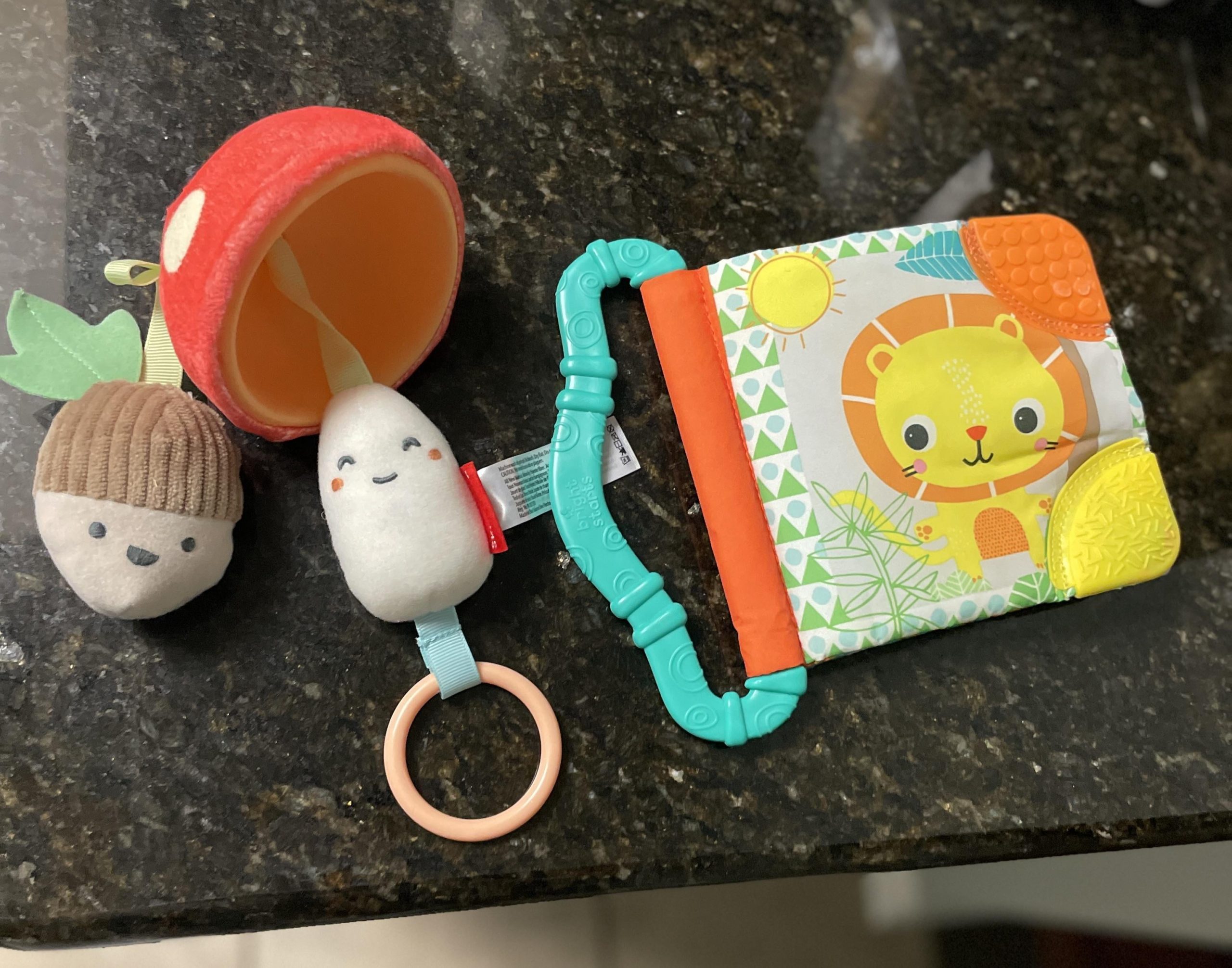
Different materials need different cleaning methods. Plastic toys can often handle more rigorous cleaning. They can be boiled or placed in the dishwasher. Soft toys, like stuffed animals, need gentle washing. Use mild detergent and warm water. Wooden toys require special care. Avoid soaking them. Instead, wipe them with a damp cloth. Always check the manufacturer’s instructions. They provide specific cleaning guidance for each toy type.Age Appropriateness Of Toys
Toys for different age groups need different sterilization. Newborn toys require more frequent cleaning. Babies often put toys in their mouths. For older children, cleaning can be less frequent. But it should still be regular. Toys with intricate parts need thorough cleaning. Ensure all parts are safe for the child’s age. Avoid using harsh chemicals. They can harm your child’s delicate skin. Always rinse toys thoroughly after cleaning. This ensures no cleaning residue remains.Tips For Regular Toy Maintenance
Maintaining baby toys keeps them safe and clean for your child. Regular cleaning prevents germs and keeps toys in good condition. Simple routines can extend toy life and ensure safety.
Recommended Products

Large Toy Boxes: The size of big toy chest is 24.6 x 13 x 16 inches, capacity more than 83 liters. The fashion design adds more beauty to your home decoration, applicable for boys, girls, and babies. Say goodbye to clutter and hello to a tidy and efficient space with our spacious storage box! Recommended age: 3 years and up.

Playful Safari Style with Soft Giraffe Patch - Features a gentle teddy-felt giraffe design that adds warmth and safari charm to any nursery or playroom. A sweet touch for jungle-themed, gender-neutral, or animal-loving baby spaces.

88L Large Capacity Baskets for Toys: The toy box have dimensions of 22 inches wide and 14 inches deep with a storage capacity of 88 Liters. XXXL wicker storage basket is huge and deep enough to store kids toy organizers and storage. Large storage basket is great for storing trucks, dolls, and Legos in the nursery since it can put the toys together.
Storing Toys Safely
Safe storage reduces dust and dirt on toys. Use bins or shelves to keep toys organized. Ensure the storage area is dry and away from direct sunlight. This prevents fading and damage. Label bins for easy access and sorting.
Identifying When Toys Need Cleaning
Observe toys regularly for signs of dirt or wear. If a toy looks dirty, clean it immediately. Check for sticky or grimy surfaces. Smell toys to detect any unusual odors. Odors can indicate bacteria or mold. Schedule regular cleaning sessions weekly.

Credit: www.whattoexpect.com
Avoiding Common Sterilization Mistakes
Properly cleaning baby toys ensures safety and hygiene. Boiling water works well for most hard toys. For soft toys, a gentle wash in the washing machine is effective. Avoid harsh chemicals to prevent harm. Regular cleaning keeps toys safe for little ones.
Keeping your baby’s toys clean is essential, but it’s easy to make mistakes when trying to sterilize them. Ensuring that toys are germ-free without damaging them or leaving harmful residues can be tricky. Let’s explore some common sterilization mistakes and how you can avoid them to keep your baby safe.Overusing Harsh Chemicals
Many parents reach for strong disinfectants, thinking they’re the best option. However, these chemicals can leave residues that are harmful if ingested. Instead, use mild soap and water or a baby-safe disinfectant for everyday cleaning.Ignoring Material Guidelines
Different toys require different care based on their materials. For instance, immersing electronic toys in water can ruin them. Check the toy’s label or manufacturer’s website for cleaning instructions, especially for plush or battery-operated toys.Forgetting Rinse Thoroughly
Even if you’re using a mild cleaner, it’s crucial to rinse toys thoroughly. Any leftover soap can irritate your baby’s skin or mouth. Make it a habit to rinse toys under running water until you’re sure all soap residues are gone.Using High Heat On All Toys
Some parents assume that hot water or the dishwasher is safe for all toys. High heat can deform plastic toys and destroy electronic ones. Consider air drying or using a towel instead, especially for delicate items.Skipping Regular Cleaning
Sterilizing toys isn’t just for when they’re visibly dirty. Germs can linger even on seemingly clean surfaces. Establish a routine cleaning schedule to keep toys hygienic, such as weekly cleanings or after playdates.Not Drying Toys Properly
Leaving toys damp can lead to mold growth, especially in toys with crevices. Ensure toys are completely dry before handing them back to your baby. You might find it helpful to use a fan or place toys in a sunny spot for quicker drying. Have you ever wondered if your sterilization routine could be more effective? By fine-tuning your approach and avoiding these common pitfalls, you can ensure your baby’s toys are both clean and safe.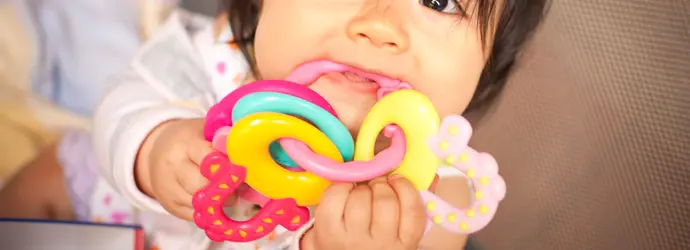
Credit: www.plenty.com
Frequently Asked Questions
How Often Should I Sterilise Baby Toys?
It’s recommended to sterilise baby toys weekly, especially if they are frequently used. Regular sterilisation helps remove germs and bacteria, ensuring toys remain safe for your child. Sterilising toys more often may be necessary during cold and flu seasons or if the toys are shared among multiple children.
Can I Use Boiling Water To Sterilise Toys?
Yes, boiling water is an effective method for sterilising toys. Simply submerge the toys in boiling water for five minutes. Ensure the toys are heat-resistant and safe for boiling. After boiling, allow them to cool and dry completely before giving them back to your child.
Is Vinegar Safe For Cleaning Baby Toys?
Vinegar is a safe and natural option for cleaning baby toys. Mix equal parts of water and white vinegar in a spray bottle. Spray on the toys and wipe them clean. Vinegar effectively kills germs and is non-toxic, making it safe for your little one.
What Toys Require Frequent Sterilisation?
Toys that are frequently mouthed or shared between children need frequent sterilisation. Plush toys, teething rings, and toys used during mealtime should be cleaned often. Regular sterilisation helps prevent the spread of germs and keeps these high-contact toys safe for your child.
Conclusion
Keeping baby toys clean is essential for your child’s health. Regular sterilization prevents germs and bacteria. Choose methods that suit your lifestyle and resources. Boiling water, dishwasher, and natural cleaners work well. Always read toy labels for cleaning instructions. Avoid harsh chemicals that might harm your baby.
Consistent cleaning habits protect your child. Safe toys mean peace of mind for parents. You can maintain a clean play environment with ease. Simple steps lead to a healthier, happier baby. Stay informed and prioritize cleanliness. Your efforts ensure a safe play area for your little one.