As a parent, you know how precious your baby’s health is. When your little one falls ill, your main concern is ensuring their speedy recovery.
But once they’re feeling better, there’s another crucial task at hand—cleaning their toys to prevent the spread of germs. You might wonder, “What’s the best way to clean baby toys after illness? ” This is where things can get tricky.
You want your child’s toys to be safe and hygienic without using harsh chemicals. We’ll unveil the most effective methods to sanitize baby toys, ensuring they are not only clean but safe for your baby to play with again. This guide is essential for every parent who values their child’s health and safety. Keep reading to discover how you can make your baby’s world clean and germ-free effortlessly.
Importance Of Cleaning Baby Toys
Cleaning baby toys is essential after an illness. Germs can linger on toys and spread to others. Babies often explore with their mouths. This increases the risk of spreading illness. Regular cleaning prevents infections and keeps your child safe. It ensures that the play environment is healthy.
Understanding Germs
Germs can survive on surfaces for days. Toys are often shared among children. This makes them prime carriers of bacteria and viruses. Understanding germs helps prevent future illnesses. It highlights the need for proper cleaning methods.
Benefits Of Clean Toys
Clean toys reduce health risks. They provide a safe space for play. A hygienic environment promotes better health. It lowers the chance of recurring infections. Clean toys also teach kids good hygiene habits.
Peace Of Mind For Parents
Knowing toys are clean gives parents peace of mind. It reassures them their child is safe. Parents feel confident about their child’s play environment. This reduces stress and worry. A clean toy collection means fewer health concerns.

Credit: www.facebook.com
Choosing Safe Cleaning Products
After an illness, cleaning baby toys becomes crucial. Selecting the right cleaning products ensures safety for your child. Not all cleaning agents are suitable for toys. Some contain harsh chemicals. These can harm your baby’s health. Choosing safe products is essential to maintain hygiene without risks.
Recommended Products

EWG VERIFIED : This EWG Verified baby toy cleaner is made with clean ingredients that meet the Environmental Working Group’s strict health and safety standards—perfect for cleaning everyday messes.
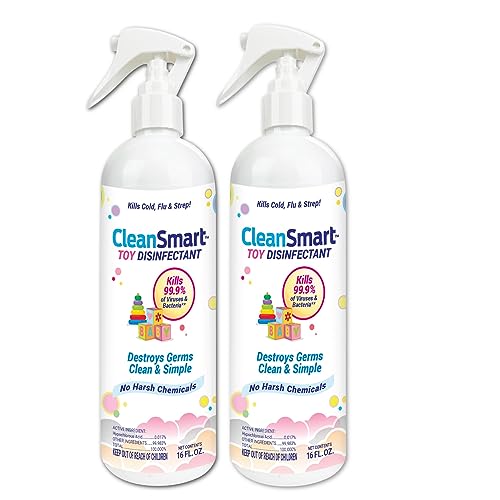
HIGHLY EFFECTIVE AND APPROVED for sanitizing DAY CARE CENTERS in all 50 states

EWG VERIFIED: This baby toy cleaner is certified EWG Verified and made with clean ingredients that meet the Environmental Working Group's strict health and safety standards so you can feel confident that it does not contain any potentially concerning ingredients.
How To Identify Non-toxic Cleaners
Read labels carefully. Look for “non-toxic” or “child-safe” markings. These indicate safer choices. Avoid products with strong fragrances. These often contain harmful chemicals. Opt for unscented or naturally scented options. Natural ingredients like vinegar or baking soda are safer.
The Role Of Natural Ingredients
Natural ingredients are gentle yet effective. Vinegar can disinfect toys. Baking soda removes dirt and odors. These are safe even if residue remains. Ensure thorough rinsing for best results. Lemon juice is another natural choice. It leaves toys smelling fresh.
Avoiding Harmful Chemicals
Steer clear of bleach and strong detergents. These can irritate skin and eyes. Check for phthalates and parabens. These chemicals may affect health. Organic or eco-friendly labels often indicate safer products. These are better for both baby and environment.
Choosing Products With Baby-friendly Certifications
Seek certifications from trusted organizations. Labels like “USDA Organic” or “EPA Safer Choice” are reliable. They ensure products meet safety standards. Certification reassures you of product safety. It’s peace of mind for parents.
Disinfecting Hard Surfaces
Cleaning baby toys after illness is crucial to prevent the spread of germs. Start by washing toys with warm, soapy water. Disinfect hard surfaces using a mild bleach solution or disinfectant wipes, ensuring thorough drying before use. Regular cleaning keeps baby toys safe and hygienic.
Keeping baby toys clean is essential, especially after your little one has been sick. Hard surface toys, like plastic and wooden ones, are breeding grounds for germs. Disinfecting these surfaces not only keeps your baby healthy but also gives you peace of mind. Let’s dive into practical ways to ensure your baby’s toys are safe for playtime again.Recommended Products

ANTIBACTERIAL HAND WIPES: Boogie Antibacterial Hand Wipes wipe away dirt, messes and bacteria from the hands and body when soap and water are not available

EFFECTIVE ALL PURPOSE WIPES: Dapple All Purpose Wipes are powered by plants and clean surfaces including toys, high chairs, swings, counters, and more
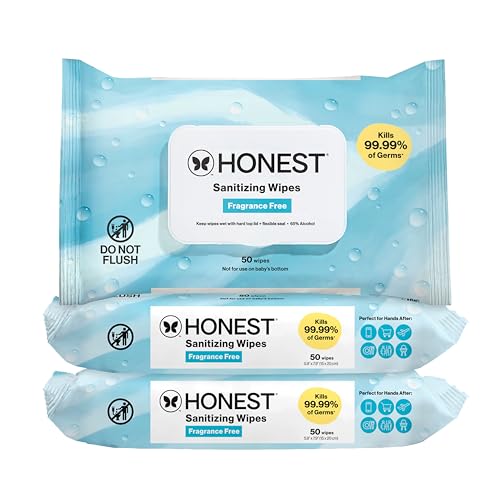
KILLS 99.99% of GERMS: Made with 65% plant-derived ethyl alcohol and a touch of aloe, these antibacterial Sanitizing Wipes thoroughly clean, sanitize, and effectively kill 99.99% of germs
Using Mild Soap And Water
Start with the basics. A simple wash with mild soap and warm water can remove a lot of germs. Scrub the toys gently and rinse them thoroughly to avoid any soap residue. Do you have a few minutes to spare? Let the toys soak in soapy water for a bit. This helps in loosening up any stubborn grime.Applying A Vinegar Solution
Vinegar is a natural disinfectant that can be effective on hard surfaces. Mix equal parts of white vinegar and water in a spray bottle. Spray the solution generously on the toys and let it sit for a few minutes before wiping it off. The smell might be strong initially, but it will fade. Plus, vinegar is safe for your baby, making it a great option if you’re concerned about chemical cleaners.Utilizing Commercial Disinfectant Wipes
When time is short, disinfectant wipes can be your best friend. Choose wipes that are free from harsh chemicals and safe for children. A quick wipe-down can be very effective in killing germs. But, don’t forget to read the label. Some wipes require you to rinse the toy after wiping, ensuring there’s no chemical residue left behind.Employing A Bleach Solution
For toys that have endured a heavy dose of baby love—and germs—a bleach solution might be the answer. Mix one tablespoon of bleach with a gallon of water for an effective disinfectant. Submerge the toys and soak for about five minutes, then rinse thoroughly with water. Remember to let the toys air dry completely before giving them back to your child. Bleach is powerful, so use it sparingly and with caution.Taking Advantage Of The Dishwasher
Did you know that some hard toys are dishwasher safe? Check the toy label or manufacturer’s instructions to see if this is an option. The high temperature in the dishwasher can effectively sanitize toys. Place them on the top rack to avoid any potential damage. It’s a hands-off way to get the cleaning done while you tackle other tasks. Cleaning your baby’s toys doesn’t have to be a daunting task. Which method suits you best? Try a few different ones and see what works for your family. The key is consistency and ensuring those toys are ready for the next round of playtime adventures.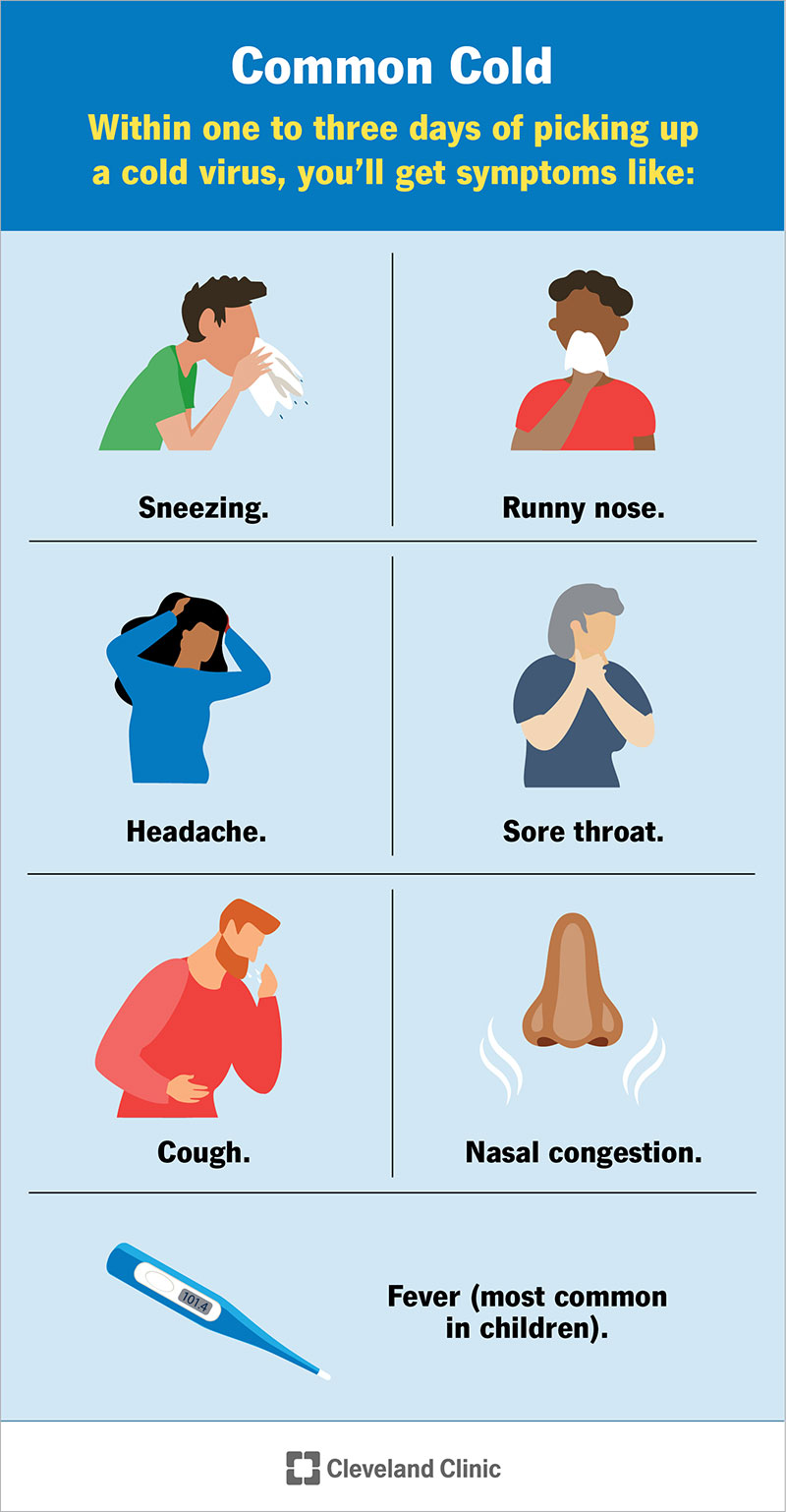
Credit: my.clevelandclinic.org
Sanitizing Soft Toys
Cleaning baby toys after illness is crucial for keeping germs at bay. Start by checking the toy’s label for washing instructions. Use mild soap and warm water to gently scrub soft toys, then let them air dry completely to ensure safe playtime.
Keeping your baby’s toys clean is crucial, especially after an illness. Soft toys, or plush toys, often provide comfort to little ones, but they can harbor germs and bacteria. Sanitizing these toys can be a challenge, but with the right approach, you can ensure they remain safe for your child to cuddle with.Recommended Products

This heavy duty Honeycomb mesh laundry bag is specially designed to wash delicate clothes without wear and tear in washing machines and dryers

ULTRA LARGE CAPACITY - Each mesh laundry bag measures 43.3''×35.4'' and can hold 3~4 loads of laundry, large enough to line dirty laundry hampers or baskets
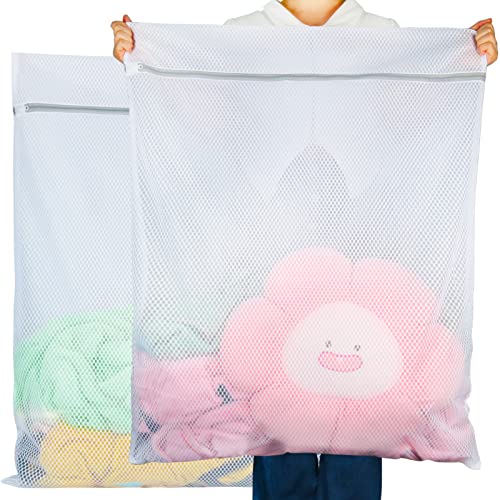
SUPER LARGE CAPACITY - Each extra large travel storage organize bag measures 27" x 35", it’s designed for coats, large plush dolls, curtain, coverlet, blanket, carpet and more
Use The Washing Machine
Most soft toys can be cleaned easily in a washing machine. Check the toy’s label for washing instructions. Use a gentle cycle with warm water and a mild detergent to effectively sanitize without damaging the toy.Air Dry Thoroughly
After washing, air drying is often the best option. High heat from a dryer can damage some fabrics or cause shrinkage. Place the toy in a well-ventilated area to dry completely, ensuring no damp spots remain to prevent mold growth.Spot Clean When Necessary
Not all toys are machine washable, especially those with electronic components. For these, spot cleaning is your best bet. Use a cloth dampened with a mixture of water and gentle soap to carefully clean the surface.Sanitize With Steam
Steam cleaning is a powerful way to kill germs. If you have a steam cleaner, use it to sanitize soft toys. This method is efficient and chemical-free, making it safe for delicate fabrics.Consider Using A Disinfectant Spray
If washing isn’t an option, a disinfectant spray can be an alternative. Choose a spray that is safe for fabrics and non-toxic for children. Lightly mist the toy and allow it to air dry completely before giving it back to your child. Have you ever thought about the hidden germs in your child’s favorite teddy bear? Taking these steps can keep their toys fresh and safe, giving you peace of mind.Drying And Storing Toys Properly
Keeping baby toys clean after illness is crucial. Wash them with mild soap and warm water. Let them dry completely before storing. This prevents germs from spreading and keeps your child safe.
Drying and storing toys properly ensures they remain clean and safe. After cleaning baby toys, drying them thoroughly is crucial. Moisture invites bacteria and mold. This can harm your little one. Storing toys correctly also maintains their cleanliness. It reduces the risk of contamination from dust or germs.Ensuring Complete Drying
Wipe toys with a clean, dry cloth. Air drying works well for many items. Place toys on a clean towel. Turn them occasionally. Ensure no water remains. For wooden toys, dry immediately after cleaning. Moisture can damage wood. Soft toys can be dried in the sun. Sunlight helps eliminate germs.Proper Storage Techniques
Store toys in a clean, dry area. Use baskets or bins with lids. This protects toys from dust. Clear containers help you see contents easily. Labeling bins aids in quick identification. Avoid storing toys in damp areas. Basements can be risky for toy storage. Choose an area with good air circulation.Regular Checks And Maintenance
Inspect toys regularly for damage. Broken parts can harbor germs. Repair or discard damaged toys. Rotate toys every few weeks. This helps maintain interest and cleanliness. Regular checks ensure toys stay safe and fun.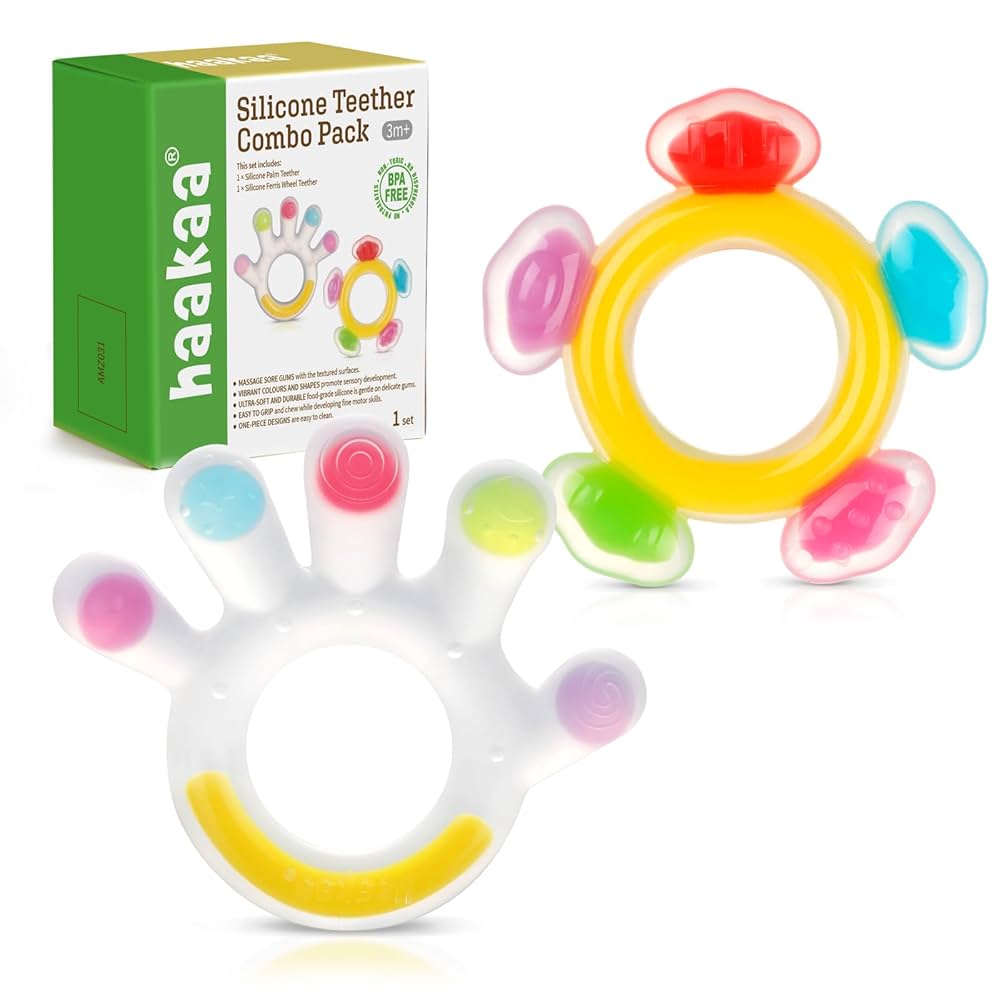
Credit: www.amazon.com
Maintaining A Cleaning Routine
Cleaning baby toys regularly keeps them safe and germ-free. After an illness, this becomes even more crucial. A consistent cleaning routine ensures that germs don’t linger. It also helps keep your child healthy and happy. Let’s explore how you can maintain this routine effectively.
Establish A Regular Cleaning Schedule
Make a cleaning schedule and stick to it. Weekly cleaning works for most toys. High-touch toys may need daily attention. Mark cleaning days on your calendar. This helps you remember and stay consistent.
Choose The Right Cleaning Products
Use mild, child-safe cleaners for toy cleaning. Check labels for safety. Avoid harsh chemicals that can harm your child. Vinegar and water are safe and effective options. Always rinse toys well after cleaning.
Utilize Quick Cleaning Methods
Use a dishwasher for dishwasher-safe toys. This saves time and ensures thorough cleaning. For soft toys, use the washing machine. Quick hand wipes work well for on-the-go cleaning.
Educate Your Family
Teach everyone in the family about the cleaning routine. This helps maintain consistency. It also promotes a healthy environment for your baby. A shared responsibility makes the routine easier to manage.
Frequently Asked Questions
How Often Should I Clean Baby Toys After Illness?
Cleaning baby toys after illness is crucial. It’s best to clean them immediately after recovery. Regular cleaning helps prevent the spread of germs. Use safe cleaning methods to ensure toys are sanitized effectively. This practice promotes a healthy environment for your baby.
What Cleaning Solutions Are Safe For Baby Toys?
Use mild soap and water for cleaning baby toys. Avoid harsh chemicals and opt for natural disinfectants like vinegar. These solutions are gentle and safe for babies. Always rinse thoroughly to remove any residue. This ensures toys are safe for your baby’s use.
Can I Use A Dishwasher For Sanitizing Toys?
Some toys are dishwasher-safe, but check labels first. Use the dishwasher’s gentle cycle for plastic toys. Avoid high temperatures as they can damage toys. Always ensure toys are thoroughly dried before use. This method can be convenient for busy parents.
How Do I Sanitize Plush Toys Effectively?
Sanitize plush toys by washing them in a machine. Use hot water and a gentle detergent. Air dry or use a dryer on low heat. Regular washing keeps plush toys hygienic. Always check labels for specific washing instructions to avoid damage.
Conclusion
Keeping baby toys clean after illness is crucial. It helps protect your child’s health. Simple steps make a big difference. Use warm, soapy water for most toys. Disinfect with a safe solution if needed. Rinse thoroughly to remove residues. Dry toys completely to prevent mold.
Check manufacturer instructions for specific cleaning tips. Regular cleaning keeps germs at bay. Clean toys mean a safer play environment. A little care goes a long way. Your child’s health is worth the effort. Stay consistent with cleaning routines. Make it a habit.
Your baby deserves a clean and healthy world.