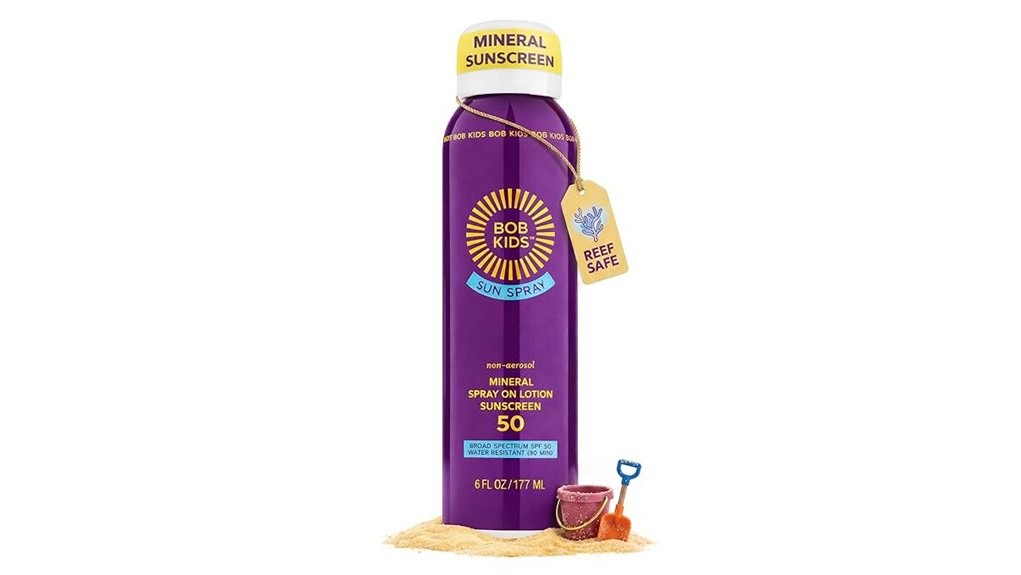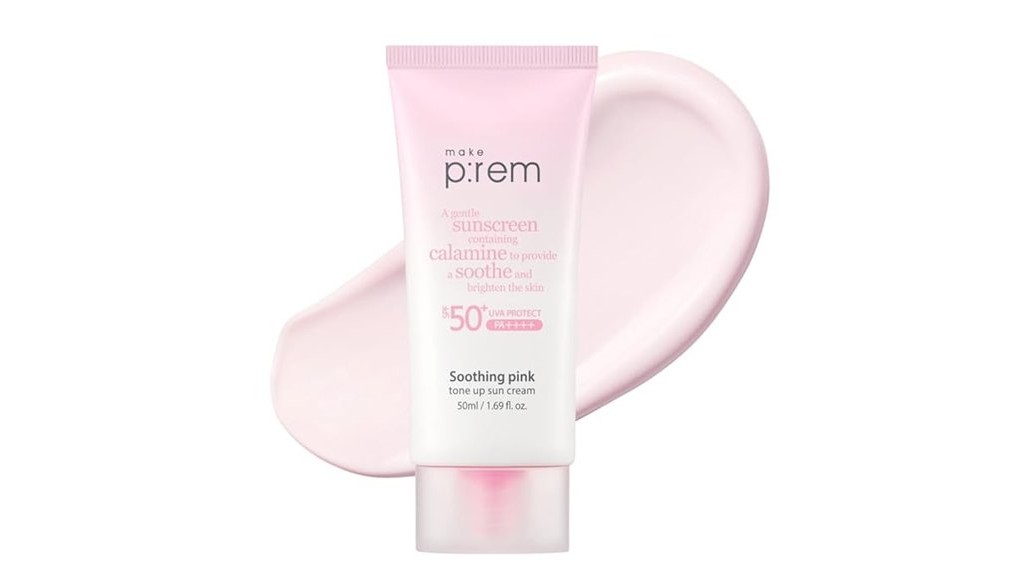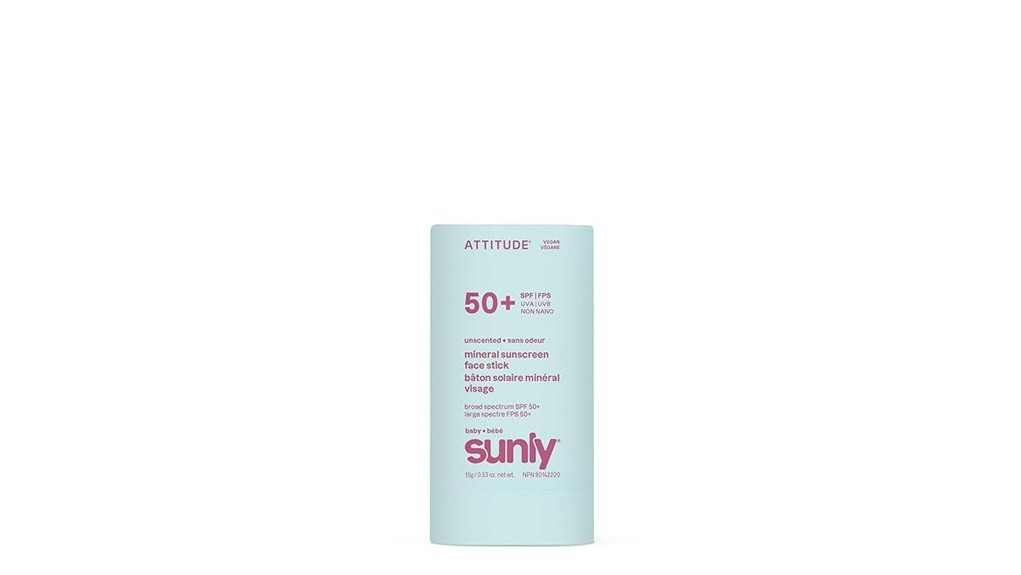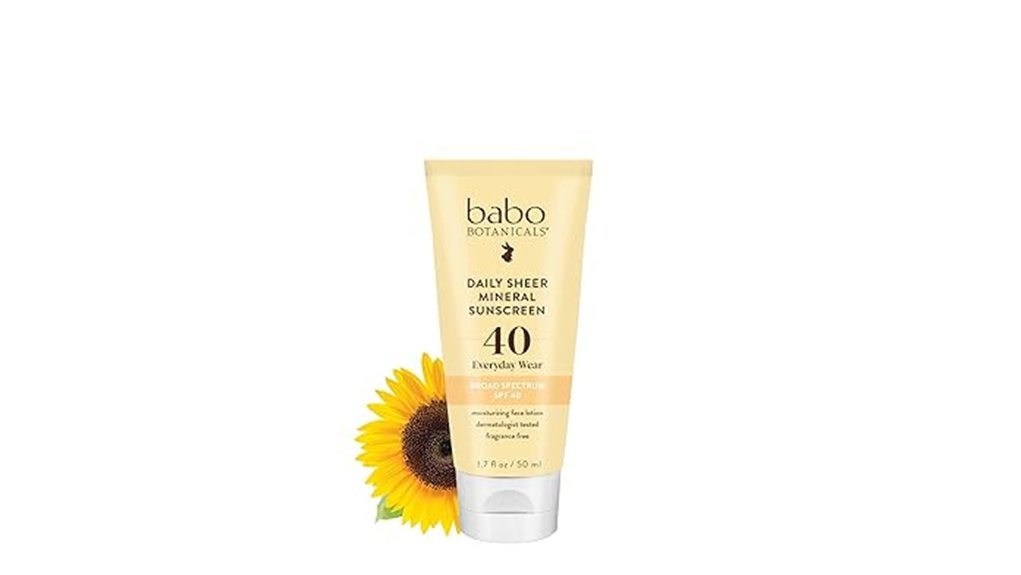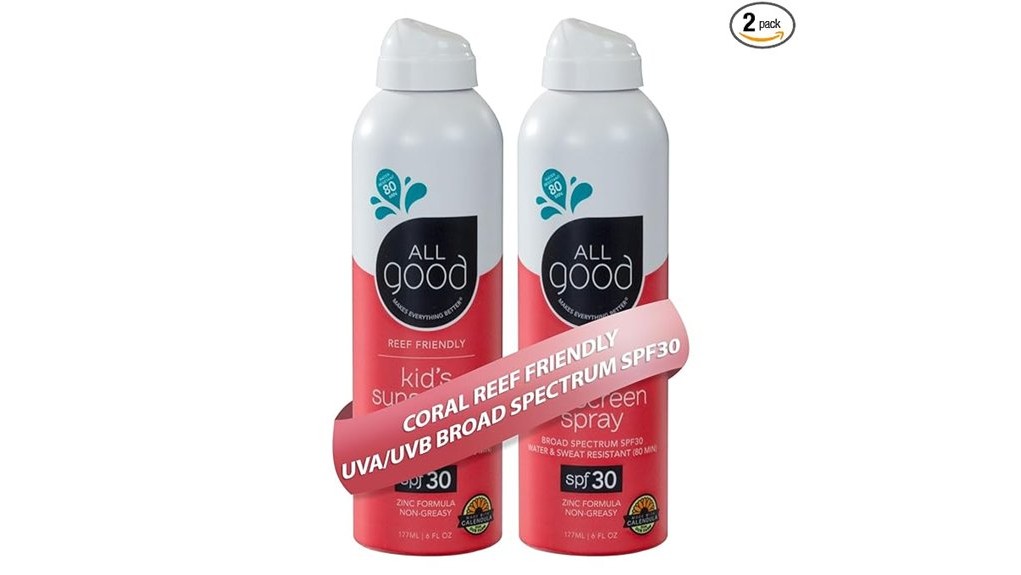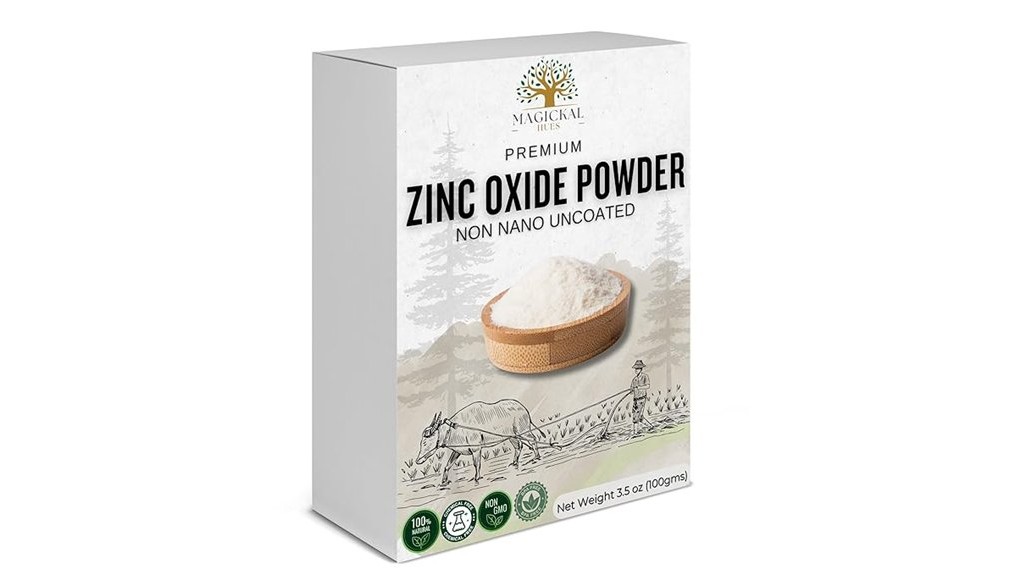
Zinc oxide powder non-nano is gaining attention in the skincare community for its unique properties. This mineral offers broad-spectrum UV protection, making it a valuable ingredient for sensitive skin types. Its soothing effects may reduce inflammation and irritation, setting it apart from other options. Additionally, its compatibility with DIY cosmetics enhances formulation stability. However, the distinctions between zinc oxide and other mineral powders remain critical to understand. What implications does this have for skincare formulations?
Key Takeaways
- Non-nano zinc oxide offers effective sun protection without penetrating deeply, making it suitable for sensitive skin applications.
- It provides broad-spectrum UV defense, shielding skin from harmful rays while reducing inflammation and soothing irritation.
- Compared to other mineral powders, zinc oxide is preferred for its excellent skin protection and anti-inflammatory properties.
- Ideal for DIY cosmetics, it enhances emulsion stability and acts as a natural sunscreen while improving texture in formulations.
- Store zinc oxide powder in a moisture-resistant, cool, dark place, and mix thoroughly for optimal performance in skincare products.
What Is Non-Nano Zinc Oxide Powder and Why Use It?
Non-nano zinc oxide powder stands out as a key ingredient in the domain of skincare and cosmetic formulations. Its non-nano benefits include enhanced skin protection without penetrating deeper layers, making it ideal for sensitive skin applications.
This ingredient offers remarkable cosmetic versatility, serving as a base for various products like creams, masks, and mineral makeup. Its ability to blend effortlessly without fillers promotes clean beauty initiatives, appealing to those who prioritize natural ingredients.
As DIY enthusiasts and skincare creators explore custom solutions, non-nano zinc oxide powder emerges as an essential component, empowering individuals to craft their own effective, safe formulations.
Why Zinc Oxide Is a Must-Have for Your Skincare Routine
Why is zinc oxide considered an essential ingredient in skincare routines? Renowned for its broad-spectrum sun protection, zinc oxide shields the skin from harmful UV rays, making it a crucial component in any sunscreen formulation.
Additionally, it serves as an effective acne treatment, helping to reduce inflammation and soothe irritated skin. Its versatility allows for incorporation into various DIY cosmetic products, from creams to masks.
Zinc Oxide vs. Other Mineral Powders: What You Need to Know
Zinc oxide stands out among mineral powders due to its unique combination of protective and therapeutic properties, which are not always replicated by other options such as titanium dioxide or magnesium stearate.
| Property | Zinc Oxide |
|---|---|
| Skin Protection | Excellent |
| UV Defense | Broad-spectrum |
| Anti-inflammatory | Yes |
In a mineral comparison, zinc benefits include its effectiveness in soothing irritated skin and providing a physical barrier against sun damage. While titanium dioxide serves similar purposes, it lacks the thorough therapeutic effects zinc oxide offers, making it a preferred choice for holistic skincare formulations.
Incorporating Zinc Oxide in DIY Cosmetics
Incorporating zinc oxide into DIY cosmetics offers a versatile approach to enhancing skincare formulations. This ingredient is celebrated for its numerous zinc benefits, including soothing irritation and providing sun protection.
By integrating zinc oxide, creators can elevate their cosmetic formulations in several ways:
- Acts as a natural sunscreen, shielding skin from harmful UV rays.
- Provides gentle exfoliation for clearer, healthier skin.
- Enhances the stability of emulsions in creams and lotions.
- Serves as a thickening agent, improving product texture.
Tips for Storing and Using Zinc Oxide Powder Effectively
Effective storage and usage of zinc oxide powder can greatly enhance its benefits in DIY cosmetic formulations. To guarantee longevity, utilize moisture-resistant containers and keep the powder in a cool, dark place.
Storing techniques such as sealing the pouch tightly after each use can prevent clumping and degradation. For best application, mix the powder thoroughly with oils or creams to enhance blendability, guaranteeing an even distribution in formulations.
Experimenting with small batches allows users to refine their recipes while maximizing the powder’s protective properties. These application tips empower creators, enabling them to craft effective, skin-friendly products with ease.
Frequently Asked Questions
Can Non-Nano Zinc Oxide Cause Skin Irritation or Allergic Reactions?
Non-nano zinc oxide generally exhibits low skin sensitivity, making it unlikely to cause allergic reactions for most users. However, individuals with sensitive skin should conduct patch tests to verify compatibility before widespread application.
How Does Non-Nano Zinc Oxide Compare to Chemical Sunscreens?
Non-nano zinc oxide offers superior physical protection against UV rays compared to chemical sunscreens, which absorb sunlight. Its chemical properties guarantee broad-spectrum effectiveness, making it a preferred choice for those seeking safer, natural skincare solutions.
Is Non-Nano Zinc Oxide Safe for Sensitive Skin Types?
Non-nano zinc oxide is generally safe for sensitive skin types, offering soothing benefits. Proper application techniques, such as gentle massaging and blending, enhance its effectiveness while minimizing irritation, making it a preferred choice for delicate skin.
Can I Use Non-Nano Zinc Oxide in Food Products?
While non-nano zinc oxide sparkles in skincare, its use in food products remains clouded by ingredient regulations. Food safety concerns necessitate caution; consequently, it’s advisable to consult regulatory guidelines before considering its culinary application.
What Are the Environmental Impacts of Using Zinc Oxide?
The environmental impacts of zinc oxide include potential leaching from zinc sources into ecosystems, affecting aquatic life. Strict environmental regulations aim to mitigate these effects, ensuring responsible sourcing and usage in various applications, including cosmetics and skincare.
Conclusion
To conclude, non-nano zinc oxide powder emerges as an essential component in modern skincare, merging efficacy with safety. Its ability to shield against UV rays while soothing sensitive skin underscores its importance in daily routines. Comparative studies suggest that its benefits surpass those of other mineral powders, particularly for individuals seeking natural solutions. As research continues to explore its multifaceted properties, the popularity of zinc oxide in DIY cosmetics is likely to grow, reaffirming its status in clean beauty.