As a parent, you want nothing but the best for your little one. You carefully pick out toys that promise fun and learning, hoping to see those bright smiles and hear joyful giggles.
But what if some toys aren’t as safe or beneficial as they seem? What if the flashy colors and catchy tunes mask hidden dangers? In this eye-opening article, you’ll discover the worst toys for infants that could pose risks to your baby’s safety and development.
Equip yourself with the knowledge to make wise choices and ensure your child’s playtime is both safe and enriching. Keep reading to uncover surprising truths that every parent should know.

Credit: www.prwe.com
Choking Hazards
Choking hazards are a serious concern when it comes to toys for infants. As a parent, you want your child to explore and learn safely. Unfortunately, many toys on the market can pose a risk due to small parts that can easily be swallowed or lodged in a baby’s throat.
Remember the first time you watched your baby attempt to put everything in their mouth? It’s a natural way for them to explore the world. However, this curiosity can turn dangerous with the wrong toys. You need to be vigilant about what toys you allow in their play space.
Small Parts Are Big Problems
Many toys have tiny pieces that can easily break off. These small parts pose a choking threat to infants. A popular toy with detachable eyes or ears might seem cute, but these can become dangerous if separated.
Always check toys for loose components. Tug gently on any small parts before letting your child play with them. If they come off easily, it’s time to find a safer option.
Age Recommendations Matter
Toy manufacturers provide age recommendations for a reason. These guidelines consider the safety of the toy for specific age groups. Ignoring these can lead to choosing toys with parts unsuitable for infants.
If a toy is labeled for ages three and up, it might contain pieces that pose a choking hazard. Always stick to age-appropriate toys to ensure your baby’s safety.
Unforeseen Hazards In Plush Toys
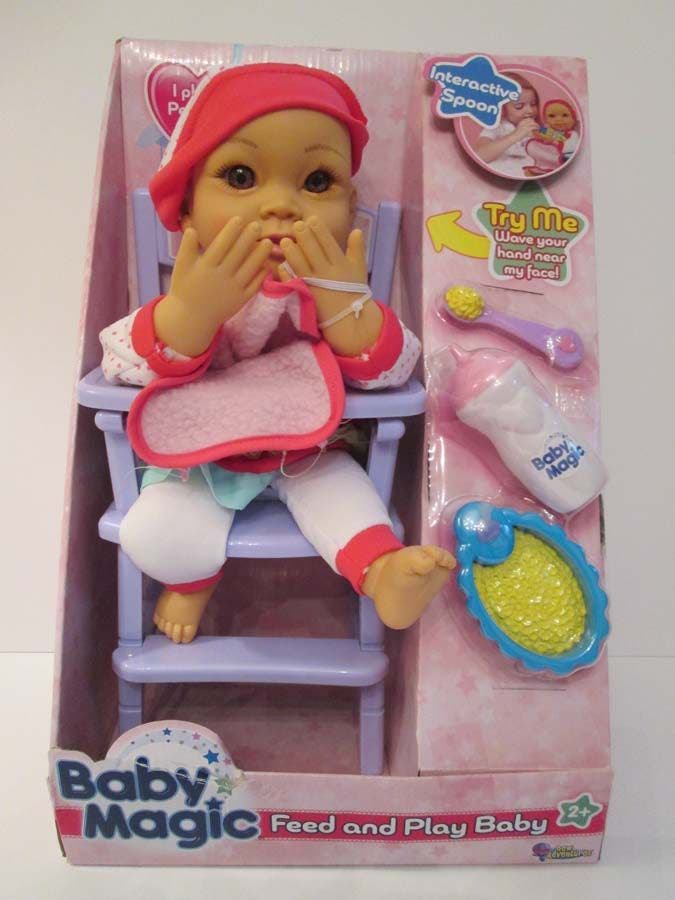
Plush toys seem safe, but hidden dangers lurk. Some have small decorations like buttons or beads that can detach. You might have gifted your child a soft teddy bear only to find a button in their mouth.
Inspect plush toys carefully. Remove or avoid toys with any small, detachable elements. It’s better to be safe than sorry.
Diy Safety Check
Conducting a simple safety check can prevent choking incidents. Use a toilet paper roll as a guide. If a toy part can fit inside, it’s a choking hazard.
Regularly test toys in your child’s collection. This proactive approach can help protect your infant from dangerous situations.
Are you confident that every toy in your baby’s room is safe? Keeping an eye on potential choking hazards can make playtime worry-free. What steps will you take to ensure your child’s toys are secure? Your vigilance can make all the difference.

Credit: www.usatoday.com
Sharp Edges And Points
Choosing safe toys for infants is crucial. Sharp edges and points pose a significant threat. These dangerous features can cause injuries. Parents must be vigilant when selecting toys. A careful eye can prevent accidents.
Sharp Edges: A Hidden Danger
Many toys appear harmless but hide sharp edges. These edges can cut delicate skin. Even minor cuts can lead to infections. Inspect toys thoroughly before purchase. Ensure edges are smooth and rounded.
Pointed Parts: A Risky Feature
Toys with pointed parts can be hazardous. Infants explore by touching and tasting. A pointed object can harm their mouth or eyes. Choose toys with soft, blunt features. Safety should always be the priority.
Regular Inspection: A Protective Measure
Check toys regularly for wear and tear. Broken parts can create sharp edges. Discard damaged toys immediately. Regular inspections keep playtime safe. Ensure your child’s safety with diligent checks.
Safe Alternatives: Opt For Rounded Designs
Select toys with rounded designs for safety. Soft materials reduce injury risks. Consider plush toys or rubber items. These are safer choices for infants. Prioritize toys designed for their age group.
Toxic Materials
Choosing safe toys for infants is crucial. Toxic materials in toys pose serious risks. Infants often chew and suck on toys. Harmful chemicals can enter their bodies.
Lead In Paint
Lead is a dangerous metal. Some toys have lead-based paint. Lead affects brain development in infants. Always check labels for safety standards.
Phthalates In Plastic
Phthalates make plastic flexible. They are found in many toys. These chemicals disrupt hormones. Opt for phthalate-free toys to protect infants.
Formaldehyde In Wood Toys
Formaldehyde is used in wood glues. It emits harmful gases. These gases can cause breathing problems. Choose natural wood toys without chemicals.
Heavy Metals In Electronics
Electronic toys may contain heavy metals. Cadmium and mercury are common. These metals damage organs. Ensure electronic toys meet safety regulations.
Small Parts And Detachables
Small parts and detachables pose significant choking hazards for infants. These toys can easily break apart, risking serious injury. Parents should choose toys without loose pieces to ensure safety.
Small parts and detachables in toys can be a hidden danger for infants. These tiny components may seem harmless, but they pose a serious choking hazard. As a parent or caregiver, it’s crucial to be vigilant about the toys you choose for your little one.Why Small Parts Are Risky
Infants are naturally curious and love to explore with their mouths. A toy with small parts can easily become a choking hazard. Did you know that even a button-sized piece can obstruct an infant’s airway? The American Academy of Pediatrics warns that any part smaller than 1.75 inches in diameter is unsafe for infants.Common Offenders
Many toys that seem safe at first glance may have small detachable parts. Building blocks, dolls with removable accessories, and even some rattles can be dangerous. Have you ever found a small toy piece under the couch, long after playtime ended? This is a reminder of how easily pieces can go unnoticed.Choosing Safer Toys
Look for toys that are specifically labeled as safe for infants. These should have no small parts or detachable pieces. Opt for well-constructed toys, like soft plush animals or solid wooden blocks, that don’t have bits that can come loose.Testing Toy Safety At Home
Use a toilet paper roll as a simple gauge. If a toy or any part of it can fit inside, it’s too small for an infant. This quick test can help you identify potential hazards in seconds. Have you tried this method before? It can be an eye-opener for ensuring your child’s safety.Being Proactive
Regularly inspect your infant’s toys for any signs of wear or loose parts. Do you have a set routine for toy inspection? Making it a habit can prevent accidents. Securely discard any toys that show signs of damage to keep your child safe. By focusing on toys without small parts and detachables, you protect your infant from unnecessary risks. Take a moment to evaluate the toys in your home. Are they truly safe for your little explorer?Noise Levels And Hearing Damage
Choosing toys for infants requires careful thought, especially regarding noise levels. Many toys produce sounds that can be harmful to an infant’s hearing. Loud noises may cause stress or even damage delicate ears. Parents need to be aware of noise levels in toys to protect their child’s hearing health.
Understanding Safe Noise Levels
Sounds above 85 decibels can harm hearing. Many toys exceed this level. It’s crucial to check toys’ noise ratings before purchase. Use a sound meter app on your phone to test toy noise levels. Safe toys should have adjustable volume settings. Always prioritize toys with quieter sound options.
Toys That Are Too Loud
Some toys are louder than traffic noise. Sirens, horns, and musical toys often top the list. These toys can cause hearing loss with prolonged exposure. Avoid toys that mimic emergency vehicle sounds. They often exceed safe noise limits. Choose toys that engage without excess noise.
Signs Of Hearing Damage In Infants
Be alert to signs of hearing damage. An infant not responding to sounds might have hearing issues. Watch for signs of discomfort when near loud toys. If a child turns away from a sound, it might be too loud. Regularly check for these signs to ensure your child’s hearing is protected.
Age-inappropriate Toys
Certain toys pose risks to infants due to small parts or complex mechanisms. Bright colors and loud noises can overwhelm young senses. Safe options are crucial for healthy development during early years.
Selecting the right toys for infants can be more challenging than it seems. Age-inappropriate toys often find their way into the playroom, posing risks that aren’t immediately obvious. These toys may be too advanced or not suitable for an infant’s developmental stage, leading to frustration or even injury. Understanding how to spot these toys can make playtime safe and enjoyable.Understanding Age Recommendations
Age recommendations on toy packaging aren’t just suggestions—they’re crucial guidelines. They are based on safety standards and developmental milestones. Ignoring these can put your child at risk. Imagine giving a puzzle meant for a 3-year-old to a 10-month-old. Not only is it a choking hazard, but it’s also likely to discourage your infant when they can’t engage with it properly. Always check the age label before purchasing.The Dangers Of Small Parts
Toys with small parts are particularly hazardous for infants. These parts can easily be swallowed, leading to choking or other injuries. You might recall the time a well-meaning relative gifted your little one a toy with detachable eyes and buttons. A quick glance at the age recommendation could have prevented that scare. To avoid such mishaps, inspect toys for loose parts and small components. If in doubt, perform a quick shake test; if you hear rattling, reconsider its suitability.Overstimulating Toys
Toys with excessive lights and sounds can overwhelm an infant’s senses. While they might seem entertaining, they can lead to overstimulation and irritability. Picture your infant surrounded by flashing lights and blaring sounds—it’s not the soothing environment they need. Opt for toys that offer sensory engagement without the chaos. Soft plush toys or simple rattles can be just as engaging without the sensory overload.Complex Toys Beyond Developmental Stage
Complex toys designed for older children can leave infants feeling frustrated. These toys require skills and understanding they haven’t developed yet. Have you ever watched an infant try to manipulate a toy with intricate mechanics? It’s like asking them to solve a puzzle with missing pieces. Choose toys that match their current abilities, fostering a sense of achievement and joy. Building blocks or textured balls are excellent choices that grow with your child.Final Thoughts
Selecting toys that are age-appropriate ensures your infant’s safety and enjoyment. It also supports their developmental journey, providing the right challenges at the right time. Next time you’re shopping, ask yourself: Is this toy truly suitable for my child’s age and abilities? Your careful choices can make all the difference.
Credit: m.youtube.com
Frequently Asked Questions
What Toys Pose Choking Hazards For Infants?
Small toys or those with detachable parts can pose choking risks. Infants often explore by mouthing objects. Always choose toys labeled as safe for infants, typically larger than a toilet paper roll. Regularly inspect toys for wear and tear to ensure they remain safe for your little one.
Are Noisy Toys Harmful To Infant Hearing?
Yes, noisy toys can harm an infant’s hearing. Babies have sensitive ears and loud sounds can be damaging. Choose toys with adjustable volume or those that produce soft, soothing sounds. Always test toys for noise levels before giving them to your baby to ensure auditory safety.
Why Avoid Toys With Sharp Edges?
Toys with sharp edges can cause cuts or bruises. Infants are prone to accidents as they explore their environment. Ensure toys are well-made, with rounded edges and soft materials. Regularly check for damage or wear that might expose sharp edges, keeping playtime safe and fun.
Are Plush Toys Safe For Infants?
Plush toys can be safe but require caution. They can harbor dust mites and allergens. Choose hypoallergenic options and ensure they’re machine washable. Avoid those with small parts like eyes or noses that can detach. Regular cleaning helps maintain a safe environment for your baby.
Conclusion
Choosing safe toys for infants is crucial. Some toys pose hidden dangers. Small parts can be choking hazards. Loud toys may harm ears. Bright lights could overwhelm eyes. Always read labels carefully. Consider age-appropriate suggestions. Simple toys often work best.
Blocks, soft dolls, or teething rings are great choices. Safety matters more than style. Prioritize well-made toys. Your baby’s development depends on safe play. Make informed decisions to protect your little one. Research, ask questions, and trust your instincts. Safer toys lead to happier, healthier infants.
Choose wisely and ensure peace of mind.