Are you overwhelmed by the endless array of baby toys cluttering your home? Do you find yourself questioning whether all those brightly colored gadgets and gizmos are truly necessary?
You’re not alone. Many parents are reconsidering the avalanche of toys in their homes, searching for a balance between stimulation and simplicity. Imagine a space where your baby can play, learn, and grow without feeling overstimulated or overwhelmed. By prioritizing quality over quantity, you can create a serene environment that nurtures your child’s development.
Dive into this article to discover how you can transform your home into a haven of calm and purposeful play.
Dangers Of Overstimulation
As a parent, you might have noticed the endless array of colorful, noisy, and flashy toys that promise to entertain and educate your baby. While these toys can be fun, they can also lead to overstimulation, which might affect your baby’s development and well-being. Understanding the dangers of overstimulation is crucial to ensuring your baby grows in a calm and nurturing environment.
What Is Overstimulation?
Overstimulation occurs when your baby is exposed to too much sensory input. This could be due to bright lights, loud sounds, or excessive activity. Imagine your baby’s brain as a sponge; it absorbs everything around it. However, too much can overwhelm their delicate senses.
Signs Your Baby Is Overstimulated
Recognizing overstimulation is key to addressing it. You might notice your baby is unusually cranky or fussy. They might struggle to fall asleep or stay asleep. Pay attention to their cues; a baby who turns away from toys or rubs their eyes may be signaling they’re overwhelmed.
Long-term Effects Of Overstimulation
Prolonged exposure to overstimulation can impact your baby’s ability to focus and learn. It can lead to increased stress levels, affecting their mood and behavior. Think about the long-term implications; a stressed baby today might struggle with attention and social skills tomorrow.
Balancing Playtime
Finding the right balance is essential. Choose toys that engage but don’t overwhelm. Consider toys with muted colors and gentle sounds. Rotate toys to keep things fresh without bombarding your baby with too many options at once.
Creating A Calming Environment
Limit exposure to noisy and crowded spaces. Create a calm area where your baby can relax and play without distractions. Use soft lighting and soothing music to create a peaceful atmosphere.
Personal Experience: Learning The Hard Way
I remember buying my baby a flashing musical toy, thinking it would keep him entertained. Instead, he cried and struggled to nap afterwards. It was a wake-up call to opt for simpler toys. Have you had a similar experience? Learning from these moments can guide us in creating a balanced environment.
Making Thoughtful Choices
Consider the impact of each toy. Does it encourage calm engagement or add to the chaos? Ask yourself, “Is this toy helping or hindering my baby’s development?” Your choices today can shape your baby’s future.
By understanding and addressing the dangers of overstimulation, you can create a nurturing space for your baby. Reflect on your experiences and make informed decisions to support your child’s growth.
Credit: www.cpsc.gov
Impact On Development
Choosing the right toys is crucial for babies’ growth. Toys influence their learning and development. They help with physical, mental, and emotional skills. Selecting suitable toys can shape a child’s future abilities.
Physical Skills
Baby toys play a vital role in developing physical skills. Toys that encourage movement help build strength and coordination. Soft blocks and rattles can enhance grip and fine motor skills. These toys support crawling, reaching, and grasping activities.
Mental Growth
Toys can stimulate a baby’s brain. They spark curiosity and problem-solving. Puzzles and building blocks promote critical thinking. They aid in understanding shapes and colors. Toys with varied textures and sounds keep babies engaged.
Emotional Development
Baby toys influence emotional growth too. Soft dolls and plush animals provide comfort and security. They help babies express feelings and develop empathy. Toys like these are important for nurturing a child’s emotional intelligence.
Social Interaction
Social skills grow through play. Toys encourage sharing and cooperation. Group activities with toys foster friendships. Babies learn to communicate and interact. Toys can build confidence and teach teamwork.
Language Skills
Interactive toys boost language development. Toys with sounds and words teach basic vocabulary. Babies mimic sounds and begin to form words. Storybooks with pictures enhance listening skills. They help babies understand language structure.
Reducing Clutter
Baby toys can quickly take over a living space. Parents often find themselves surrounded by a mountain of toys. Managing this clutter becomes essential. It helps maintain a peaceful and organized home.
Reducing clutter involves careful consideration of the toys you keep. It’s about choosing quality over quantity. Let’s explore some strategies to help you manage toy clutter effectively.
Recommended Products

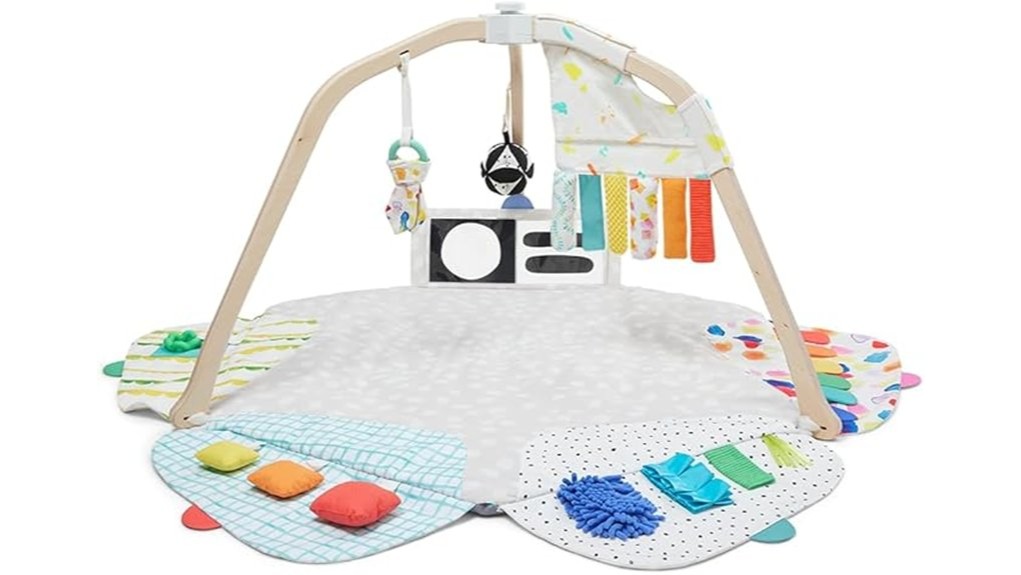
DURABLE AND STURDY: Engineered wood frame with steel dowels and stabilizing braces supports up to 20 lbs per tier so you never have to worry about tipping, bending, or daily wear and tear

DURABLE AND STURDY: Engineered wood frame with steel dowels and stabilizing braces supports up to 20 lbs per tier so you never have to worry about tipping, bending, or daily wear and tear

DURABLE AND STURDY: Engineered wood frame with steel dowels and stabilizing braces supports up to 20 lbs per tier so you never have to worry about tipping, bending, or daily wear and tear
Choosing Quality Over Quantity
Many toys can overwhelm both children and parents. Fewer, high-quality toys engage children better. They also last longer. This means less clutter and more meaningful playtime.
Rotating Toys
Keep only a few toys accessible at a time. Rotate them weekly or monthly. This keeps playtime fresh and exciting. It also reduces clutter and makes clean-up easier.
Donating Unused Toys
Donate toys your child no longer uses. This helps clear space. It also benefits other children in need. A win-win situation for everyone.
Creating Dedicated Play Zones
Establish specific areas for playing. This confines toy clutter to one space. It helps maintain a tidy and organized home environment. Children also learn where to find and return toys.
Encouraging Creative Play
Encourage toys that foster imagination and creativity. Fewer toys are needed. This reduces clutter and promotes more engaging play experiences.

Credit: www.amazon.com
Fostering Creativity
Creativity blossoms in young minds through playful exploration. Stop baby toys provide such opportunities. They engage children in unique and imaginative ways. These toys encourage children to think outside the box.
Recommended Products
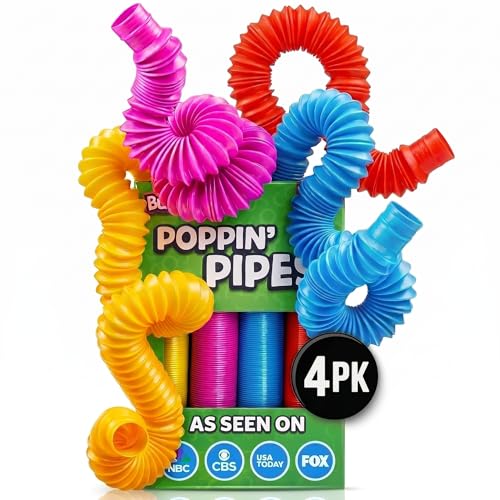
Creative STEM Play - Stretch, bend, connect, and shape letters, numbers, and spirals—spark open-ended builds and early STEM thinking.

Set of 10 colorful blocks for baby to sort, stack and drop through the shape-sorter lid

FUN IN THE TUB: Scoop, strain & serve up a bubbly veggie stew! Gather floating foam veggies, season, stir & strain for yummy Tub Soup—engaging toddler bath toys for a bubbly, imaginative kids bath!
Encouraging Imaginative Play
Stop baby toys open doors to new worlds. Children pretend and create their own stories. They learn to express feelings and ideas. These toys help kids develop their imagination fully.
Developing Problem-solving Skills
Playing with stop baby toys encourages problem-solving. Kids face challenges and find solutions. This boosts their confidence. They learn to think critically and make decisions.
Promoting Independent Thinking
Stop baby toys promote independence in thinking. Kids explore and discover on their own. They learn to trust their instincts. This fosters self-reliance and confidence.
Enhancing Fine Motor Skills
These toys help improve fine motor skills. Children grasp, hold, and manipulate objects. This strengthens their hand-eye coordination. It prepares them for tasks like writing.
Alternatives To Toys
Explore the world of sensory experiences and imaginative play. Household items like pots, pans, or soft fabrics can ignite creativity. Simple objects encourage discovery, enhancing motor skills and cognitive development in babies without traditional toys.
When you think of baby toys, you might picture colorful blocks, rattles, and stuffed animals. But have you ever considered alternatives that can be equally engaging and educational for your little one? Sometimes, the simplest items can offer the most enriching experiences. Dive into these alternatives and discover how everyday objects can captivate your child’s attention and foster their development.Recommended Products

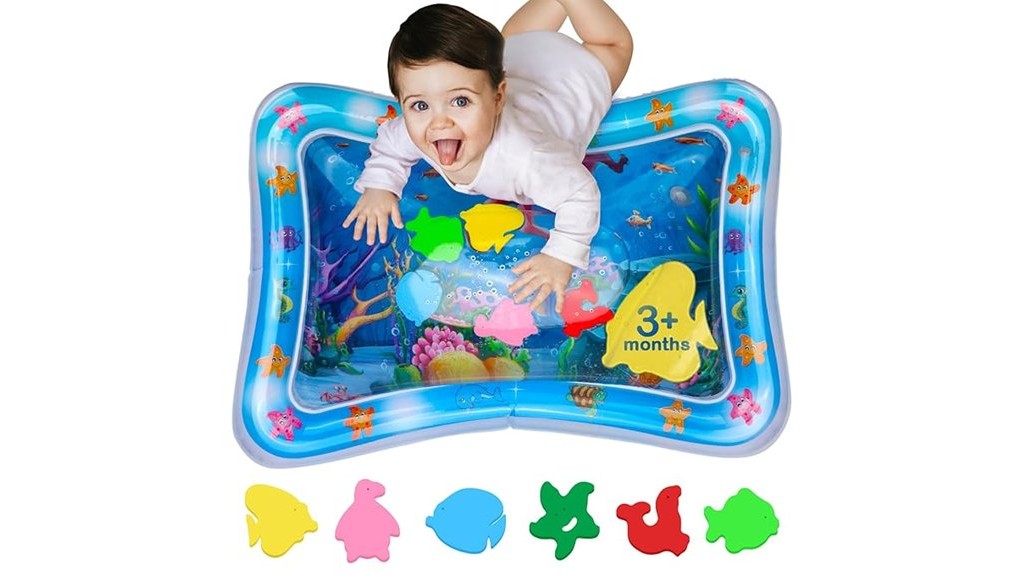
Promote your baby's sensory development: The soft, comfortable baby tummy time water mat is the perfect sensory toy for developing solid head, neck and shoulder muscles as well as refining the hand-eye coordination, fine motor and social skills. The bright, colourful sea animals and eye-catching illustrations will keep your baby playing for hours.

Multi-Textured Toys for Sensory Development: This set features six sensory mats, each offering a different texture, including mirror, carpet, corduroy, cotton velvet, bubble velvet and snakeskin patterns, to stimulate sensory skills and imagination in babies

【✅Fun Montessori Sensory Toys】Fabric tissue box is a sensory early development toy for infants and toddlers, baby likes pulling facial tissues out of a box, one by one, so we designed this safe and fun sensory toy by simulating babies' behavior. This sensory tissue box will entertain babies for hours with its vibrant colors, crinkly sounds, and pull-along fun. Promote kids' sensory skills by textures, sounds and color recognition.
Household Items As Playthings
Look around your home, and you’ll find a treasure trove of playthings. Pots and pans can become musical instruments, while a cardboard box might transform into a car or a castle. These items spark creativity and encourage your child to imagine endless possibilities. Plus, using everyday objects can save you money and reduce clutter.Nature’s Playground
Have you ever watched a child play with leaves or chase butterflies? Nature is full of wonders waiting to be explored. A simple walk in the park can become a learning adventure. Collecting rocks, observing birds, or feeling the texture of grass can develop sensory skills and curiosity.Interactive Activities
Engage your baby in activities that require no toys at all. Singing songs, clapping hands, or playing peek-a-boo can be delightful and educational. These interactions strengthen your bond and promote language skills. They also teach social cues and emotional expressions.Books And Storytelling
Books might not be toys, but they open worlds of imagination and learning. Reading aloud to your baby introduces them to language rhythms and new concepts. Even storytelling without a book can be captivating. Create tales together, using characters and scenarios that interest your child.Diy Projects
Why not create your own toys? Making simple crafts together can be rewarding. You can craft sensory bags, homemade shakers, or even paper puppets. These projects encourage fine motor skills and creativity. Plus, they offer a fun bonding experience between you and your child. Have you ever tried these alternatives? What unexpected item has captured your child’s interest the most? Share your experiences and see how the simplest things can bring the greatest joy.Parental Guidance
Parental guidance plays a crucial role in choosing baby toys. It’s essential for safety and development. Parents must ensure toys are appropriate for their child’s age. They must also focus on the toy’s educational value. This involves making informed decisions.
Understanding Age Appropriateness
Each toy comes with an age recommendation. This guides parents in selecting safe toys. Toys for older children may have small parts. These can pose choking hazards to younger kids. Always check the age label before purchasing any toy.
Prioritizing Safety Over Aesthetics
Safety should always come first. Bright colors and cute designs often attract parents. Yet, safety features are more important. Check for sharp edges and non-toxic materials. These features ensure your child’s protection.
Encouraging Educational Play
Educational toys boost cognitive skills. They help in language, math, and problem-solving areas. Choose toys that stimulate learning. Blocks, puzzles, and musical toys are excellent choices. They promote creativity and exploration.
Monitoring Playtime
Supervision during playtime is essential. It ensures the child’s safety. Parents should watch for any toy malfunctions. Regularly inspect toys for wear and tear. Remove damaged toys immediately to prevent accidents.

Credit: www.instagram.com
Frequently Asked Questions
Why Should I Stop Using Baby Toys?
Using fewer baby toys can encourage creativity and imagination. It allows babies to explore their surroundings and develop problem-solving skills. Too many toys can overwhelm and distract babies from meaningful play. Simplifying their toy collection can lead to more focused and enriching playtime experiences.
Are Baby Toys Harmful For Development?
Not all baby toys are harmful, but some can hinder development. Toys that promote passive play or overstimulate can be less beneficial. Opt for toys that encourage active engagement and skill-building. Thoughtful selection of toys can support healthy development and enhance learning opportunities.
How Do Baby Toys Affect Attention Span?
Excessive toys can shorten a baby’s attention span. They might shift quickly from one toy to another, reducing focus. Fewer toys can promote longer periods of concentrated play. This helps develop patience and attention to detail, essential traits for cognitive growth.
What Are Alternatives To Traditional Baby Toys?
Consider items that encourage exploration, like household objects. Books, puzzles, and outdoor play can be great alternatives. These options stimulate creativity and provide diverse learning experiences. They help babies develop motor skills and cognitive abilities in engaging and meaningful ways.
Conclusion
Choosing the right baby toys is important. Safety should always come first. Simple toys often engage babies best. They promote creativity and learning. Avoid toys with small, detachable parts. They can be hazardous. Check for non-toxic materials. Babies often put toys in their mouths.
Look for toys that grow with your child. Multi-purpose toys save money and space. Remember, toys are tools for development. They help babies explore the world. Choose wisely and watch your baby thrive. Your careful selection can make a big difference.
Happy playing!