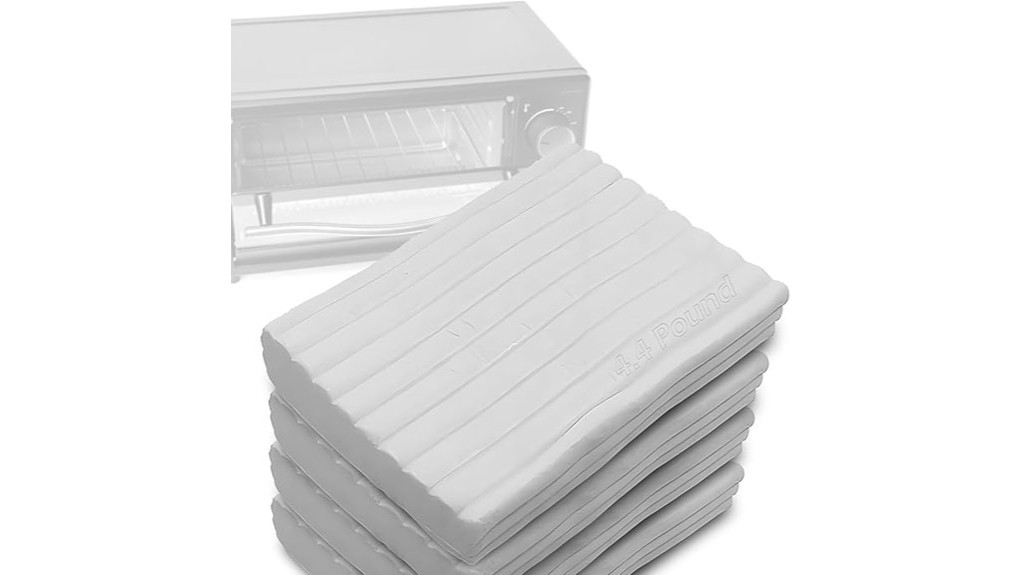
ReArt Oven Bake Polymer Clay has garnered attention for its unique properties and versatility in crafting. Its extensive color options and non-toxic formulation appeal to a wide range of artisans. The clay’s pliability before baking allows for intricate detailing, while its sturdiness after curing guarantees longevity. However, the effectiveness of these features can vary based on user technique and storage practices. Exploring key techniques and benefits may enhance one’s experience with this material.
How to Use ReArt Polymer Clay for Your Projects
To effectively utilize ReArt Oven Bake Polymer Clay for various projects, one must first prepare a clean and organized workspace.
Mastering sculpting techniques is essential; beginners should start with basic forms, while advanced users can explore intricate designs.
Color blending plays a vital role in achieving desired hues; artists can mix different shades to create unique palettes.
Tools included in the kit facilitate detailed work, enabling the incorporation of textures and patterns.
Once the project is sculpted, baking solidifies the creation, ensuring durability.
Proper handling and preparation pave the way for a liberating creative experience with polymer clay.
Top Benefits of ReArt Polymer Clay for Your Crafting Needs
ReArt Oven Bake Polymer Clay offers numerous advantages that cater to a wide range of crafting needs.
Its extensive color variety allows creators to experiment and innovate, igniting project inspiration across various applications, from jewelry making to educational projects.
The non-toxic, eco-friendly material guarantees safe handling, while its blendable nature enhances the sculpting experience.
Designed for all skill levels, this polymer clay remains flexible until baked, resulting in durable finished pieces.
Additionally, the included sculpting tools facilitate intricate detailing, empowering artisans to push creative boundaries.
Common Techniques for Working With Polymer Clay
Mastering polymer clay techniques can elevate any crafting project, allowing artists to fully express their creativity.
Key sculpting techniques include pinching, rolling, and molding, which enable the creation of diverse shapes and forms. Artists often utilize the process of blending colors to achieve seamless shifts and depth in their work.
Mastering pinching, rolling, and molding techniques opens up a world of creative possibilities in polymer clay artistry.
Techniques such as marbling and color mixing enhance the visual appeal, inviting exploration and experimentation.
Additionally, understanding the ideal baking conditions is essential for preserving intricate details.
What People Love About ReArt Clay
Craft enthusiasts and professional artists alike appreciate the exceptional qualities of ReArt Oven Bake Polymer Clay, particularly its versatility and ease of use.
Customer testimonials frequently highlight its smooth texture and blendability, empowering creators to explore diverse project inspirations, from intricate jewelry to detailed sculptures.
Users commend its durability post-baking, ensuring that finished pieces withstand wear and tear, making it suitable for both functional and decorative items.
The non-toxic formula adds to its appeal, allowing artists to work freely without safety concerns.
Tips for Storing and Maintaining Your Polymer Clay
For ideal performance and longevity, proper storage and maintenance of polymer clay are vital. Utilizing airtight storage containers can prevent exposure to air, which may cause the clay to dry out.
Additionally, humidity control is important; maintaining a stable environment reduces the risk of damage and guarantees pliability. It is advisable to store the clay away from direct sunlight and heat sources, as these can alter its texture.
Regularly inspecting the clay for any signs of deterioration allows for timely intervention. By following these guidelines, users can maximize the lifespan and performance of their ReArt Oven Bake Polymer Clay.
Frequently Asked Questions
Is Reart Polymer Clay Safe for Children?
ReArt polymer clay is safe for children, as it is crafted from non-toxic materials, ensuring child safety during use. Its eco-friendly composition allows for creative exploration without health concerns, promoting artistic expression in a safe environment.
How Long Does It Take to Bake the Clay?
Baking this clay is a culinary adventure; it requires a precise temperature of 265°F (130°C) for 15-30 minutes, depending on thickness. Ensuring the right curing time guarantees a masterpiece that withstands the test of time.
Can I Mix Different Colors of Reart Clay?
Yes, different colors of ReArt clay can be mixed, allowing for vibrant color blending and layering techniques. This versatility enhances creative possibilities, enabling artists to achieve unique shades and textures in their projects.
What Tools Are Best for Shaping the Clay?
For shaping the clay, tools such as sculpting knives and silicone molds enhance texture techniques and shaping methods. These instruments allow for intricate detailing, enabling artists to explore their creativity and achieve desired forms effortlessly.
How Should I Clean My Tools After Use?
To maintain tools effectively, one should utilize cleaning techniques like warm soapy water or gentle solvents. Regular tool maintenance prevents clay buildup, ensuring longevity and ideal performance in future sculpting endeavors.
Conclusion
In summary, ReArt Oven Bake Polymer Clay stands out as an exceptional choice for both novice and experienced crafters, thanks to its vibrant color range and eco-friendly formulation. Its durability post-baking guarantees creations withstand the test of time, while the clay’s flexibility allows for intricate detailing. With proper care, artists can elevate their projects to new heights. Why settle for ordinary materials when you can open up a world of creativity with ReArt’s versatile offerings?