

Yes, you can safely use an infant car seat without its base if the seat is designed for baseless installation and you follow the manufacturer’s instructions exactly. A base can reduce day-to-day installation variability and adds convenience—and some bases include extra safety features—so many families prefer using one when possible.15
Wondering if you can use a car seat without the base? Below you’ll find safety tips, pros and cons, and current guidance from trusted sources (NHTSA, AAP, FAA) to help you travel securely with your baby.
As an Amazon Associate, I earn from qualifying purchases.
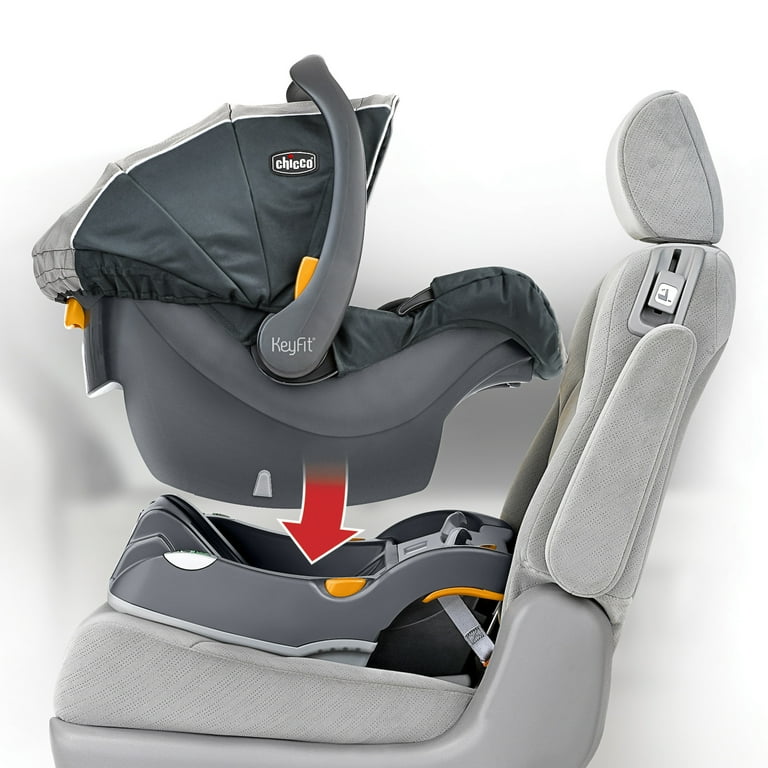
Chicco KeyFit 35 ClearTex Infant Car Seat and Base
Designed to support secure carrier-only installs with integrated European belt routing for travel, while the included base helps keep daily installs consistent.
Misuse is common: In a nationally representative NHTSA study, 46% of car seats and boosters were used or installed incorrectly. That’s why careful setup—and a check by a certified Child Passenger Safety Technician (CPST)—matters.3
Baseless installs are fully legal and are supported by most infant seats sold in the U.S. when used exactly as directed. Still, because a baseless install is often repeated each trip, there’s more opportunity for small errors. A properly installed base stays put and can cut down on re-install mistakes over time.105

In this guide, we’ll break down when a base helps, how to install without one, and where to get hands-on help so you can choose the safest option for your family.
Do Infant Car Seats Need a Base? Understanding the Basics
“Car crashes are a leading cause of death for children ages 1 to 13.” — National Highway Traffic Safety Administration1
Bringing your newborn home is a big milestone. Do you need a base? Not always. Most infant “rear-facing only” seats can be installed either on a base or directly with the vehicle seat belt, depending on the seat model. What matters most is following both manuals (car seat and vehicle) and achieving a rock-solid install.105
What exactly is a car seat base?
A car seat base locks firmly to your vehicle seat and lets you click the carrier on and off quickly. Most infant seats are sold with one base included; additional bases are typically sold separately for second cars or caregivers. A base helps keep the recline consistent using built-in level indicators, so your baby’s airway stays open per the seat’s guidance.5

Bases are installed using one of two methods:
- LATCH system (Lower Anchors and Tethers for Children) — standard anchor points in most U.S. passenger vehicles made from model year 2003 onward.4
- Vehicle seat belt — thread and lock the belt per both manuals. Either method is acceptable when you achieve a secure install (less than 1 inch of movement at the belt path).39
There’s no inherent safety difference between LATCH and seat belt when either is used correctly for your specific seat and vehicle; choose the method that gets you the tightest, correct install per the manuals.5
How bases and infant seats work together
Infant carriers click into their bases with an audible lock and visual indicators. This design streamlines daily use and helps maintain the correct recline.
Key advantages:
- Quick transitions — move a sleeping baby without reinstalling the seat.
- Consistent installation — base stays fixed, reducing day-to-day variability.
- Recline indicators — level or bubble indicators help maintain the proper angle per the seat.5
Some bases add anti-rebound bars or load legs that can limit rotation and manage crash forces; research and expert guidance suggest these features can reduce certain head/neck injury metrics in frontal impacts.512
Chicco KeyFit 35 Infant Car Seat Base
A convenient additional base for another car or caregiver, with clear level indicators and an integrated anti-rebound bar to help keep installs consistent.
You can also install many infant seats without the base using the vehicle’s seat belt routed through the seat’s dedicated belt path. This is especially useful for taxis, rideshares, and air travel; just confirm that your model supports baseless installation and follow the manual.107
Some seats offer a European belt path, where the shoulder belt routes behind the carrier for extra stability during a baseless install—handy when you install frequently across different vehicles.6
The rise of car seat base design
Child passenger safety evolved dramatically over the last century. A major leap came with LATCH, phased into vehicles with federal requirements fully effective for passenger vehicles on September 1, 2002 (model year 2003) under FMVSS 225/213.4

Today’s bases increasingly include multi-position recline, tension indicators, and optional anti-rebound bars or load legs that help manage crash energy and limit rotation.512
Bottom line: You can use an infant seat without a base when your seat allows, but a base offers convenience and may add helpful safety features for everyday use.
Safety Comparison: Using Car Seats With vs. Without a Base
Both approaches can be safe when done exactly as directed. All car seats sold in the U.S. must meet federal standards; what differs is the likelihood of user error. Reinstalling a baseless seat frequently can invite mistakes; a properly installed base reduces how often you need to reinstall. Choose the method that yields a secure install (less than 1″ of movement at the belt path) in your specific vehicle.310

Consider your situation:
- Lifestyle: One primary vehicle? A base adds speed and consistency. Use taxis/rideshares often? Learn the baseless method your seat supports.10
- Confidence: Practice the baseless install until you pass the “inch test.” Lock the belt per your vehicle’s design (e.g., ALR/switchable retractor) and check movement only at the belt path.9
- Travel needs: For airplanes, use an FAA-approved restraint in a purchased seat. Many infant seats can be installed baseless on aircraft with the lap belt; follow your seat manual and airline policy.7
When in doubt, book a inspection with a CPST for personalized, hands-on help.8
Frequently Asked Questions: Is It Safe To Use a Car Seat Without the Base?
Is it safe to use a car seat without a base?
Yes, if your infant seat’s manual permits baseless installation and you follow it precisely. Many U.S. infant seats are designed for this. The safest choice is the one that yields a correct, tight install in your specific vehicle each time.105
What are the advantages of using a base?
Faster daily use, more consistent recline and routing, and (on some models) added safety features such as load legs or anti-rebound bars that help control seat rotation in a crash.512
How do I know if my car seat can be installed without a base?
Check your car seat manual for baseless instructions and the correct belt path (some models support a European belt path for extra stability). If the manual allows it, you can install with the vehicle seat belt per those steps.610
Are car seat bases legally required?
No. U.S. laws require appropriate child restraints used correctly; a base itself isn’t mandated. You may install with a base or with the vehicle seat belt if your seat allows.1
How can I make sure a baseless install is correct?
Follow both manuals step-by-step; lock the vehicle belt per design (often by fully extending an ALR retractor, then feeding slack back in); confirm less than 1″ movement at the belt path; verify the seat’s recline indicator. If unsure, get a CPST check.98
What about flying with an infant seat?
The FAA recommends securing young children in an FAA-approved child restraint in a purchased seat. Many infant carriers can be installed on the plane with the lap belt (often without the base), but always check your seat’s label/manual and airline policy first.7
References
- NHTSA — Car Seats & Booster Seats overview.
- NHTSA — Traffic Safety Facts 2022: Children.
- NHTSA — National Child Restraint Use Special Study (2015) — misuse ≈46%.
- CPS Board — FMVSS 213/225 LATCH summary (effective Sept 1, 2002; MY2003).
- AAP HealthyChildren — Car Seats: Information for Families (load legs/anti-rebound, installation basics).
- The Car Seat Lady — European vs. American belt path (baseless installs).
- FAA — Flying with Children (CRS use on aircraft).
- Safe Kids — Find a Certified CPST.
- NHTSA — Child Safety (seat belt locking mechanisms/ALR).
- NHTSA — How to Install a Rear-Facing-Only Infant Car Seat.
- IIHS — Child safety overview.
- Stapp Conference — Support leg associated with reductions in head injury metrics (frontal impacts).








5 thoughts on “Is It Safe To Use Car Seat Without Base? Expert Guideline”