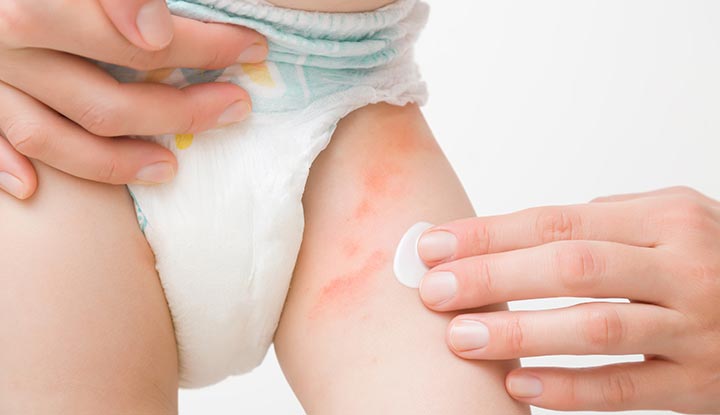
Diaper rashes can be a common concern for parents like you. When your baby is uncomfortable, you want answers fast.
But how do you tell if that rash is more than just irritation? Could it be a yeast infection? Knowing the difference is crucial because it means choosing the right treatment to soothe your baby’s skin quickly. You’re not alone in this quest for clarity, and the good news is, you can spot the signs of a yeast-related rash with a little guidance.
Keep reading to discover the key symptoms, so you can confidently care for your little one and bring them the relief they deserve.
Identifying Diaper Rash
Diaper rash is a common issue for babies. It can cause discomfort and irritation. Understanding the type of rash is important for effective treatment. Yeast diaper rash is different from regular rashes. Identifying it early can help in choosing the right remedy.
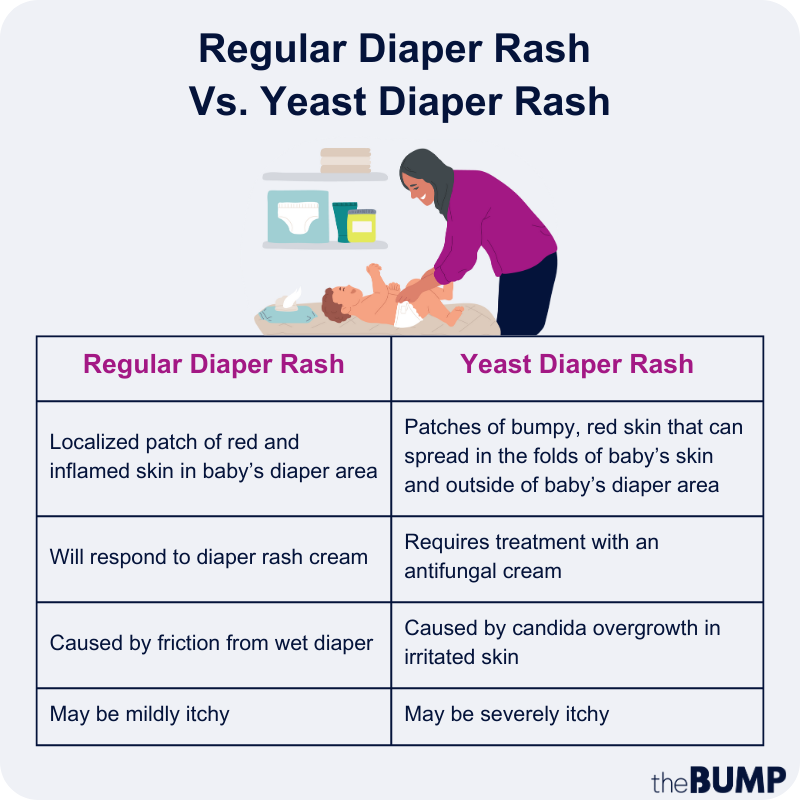
Signs Of Regular Diaper Rash
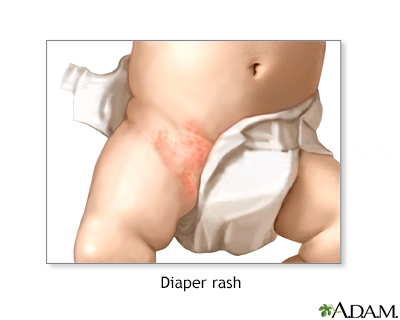
Regular diaper rash appears red and inflamed. It often affects the skin directly in contact with the diaper. Typically, it is caused by moisture and friction. The rash can look like small red spots or patches. In most cases, it clears up with over-the-counter creams.
Characteristics Of Yeast Diaper Rash
Yeast diaper rash often looks different from regular rashes. It may appear in folds or creases of the skin. The rash is usually bright red and has raised edges. It can spread quickly and cause severe irritation. Sometimes, small pimple-like bumps are present.
Duration Of The Rash
A yeast diaper rash tends to last longer. Regular rashes usually improve within a few days. Yeast infections may persist without proper treatment. If a rash remains beyond three days, yeast could be the cause.
Response To Treatment
Regular diaper rash typically responds to barrier creams. Yeast rashes may require antifungal treatments. If creams do not improve the rash, consider a yeast infection. Consulting a pediatrician might be necessary for persistent rashes.
Credit: www.thebump.com
Common Causes Of Diaper Rash
Diaper rash is an all-too-common concern for parents. It’s not just about discomfort; it can cause real distress for your little one. While there are various triggers for diaper rash, understanding the common causes can help you prevent and manage it effectively.
Diaper rash can stem from several factors, and knowing these can be your first step in tackling the issue.
1. Moisture
Moisture is a prime culprit in diaper rash. Wetness from urine and feces can linger on the skin, creating the perfect environment for irritation. Changing diapers frequently is crucial. Imagine your baby’s skin exposed to moisture for hours; it’s bound to lead to discomfort.
2. Friction
Friction caused by the diaper itself can irritate sensitive skin. If the diaper is too tight or rubs against the skin constantly, it can worsen the rash. Ensure diapers fit snugly but are not too tight.
3. Sensitivity To Diapers Or Wipes
Some babies react poorly to certain brands or materials used in diapers and wipes. Have you noticed your baby’s rash getting worse after trying a new brand? It might be worth switching back to what worked before.
4. Introduction Of New Foods
New foods can change the acidity and composition of your baby’s stool, leading to diaper rash. As you introduce solids, monitor your baby’s reactions. Is there a sudden rash after a new food? This might help you identify the cause.
5. Yeast Infection
Yeast infections are a common type of diaper rash, especially if the rash persists despite regular care. Yeast thrives in warm, moist environments. Notice any unusual redness or stubborn rash? It’s worth considering yeast as the cause.
By understanding these common causes, you’re equipped with practical insights to tackle diaper rash head-on. What changes can you make today to protect your baby’s sensitive skin?
Signs Of Yeast Infection
Diaper rash is common, but sometimes it signals a yeast infection. Recognizing the signs helps in getting the right treatment. Yeast infections are caused by an overgrowth of fungus. This type of rash can be more irritating and persistent.
Red, Raised Patches
Yeast infections often show as bright red patches. These patches may appear raised and have a distinct border. The redness is usually more intense than a regular diaper rash.
Small Bumps And Pimples
Look for tiny bumps or pimples around the rash. These may be filled with fluid and can spread quickly. The bumps often cluster around the main rash area.
Rash In Skin Folds
A yeast infection often affects skin folds. Check the creases of your baby’s thighs and groin. This type of rash loves warm, moist areas.
Persistent Rash
Yeast infections tend to linger longer than normal rashes. If the rash doesn’t improve with regular diaper cream, it may be yeast.
Severe Itching And Discomfort
Yeast rashes can cause intense itching. Your baby might seem more fussy or uncomfortable. The itching can lead to more irritation.
White Or Yellowish Scales
Look for white or yellow scales on the rash. These scales can sometimes peel away. They add a distinct appearance to the rash.
Credit: www.mountsinai.org
Differences Between Regular And Yeast Rash
Identifying yeast diaper rash involves looking for bright red patches with defined edges, unlike regular rashes. Small red bumps often surround these patches, indicating a yeast infection. Regular diaper rash usually appears as chafing or irritation without defined borders.
Understanding the differences between a regular diaper rash and a yeast rash can be a game-changer for any parent. The two may look similar at first glance, but they have distinct characteristics that require different treatments. Recognizing these differences can help you provide the right care and comfort for your baby.Appearance And Texture
Regular diaper rashes are often red and inflamed, appearing mostly on the surface of the skin. They tend to be patchy with small spots. In contrast, yeast rashes are usually a darker red and can have raised, scaly patches. You might notice satellite spots—small red bumps that surround the main rash area. This distinctive pattern helps in identifying a yeast infection.Location Of The Rash
Regular diaper rashes typically appear where the diaper touches the skin, such as the buttocks and thighs. They are usually caused by friction or prolonged exposure to wetness. Yeast rashes, however, often show up in the folds of the skin. The warm, moist environment of these areas provides a perfect breeding ground for yeast.Response To Treatment
A regular diaper rash usually improves with over-the-counter diaper creams and frequent diaper changes. If you see improvement within a few days, it’s likely just a regular rash. Yeast rashes, on the other hand, persist despite these efforts. They often require antifungal creams to clear up. If your usual methods aren’t working, it might be time to consider a yeast infection.Personal Experience And Practical Tips
I remember the time when my little one had a persistent rash that didn’t respond to our usual remedies. After some research and a chat with our pediatrician, we realized it was a yeast rash. Switching to an antifungal cream made all the difference. Have you ever noticed a rash that just wouldn’t go away? It might be worth exploring if yeast is the culprit. Always consult with a healthcare provider if you’re unsure. Understanding these differences can save you time and ease your baby’s discomfort. Next time you see a rash, remember these key points and take action accordingly. Your baby’s comfort is just a step away.Treatment Options For Yeast Rash
Identifying a yeast rash on a baby can be worrisome for parents. Knowing the right treatment options eases those concerns. Yeast rashes need specific care and attention. Regular diaper rash creams may not be effective against yeast. Understanding the difference helps in choosing the right treatment.
Topical Antifungal Creams
Antifungal creams treat yeast infections effectively. They target the fungus directly. Apply the cream as prescribed by a doctor. It usually takes a few days to see improvement. Make sure to clean the area gently before application. A healthcare professional can recommend the best cream for your baby.
Keeping The Area Dry
Moist environments encourage yeast growth. Keep the diaper area dry to prevent yeast rash. Change diapers frequently. Allow your baby some diaper-free time each day. This helps the skin breathe and stay dry. Consider using breathable diapers if possible.
Using Barrier Creams
Barrier creams protect the skin from moisture. They provide a protective layer on the skin. This prevents irritation and further infection. Zinc oxide creams are popular choices for this purpose. They soothe the skin and prevent rashes.
Probiotics For Boosting Immunity
Probiotics help strengthen the immune system. They can be beneficial for babies with recurrent yeast rashes. Consult a pediatrician before giving probiotics to infants. A healthy gut can combat fungal infections more effectively.
Avoiding Irritating Products
Some products may irritate sensitive skin. Avoid scented wipes and soaps. Choose gentle, fragrance-free products for your baby’s skin. This reduces the risk of irritation and supports healing. Watch for any signs of allergic reactions.

Credit: themomcentre.com
Preventing Yeast Diaper Rash
Red bumps in clusters or patches can indicate a yeast diaper rash. It often spreads in the skin folds. These rashes may appear bright red and are usually persistent, despite frequent diaper changes.
Preventing yeast diaper rash can be a game-changer for you and your little one. This annoying rash can make your baby uncomfortable, and it can be tough to manage. Luckily, there are practical steps to help keep it at bay. By understanding the causes and knowing what to look for, you can take action to prevent it before it starts.Understanding The Causes
Yeast thrives in warm, moist environments. Diapers create the perfect setting for this. Keeping your baby’s skin dry is crucial. Consider the times your baby has worn a diaper longer than usual. Did you notice any irritation? It’s these moments that can lead to yeast diaper rash.Regular Diaper Changes
Changing diapers frequently can be your first line of defense. Aim for every two to three hours. This keeps the skin dry and free from irritants. Think about how many diapers you’ve changed in a day. Increasing that number can make all the difference.Choose The Right Diapers
Not all diapers are created equal. Look for ones that are breathable and absorbent. They help reduce moisture build-up. Have you ever tried different brands? You might find one that works better in preventing rashes.Clean Gently
Use mild wipes or a damp cloth. Harsh chemicals can irritate sensitive skin. You might recall a time when your baby cried during a diaper change. This can be a sign that the wipes are too strong.Air Time
Let your baby go diaper-free for short periods. Fresh air helps keep the skin dry. It might seem daunting, but a few minutes without a diaper can be beneficial. Could this simple act reduce the frequency of rashes for your baby?Avoid Scented Products
Fragrances can irritate delicate skin. Stick to unscented creams and powders. Have you noticed a difference when switching to fragrance-free products? This small change can be surprisingly effective.Monitor Diet
Yeast can be influenced by diet. Consider foods high in sugar or yeast content. Reflect on your baby’s diet. Could it be contributing to frequent rashes? Adjusting meal plans may prevent future issues.Consult A Pediatrician
If rashes persist, seeking expert advice is wise. A pediatrician can offer tailored solutions. Have you ever wondered if there’s more to your baby’s rash? Professional guidance can provide clarity and peace of mind. Taking proactive steps can help you prevent yeast diaper rash effectively. Try these practical tips and see what works best for your baby. Which of these strategies will you try first? The comfort of your little one is worth the effort.Frequently Asked Questions
What Are Signs Of Yeast Diaper Rash?
Yeast diaper rash often appears as red, inflamed patches with raised edges. It may include small red bumps outside the main rash area. The rash can be persistent and may not improve with regular diaper rash treatments. It is often itchy and uncomfortable for the baby.
How Can I Differentiate Between Yeast And Regular Rash?
Yeast rashes tend to be redder and more inflamed. They have well-defined edges and often include satellite lesions. Regular diaper rashes are usually flatter and less defined. Yeast rashes may not respond to regular diaper creams, requiring antifungal treatment instead.
Can Yeast Diaper Rash Spread To Other Areas?
Yes, yeast infections can spread to other areas of the body. It can extend to the skin folds around the diaper area. Yeast can also spread to the baby’s mouth, causing thrush. It’s important to treat yeast diaper rash promptly to prevent spreading.
How Is Yeast Diaper Rash Treated?
Yeast diaper rash is treated with antifungal creams. These are usually applied directly to the affected area. Over-the-counter options include clotrimazole or miconazole. It’s important to keep the area clean and dry. Frequent diaper changes can help, and consult a doctor if needed.
Conclusion
Recognizing yeast diaper rash is crucial for proper care. Look for red, inflamed patches. Small bumps may appear around the rash. Quick treatment helps prevent discomfort and complications. Use antifungal creams as recommended by a doctor. Keep your baby’s diaper area clean and dry.
Change diapers frequently to avoid moisture buildup. Consult a pediatrician if unsure about the rash type. Early detection and treatment can ease your baby’s pain. Remember, your baby’s comfort is the priority. Stay informed and attentive to any changes in their skin.