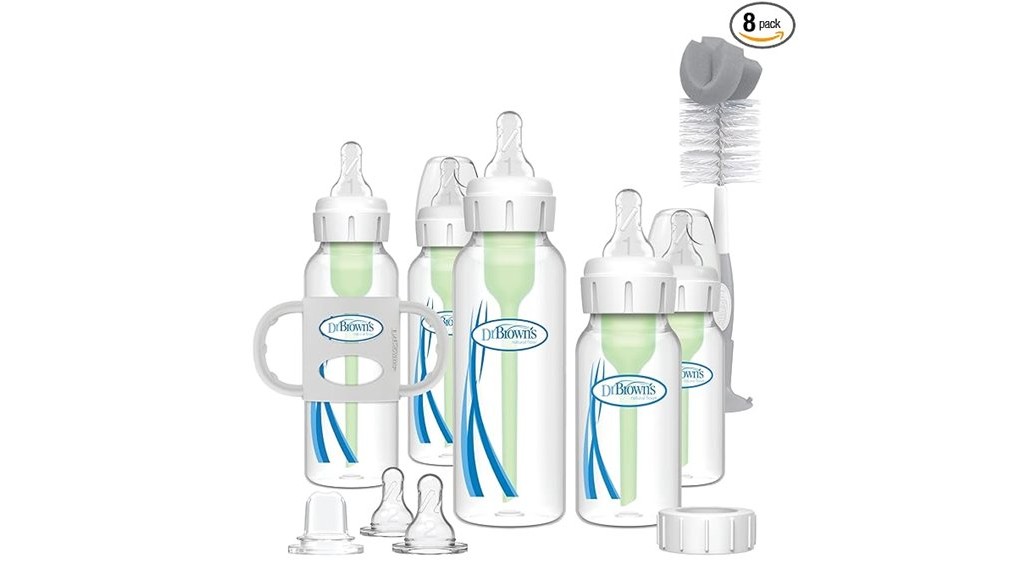
Dr. Brown’s Anti-Colic Bottles feature a unique internal vent system designed to minimize air intake during feeding. This vacuum-free design promotes better digestion and comfort for infants. The silicone nipples are crafted to mimic breastfeeding, allowing for a natural latch. Additionally, these bottles are dishwasher-safe and made from BPA-free materials, ensuring safety and convenience. As parents seek effective solutions for colic, understanding the specifics of these bottles can be essential for making informed choices.
How to Achieve a Comfortable Feeding Experience
Achieving a comfortable feeding experience is essential for both baby and caregiver, and Dr. Brown’s emphasizes effective feeding techniques.
The design features a unique internal vent system that minimizes colic symptoms, allowing for a smoother feeding journey. Caregivers can explore various bottle preferences, adapting to their baby’s needs with ease.
The silicone nipples closely mimic breastfeeding, promoting a natural latch that eases adjustments. These bottles also support paced feeding, ensuring a consistent flow.
For added convenience, they are dishwasher safe and BPA-free, making cleanup simple.
Ultimately, this thoughtful design fosters a liberating experience, benefiting both the baby and caregiver alike.
What Makes Anti-Colic Features Work?
Understanding what makes the anti-colic features of Dr. Brown’s bottle effective lies in its innovative internal venting system, which is clinically proven for colic reduction. This design minimizes air intake, thereby decreasing spit-up, burping, and gas, enhancing the baby’s comfort. The unique structure preserves essential nutrients in the milk and promotes digestion, contributing to better sleep.
| Feature | Benefit | Explanation |
|---|---|---|
| Internal Venting | Colic Reduction | Reduces air intake during feeding |
| Vacuum-Free Feeding | Enhanced Comfort | Mimics the breastfeeding experience |
| Preserved Nutrients | Improved Digestion | Maintains milk quality for baby |
How to Smoothly Transition Your Baby From Bottle to Sippy Cup
Shifting a baby from a bottle to a sippy cup can often feel like an intimidating task for many parents. To facilitate this change, it’s essential to understand bottle types and the various sippy stages.
Begin by introducing a soft spout sippy cup, which closely mimics the bottle experience. Gradually replace one bottle feeding with the sippy cup, allowing the baby to adapt at their own pace.
Parents should observe their child’s comfort level, gradually increasing the frequency of sippy cup use. This method promotes independence while encouraging the development of essential drinking skills, ultimately leading to a successful change.
Dr. Brown’s Bottles and Their Environmental Benefits
Dr. Brown’s bottles not only prioritize infant health but also emphasize environmental responsibility. Their partnership with Plastic Bank aims to tackle ocean plastic pollution, showcasing a strong commitment to sustainability.
Key benefits include:
- Significant plastic reduction through innovative materials.
- An initiative to prevent 31 million plastic bottles from reaching oceans annually.
- Recyclable designs that minimize waste.
- An overall sustainability impact that resonates with eco-conscious consumers.
How to Safely Clean Dr. Brown’s Bottles
Maintaining the cleanliness of Dr. Brown’s bottles is essential for ensuring safe feeding. Users can employ effective bottle sterilization tips, such as using electric or microwave sterilizers, or boiling water.
Additionally, cleaning hacks include disassembling the bottles to access every component, ensuring thorough sanitation. Dr. Brown’s bottles are dishwasher safe, but should only be placed on the top rack to avoid warping.
Regularly check for wear and replace any damaged parts. These practices not only promote hygiene but also contribute to the longevity of the bottles, supporting a healthier feeding experience for the baby.
Frequently Asked Questions
Are Dr. Brown’s Bottles Compatible With Standard Breast Pumps?
Dr. Brown’s bottles offer limited pump compatibility with certain breast pumps, facilitating convenient breast milk storage. This feature empowers caregivers, providing flexibility to manage feeding routines while ensuring ideal nutrition for growing babies.
How Long Can I Store Milk in Dr. Brown’s Bottles?
How long can milk be stored in bottles? Following milk storage guidelines, freshly expressed milk lasts up to four days in the fridge. Bottle cleaning tips emphasize thorough washing to guarantee safety and freshness for every feeding.
Can I Use Other Brands’ Nipples With Dr. Brown’s Bottles?
Nipple compatibility with Dr. Brown’s bottles is generally limited to their specific nipples. While bottle alternatives exist, using non-compatible nipples may affect the feeding experience, potentially compromising the benefits designed for ideal digestion and comfort.
What Age Is Recommended for Transitioning to the Sippy Spout?
Modifying to a sippy spout is typically recommended around six to twelve months. Emphasizing sippy spout benefits, gradual introduction and consistent practice can ease the adjustment, fostering independence and enhancing self-feeding skills for developing toddlers.
Do Dr. Brown’s Bottles Leak During Travel?
Dr. Brown’s bottles may leak during travel without proper handling. To guarantee leak prevention, secure lids tightly and utilize travel tips like bottle caps or storage bags, empowering caregivers to enjoy hassle-free outings with their little ones.
Conclusion
To summarize, Dr. Brown’s Anti-Colic Bottles provide a thoughtful solution for parents seeking to ease their baby’s feeding experience. With a unique internal vent system that minimizes air intake, these bottles promote better digestion and comfort. Just as a gentle breeze calms a restless sea, these bottles help soothe colicky symptoms, allowing for peaceful feeding moments. Their eco-friendly design and easy-to-clean materials further enhance their appeal, making them a practical choice for conscientious caregivers.