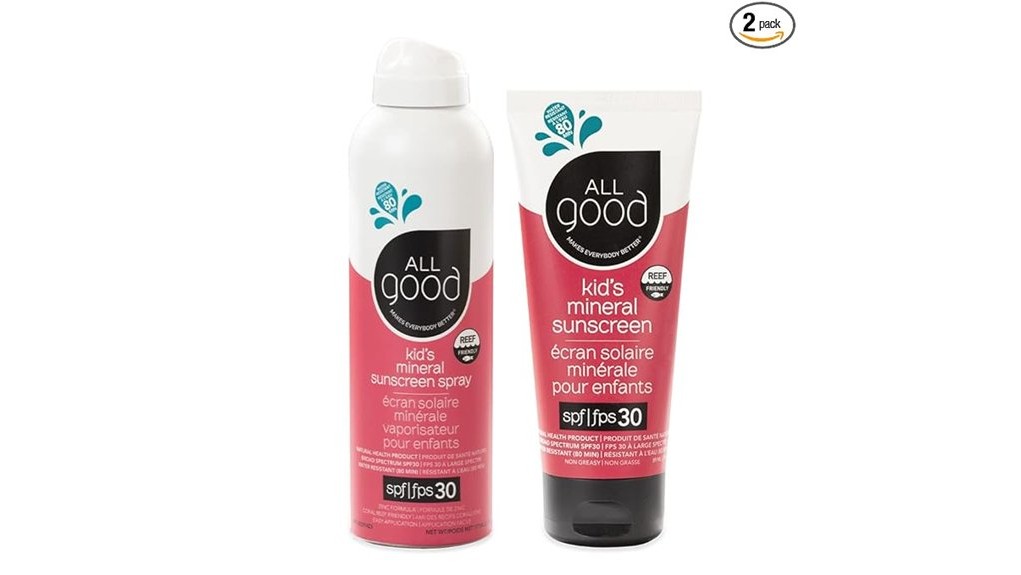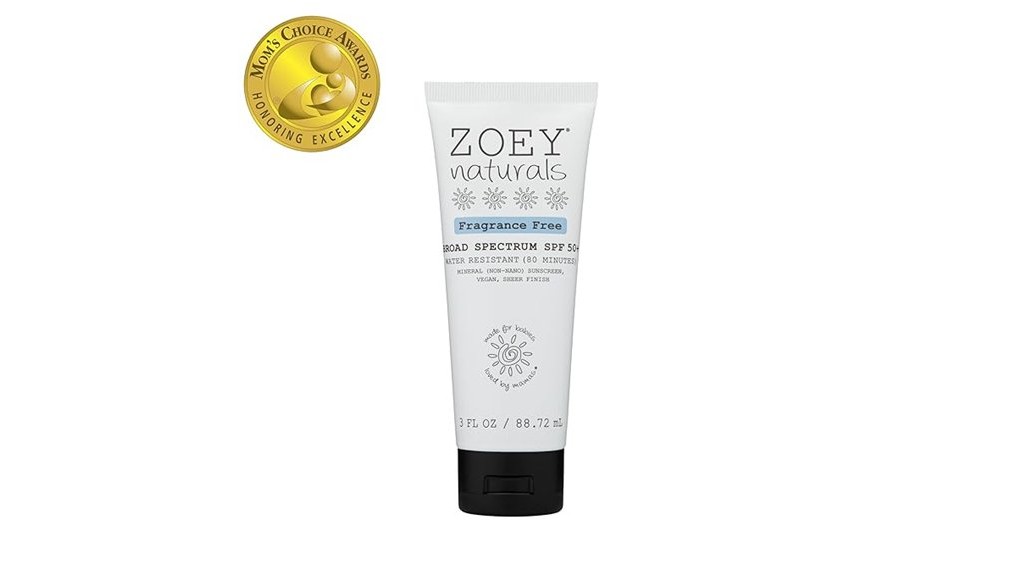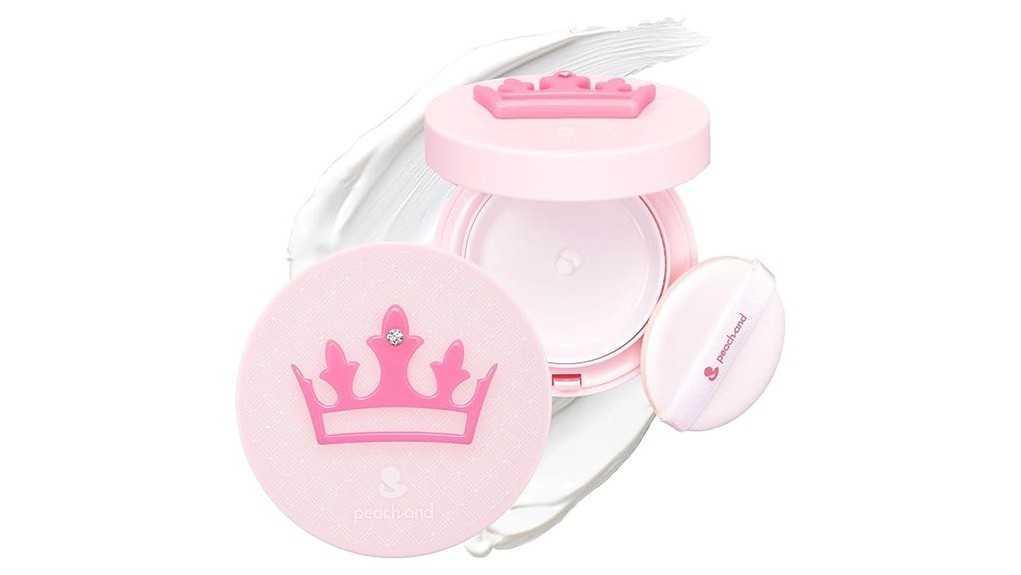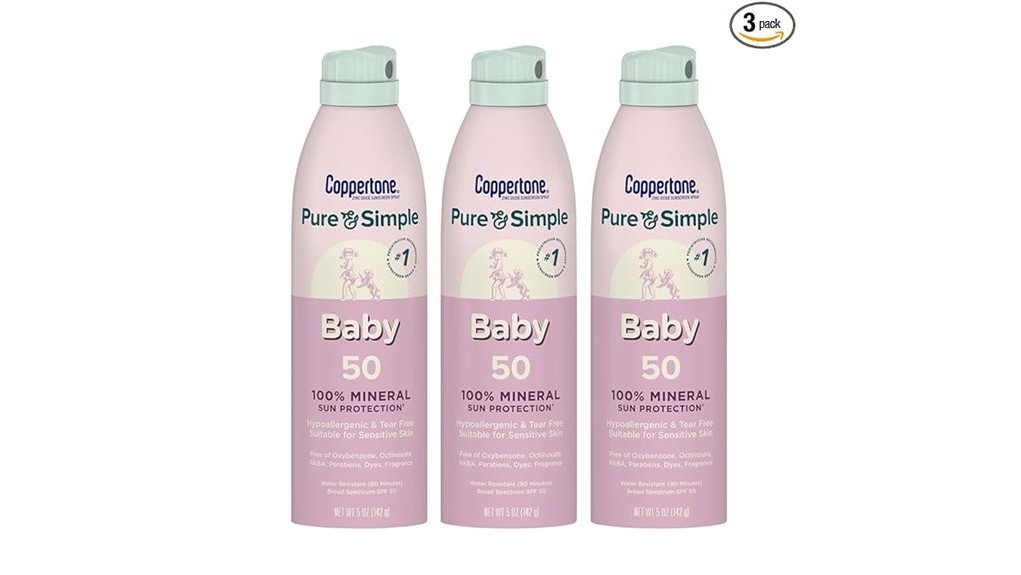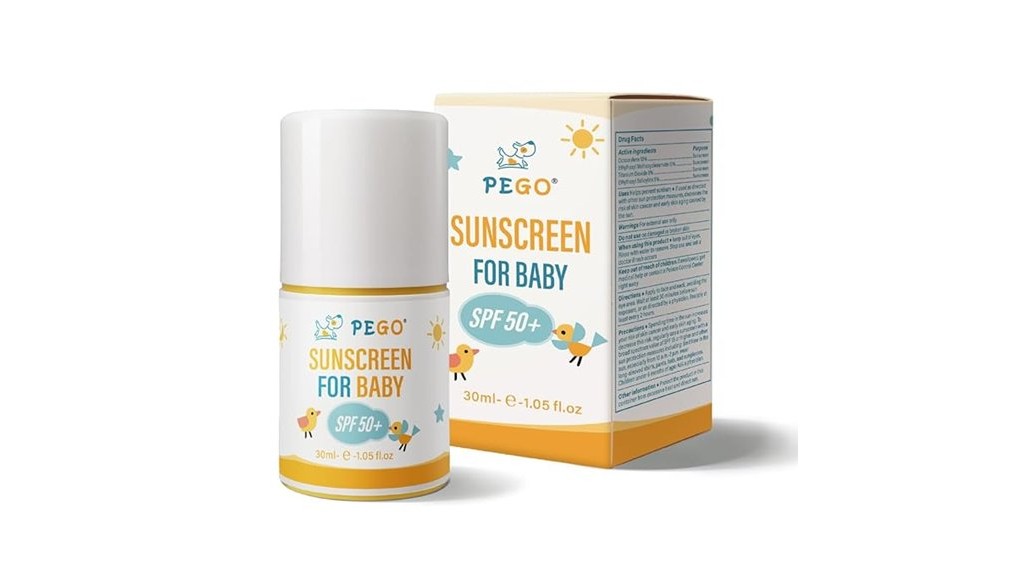
Choosing the right sunscreen for babies is essential due to their sensitive skin. High-quality formulations provide broad-spectrum protection against UVA and UVB rays, ensuring safety and health. Ingredients like titanium dioxide are effective yet gentle, forming a protective barrier. Parents must consider non-greasy options for ease of application. Understanding what makes a sunscreen suitable can greatly impact a child’s sun safety habits. What specific features should parents look for in a baby sunscreen?
Key Takeaways
- Baby sunscreens should provide broad spectrum protection against both UVB and UVA rays to effectively shield delicate skin from sun damage.
- Look for hypoallergenic and dermatologist-tested formulations to minimize irritation and ensure gentle care for sensitive skin.
- Ingredients like Titanium Dioxide offer physical UV protection, making them safe and effective for young children’s skin.
- Consistent application and reapplication every two hours, especially after swimming, is crucial for maintaining effective sun protection.
- Choose lightweight, non-greasy formulas that are easy to apply and travel-friendly for on-the-go sun safety.
Why Choosing Baby Sunscreen Is Essential for Kids’ Skin
Choosing baby sunscreen is essential for children’s skin because their delicate epidermis requires specialized protection against harmful UV rays. Young skin is particularly sensitive, making it vital to prioritize sun safety from an early age.
The risk of sunburn and long-term skin damage increases with unprotected exposure, necessitating a formulation designed for this vulnerability. A baby sunscreen should be hypoallergenic and dermatologist-tested, minimizing irritation while providing effective defense.
Such products often blend physical and chemical filters, ensuring a lightweight, non-greasy application that suits children’s active lifestyles. Ultimately, safeguarding sensitive skin fosters healthy habits and promotes a lifetime of sun awareness.
The Benefits of Broad Spectrum UVA/UVB Protection
Protecting children’s skin from harmful UV rays involves understanding the importance of broad spectrum UVA/UVB protection. This type of defense offers extensive coverage against both short-wave UVB rays, responsible for sunburn, and long-wave UVA rays, which can lead to skin aging and damage.
The broad spectrum benefits extend to reducing the risk of skin cancer later in life. Effective sun safety education emphasizes the necessity of consistent application and reapplication of broad spectrum sunscreen, ensuring that children’s delicate skin remains shielded during outdoor activities.
Therefore, selecting a product with these protective qualities is essential for their overall skin health.
Applying Baby Sunscreen for Best Results
When applying baby sunscreen for maximum effectiveness, it is essential to follow specific guidelines to guarantee thorough protection.
Effective application techniques include using a generous amount, ensuring even coverage, and applying 15 minutes before sun exposure.
It’s important to debunk sunscreen myths, such as the belief that a higher SPF offers complete protection; proper application remains critical, regardless of SPF level.
Reapplication every two hours or immediately after swimming or sweating is necessary for continuous defense.
What Makes Our Baby Sunscreen Gentle on Little Ones?
Although many sunscreens can be harsh on delicate skin, this baby sunscreen is formulated specifically to prioritize gentleness. Its selection of gentle ingredients guarantees high skin compatibility, making it suitable for even the most sensitive of little ones.
| Ingredient Type | Purpose |
|---|---|
| Titanium Dioxide | Provides physical UV protection |
| Premium UV Filters | Enhances overall efficacy |
| Hypoallergenic Additives | Reduces irritation risk |
| Moisturizing Agents | Maintains skin hydration |
Key Features to Ensure Your Baby Sunscreen Is High-Quality
Selecting a high-quality baby sunscreen involves careful consideration of several key features that guarantee safety and effectiveness.
Ingredient transparency is vital; parents should be able to understand and trust the components used. A formulation that combines physical and chemical protection, such as Titanium Dioxide with premium UV filters, provides broad-spectrum defense against harmful rays.
Ingredient transparency is essential; parents need to trust the components, ensuring broad-spectrum protection with a blend of physical and chemical filters.
Additionally, the sunscreen should be hypoallergenic and dermatologist-tested to verify gentleness on delicate skin.
Travel convenience is also important; a lightweight, non-greasy formula in a compact size makes it easy to apply during outings.
Together, these elements provide peak protection for children’s sensitive skin.
Frequently Asked Questions
Can I Use Baby Sunscreen on Sensitive Skin or Eczema?
Using baby sunscreen on sensitive skin is generally safe, as it is hypoallergenic and dermatologist-tested. However, individuals with eczema should monitor for potential triggers, ensuring the formulation does not exacerbate their skin condition.
How Often Should I Reapply Sunscreen on My Child?
Like a protective shield against the sun’s harsh rays, sunscreen application should occur every two hours on a kid’s skin, especially after swimming or sweating. Consistent reapplication guarantees lasting protection during outdoor adventures.
Is It Safe to Use Sunscreen on Newborns?
Using sunscreen on newborn skin is generally not recommended. Instead, it’s advised to seek shade and dress infants in protective clothing for adequate sun protection, as their delicate skin is particularly vulnerable to UV damage.
What Age Is Suitable for Using Baby Sunscreen?
Sunscreen is generally suitable for babies aged six months and older. Ingredients should be gentle and safe for baby skin, ensuring effective protection against harmful UV rays while minimizing the risk of irritation or allergic reactions.
Can Baby Sunscreen Expire, and How Should I Store It?
Like a ticking clock, baby sunscreen can expire. Signs include discoloration or altered texture. To maintain efficacy, store it in a cool, dry place, away from direct sunlight and excessive heat.
Conclusion
In summary, selecting the right baby sunscreen is vital for safeguarding fragile skin from harmful UV rays. With broad-spectrum protection and gentle formulations, these products help instill lifelong sun safety habits. Parents must consider key features like hypoallergenic ingredients and lightweight textures to guarantee maximum protection. After all, isn’t it worth investing in a product that not only protects today but also promotes healthy habits for tomorrow’s sun exposure? Prioritizing quality in baby sunscreen is essential for every child’s well-being.