Bulky strollers don’t work for every errand, sidewalk, or family outing. You may need something lighter, easier to store, or better suited to stairs, crowds, trails, or quick trips. Baby stroller alternatives can help you move with less stress while keeping your child safe and comfortable.
This guide compares practical options such as baby carriers, slings, wagon strollers, compact travel systems, convertible car seats, and foldable tricycles. You’ll learn where each option works best, what to check before buying, and how to choose the safest fit for your routine.
What’s in This Article
Quick Answer
The best baby stroller alternative depends on your child’s age, your trip length, and where you plan to go. Baby carriers and slings work well for short trips and crowded places. Wagon strollers, compact travel systems, and tricycles can suit longer outings, toddlers, or families who need more storage.
Key Takeaways
- Choose a baby carrier or sling when you need hands-free movement and close contact.
- Use a wagon stroller when you need room for more gear or more than one child.
- Pick a compact travel system when you move often between a car seat and stroller frame.
- Check age, weight, fit, harnesses, and manufacturer instructions before each use.
- Match the option to your route, storage space, and your child’s comfort needs.
Let’s look at the strongest options and where each one fits best.
Credit: smartrike.co.uk
Baby Carriers
Baby carriers give you a hands-free way to keep your baby close during daily routines. Unlike a stroller, a carrier helps you move through crowded spaces, stairs, narrow shops, and uneven sidewalks with less bulk. This option suits parents who want more mobility and close contact.
Comfort And Convenience
Many baby carriers use padded straps, wide waist belts, and breathable fabrics. These features can help spread weight across your shoulders, hips, and back. Your baby may also enjoy the steady motion while you walk.
Start with short outings before you wear a carrier for a long trip. This gives you time to adjust the fit and notice any pressure points.
Types Of Baby Carriers
Common carrier styles include wraps, slings, soft structured carriers, and hiking backpack carriers. Each type fits a different age, trip length, and comfort need.
- Wraps provide a snug, flexible fit for many newborn routines.
- Slings offer quick setup and compact storage for short trips.
- Soft structured carriers add buckles, straps, and more support.
- Hiking backpack carriers support older babies and toddlers on trails.
Choosing The Right Carrier
Think about your child’s age, weight, head control, and your usual trips. A soft structured carrier may help during errands or longer walks. A wrap or sling may feel better for newborn snuggles and short indoor-to-outdoor trips.
Check the product label and manual before use. The maker’s age and weight limits matter more than general advice.
Safety Considerations
Keep your baby’s face visible and make sure the chin does not press tightly against the chest. Fasten every buckle, ring, or knot as the manual directs. Check fabric, seams, and straps before each use.
Warning: Stop and readjust the carrier if your baby’s breathing looks blocked, their position slips, or the carrier feels loose.
Bonding Benefits
A carrier can help your baby stay close enough to hear your voice and feel your movement. That closeness may help some babies settle during short trips. It also lets you keep your hands free for simple tasks.
Practical Tips For Using Baby Carriers
- Practice putting on the carrier before placing your baby inside.
- Begin with short trips so you can test comfort and fit.
- Choose lighter fabrics in warm weather and dress your baby in breathable layers.
- Adjust the carrier again as your baby grows.
Are Baby Carriers Right For You?
A baby carrier may fit your routine if you need more freedom on stairs, buses, trails, or busy sidewalks. It may not replace a stroller for long days when you need storage or a flat rest space. Many families use both, depending on the outing.
Credit: parttimetourists.com
Recommended Products

GROW WITH ME CAR SEAT Safety 1st Grow and Go All-in-One Convertible Car Seat, a 3 in 1 car seat for use through 3 stages: rear-facing (5–40 lbs., 19"–40"), forward-facing (30–65 lbs., 34.4"–49"), belt-positioning booster seat (40–100 lbs., 43.4"–52")

3-in-1 car seat grows with your child from rear-facing harness (5-40 lb) to forward-facing harness (26.5-65 lb) to highback booster (40-100 lb)

3-in-1 car seat grows with your child from rear-facing harness (5-40 lb) to forward-facing harness (26.5-65 lb) to highback booster (40-100 lb)
Convertible Car Seats
Convertible car seats help transport children safely in vehicles as they grow from rear-facing to forward-facing stages. They do not replace a stroller by themselves, but some families pair car seats with compatible stroller frames or travel systems. This setup can make car-to-walk transitions easier.
Always confirm compatibility before you attach any car seat to a stroller frame. Car seats and stroller bases do not fit each other unless the maker says they do.
Benefits Of Convertible Car Seats
A convertible car seat can serve your child through more than one stage. Many models support rear-facing use first, then forward-facing use later. This can reduce the number of car seats you buy over time.
Look for a secure harness, clear installation guides, and side-impact protection features. A correct fit matters as much as the model you choose.
Easy Transition Between Car And Walks
Some infant car seats click into stroller frames, which helps when your baby falls asleep in the car. Most convertible car seats stay installed in the vehicle, so they usually do not offer the same quick transfer. Check the product type before you plan around this feature.
Note: Infant car seats, convertible car seats, and travel systems serve different roles, so always check product compatibility before buying.
Space-saving Design
Some convertible car seats fit well in smaller vehicles, but size varies by model. Measure your back seat and check the recline space before you buy. If you drive a compact car, compare width, depth, and installation angle.
Choosing The Right Convertible Car Seat
Choose a seat that fits your child’s height, weight, and age. Make sure it fits your vehicle and allows a tight installation. Read the manual and register the product so you can receive recall notices from the manufacturer.
Baby Slings
Baby slings offer a compact way to carry infants and young babies close to your body. They can help during crowded events, quick errands, and short walks. Many parents like slings because they take up less space than a stroller.
A sling may feel simple, but fit and position matter. Practice at home before you use one outside.
What Are Baby Slings?
Baby slings use fabric to hold your baby against your body. Common materials include cotton, linen, and blends. A good sling should spread weight across your shoulder and back without digging into your neck.
Why Choose Baby Slings?
Slings can make tight spaces easier because you don’t need to push wheels through crowds. They also let you keep your baby close while you walk. This can help when your baby wants comfort and contact.
Types Of Baby Slings
Baby slings come in several styles. Choose the one that fits your comfort level and your baby’s stage.
- Ring slings adjust with fabric threaded through two rings.
- Wrap slings use a long piece of fabric tied around your body.
- Pouch slings come pre-sewn and may offer faster setup.
How To Use A Baby Sling Safely
Keep your baby’s face uncovered and close enough to see. Support the head and neck when your baby cannot hold them up yet. Keep the fabric snug enough to prevent slipping, but not so tight that it restricts breathing.
Tips For Choosing The Perfect Baby Sling
Choose breathable fabric if you live in a warm climate. Pick an adjustable sling if more than one caregiver will use it. Try the sling with guidance from the manual before your first outing.
Are Baby Slings Right For You?
A sling can work well if you want a close, simple, and compact stroller alternative. It may not suit long walks if you need back support or storage. Your best choice depends on your body, your baby’s size, and your daily routine.
Credit: www.doona.com
Recommended Products

KEEPS KIDS AND PARENTS COMFORTABLE: Large, adjustable canopy with extendable sunshade provides protection | Adjustable push or pull leatherette handle with 5 positions adapts to any parents’ height | 2 cushioned seats with 3-point safety harnesses

CONVERTIBLE 2-SEATER STROLLER WAGON: This two-seater wagon features 5 seating options | Seats can face forward, backwards, inwards, outwards in different directions or be removed to carry gear | Outward facing seats with footrests ideal for older kids

KEEPS KIDS AND PARENTS COMFORTABLE: Large, adjustable canopy with extendable sunshade provides protection | Adjustable push or pull leatherette handle with 5 positions adapts to any parents’ height | 2 cushioned seats with 3-point safety harnesses
Wagon Strollers
Wagon strollers give you a roomy alternative to a standard stroller. They can carry one or more children, snacks, toys, and day-trip gear, depending on the model’s limits. Families often like them for parks, zoos, beaches, and outdoor events.
Many wagon strollers include push or pull handles, larger wheels, canopies, and storage pockets. These features can help on uneven paths where small stroller wheels may struggle.
Why Choose A Wagon Stroller?
A wagon stroller can make outings easier when you carry more than a diaper bag. It also gives older babies and toddlers more space than many compact strollers. If you have more than one child, a wagon may reduce the amount of gear you juggle.
Features To Look For
Check the wagon’s child weight limit, total weight limit, brakes, harnesses, and fold size. Look for a canopy if you spend time outdoors. Choose storage pockets if you often carry bottles, snacks, wipes, or toys.
Some models allow children to sit facing each other. This can help siblings interact during longer outings.
Benefits Over Traditional Strollers
Wagon strollers often provide more cargo space than a standard stroller. They can help when you need picnic gear, beach items, or extra clothes in one place. The open layout also works well for toddlers who dislike tight stroller seats.
Safety Considerations
Choose a wagon stroller with seat belts, stable wheels, and reliable brakes. Keep children seated while the wagon moves. Never exceed the maker’s weight limits, even if the wagon still feels easy to push.
Pro tip: Measure your trunk before buying a wagon stroller because many roomy models fold larger than standard strollers.
Experiencing The Convenience First-hand
Picture a sunny day at the zoo with your family. A wagon stroller can help you move through crowds while keeping snacks, jackets, and small toys within reach. Your children get space, and you get fewer loose bags to carry.
Final Thoughts On Wagon Strollers
A wagon stroller may solve two common problems: limited storage and rougher outdoor paths. It works best when you have enough room to store and transport it. If you mainly use buses, stairs, or tiny shops, a smaller option may fit better.
Recommended Products

Includes the Graco SnugRide Lite Infant Car Seat, rear-facing for infants from 4-30 lb and up to 32" for an easy transition from car to stroller

Versatile Stroller and Car Seat Combo with 6 Modes of Use: The Baby Trend Passport Switch Modular Travel System is a versatile stroller and car seat combination featuring our EZ-Lift PLUS Infant Car Seat and Base
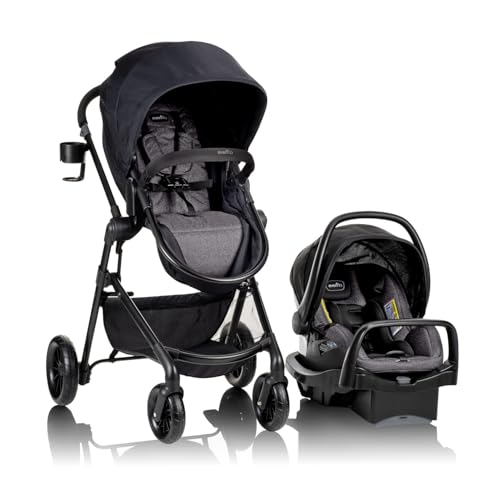
TRAVEL LIGHT & EASY: Features a flexible, lightweight car seat and stroller combo that includes the LiteMax Infant Car Seat for babies 3 to 30 lb (1.4 - 13.6 kg) and 15.7 to 32 in. (40 - 81 cm)
Compact Travel Systems
Compact travel systems combine an infant car seat with a compatible stroller frame or stroller. They help you move from car to sidewalk with less gear switching. This option suits families who drive often and want a coordinated setup.
Lightweight And Easy To Maneuver
Many compact travel systems use lighter frames than full-size stroller setups. This can help in parking lots, shops, elevators, and narrow sidewalks. Test the handle height and steering before you buy, since comfort varies by caregiver.
Space-saving Design
A compact travel system should fold small enough for your car trunk or closet. Check the folded size, not just the product photos. Also confirm that you can lift it without strain.
Quick And Hassle-free Setup
Many models use click-in attachments between the infant car seat and stroller frame. This can save time during errands. Make sure you hear or feel the seat lock into place before each use.
Comfort And Safety For Your Baby
Look for a secure harness, proper recline, sun protection, and clear installation instructions. Use the car seat only as the manual directs. For longer outings, give your baby breaks from the car seat position when appropriate.
Stylish And Modern Designs
Compact travel systems come in many colors, fabrics, and frame styles. Style can matter, but fit and safety should come first. Choose a system that works with your car, your storage space, and your everyday routes.
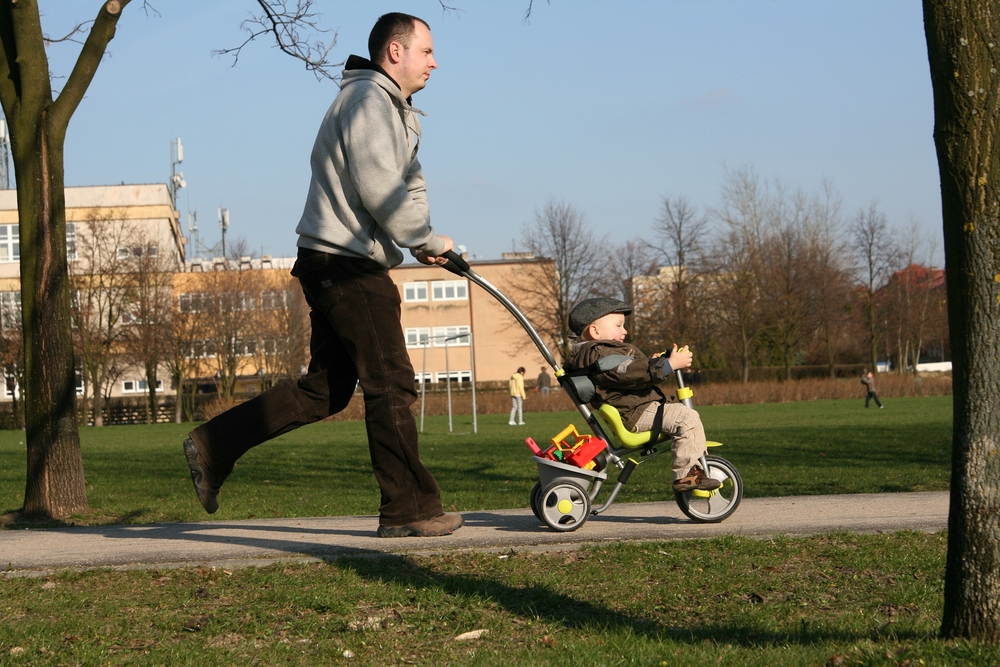
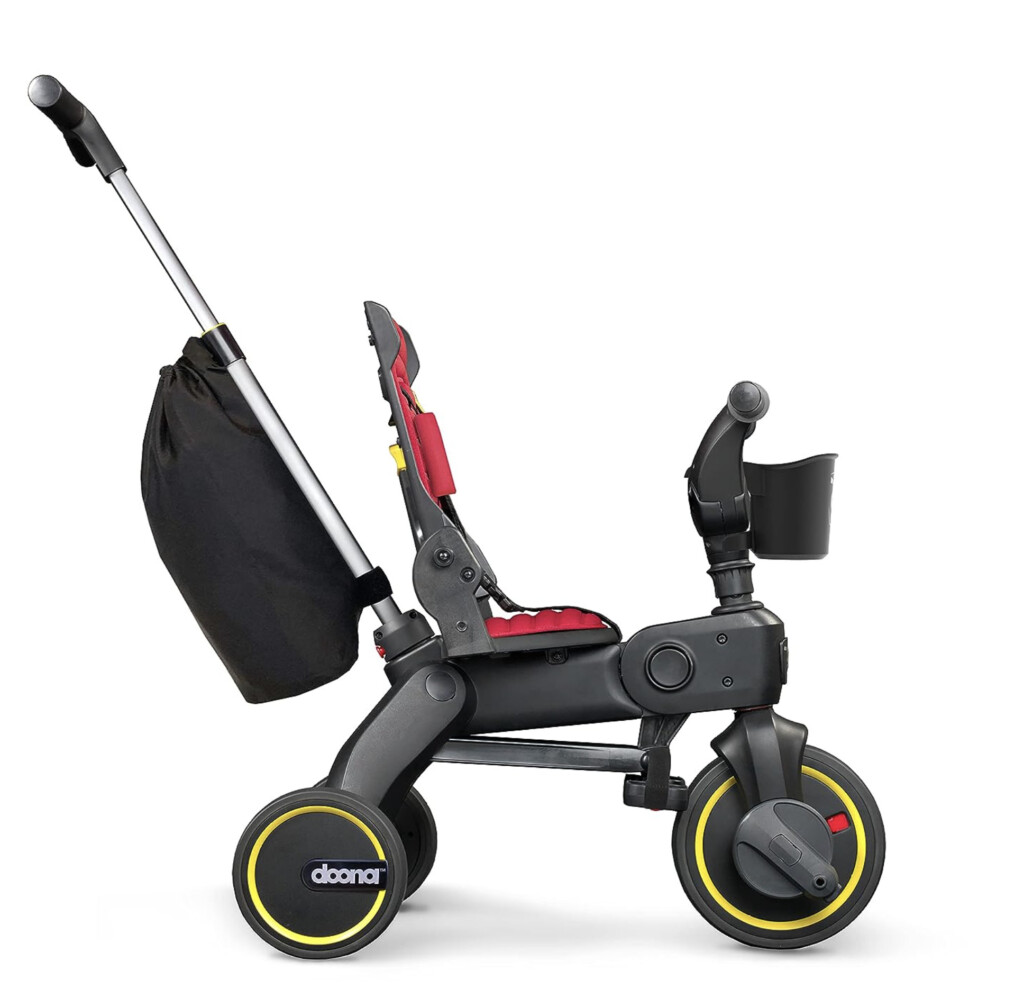
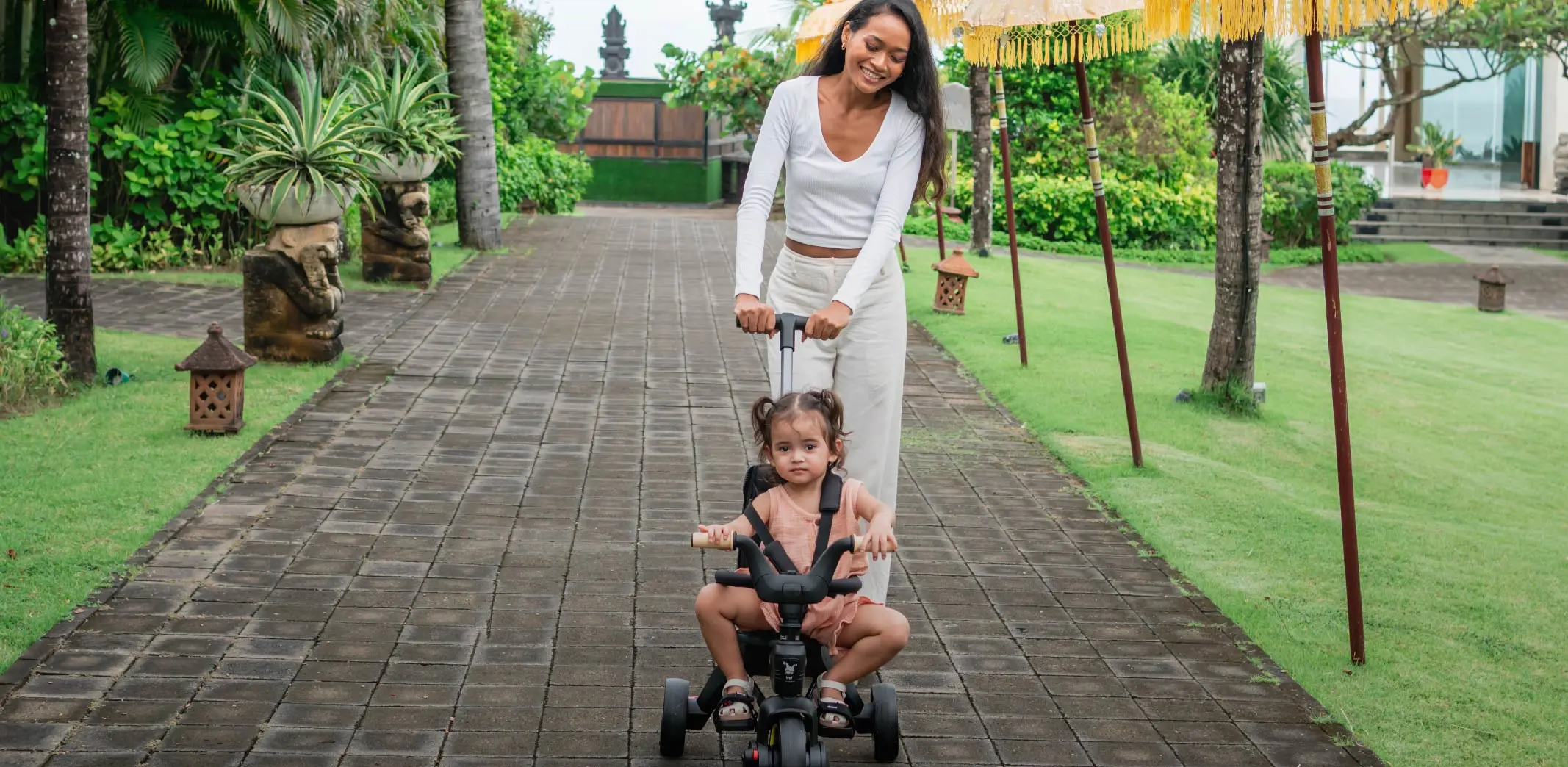
Foldable Tricycles
Foldable tricycles can give toddlers a fun alternative to sitting in a stroller. Many models include parent push handles, footrests, safety harnesses, and folding frames. They work best for short trips, parks, and neighborhood walks.
They do not suit newborns or young babies. Check the maker’s age, height, and weight limits before use.
Easy Storage And Portability
Foldable tricycles collapse for easier storage in small homes or car trunks. This helps when you need a ride-on option but lack space for bulky gear. Some models also work better than others on public transport, so check folded weight and size.
Durable And Safe Design
Look for a sturdy frame, stable wheels, reliable steering, and a secure harness. Brakes or wheel locks can add more control during stops. Inspect the tricycle often, especially if your child uses it outdoors.
Interactive And Fun For Kids
Toddlers often enjoy steering, pedaling, ringing bells, and carrying small toys in baskets. These features can make short walks more engaging. They may also help your child practice balance, coordination, and confidence.
Eco-friendly Transportation
A foldable tricycle can support short, car-free trips around your neighborhood. It also encourages outdoor movement and active play. You still need close supervision, especially near roads, driveways, slopes, and crowds.
How To Choose The Right Stroller Alternative
The right choice depends on your child’s stage and your daily routes. A newborn needs head and airway support, while a toddler may need space, movement, and secure seating. Your own comfort also matters because you may carry, push, fold, or lift the gear often.
Use these questions before you buy:
- Does the product fit your child’s current age, height, and weight?
- Can you use the harness, buckle, sling, or wrap correctly every time?
- Will it fit your car, closet, elevator, stairs, or public transport route?
- Do you need storage for diapers, bottles, snacks, or shopping bags?
- Can another caregiver adjust and use it safely?
If one option does not cover every need, combine two. Many families keep a carrier for quick trips and a stroller, wagon, or travel system for longer outings.
Frequently Asked Questions
What Are Baby Stroller Alternatives?
Baby stroller alternatives include baby carriers, slings, wraps, wagon strollers, compact travel systems, and foldable tricycles. Some options help with hands-free carrying, while others add storage or give toddlers more freedom. Choose based on your child’s age, your route, and your comfort.
Are Baby Carriers Better Than Strollers?
Baby carriers work better than strollers for stairs, crowds, short errands, and places with little storage space. Strollers work better for longer outings, naps, and carrying bags. Many parents use both because each one solves a different problem.
Can Slings Replace Traditional Strollers?
Slings can replace a stroller for short trips when you want closeness and compact gear. They may not feel comfortable for long walks or heavy toddlers. A stroller may still help when you need storage, shade, or a place for your child to rest.
Are Backpack Carriers Suitable For Hiking?
Backpack carriers can suit hiking when your child meets the model’s age, weight, and sitting requirements. Choose one with adjustable straps, a supportive frame, secure harnesses, and enough storage for essentials. Test the fit before you take it on a trail.
Which Stroller Alternative Works Best For Travel?
A compact travel system can work well for car-based travel with an infant. A carrier or sling may work better for airports, stairs, and crowded streets. For toddlers, a foldable tricycle or compact stroller-style option may suit short sightseeing trips.
Conclusion
The best stroller alternative is the one that fits your child’s age, your body, and the places you go most often. Start with safety, then compare comfort, storage, weight, and ease of use. Try the option at home before you rely on it during a full outing.
You don’t need one perfect product for every situation. A smart mix of carrier, sling, wagon, travel system, or tricycle can make family trips easier and more enjoyable.