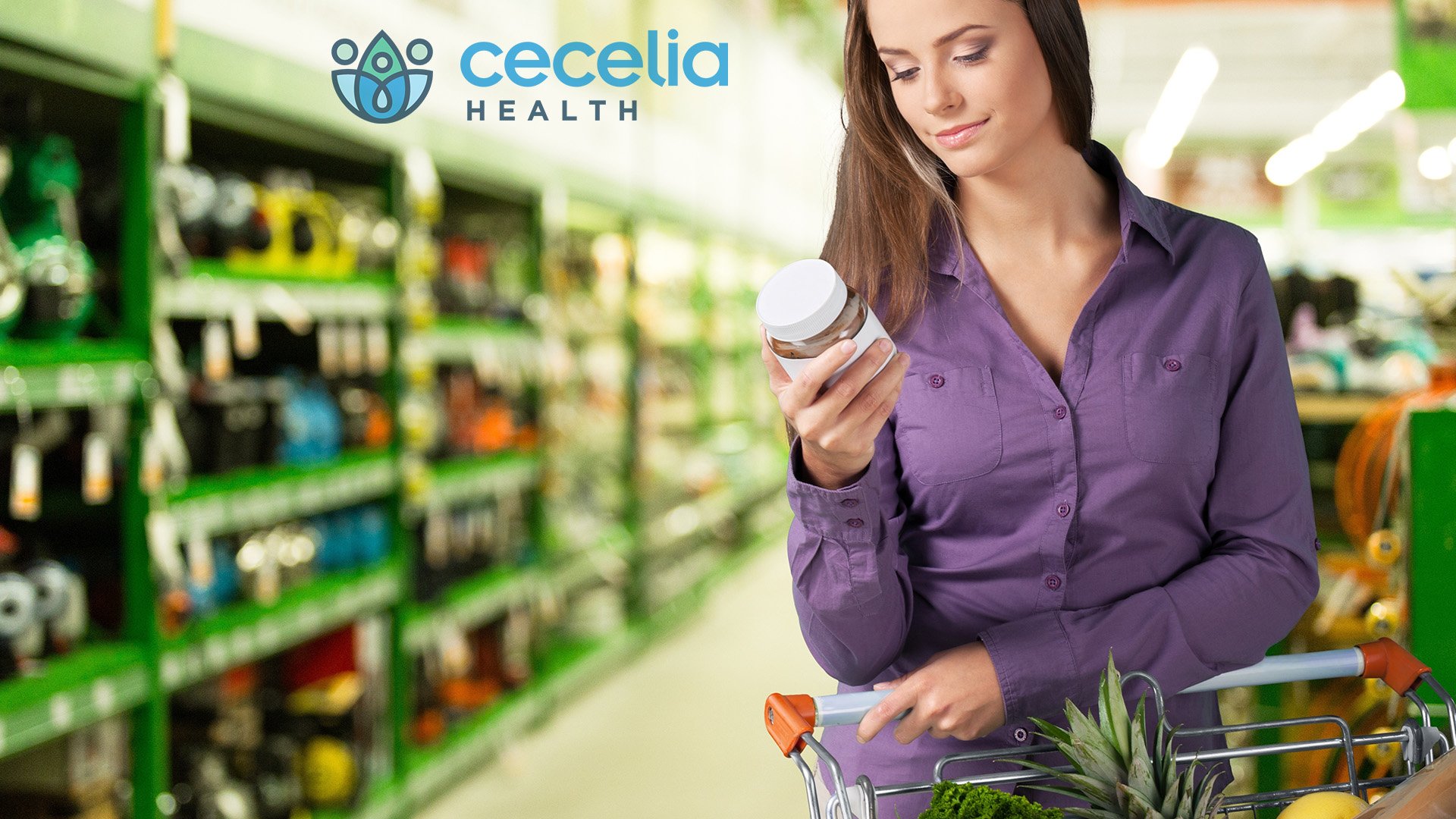
Have you ever picked up a food product at the store and glanced at the label, only to feel overwhelmed by the tiny text and unfamiliar terms? You’re not alone.
Most people skip over food labels or only pay attention to the calories. But here’s the truth: understanding food labels is one of the most powerful tools you have to take control of your health. What if you discovered that the product you thought was “healthy” is actually loaded with hidden sugars, unhealthy fats, or artificial additives?
By learning to read food labels, you can make smarter choices, avoid falling for misleading claims, and ensure you’re fueling your body with what it truly needs. We’ll break down why food labels matter, how they impact your well-being, and the simple steps you can take to decode them like a pro. Stick with me—you might be surprised by what you’ll uncover.
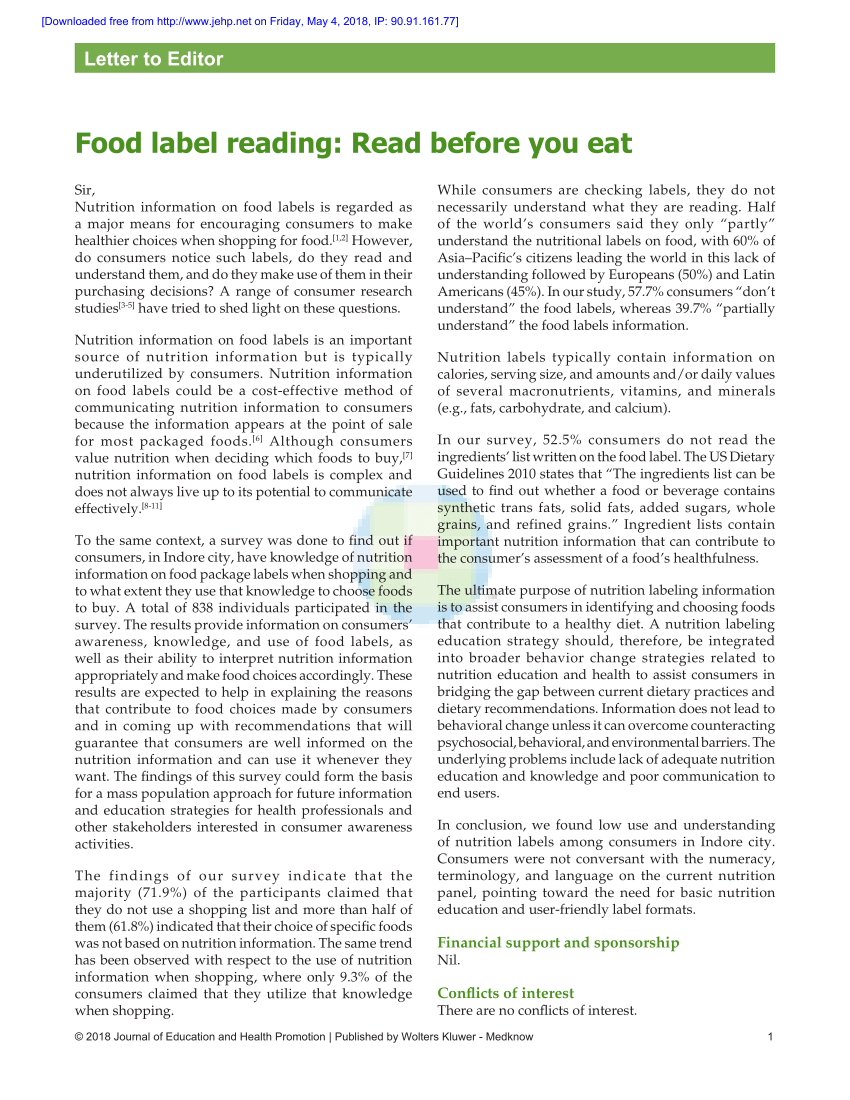
Credit: www.researchgate.net
Decoding Food Label Basics
Understanding food labels is essential for making informed dietary choices. These labels provide valuable insights about the nutritional content of packaged foods. They help you evaluate calories, nutrients, and ingredients in your meals. Decoding food labels might seem confusing, but breaking them down simplifies the process. Let’s explore the basics of food labels and how to interpret them effectively.
What Is A Serving Size?
The serving size is the first detail on any food label. It tells you the recommended portion size for one serving. All nutritional values listed are based on this amount. Pay attention to the serving size to avoid consuming more calories than intended. Often, packages contain multiple servings, so check carefully.
Calories And Their Role
Calories indicate the energy you get from a serving of the food. This number helps you balance your energy intake with your daily needs. Excess calories can lead to weight gain, while too few may cause fatigue. Always check this section to stay mindful of your daily calorie goals.
Understanding Macronutrients
Macronutrients include fats, carbohydrates, and proteins. They are essential for energy and overall health. Food labels break down these macronutrients to show their amounts per serving. Look for healthy fats, complex carbs, and sufficient protein to support a balanced diet.
Spotting Hidden Sugars
Many foods contain added sugars that increase calorie content. Food labels list sugars under carbohydrates, but added sugars are also specified. Watch for terms like “fructose,” “syrup,” or “maltose” in the ingredients list. Reducing added sugar intake helps maintain better health.
Checking Sodium Levels
Sodium levels on labels show the amount of salt per serving. High sodium intake increases the risk of high blood pressure. Choose products with lower sodium content to promote heart health. Compare similar items and opt for options labeled “low sodium” or “unsalted.”
Ingredients List: What To Look For
The ingredients list reveals what’s in the product. Ingredients are listed in descending order by weight. The first few items make up most of the product. Avoid products with long lists of artificial additives or unrecognizable names. Look for whole, simple ingredients to ensure better quality.
Ingredients And Additives
Do you ever glance at the ingredients list on food labels, or does it feel like a jumble of words you’d rather ignore? Understanding the ingredients and additives in your food isn’t just for those with allergies—it’s for anyone who wants to make informed choices about their health. Once you start paying attention, you’ll realize how much these small details impact your diet.
Ingredients: What Are You Really Eating?
Every ingredient listed on a food label matters. It’s not just about knowing what’s in your food—it’s about understanding the quality of those ingredients. For instance, you might notice that “whole grain” crackers contain refined flour as the first ingredient. That’s a red flag if you’re aiming for whole food options.
Pay attention to order. Ingredients are listed from largest to smallest quantity. If sugar is near the top, you’re eating more of it than you probably realized. Would you knowingly pick a snack that’s mostly sugar?
Additives: Are They Safe For You?
Food additives often sound like chemicals from a science lab—think “sodium benzoate” or “monosodium glutamate.” They’re used to preserve flavor, color, or shelf life. But should you consume them regularly? Some additives, like artificial colors, have been linked to health concerns over time.
Consider this: If you can’t pronounce an additive, do you want it in your body? That’s not to say all additives are bad, but being curious about what you’re eating is always a good idea. You might spot additives like “natural flavoring” and wonder, what does “natural” really mean?
How To Spot Hidden Ingredients
Did you know that some ingredients go by different names? Sugar, for example, can appear as high-fructose corn syrup, dextrose, or maltose. If you’re trying to limit sugar, knowing these aliases helps you avoid foods that sneak it in.
Another trick is watching out for “blanket terms” like “spices” or “flavoring.” These can hide a mix of ingredients you didn’t expect. Would you trust a label that doesn’t fully disclose what’s inside?
Tips For Reading Labels Quickly
- Focus on the first three ingredients. They make up the majority of what you’re eating.
- Identify additives you want to avoid, and memorize their names.
- If the list of ingredients is overly long, the food is likely highly processed.
Reading labels doesn’t have to take forever. With practice, you’ll quickly spot the good, the bad, and the questionable.
Understanding what’s in your food empowers you to make smarter decisions. Are you ready to take control of your health, one label at a time?
Nutritional Value Breakdown
Understanding the nutritional value of your food is like giving yourself the gift of informed choices. Food labels provide a snapshot of what you’re really eating, but they can often feel like a puzzle. Let’s break it down into simple, actionable parts so you can make healthier decisions for yourself and your family.
Calories: The Energy Gauge
Calories tell you how much energy a food will provide. If you’re trying to manage your weight, this is a number you’ll want to pay attention to. But it’s not just about the number—ask yourself, is this energy coming from nourishing sources like whole grains or empty ones like added sugars?
For example, a granola bar with 200 calories could either be packed with fiber and nutrients or loaded with sugar and unhealthy fats. Read beyond the calorie count to see the full picture.
Fats: Healthy Vs. Harmful
Not all fats are bad, but not all are good either. Look at the breakdown of total fat into saturated and trans fats on the label. High levels of these can increase your risk of heart disease.
Instead, aim for foods with unsaturated fats, which are heart-healthy. Think avocados, olive oil, or nuts. A quick tip: if a product has 0 grams trans fat but lists “partially hydrogenated oils” in the ingredients, it still contains harmful fats.
Sodium: Watch The Salt
Sodium sneaks its way into many processed foods, even ones that don’t taste salty. Too much sodium can lead to high blood pressure and other health issues. The FDA recommends no more than 2,300 milligrams per day for adults.
If a single serving of soup contains 800 milligrams of sodium, you’re already a third of the way there. Choose products labeled “low sodium” or simply cook more meals at home where you can control the salt.
Carbohydrates And Sugars: The Sweet Truth
Carbs are a major energy source, but there’s a big difference between complex carbs and simple sugars. Look for dietary fiber under the carbohydrate section—it’s your ally for good digestion and staying full longer.
A cereal with 20 grams of carbs but only 1 gram of fiber might spike your blood sugar and leave you hungry again. Opt for foods high in fiber and low in added sugars for sustained energy.
Protein: Your Body’s Building Block
Protein is essential for muscle repair, immune health, and overall energy. Check the protein content and consider whether the source is plant-based or animal-based. Both have benefits depending on your dietary needs.
If you’re eating a snack bar with 10 grams of protein, is it coming from nuts, seeds, or something processed? Choose whole food sources when you can.
Serving Size: The Hidden Catch
Ever notice how some packages look like one serving but are actually two or three? The serving size on the label is crucial for understanding how much you’re really consuming. Double-check it, especially for snacks, drinks, and frozen meals.
If a bag of chips lists 150 calories per serving but has three servings in the bag, eating the whole thing means you’ve consumed 450 calories. Be mindful of portion sizes to avoid unintended overeating.
Reading food labels doesn’t have to be overwhelming. Start by focusing on one or two sections, like calories and sodium, and build from there. What’s one thing you’ll pay more attention to the next time you shop? Share your thoughts in the comments below!

Credit: www.fda.gov
Serving Sizes And Portions
Understanding serving sizes and portions is essential when reading food labels. These details help you manage your daily calorie and nutrient intake. Many people misinterpret serving sizes, which can lead to overeating or underestimating calories. By knowing how to read this information, you can make smarter food choices.
What Are Serving Sizes?
Serving size refers to the standardized amount of food listed on a label. It shows the quantity the manufacturer recommends for one serving. For example, it might say “1 cup” or “5 crackers.” This is not the amount you must eat but a guideline to calculate nutrients.
Serving sizes are often smaller than what people eat in one sitting. Checking this helps you know if you’re eating more than one serving.
Why Serving Sizes Matter
Serving sizes affect the calories and nutrients you consume. If you eat double the serving size, you also double the calories, fat, sugar, and other nutrients. Ignoring this can mislead you into thinking you’re eating less than you are.
Being aware of serving sizes helps you control portions and stay on track. This is especially important for people managing weight or specific health conditions.
The Difference Between Serving Size And Portion
Serving size is the standard measure on the food label. Portion is the actual amount you eat, which may differ. For example, the label might say 1 cup, but your portion is 2 cups.
Knowing this difference helps you calculate calories and nutrients accurately. Always compare your portion size with the label to stay informed.
Practical Tips For Managing Portions
Use measuring cups or a food scale to check your portions. This ensures they match the serving size on the label. Avoid eating directly from large packages, as it’s harder to control portions.
Choose smaller plates or bowls to visually reduce your portion size. This can prevent overeating and encourage mindful eating habits.
Health Claims And Misleading Labels
Food labels often promise health benefits that can influence purchasing decisions. Claims like “low fat,” “sugar-free,” or “heart-healthy” attract attention. Yet, not all claims are accurate or transparent. Some labels may exaggerate benefits or hide critical details. Understanding these claims helps make informed choices.
Labels can use terms that sound healthy but have vague meanings. Words like “natural” or “organic” may not guarantee healthier ingredients. Misleading labels can confuse consumers and lead to poor dietary decisions. Knowing what to look for is essential.
What Do Health Claims Mean?
Health claims are statements linking food to specific health benefits. They suggest the product supports a healthier lifestyle. Common claims include “boosts immunity” or “supports heart health.” These claims often rely on small scientific studies or marketing strategies.
Some claims may be valid but require closer inspection. Not all products with health claims are truly beneficial. Reading the ingredient list and nutritional facts is necessary to verify claims.
Hidden Ingredients Behind Health Claims
Labels with health claims can mask harmful ingredients. “Low fat” products may contain excess sugar or artificial chemicals. “Sugar-free” foods can include sugar substitutes with potential health risks. These hidden ingredients may counteract the claimed benefits.
Always examine the full ingredient list. This helps identify additives or hidden sugars. Avoid products with long lists of unrecognizable ingredients.
Misleading Terms On Food Labels
Many labels use terms that confuse or mislead consumers. Words like “lite,” “natural,” or “made with real fruit” are common examples. These terms may imply health benefits but lack regulation or specific standards.
“Natural” does not always mean free from additives or preservatives. “Made with real fruit” could mean minimal fruit content with added flavors. Understanding these terms prevents falling for misleading claims.
How To Spot Misleading Labels
Look beyond eye-catching phrases on the packaging. Focus on the nutritional facts and serving sizes. Compare claims with the actual nutrient values provided.
Be cautious of labels that emphasize one positive aspect while hiding negatives. For example, a “low-sodium” product may have high sugar content. Always read carefully and question overly bold claims.
Making Informed Choices
Reading food labels isn’t just a chore for health enthusiasts—it’s a powerful tool for anyone who wants to take control of what they eat. The choices you make at the grocery store directly affect your health, energy, and overall well-being. Understanding food labels helps you make smarter decisions, and that starts with knowing what you’re putting into your cart and, ultimately, into your body.
Think about the last snack you bought. Did you check the label, or did you pick it because it looked tasty? Knowing how to read food labels helps you choose products that match your dietary needs and goals, whether you’re watching sugar, avoiding allergens, or simply trying to eat healthier.
Understanding Serving Sizes
Serving sizes can be tricky. A single package might look like one serving, but the label may reveal it’s actually two or three. That means the calories, sugar, and fats you consume could be double or triple what you expected.
Pay attention to serving size information. If a bag of chips says “150 calories per serving” but contains three servings, you’re eating 450 calories if you finish the bag. Knowing this upfront helps you manage portion sizes and avoid accidental overeating.
Spotting Hidden Sugars
Sugar hides under many names, like fructose, maltose, and syrup. A product labeled “healthy” might still pack in a surprising amount of sugar, impacting your energy levels and long-term health.
Check the “Total Sugars” and “Added Sugars” sections on the label. If the numbers are high, consider switching to an alternative with less sugar or no added sugars at all. This small step can make a big difference in maintaining stable energy throughout the day.
Comparing Sodium Content
High sodium levels can contribute to health issues like high blood pressure. Many processed foods, even those that don’t taste salty, are packed with sodium.
When shopping, compare the sodium levels of similar products. For example, if you’re choosing between two soups, pick the one with the lower sodium content. Small changes like this can help you maintain better heart health over time.
Checking Ingredient Lists
The ingredient list is where the real story is told. Ingredients are listed in order of quantity, so the first few items make up most of what you’re eating. Spotting artificial additives, preservatives, or allergens here can help you avoid unwanted surprises.
Opt for products with short, simple ingredient lists whenever possible. If you can’t pronounce half the ingredients, it might be worth reconsidering your choice. Simpler often means cleaner and healthier.
So, next time you’re shopping, pause and take a closer look at the labels. It’s not just about avoiding bad ingredients—it’s about finding the best options for you and your family. Making informed choices starts with a little knowledge and a lot of awareness.
Credit: infocons.org
Frequently Asked Questions
Why Is It Important To Read The Label?
Reading labels helps you understand product ingredients, usage instructions, and potential risks. It ensures safety and informed decision-making.
Why Is It Important To Always Read Labels?
Reading labels helps you understand product ingredients, usage instructions, warnings, and expiration dates to make informed choices.
Why Is It Important To Read And Understand The Food Labels Or Product Information Forms Of Any Packaged Ingredients Used?
Reading food labels ensures you understand ingredients, allergens, nutritional value, and potential additives. It helps make healthier, informed choices.
What Is The Importance And Purpose Of Food Labelling?
Food labelling provides essential information about ingredients, allergens, and nutrition. It helps consumers make informed and healthier choices. Labels ensure transparency, promote safety, and meet regulatory requirements. Clear labelling supports dietary preferences and builds trust between brands and consumers. It also helps prevent food-related health risks and ensures product authenticity.
Conclusion
Understanding food labels helps you make smarter and healthier choices. It empowers you to avoid harmful ingredients and prioritize nutritious options. Reading labels ensures you know exactly what you’re putting in your body. This habit supports better long-term health and balanced eating.
Small, informed steps can lead to big improvements in your diet. Don’t let confusing packaging hide the truth about your food. Take control by reading labels carefully and consistently. Your health depends on the choices you make every day. Start paying attention to food labels and enjoy a healthier lifestyle.