Have you ever wondered why introducing solids to your baby is such a big milestone? It’s not just about cute photos of messy faces or tiny spoons.
Starting solids plays a crucial role in your baby’s growth, development, and overall health. As a parent, you want to give your little one the best start in life, and what they eat in these early months can shape their future in surprising ways.
But here’s the thing: knowing when and how to start solids can feel overwhelming. Are you doing it right? Is your baby ready? And why is it so important anyway? Keep reading, because by the end of this article, you’ll not only understand why solids matter but also feel confident in making the best choices for your baby’s well-being.
Nutritional Growth
Introducing solids is a crucial step in your baby’s growth journey. Breast milk or formula provides excellent nutrition early on. But as babies grow, their nutritional needs expand. Solids offer essential nutrients that support healthy development. These nutrients play a vital role in your baby’s physical and mental growth.
Solids help fill nutritional gaps that milk alone cannot cover. They provide energy for active bodies and growing brains. Let’s explore why solids are key to your baby’s nutritional growth.
Essential Vitamins And Minerals
Babies need a variety of vitamins and minerals for proper growth. Iron, zinc, and calcium are particularly important during this stage. Iron supports brain development and prevents anemia. Zinc boosts immune function and aids in tissue repair. Calcium strengthens bones and supports healthy teeth development.
Foods like pureed vegetables, fruits, and fortified cereals are rich in these nutrients. Introducing these early builds a strong foundation for health.
Building Healthy Eating Habits
Early exposure to solids helps babies develop healthy eating habits. Offering a variety of tastes and textures encourages acceptance of diverse foods. This reduces the risk of picky eating later in life. Introducing natural, wholesome foods can also shape lifelong preferences for nutritious options.
By starting early, babies learn the joys of exploring different flavors. This builds a positive relationship with food.
Meeting Increased Energy Needs
As babies grow, their energy needs increase significantly. Solids provide the calories required for active exploration and learning. Breast milk or formula alone may not meet these growing demands. Energy-dense foods like mashed sweet potatoes and avocado are excellent choices.
These foods provide the fuel babies need for crawling, playing, and discovering the world.
Supporting Brain Development
The first year is critical for brain growth and cognitive development. Nutrients like omega-3 fatty acids and iron are vital during this period. Omega-3s support brain cell function and communication. Iron ensures oxygen-rich blood reaches the brain for optimal performance.
Foods like salmon, eggs, and fortified cereals are excellent brain boosters. Including these in your baby’s diet can promote better learning and memory.

Credit: boobtofood.com
Developing Taste Preferences
Introducing solids to your baby isn’t just about filling their tiny tummy. It’s a crucial step for shaping their food preferences and eating habits. What they eat now can influence what they’ll enjoy later in life. Isn’t that fascinating?
Understanding The Role Of Variety
Start small but intentional. You could offer mashed carrots one day and pureed peas the next. This gradual exposure lays the foundation for a balanced palate.
Why Early Exposure Matters
Your baby’s taste buds are incredibly receptive in the first year. This is the ideal time to introduce flavors like slightly tangy yogurt or even earthy lentils. The more they try, the less likely they’ll be picky eaters later.
Don’t worry if they make faces or spit out certain foods. That’s normal! Repeated exposure can help them get used to new tastes over time.
Balancing Familiar And New
Ever noticed how babies love something they’ve tried before? Familiarity breeds comfort, even with food. Pair new foods with ones they already enjoy. For example, mix a bit of spinach puree with their favorite sweet potato mash.
This approach makes new flavors less intimidating. It also teaches them that food can be a mix of tastes and textures.
Encouraging Healthy Choices Early
What you feed your baby now sets the tone for their future relationship with food. If they grow up loving natural, whole foods, they’re more likely to choose healthier options as they get older.
Imagine the confidence you’ll feel when your toddler prefers a bowl of fruit over sugary snacks. It all starts with those early, intentional choices you make now.
Final Thought: Are You Ready To Shape Their Palate?
Every bite your baby takes is a small step toward developing their lifelong eating habits. Are you giving them the chance to explore and enjoy a world of flavors?
Take it slow, stay patient, and keep experimenting. The effort you put in today will pay off in the healthiest way possible.
Building Chewing Skills
Watching your baby take their first bite of solid food is an exciting milestone. But did you know that introducing solids is more than just a new way of eating? It’s a critical step in helping your baby develop essential chewing skills that will benefit them for life.
What Are Chewing Skills And Why Do They Matter?
Chewing isn’t just about breaking food down for swallowing. It also strengthens the muscles in your baby’s mouth and jaw. These muscles play a key role in speech development and maintaining proper oral health.
Without practice, your baby might struggle to move food around their mouth or chew it properly. This could make eating less enjoyable and delay their transition to family meals. Chewing is a skill they’ll use daily—so it’s worth focusing on early.
How Solids Help Babies Learn To Chew
Soft purees are a great starting point, but textured foods are where the magic happens. Foods like mashed avocado or small, soft pieces of banana encourage your baby to move their jaws in new ways. This movement strengthens their jaw muscles and teaches them how to break food into smaller, swallowable pieces.
You can gradually introduce more variety as they grow. Think steamed veggies, shredded chicken, or small pasta pieces. The more textures they try, the better they’ll get at coordinating their tongue and jaw movements.
Signs Your Baby Is Ready To Practice Chewing
Not sure if your baby is ready? Look for clues like sitting up without support, showing interest in your food, or opening their mouth when you offer a spoon. These signs suggest they’re ready to take on new challenges, including chewing.
Remember, every baby is different. Some may take to solids eagerly, while others need more time. Follow their cues and move at their pace to make the experience positive.
Tips For Encouraging Chewing
Start with bite-sized pieces of soft food that are easy to pick up. This not only promotes chewing but also helps with hand-eye coordination. Offer foods like soft-cooked carrots, scrambled eggs, or small pieces of ripe mango.
Join them at the table and eat alongside them. Babies love to mimic what they see. When they watch you chew, they’re more likely to try it themselves.
Be patient. It’s normal for babies to spit food out as they get used to textures. Keep offering a variety of foods, and don’t give up if they refuse something the first time.
Could Skipping Chewing Practice Affect Your Baby?
Skipping this stage could lead to picky eating habits or delays in oral motor skills. If they don’t get comfortable with chewing early on, they might reject certain textures later in life. This can make mealtimes more stressful for both of you.
Chewing also impacts speech development. Weak oral muscles could make it harder for your baby to form certain sounds. Giving them plenty of practice now sets them up for success in the future.
So, the next time you offer your baby a small piece of soft food, remember—you’re not just feeding them. You’re helping them build lifelong skills, one chew at a time. Ready to give it a try? Start small, stay consistent, and watch them thrive!
Enhancing Motor Coordination
Watching your baby explore the world of solid foods is about more than just nutrition. It’s also a critical step in their developmental journey. Eating solids helps babies fine-tune their motor skills, laying the foundation for physical coordination and independence.
Building Hand-eye Coordination
When your baby picks up a piece of soft banana or grabs a spoon, they’re practicing hand-eye coordination. This skill doesn’t just appear magically—it develops through repeated practice. Every time they aim for their mouth and succeed, they’re sharpening this essential ability.
Try offering small, manageable foods like steamed carrot sticks or soft avocado chunks. These are easy to grasp and encourage your baby to use their fingers, improving their grip and accuracy.
Strengthening Finger Dexterity
Eating solids is one of the first real opportunities for babies to use their pincer grasp. This is when they use their thumb and index finger to pick up small objects—like that tiny piece of cereal you just dropped. Over time, this simple action strengthens their finger muscles and prepares them for tasks like holding a pencil or buttoning a shirt.
Let your baby practice with small, bite-sized finger foods. But keep an eye on them to ensure it’s safe and manageable.
Encouraging Independence
Have you ever noticed the look of pride on your baby’s face when they manage to feed themselves? Giving them the chance to eat solids fosters independence. It allows them to explore textures and flavors while mastering their motor skills.
Start with foods they can easily hold, like soft toast strips or cooked pasta. Gradually, you can introduce utensils as they become more confident.
Challenging Their Focus
Eating solids also trains your baby’s ability to focus. Picking up food, aiming for the mouth, and chewing all require concentration. Over time, this helps them develop the patience and attention span they’ll need for other tasks.
Keep mealtimes free from distractions like screens. This helps your baby stay engaged in the process and fully benefit from the experience.
Are you giving your baby enough opportunities to practice these skills during mealtime? The journey to solids is about more than just eating—it’s a stepping stone to so many developmental milestones.
Supporting Digestive Health
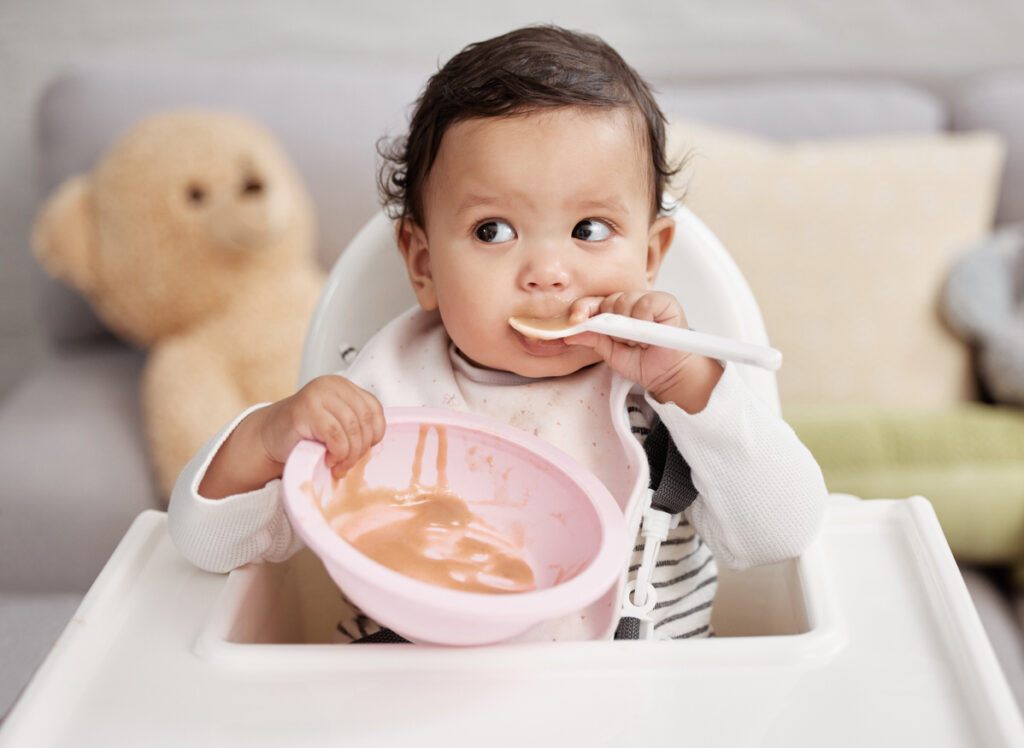
Introducing solid foods is a vital milestone in your baby’s growth. It helps their digestive system adapt to new textures and nutrients. Eating solids encourages the development of a healthy gut. This sets the foundation for long-term wellness.
A baby’s digestive system is still developing. Solids help strengthen their digestive muscles. This supports proper digestion and nutrient absorption. It also prepares the body for more complex foods later.
Building A Strong Gut Microbiome
Solids promote the growth of beneficial gut bacteria. These bacteria play a key role in digestion and immunity. Foods rich in fiber, like fruits and vegetables, are especially helpful. They create a balanced gut environment for better health.
Training The Digestive System
Eating solids teaches the digestive system to process different textures. This is crucial for handling more diverse foods as they grow. It also helps the body learn to break down starches, proteins, and fats effectively.
Preventing Future Digestive Issues
Early exposure to solids helps reduce the risk of food sensitivities. It also lowers the chances of common digestive problems later in life. Introducing varied foods helps build a tolerant and resilient digestive system.
Improving Bowel Movements
Solids, especially those rich in fiber, improve bowel health. They regulate stool consistency and ease constipation. This is important for your baby’s comfort and overall digestive health.
Credit: kidseatincolor.com
Strengthening Family Bonding
Introducing solids isn’t just about nutrition. It’s also a chance to build strong family connections. Mealtimes become moments of togetherness. These shared experiences can deepen bonds between parents, siblings, and the baby.
Eating together creates a sense of belonging. It helps the baby feel included in family routines. This shared activity fosters love, trust, and understanding. Babies learn by watching and imitating. Family meals become a teaching moment, both emotionally and socially.
Observing And Imitating Family Members
Babies love to observe and mimic others. During meals, they watch family members eat, chew, and interact. This sparks their curiosity and encourages them to try new foods. Imitation builds confidence and helps babies feel connected to their loved ones.
Seeing parents and siblings enjoy food can make mealtime exciting. Babies often mirror the enthusiasm of the people they trust. This shared experience strengthens emotional ties. It also lays the foundation for healthy eating habits.
Creating Shared Rituals And Memories
Introducing solids provides an opportunity to create family rituals. Simple routines like setting the table or saying a few words before eating can bring everyone closer. These small traditions give structure to family life and help the baby feel secure.
Shared meals create lasting memories. The baby’s first taste of avocado or their funny reaction to a new texture becomes a cherished story. These moments bring joy and laughter, bonding the family even more.
Encouraging Communication And Connection
Mealtimes are perfect for family conversations. Parents can talk to their baby, describe the food, and share stories. This interaction strengthens language development while making the baby feel valued.
Even if the baby cannot speak yet, their giggles and gestures are a form of communication. Responding to these cues helps build trust. It shows the baby they are an important part of the family unit.

Credit: www.instagram.com
Frequently Asked Questions
Why Is It Important For Babies To Start Solids?
Babies need solids to meet growing nutritional needs, like iron and vitamins. Solid foods support development, chewing, and swallowing skills. Starting solids introduces diverse tastes and textures, promoting healthy eating habits. It also helps babies transition from milk to balanced diets, ensuring proper growth and development during early stages.
What Happens If A Baby Doesn’t Eat Solids?
Babies missing solids might lack essential nutrients for growth. Consult a pediatrician to ensure proper development and address feeding concerns.
What Happens If You Delay Solids For A Baby?
Delaying solids for a baby may lead to nutrient deficiencies, slower growth, and delayed oral motor skill development. Starting solids around 6 months supports proper nutrition and learning to chew. Always consult a pediatrician for guidance on introducing solids.
Can I Skip A Day Of Solids For My Baby?
Yes, you can skip a day of solids for your baby. Ensure they get enough breast milk or formula instead. Skipping occasionally won’t harm their nutrition as long as they are healthy and growing well. Always consult your pediatrician for personalized advice.
Conclusion
Introducing solids is a key milestone in your baby’s development. It helps build healthy eating habits and supports their growing bodies. Solid foods provide essential nutrients that milk alone can’t offer. They also promote chewing skills and prepare babies for diverse textures.
Starting solids at the right time boosts their ability to explore new flavors. It’s a natural step toward independence and balanced nutrition. Remember, every baby is unique, so be patient and flexible. Encourage curiosity and make mealtime fun. A positive start with solids lays the foundation for lifelong healthy eating habits.