Updated on 2025-11-23
What if the meals you serve every day could shape your child’s future? What your child eats doesn’t just fill their belly; it fuels their brain, body, and overall growth. Every bite plays a role in helping them think, learn, move, and thrive.
Food is important for child development because it provides the nutrients that build the brain, bones, muscles, and immune system. A balanced diet supports learning, behavior, energy, and long-term health, helping children grow, think clearly, and reach their full potential.
Key takeaways
- Food provides the building blocks children need for healthy growth, strong bones, brain development, and a robust immune system.
- Balanced meals support focus, mood, behavior, and school performance, while poor diets can slow development and increase illness.
- Healthy eating habits formed in childhood reduce the risk of obesity and chronic diseases and set kids up for lifelong well-being.
Role of nutrients in growth
Food isn’t just about filling your child’s stomach. It’s the fuel that powers their growth, learning, and energy to explore the world. Every bite they take can play a part in shaping how their body and brain develop.
Think about it: how can a child grow taller, build strong bones, or develop sharp thinking without the right nutrients? That’s why understanding the role of nutrients in their growth is so important.
Protein: the building block of life
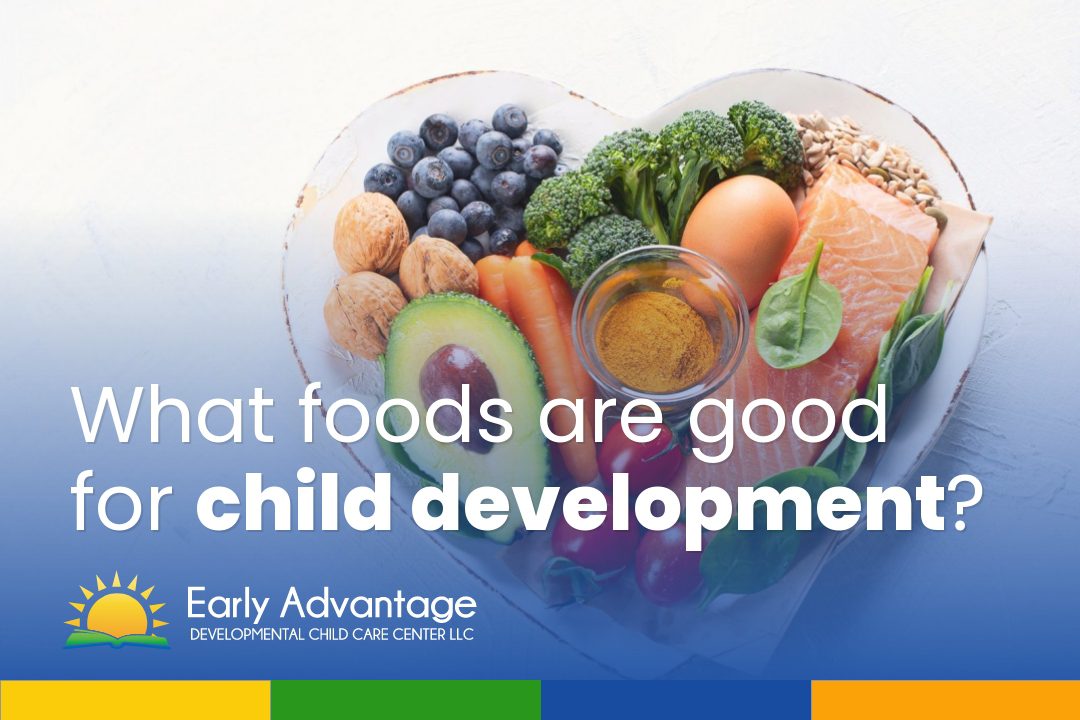
Protein helps your child grow muscles, repair tissues, and even produce important hormones. Foods like eggs, lean meat, fish, dairy, beans, lentils, and nuts are excellent sources. A protein-rich breakfast can set the tone for an active, focused day.
If your child seems to tire easily or struggles to stay focused, it might be time to rethink their protein intake. Adding a boiled egg, a cup of yogurt, or a handful of almonds to their routine can make a real difference.
Calcium and vitamin D: the bone-strength duo
Calcium is essential for building strong bones and teeth, while vitamin D helps the body absorb calcium properly. Think milk, yogurt, cheese, fortified plant milks, and leafy greens like spinach and kale. Sunlight also helps the body make vitamin D.
Skipping these foods can lead to weak bones, which may affect growth and increase the risk of fractures later in life. When you shop, look for calcium-fortified cereals and drinks, and try to include at least one calcium-rich food at each main meal.
Iron: the oxygen carrier
Iron plays a key role in helping red blood cells carry oxygen throughout the body. Without enough iron, your child might feel tired, pale, or struggle to concentrate in school. Foods like spinach, lentils, beans, fortified cereals, poultry, and red meat are rich in iron.
Pairing iron-rich foods with vitamin C (like oranges, tomatoes, strawberries, or bell peppers) can boost absorption. A spinach salad with a squeeze of lemon juice or lentil soup with tomatoes is a simple, powerful combo.
Omega-3 fatty acids: brain boosters
Omega-3 fatty acids are crucial for brain development, memory, and learning. Oily fish like salmon, sardines, and mackerel, as well as walnuts, chia seeds, flaxseeds, and fortified eggs, are great sources.
If seafood isn’t your child’s favorite, try ground flaxseed stirred into oatmeal or yogurt, or offer a walnut snack. Even small, regular amounts can support their brainpower over time.
Vitamins and minerals: the all-rounders
From vitamin A for good vision to zinc for a strong immune system, every nutrient plays a role. A colorful plate with fruits, vegetables, whole grains, and healthy fats is a simple way to cover the basics. Think of carrots, berries, bananas, sweet potatoes, and a bowl of oatmeal.
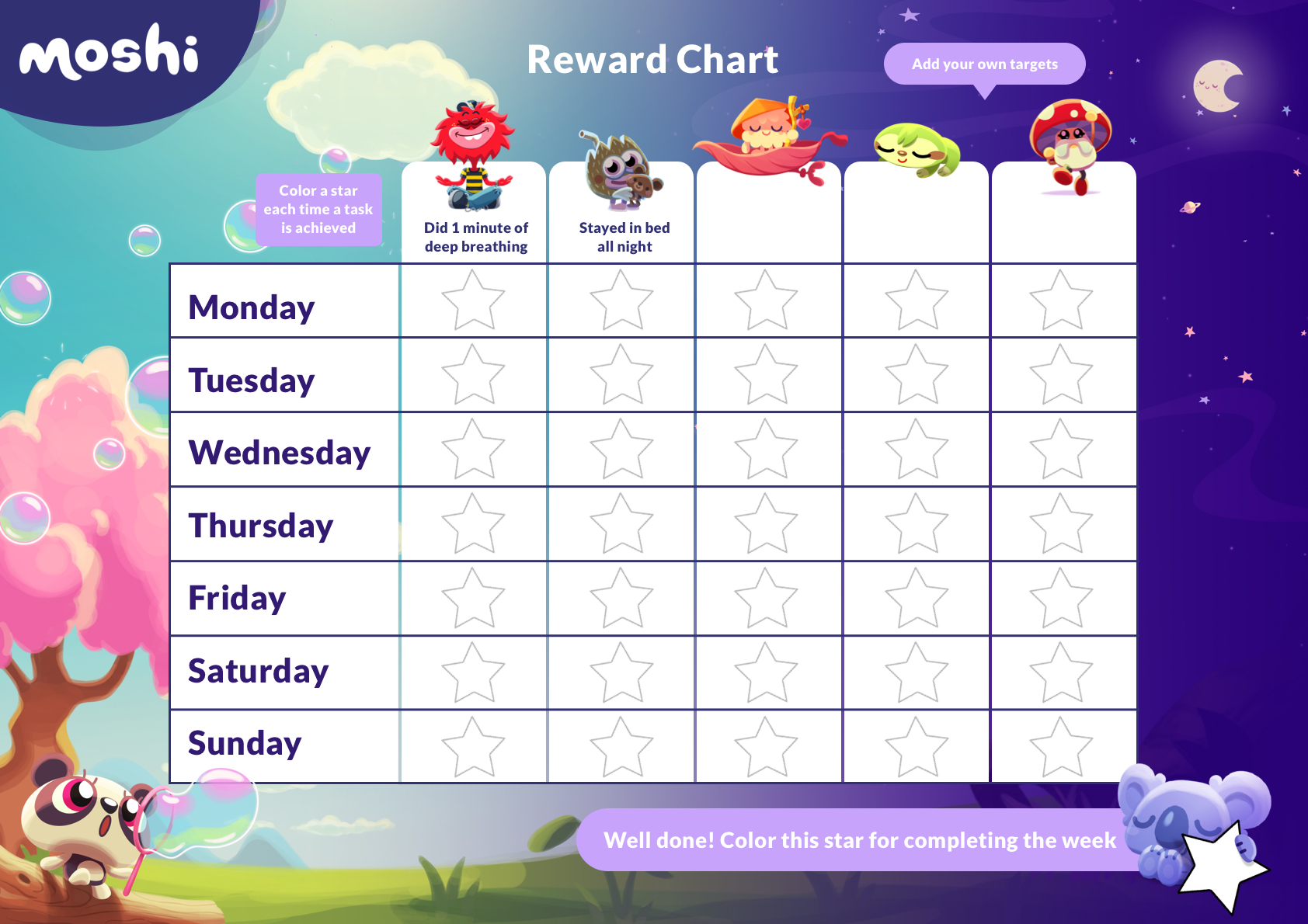
Is your child a picky eater? Turn it into a game by challenging them to eat a “rainbow” of foods each week. Stick a chart on the fridge and let them tick off red, orange, yellow, green, blue, and purple foods as they try them.
Impact on cognitive development
Food plays a vital role in shaping a child’s brain. Nutrients from a balanced diet help build and maintain brain cells. A child’s ability to think, learn, remember, and solve problems depends heavily on proper nutrition, especially in the early years.
Role of essential nutrients
Proteins provide amino acids needed for brain cell growth and repair. Omega-3 fats support memory, attention, and learning. B-vitamins like B12 and folate help with energy production and brain function. Iron supports oxygen flow to the brain, sharpening focus and reducing fatigue.
When children regularly lack these nutrients, their cognitive skills can lag behind. Over time, this may affect school performance, confidence, and behavior.
Impact of poor nutrition
Poor diets can slow brain development. Highly processed foods and sugary drinks often crowd out nutrient-dense options. Deficiencies in iron or iodine, for example, can cause learning difficulties and lower test scores. Diets very high in sugar can also trigger mood swings and reduce concentration.
Foods that boost cognitive skills
Whole grains (like oats and brown rice) provide steady energy for busy brains. Leafy greens are rich in antioxidants that protect brain cells. Eggs provide choline, which supports memory and learning. Berries help combat inflammation, while nuts and seeds support mental clarity and problem-solving.
Timing matters
Regular meals and snacks help stabilize blood sugar and keep children alert. A balanced breakfast improves focus during school, while snacks with protein and fiber (such as fruit with peanut butter or yogurt with nuts) sustain energy between meals. Long gaps without food can make kids cranky, tired, and distracted.
Watch: how nutrition supports learning
Prefer to watch instead of read? This short video explains how healthy foods help children’s brains grow and support school success.
Research continues to show strong links between children’s overall diet quality and their cognitive performance, including memory, attention, and academic outcomes, especially when key micronutrients and healthy fats are consistently provided.
Building a strong immune system
Nutritious food fuels growth, strengthens immunity, and supports brain development in children. Balanced meals provide essential vitamins and minerals that help the body fight infections and recover more quickly from illness.
A healthy immune system keeps children safe from everyday bugs like colds, flu, and stomach upsets. The foods you serve can either boost or weaken this natural defense system.
How nutrients support immunity
Vitamins A, C, and E act as antioxidants that protect cells and support immune function. Zinc helps the body fight bacteria and viruses. Selenium and iron also play vital roles in immune health, helping immune cells work properly and respond to threats.
The role of fruits and vegetables
Fruits and vegetables are packed with immune-boosting vitamins and minerals. Brightly colored produce like carrots, oranges, berries, and spinach are especially helpful. These foods also contain plant compounds that reduce inflammation and protect cells from damage.
Probiotics and gut health
A healthy gut is important for a strong immune system because much of the body’s immune tissue lives there. Probiotic-rich foods like yogurt, kefir, and some fermented foods help grow “good” bacteria in the gut, which crowd out harmful germs.
Protein for immune defense
Protein is essential for building antibodies and other immune cells that fight infection. Eggs, fish, chicken, beans, tofu, and lentils are all great sources. Including protein at each meal supports the body’s ability to respond quickly when germs show up.
Hydration and immunity
Staying hydrated keeps the immune system and all body systems working properly. Water helps transport nutrients, flush out waste, and keep mucus membranes moist so they can trap germs. Encourage children to sip water regularly throughout the day, not just when they feel thirsty.
Balanced diet for long-term immunity
A balanced diet that emphasizes fresh, whole foods and limits highly processed snacks provides the full range of nutrients needed for strong immunity. Over-reliance on sugary drinks, salty snacks, and fast food can weaken immune defenses and increase illness over time.
Connection between diet and behavior
What children eat can directly influence how they think and act. Nutrition plays a key role in brain development and emotional stability. A balanced diet doesn’t just fuel the body—it affects mood, focus, sleep, and social behavior.
Poor eating habits can lead to irritability, difficulty concentrating, hyperactivity, or even aggression. By understanding the link between food and behavior, parents can make better choices that support calmer, more focused children.
How sugar impacts mood and energy
Foods and drinks high in sugar cause sudden spikes in blood sugar, followed by crashes. These ups and downs can leave children tired, moody, or fidgety, making it harder for them to pay attention in school or play cooperatively with others.
The role of protein in focus and learning
Protein-rich foods provide a steady supply of amino acids that support brain chemicals involved in focus and motivation. Eggs, fish, beans, dairy, and lean meats can help children stay alert and improve how they learn and remember new information.
Healthy fats and emotional well-being
Healthy fats, such as those in nuts, seeds, avocados, and oily fish, help build brain cells and support mood-regulating hormones. Omega-3 fats, in particular, have been linked to reduced symptoms of anxiety and low mood in some children.
The importance of hydration for behavior
Even mild dehydration can cause headaches, irritability, and trouble concentrating. Encouraging kids to drink water regularly helps them stay clear-headed, more patient, and better able to cope with daily challenges.
The effect of artificial additives
Some artificial colors, flavors, and preservatives may contribute to hyperactivity or behavior issues in sensitive children. These additives often appear in brightly colored candies, sodas, and processed snacks. Reading labels and choosing simpler, more natural foods can help reduce these potential effects.
Long-term health benefits
Food plays a lifelong role in shaping a child’s health and future. Nutritious meals in childhood pave the way for strong bodies, resilient minds, and a lower risk of many chronic illnesses later on.
Proper nutrition fuels the brain, strengthens the body, and supports learning. It also helps prevent obesity, type 2 diabetes, heart disease, and other conditions that often begin with poor habits in childhood.
Strengthened immune system
A nutrient-rich diet strengthens the immune system and reduces the number of sick days. Vitamins like C and E, along with protein and zinc, support the body’s defenses against harmful bacteria and viruses. Healthy foods encourage the production of white blood cells that protect the body and aid recovery.
Reduced risk of chronic diseases
Balanced diets that are rich in fiber, fruits, vegetables, and healthy fats help maintain a healthy weight and control blood sugar and cholesterol. Reducing sugary drinks and fried foods lowers the risk of obesity, high blood pressure, and diabetes as children grow into adults.
Improved bone health
Strong bones are essential for growth, activity, and injury prevention. Calcium-rich foods like milk, yogurt, cheese, and fortified plant milks support bone density, while vitamin D helps the body absorb calcium. Good nutrition in childhood helps prevent bone problems like osteoporosis later in life.
Enhanced cognitive function
Nutrients like omega-3 fats, iron, and B-vitamins support memory, attention, and problem-solving. Children who eat a variety of whole foods often perform better academically and socially, because a well-fed brain processes information faster and handles stress more effectively.

Encouraging healthy eating habits
Teaching kids to eat well isn’t just about filling their plates with vegetables. It’s about setting them up for a lifetime of good health. Children soak up habits from the people around them, so what they see you do matters as much as what you say.
Model healthy choices
Your actions speak louder than words. When your child sees you reaching for fruit instead of chips, they’re more likely to copy you. Aim for balanced meals most of the time and show them that eating greens can be enjoyable, not a punishment.
Make mealtimes a family affair
Eating together as a family helps children feel secure and more open to trying new foods. Serve the same meal to everyone when you can, and keep conversation light and positive. Avoid turning the table into a battleground about what they should eat.
Involve kids in the kitchen
Children are more likely to eat what they help prepare. Invite them to wash vegetables, stir sauces, tear lettuce, or sprinkle cheese. These small jobs give them a sense of pride and curiosity about food.
Offer choices, not ultimatums
Kids love feeling in control. Instead of saying, “Eat your broccoli,” try, “Would you like broccoli or carrots tonight?” Keeping the options healthy but letting them choose can reduce power struggles and build confidence.
Limit processed snacks
Convenience snacks are tempting but can crowd out healthier foods. Keep fresh fruit, cut-up veggies, nuts (if safe), and yogurt ready to grab. Setting regular snack times helps prevent constant grazing and keeps kids hungry enough to enjoy main meals.
Be patient with picky eaters
Many children go through picky phases. Don’t panic if your child suddenly refuses a food they used to love. Keep offering small amounts without pressure. Sometimes it takes many gentle tries before a new flavor is accepted.

Glossary
- Macronutrients
- Major nutrients that provide energy and building blocks for the body: carbohydrates, proteins, and fats.
- Micronutrients
- Vitamins and minerals needed in small amounts that support processes like growth, immunity, and brain function.
- Omega-3 fatty acids
- Healthy fats found in oily fish, walnuts, and seeds that are important for brain, eye, and heart health.
FAQs
How does food help a child’s development?
Food provides the nutrients children need to grow strong bodies and healthy brains. A balanced diet supports height, bone strength, energy, learning, and emotional well-being, helping kids reach important developmental milestones on time.
What is the importance of food in children?
Food is vital for children because it fuels growth, supports brain development, boosts immunity, and provides energy to play and learn. Nutritious meals supply vitamins, minerals, protein, and healthy fats that keep kids healthy now and in the future.
Why is food important for growth and development?
Food supplies proteins, vitamins, minerals, and energy that the body uses to build and repair tissues, form strong bones, and develop the brain. Without enough quality food, growth can slow and learning or behavior problems may appear.
What are five benefits of healthy eating for children?
Healthy eating supports steady growth, strong immunity, better focus, stable energy levels, and a lower risk of obesity and chronic diseases. Good habits formed in childhood also make it easier to maintain a healthy lifestyle in adulthood.
Conclusion
Proper nutrition shapes a child’s growth, learning, and overall health. Healthy food fuels their energy, builds strong bones, boosts immunity, and supports emotional well-being. Poor diet, on the other hand, can lead to delayed growth, more illnesses, and learning difficulties.
As a parent or caregiver, you play a powerful role in choosing nutritious foods and modeling healthy habits. Small daily choices—like adding fruits and vegetables or swapping sugary drinks for water—add up. Every bite counts toward your child’s future.
Related articles