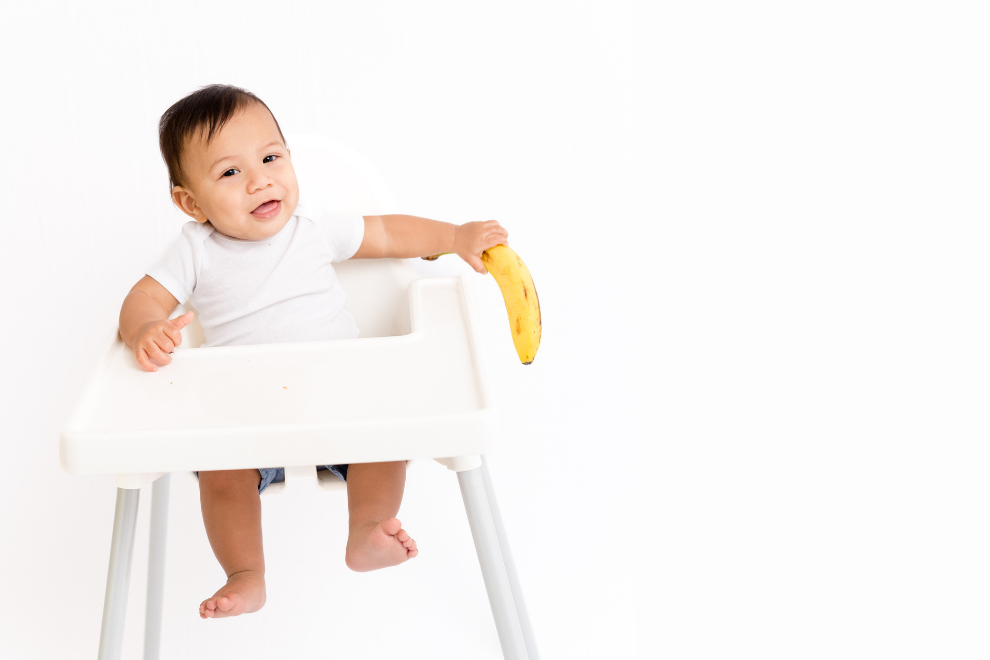
Why Do Babies Throw Food on the Floor? Here’s What You Need to Know You’ve just prepared a delicious meal for your baby, carefully chopped everything into bite-sized pieces, and placed it neatly on their highchair tray.
Then, before you can even blink, the food is on the floor. Frustrating, right? You might find yourself asking, “Why does my baby do this? Are they trying to drive me crazy? ” Here’s the thing: your baby isn’t throwing food to upset you.
In fact, this seemingly messy and maddening behavior is actually quite common—and completely normal. But understanding why they’re doing it can make all the difference in how you respond. If you’ve ever felt confused, annoyed, or even a little defeated watching your baby gleefully toss food onto the floor, keep reading. This article will uncover the surprising reasons behind this behavior, what it means for your baby’s development, and how you can handle it without losing your cool. Trust me—you’re not alone in this, and there’s more to this habit than meets the eye. Ready to get to the bottom of it? Let’s dive in.

Credit: www.tiktok.com
Curiosity And Exploration
Babies are natural explorers. Their world is full of new sights, sounds, and textures. Throwing food is one way they satisfy their endless curiosity. It’s not just about the mess; it’s about learning and discovery.
When babies throw food, they are experimenting. They want to see what happens next. The sound of food hitting the floor or the reaction it gets fascinates them. This action helps them understand cause and effect in a hands-on way.
Understanding Textures And Movements
Babies enjoy feeling different textures. Food provides a variety of sensations. Squishing a banana or tossing a cracker lets them explore these differences. They also notice how food moves when thrown. Watching it splatter or roll is a fun learning moment.
Testing Reactions
Throwing food often grabs attention. Babies love to see how parents respond. They might repeat the action to see if the reaction changes. This helps them learn about social interactions and communication.
Learning Through Cause And Effect
Babies learn that actions create results. Throwing food teaches them this concept. For example, tossing peas might make a sound or attract a pet. These small experiments help their brain grow and understand the world better.
Developing Motor Skills
Have you ever found yourself picking up food from the floor for the third time in five minutes, wondering why your baby insists on turning mealtime into a game of fetch? You’re not alone. Throwing food isn’t just a phase—it’s actually an important part of their development. One big reason behind this behavior is that your baby is honing their motor skills. Let’s break it down.
What Are Motor Skills?
Motor skills are how your baby learns to control their movements. These skills include everything from gripping objects to coordinating hand-eye movements. Throwing food may seem messy, but it’s helping your baby practice these abilities.
Imagine this: when your baby grabs a piece of banana and tosses it, they’re learning how their hand works and how much force is needed to make something move. It’s science in action—just on your kitchen floor.
Fine Motor Skills: The Small But Mighty Movements
Your baby’s tiny fingers are hard at work developing precision. Picking up food takes focus and practice. When they pinch a pea or grab a slice of carrot, they’re strengthening muscles and refining control. Throwing food is just an extension of this exploration.
Try giving your baby foods of different sizes and textures. Soft chunks of avocado or harder finger foods like steamed carrots give them a chance to experiment. You’ll notice their grip improving over time.
Gross Motor Skills: Big Movements, Big Learning
Throwing food also helps with gross motor skills, which involve larger movements. These include arm and hand coordination. When your baby hurls a spoon full of mashed potatoes across the room, they’re learning how their arm moves and how to aim.
Think of it as practice for bigger milestones like throwing a ball or using utensils. Every toss is teaching them control and coordination they’ll use later in life.
How You Can Encourage Healthy Motor Skill Development
You don’t have to stop the food-flinging entirely—it’s part of the learning process. But you can guide it in a productive way. Offer foods that are easy for them to grip, like soft fruits or small crackers. These make it easier for them to practice holding and moving objects.
Introduce bowls or plates with suction bases. These can help your baby learn to work around objects without the constant temptation to throw everything on the floor. Plus, it keeps some of the mess contained.
Is Throwing Food Really Necessary?
It might make you wonder: is this phase really that important? The short answer is yes. Throwing food gives your baby real-time feedback about movement, texture, and cause-and-effect. It’s messy, but it’s meaningful.
Instead of focusing on the clean-up, think about what your baby is learning. Each toss is a stepping stone toward mastering their motor skills. Wouldn’t you agree that’s worth a little extra sweeping?
So the next time your baby flings a meatball onto the floor, take a deep breath. They’re not trying to test your patience—they’re learning. Keep encouraging their curiosity, and don’t forget to laugh through the chaos.
Testing Boundaries
Babies often throw food as a way to explore their surroundings. This behavior helps them test boundaries and understand cause and effect. Through repetition, they learn how actions provoke reactions, shaping their early understanding of the world.
Babies throwing food on the floor can be puzzling. This behavior often stems from their curiosity. They are learning how the world works and testing limits. It’s not just about the food; it’s about cause and effect. They throw food and see how you react. This helps them understand social rules and boundaries.Understanding Cause And Effect
Babies are natural explorers. Dropping food lets them observe what happens next. Will it make a sound? Will someone pick it up? These actions help them learn how their world responds. Each toss is a small experiment in cause and effect. Throwing food is sometimes a way to grab your attention. Babies crave interaction and connection. If they notice you respond quickly, they may repeat the action. This teaches them how their behavior influences others.Exploring Independence
Babies are learning they can make choices. Throwing food gives them a sense of control. It’s their way of asserting independence during mealtime. This stage is an important part of their development.Learning Social Cues
Throwing food helps babies understand social rules. They watch how you respond and learn what is acceptable. Your reactions guide them in shaping their behavior. Over time, they begin to understand the do’s and don’ts of mealtime. `
Credit: momtomomnutrition.com
Seeking Attention
Ever noticed how your baby seems to have a radar for the exact moment when you’re busy or distracted? That’s often when food starts flying off the high chair. Babies are naturally drawn to your reactions, and sometimes tossing food is their way of saying, “Hey, look at me!”
What Does Your Reaction Teach Them?
Babies are quick learners, and your response matters. If you laugh, gasp, or immediately rush to pick up the food, they might see it as a game. Even a frustrated sigh can reinforce the behavior—after all, they got your attention.
Try staying calm and neutral when food hits the floor. Instead of reacting right away, take a moment before addressing it. This helps your baby understand that throwing food doesn’t guarantee the spotlight.
Are They Feeling Ignored?
Babies thrive on interaction and connection. If they sense you’re distracted—scrolling on your phone or chatting with someone else—they might throw food to pull you back in. It’s their way of saying, “Hey, remember me?”
Make mealtimes about bonding. Sit with your baby, make eye contact, and talk to them while they eat. Even a simple smile can reassure them they have your attention.
How Can You Redirect Their Energy?
If your baby’s food-flinging habit seems tied to seeking attention, give them positive outlets for connection. Clap when they manage to eat a bite on their own. Cheer them on as they try new textures or flavors.
You can also offer small tasks during mealtime, like letting them hold their spoon or “help” you wipe the table. These activities keep them engaged and feeling involved, reducing the urge to act out for attention.
Are You Setting Clear Boundaries?
Babies benefit from knowing what’s expected of them. If throwing food becomes a habit, gently but firmly let them know it’s not okay. Say something like, “Food stays on the tray,” and then show them what that looks like.
Consistency is key. If you sometimes let it slide and other times get upset, they’ll get mixed signals. Stick to clear and calm responses so they understand the rules.
What will you try first to address your baby’s food-throwing behavior? Remember, small changes in how you respond can make a big difference. Babies crave connection, and your attention is their favorite reward.
Reaction To Stress Or Overstimulation
Babies often throw food as a reaction to sensory overload or stress during mealtime. This behavior helps them express feelings they cannot yet explain. Overstimulation from textures, tastes, or surrounding noise can lead to this response, acting as a way to cope or regain control.
Babies throwing food on the floor can be puzzling and exhausting for parents. Sometimes, this behavior stems from stress or overstimulation. Understanding this connection can help caregivers address the issue effectively.What Does Stress Or Overstimulation Look Like In Babies?
Stress in babies often shows up as fussiness or sudden mood changes. Overstimulation can occur when there are too many noises, lights, or activities around them. Their small brains struggle to process everything at once, leading to frustration. Throwing food might be their way of expressing these feelings.Why Food Becomes Their Way Of Expressing Stress
Food is often within their reach during mealtime. Babies may not have the words to express frustration. Tossing food becomes an easy way to show discomfort. It grabs attention, allowing them to communicate their feelings without speaking.How Overstimulation During Mealtime Triggers Food Tossing
Mealtime can be overwhelming with new textures, smells, and tastes. Loud conversations or bright lights can add to the sensory overload. This overstimulation can push them to act out by throwing food. They might feel overwhelmed and use this behavior as a release.How Parents Can Help Babies Manage Stress
Create a calm environment during meals. Reduce noise, dim harsh lights, and keep distractions minimal. Babies feel more secure in relaxed settings. This can lower their stress levels and decrease food-tossing episodes.Recognizing Signs Before Stress Escalates
Watch for signs like rubbing eyes, whining, or turning their head away. These can indicate they are nearing their limit. Acting early can prevent overstimulation and reduce their urge to throw food.Building Patience Through Understanding
Throwing food can test your patience, but it’s often not intentional. Babies are still learning to handle emotions and environments. Respond with calmness to help them feel safe and supported.
Credit: www.yeahbabygoods.com
Tips To Redirect The Behavior
Let’s face it—babies throwing food on the floor can turn mealtime into a frustrating mess. But here’s the thing: it’s not just about making a mess; it’s how babies learn and explore their world. The good news is, there are ways to redirect this behavior without losing your cool or turning every meal into a battle.
1.Offer Smaller PortionsBabies can feel overwhelmed when their plate is piled high with food. Start small—give them just a few pieces of food at a time. This reduces the temptation to toss it away just to “clear the space.”
If they finish what’s on their plate, you can always add more. This also helps you waste less food in case it does end up on the floor.
2.Introduce a No-Throw ZoneSet clear expectations by designating a specific place for unwanted food. For instance, teach them to place food they don’t want on the edge of the plate or in a small bowl.
Make it fun by saying, “Food stays on the plate!” and showing them what you mean. Repetition is key, so be consistent every mealtime.
3.Engage Their CuriositySometimes, babies throw food because they’re bored or curious about what happens when it falls. Keep their hands busy by offering safe, age-appropriate utensils or finger foods in interesting shapes.
For example, try giving them a baby spoon to practice scooping or foods like soft carrot sticks they can hold and explore. When their curiosity is satisfied, they’re less likely to toss their food out of sheer boredom.
4.Make Mealtime InteractiveTurn mealtime into a bonding activity rather than just feeding time. Narrate what you’re doing, like, “This is a piece of banana. Let’s taste it together!”
When you’re engaged, they feel included and less likely to “entertain” themselves by throwing food. It also encourages a positive association with eating.
5.Stay Calm and RedirectIt’s easy to get frustrated when food hits the floor. But reacting with anger can make it a game for your baby. Instead, calmly say, “Food stays on the plate,” and pick it up without making a big deal out of it.
Babies thrive on consistency. The calmer and more predictable your response, the faster they’ll learn.
6.Understand Their Hunger CuesBabies often throw food when they’re full or not interested in eating. Pay attention to their hunger signals—if they’re pushing food away or getting restless, they might be done.
Wrap up the meal when they seem satisfied, even if there’s still food left. It’s better to stop early than to let frustration build for both of you.
7.Model Good Mealtime BehaviorYour baby watches everything you do. If you handle your food calmly and keep it on your plate, they’re more likely to mimic you.
Eat together as often as you can. Your actions speak louder than words when it comes to teaching behavior.
By trying these tips, you’ll not only save yourself some cleanup time but also help your baby build healthier mealtime habits. What strategies have worked for you? Share your experiences in the comments below!
Frequently Asked Questions
How Do I Stop My Baby From Throwing Food On The Floor?
Offer small portions and remove the plate if food is thrown. Use a calm, firm tone to discourage it. Encourage positive behavior with praise when they eat properly. Keep mealtimes structured and avoid distractions. Stay patient, as this phase is normal and will pass with consistency.
At What Age Do Babies Stop Throwing Food?
Babies typically stop throwing food between 18-24 months as their motor skills and understanding of mealtime improve.
Do Autistic Babies Throw Food?
Yes, autistic babies may throw food, but this behavior is not exclusive to autism. It can stem from sensory sensitivities, communication challenges, or exploration of their environment. Understanding the cause helps address the behavior effectively. Always consult a professional for personalized guidance.
Why Do Babies Keep Throwing Things On The Floor?
Babies throw things to explore cause-and-effect, improve motor skills, and grab attention. It’s a natural developmental behavior.
Conclusion
Babies throwing food is a normal part of their development. It helps them explore textures, practice motor skills, and learn cause and effect. While it can feel frustrating, patience is key during this phase. Stay calm and consistent when handling these situations.
Offer gentle guidance to help them understand mealtime behavior. Over time, they will improve as they grow and learn. Remember, this phase doesn’t last forever. Focus on creating positive mealtime experiences. Your baby is learning and discovering the world, one messy meal at a time.