As a parent, your baby’s health is your top priority. You want every bite they take to be packed with nutrition and free of anything harmful.
But here’s the unsettling truth: some baby foods contain trace amounts of heavy metals like lead, arsenic, and mercury. It’s enough to make you question every jar, pouch, or homemade puree. The good news? Not all baby foods are created equal.
Some brands and options are much safer than others, giving you peace of mind when feeding your little one. So, how do you know which baby foods have the least heavy metals? That’s exactly what we’re uncovering today. Stick with us, and we’ll guide you through what to look for, what to avoid, and how to make smarter choices for your baby’s meals. You’ll feel more confident about what’s on their spoon—and in their belly—by the end of this. Ready to dive in? Let’s get started.
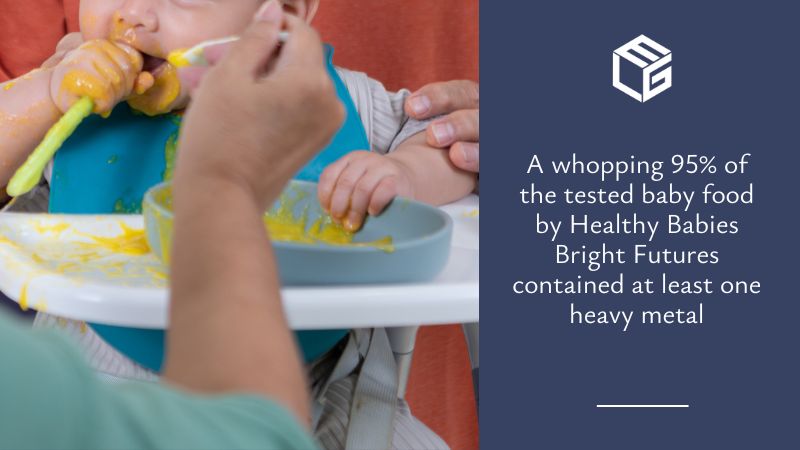
Credit: www.elglaw.com
Heavy Metals In Baby Foods
Parents often trust baby food brands to provide safe nutrition for their children. Yet, studies have found some baby foods contain heavy metals like arsenic, lead, cadmium, and mercury. These metals can harm a baby’s development even at low levels. Understanding the presence of heavy metals in baby foods is essential for making safer choices.
What Are Heavy Metals?
Heavy metals are naturally occurring elements found in soil, water, and air. They can enter the food supply through crops grown in contaminated soil or water. Some metals, like iron and zinc, are essential nutrients. Others, such as lead and arsenic, are toxic and should be avoided.
Why Are Heavy Metals Dangerous For Babies?
Babies are more vulnerable to heavy metals due to their small size and rapid growth. Even tiny amounts can affect brain development and lead to learning difficulties. Long-term exposure may also increase the risk of chronic health issues.
How Do Heavy Metals Get Into Baby Foods?
Heavy metals can enter baby foods during farming, processing, or packaging. Crops like rice or sweet potatoes naturally absorb more metals from the soil. Manufacturing processes may also introduce contaminants, increasing the risk of exposure.
Which Ingredients Are More Likely To Contain Heavy Metals?
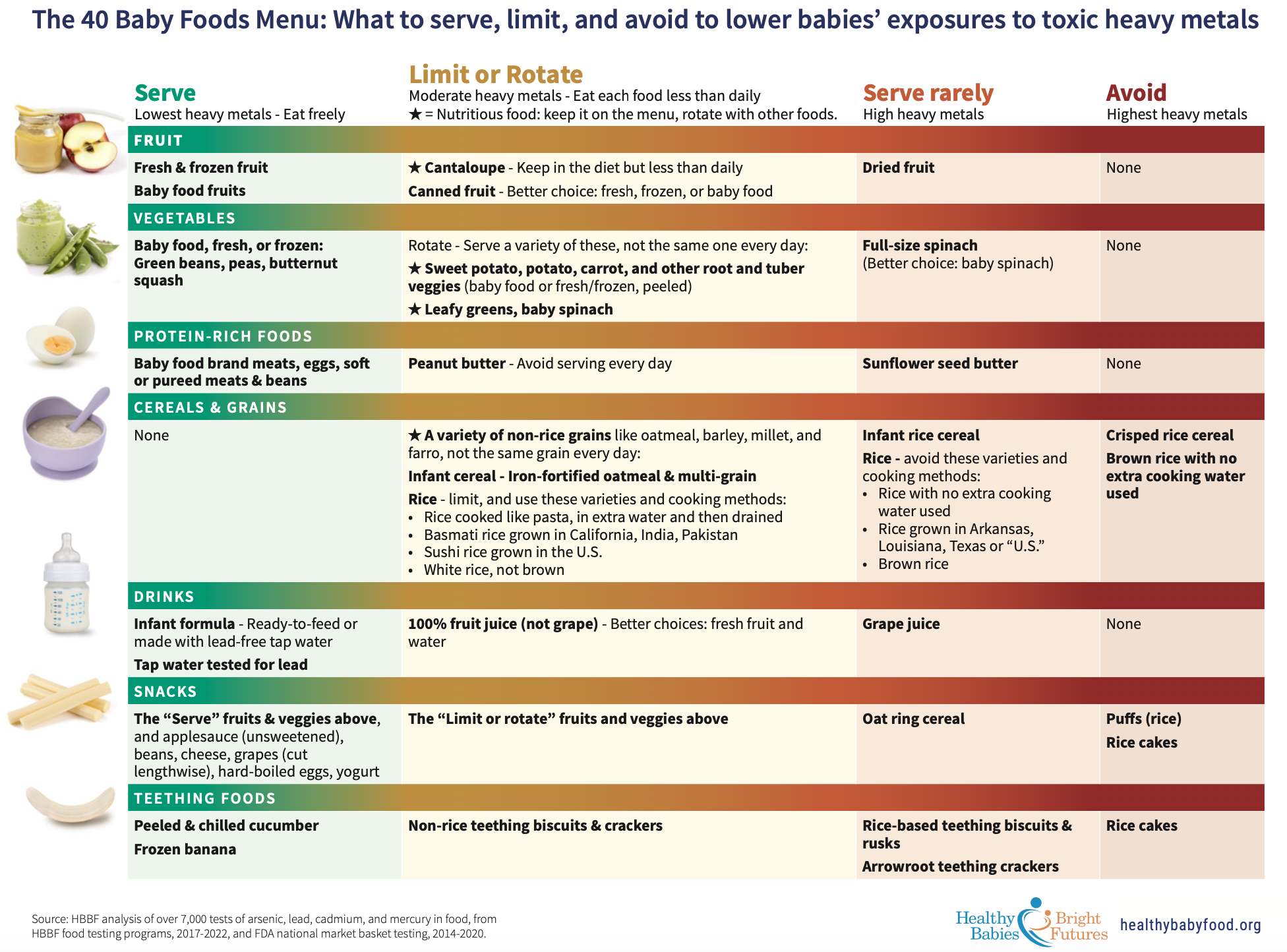
Rice-based foods, fruit juices, and root vegetables often contain higher metal levels. Rice absorbs arsenic from the soil, while root vegetables like carrots absorb metals from underground. Some fruit juices may also contain lead due to contaminated water or soil.
Common Sources Of Contamination
Understanding the sources of contamination in baby food is essential. Heavy metals like lead, cadmium, mercury, and arsenic can harm a baby’s health. These harmful substances often make their way into baby food through various channels. Identifying these sources helps parents make safer choices.
Environmental Pollution
Heavy metals in soil and water contaminate crops grown for baby food. Industrial activities release these metals into the environment, affecting nearby farming areas. Even organic produce can absorb heavy metals from polluted soil.
Packaging Materials
Some baby food packaging contains materials that leach heavy metals. Poor-quality containers can transfer harmful substances during storage. Ensuring food is packed in safe, certified materials reduces this risk.
Ingredients In Baby Food
Certain foods naturally contain more heavy metals than others. Rice-based products often have higher arsenic levels due to soil absorption. Root vegetables may accumulate heavy metals from the ground over time.
Manufacturing Processes
Heavy metals can enter baby food during processing. Equipment used in factories may contribute to contamination. Poor-quality control can allow unsafe levels of metals in the final product.
Water Contamination
Water used in food production is another contamination source. Polluted water can contain harmful levels of mercury or lead. Testing water quality before use ensures safer food preparation.
Brands With Safer Options
As a parent, you want to feed your baby the safest, most nutritious foods possible. But with concerns about heavy metals in baby foods, choosing the right brand can feel overwhelming. Thankfully, some companies have prioritized safety and transparency, making it easier for you to find safer options for your little one.
Brands That Are Transparent About Ingredients
Transparency is key when it comes to trusting a baby food brand. Some companies, like Once Upon a Farmand Serenity Kids, clearly label their ingredients and sourcing practices. They even test their products for heavy metals and share those results publicly.
When you see a brand openly sharing this kind of information, it shows they’re committed to your baby’s health. Look for brands that go beyond marketing buzzwords and provide detailed sourcing and testing data.
Organic Doesn’t Always Mean Safer
Many parents automatically assume organic baby food is safer. While organic options like Earth’s Bestand Happy Baby Organicsoften contain fewer pesticides, organic doesn’t guarantee low heavy metal levels. Heavy metals can still come from the soil where crops are grown, even for organic foods.
To minimize risks, choose brands that test for heavy metals in addition to being organic. Double-check labels or the company’s website for this information.
Small, Trusted Brands Vs. Big Names
Sometimes smaller, niche brands take extra care in how they source and test their ingredients. Brands like Little Spoonand Yumihave gained popularity for their commitment to safety and minimal processing. Their smaller scale allows for more control over quality and sourcing.
Big-name brands like Gerberand Beech-Nuthave made efforts to address heavy metal concerns, but smaller companies often offer added reassurance. Could a lesser-known brand actually deliver better safety for your baby?
Homemade Baby Food: Is It Safer?
Some parents turn to homemade baby food to avoid heavy metals in store-bought options. While this gives you control over ingredients, it doesn’t eliminate the risk. Heavy metals can still be present in the fruits and vegetables you buy, especially if they’re grown in contaminated soil.
If you’re making baby food at home, opt for produce from trusted sources and consider testing your soil if you’re growing your own. Simple steps like peeling carrots and sweet potatoes can also help reduce heavy metal levels.
How To Choose The Right Brand For You
Every family’s priorities are different. Some parents value convenience, while others focus on ingredient quality or testing transparency. Think about what matters most to you and your baby.
Start by researching a few brands that align with your values. Read reviews, check for testing results, and don’t hesitate to reach out to the company with questions. Your peace of mind is worth it.
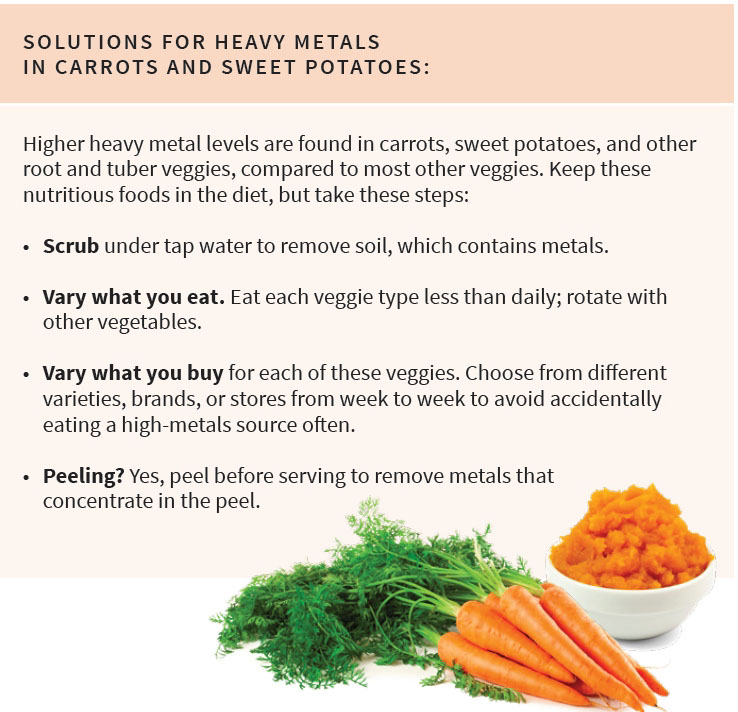
Credit: healthychildrenproject.org
Ingredients To Prioritize
Choosing baby foods with the least heavy metals starts with smart ingredient choices. Some ingredients naturally contain fewer heavy metals, making them safer for your baby. Prioritizing these ingredients helps reduce your baby’s exposure to harmful toxins.
Below, we’ve highlighted the key ingredients to focus on. These options are not only safer but also packed with essential nutrients for your baby’s growth.
Whole Grains Over Rice
Rice-based foods can contain higher levels of arsenic. Instead, choose grains like oats, quinoa, or barley. These grains are nutrient-rich and have less risk of heavy metal contamination.
Whole grains also provide fiber, aiding digestion and promoting a healthy gut. They are a better alternative for your baby’s meals and snacks.
Fresh Fruits And Vegetables
Fresh produce is a great choice for baby food. Opt for ingredients like apples, bananas, zucchini, or green beans. These options typically have lower heavy metal levels.
Avoid root vegetables like carrots and sweet potatoes in excess. They can absorb more heavy metals from soil.
Lean Proteins
Choose lean proteins like chicken, turkey, or beans. These proteins are nutritious and tend to have minimal heavy metal contamination.
Avoid fish high in mercury, such as tuna or swordfish. Instead, opt for low-mercury options like salmon or cod.
Organic Options
Organic baby food ingredients often have lower pesticide exposure. While organic does not guarantee zero heavy metals, it’s a safer choice.
Focus on organic whole foods like fruits, vegetables, and grains. These are less likely to contain harmful contaminants.
Homemade Baby Food Benefits
Have you ever wondered what’s truly in your baby’s food? Making baby food at home gives you full control over the ingredients. It’s a simple step that can reduce exposure to heavy metals and ensure your little one gets the healthiest start possible.
Why Homemade Baby Food Stands Out
Store-bought baby food often contains trace amounts of heavy metals like lead and arsenic. Homemade baby food eliminates that risk by allowing you to choose fresh, organic produce. You’re bypassing the unknown processing methods and questionable additives in packaged options.
Use Fresh Ingredients
When you make baby food at home, you can select locally-sourced or organic fruits and vegetables. For example, carrots, sweet potatoes, and peas are great options. Washing them thoroughly and peeling them ensures you’re removing any potential contaminants.
No Hidden Additives
Did you know some commercial baby foods may contain preservatives or fillers? Homemade food avoids these extras entirely. You’re serving your baby whole, nutrient-rich meals without the fluff.
Simple Equipment, Big Results
You don’t need fancy gadgets to make homemade baby food. A blender, steamer, or even a fork can get the job done. Quick steaming or boiling keeps nutrients intact while softening the food for easy blending.
Cost-effective And Customizable
Making baby food yourself can save you money. A bag of fresh apples can yield several servings of puree compared to buying individual jars. Plus, you can tailor the flavors and textures to your baby’s preferences as they grow.
Peace Of Mind
Isn’t it reassuring to know exactly what your baby is eating? Homemade baby food lets you avoid potential contaminants and provide meals you trust. You’re actively taking steps to protect your baby’s health every time you prepare a meal.
What’s stopping you from trying homemade baby food? It’s healthier, cost-effective, and surprisingly simple. Start with a single recipe today—your baby will thank you for it!
Tips For Reducing Exposure
Parents often worry about heavy metals in baby food. These metals, such as arsenic, lead, cadmium, and mercury, can harm a child’s development. Reducing exposure to these metals can help keep your baby safe. Below are practical tips to minimize heavy metal intake through baby food choices.
Choose Single-ingredient Foods
Single-ingredient baby foods are less likely to contain heavy metals. Opt for foods like plain sweet potatoes, carrots, or peas. These foods are simple and have fewer chances of contamination. Avoid mixed blends unless you know all the ingredients are safe.
Vary Your Baby’s Diet
Rotating foods reduces exposure to heavy metals from one source. No single food should dominate your baby’s meals. For example, alternate between rice, oats, and barley cereals. This variety spreads out potential risks from any one food.
Opt For Whole Or Fresh Foods
Fresh fruits and vegetables often have lower levels of heavy metals. Choose fresh or frozen over processed baby food jars or pouches. Wash all produce thoroughly to remove soil or pesticide residues.
Limit Rice-based Products
Rice often contains more arsenic than other grains. Limit products like rice cereals, puffs, or snacks. Choose alternatives like oatmeal, quinoa, or barley. These grains are less likely to contain harmful metals.
Use Filtered Water
Tap water may contain lead or other contaminants. Use filtered water for formula or cooking baby food. Check your water source for safety reports to ensure it’s clean.
Avoid Fruit Juice
Fruit juice can contain heavy metals like lead and arsenic. Skip juice and give your baby water or breast milk. Whole fruits are a safer and more nutritious option.
Read Labels Carefully
Labels can help you identify products with fewer additives. Choose brands that test for heavy metals in their products. Look for certifications or statements about safety testing.
Prepare Baby Food At Home
Homemade baby food gives you control over ingredients. Use fresh, organic produce and cook it yourself. Avoid adding salt, sugar, or processed ingredients to keep it pure.
Credit: www.cnn.com
Frequently Asked Questions
What Is The Cleanest Baby Food Brand?
Yumi is considered one of the cleanest baby food brands. It offers organic, fresh, non-GMO, and nutrient-packed options for babies.
Is Gerber High In Heavy Metals?
Gerber baby food has faced concerns over heavy metal levels. Some tests found traces, but Gerber claims its products meet safety standards.
How To Avoid Heavy Metal Toxicity In Babies?
To avoid heavy metal toxicity in babies, provide organic foods, avoid contaminated water, and choose safe cookware. Limit exposure to processed baby foods and test for lead in your home. Regularly clean toys and surfaces to reduce potential contamination. Always consult a pediatrician for guidance on reducing heavy metal risks.
Which Baby Foods Should I Avoid?
Avoid honey, unpasteurized dairy, undercooked eggs, raw fish, added sugar, high-sodium foods, and choking hazards like whole nuts or grapes.
Conclusion
Choosing baby foods with fewer heavy metals is vital for your child’s health. Always check labels and opt for trusted, high-quality brands. Preparing fresh meals at home can also reduce risks. Focus on a variety of fruits, vegetables, and grains.
Avoid over-reliance on rice-based products, which often contain more heavy metals. Small changes in diet can make a big difference over time. Be mindful and informed while making food choices for your baby. A balanced approach helps support healthy growth and development.
Your awareness today ensures a safer tomorrow for your little one.