When is the Best Time for Baby to Eat Solid Food? As a parent, you want the best for your baby at every stage of their growth.
But when it comes to introducing solid foods, it’s easy to feel overwhelmed. Is your baby ready? Are you starting too soon—or waiting too long? The truth is, timing matters, and getting it right can make a big difference in how your little one adjusts to this exciting new chapter.
You’re not alone in wondering about the perfect time to make this transition. Every baby is different, and knowing the signs to watch for can help you feel confident in your decision. By the end of this article, you’ll have a clear understanding of when to introduce solids, why timing is important, and how to make the experience enjoyable for both you and your baby. Stay with me—you’ll discover simple, practical tips that take the guesswork out of this milestone. Let’s dive in!

Credit: www.whattoexpect.com
Signs Your Baby Is Ready
Introducing solid foods is an exciting milestone in your baby’s development. But how can you tell if your baby is ready? Babies develop at their own pace, and there are key signs to watch for. These signs help ensure your baby is prepared for this new experience. Recognizing these cues can make the transition to solids smoother and safer for your little one. Below are the most common signs to look for when determining readiness.
1. Your Baby Can Sit Up With Support
Your baby should be able to sit upright with minimal assistance. This helps them swallow food safely and stay steady in a high chair. Sitting up also shows that their muscles are strong enough for solid foods.
2. They Show Good Head And Neck Control
Strong head and neck control is a critical readiness sign. Your baby should be able to hold their head steady while seated. This control ensures they can swallow without choking or discomfort.
3. They Show Interest In Your Food
Babies often stare at or reach for your plate during meals. This curiosity about what you’re eating is a good indicator they may be ready. It shows they want to explore new tastes and textures.
4. They No Longer Have The Tongue Thrust Reflex
The tongue thrust reflex helps babies push objects out of their mouths. Around 4-6 months, this reflex begins to fade, signaling readiness for solids. If your baby still pushes food out, they may not be ready yet.
5. They Seem Hungrier Than Usual
If your baby seems unsatisfied with milk or formula alone, they might need more nutrients. Signs of increased hunger include shorter feeding intervals or waking up more often at night. This could mean they’re ready to try solids.
6. They Can Pick Up And Bring Objects To Their Mouth
Hand-to-mouth coordination is another clear sign of readiness. If your baby can grab a toy or spoon and bring it to their mouth, they may be ready for self-feeding. This skill is important for exploring solid food textures.
Recommended Age Milestones
Introducing solid food is an exciting milestone for both parents and babies. Knowing the right age can make this transition smoother and healthier. Experts suggest starting solids based on your baby’s development and readiness. Milestones help guide parents in deciding the best time to introduce new textures and flavors.
Each baby develops differently, but there are general guidelines to follow. Watching for signs of readiness can ensure your baby starts solids at the right time. Here are key milestones to consider.
6 Months: The Ideal Starting Point
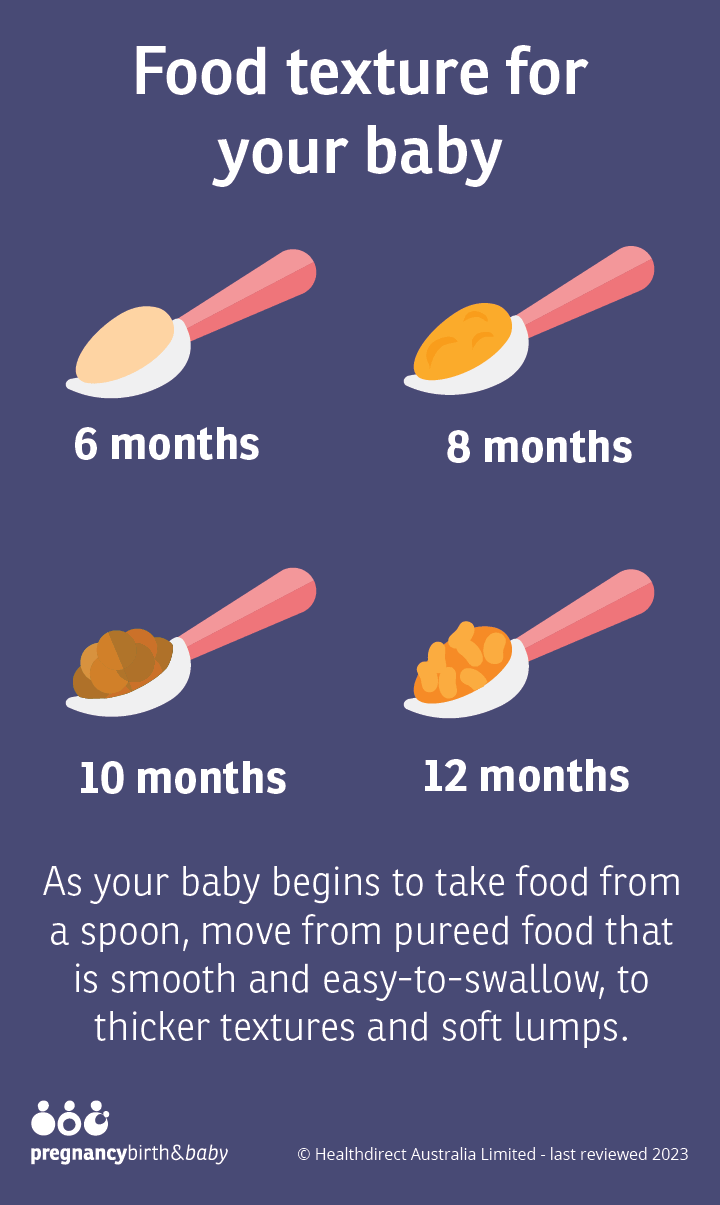
Most babies are ready for solids at around six months. By this age, their digestive system is more developed to handle solid food. Breastmilk or formula should remain their primary source of nutrition. Solids are introduced to complement, not replace, milk feedings.
Start with smooth, single-ingredient foods like mashed fruits or vegetables. These foods are gentle on their stomach and help identify allergies. Offer small amounts once a day and watch for acceptance or rejection.
Signs Of Readiness Before 6 Months
Some babies show readiness for solids slightly earlier. Look for cues like good head control and sitting up with minimal support. Increased interest in food is another common sign. Babies may reach for your plate or open their mouths during family meals.
Avoid starting solids before four months, as their bodies are not ready. Early introduction can increase the risk of allergies or digestive issues.
7-8 Months: Exploring New Textures
By seven to eight months, babies can handle thicker textures. You can introduce soft finger foods like banana slices or steamed carrots. This age is perfect for encouraging self-feeding skills. Encourage your baby to explore food with their hands and mouth.
Remember to offer a variety of flavors to expand their palate. Avoid salt, sugar, or highly processed foods. Focus on fresh, nutrient-rich options to support healthy growth.
9-12 Months: Transitioning To Family Foods
At nine to twelve months, babies can eat a wider range of foods. They should be eating three small solid meals daily, along with breastmilk or formula. Small portions of family meals can be adapted for your baby’s needs.
This is the time to introduce protein-rich foods like lentils, eggs, or soft meats. Ensure food is cut into bite-sized pieces to prevent choking. Babies can also start using utensils for practice during mealtimes.
First Foods To Introduce
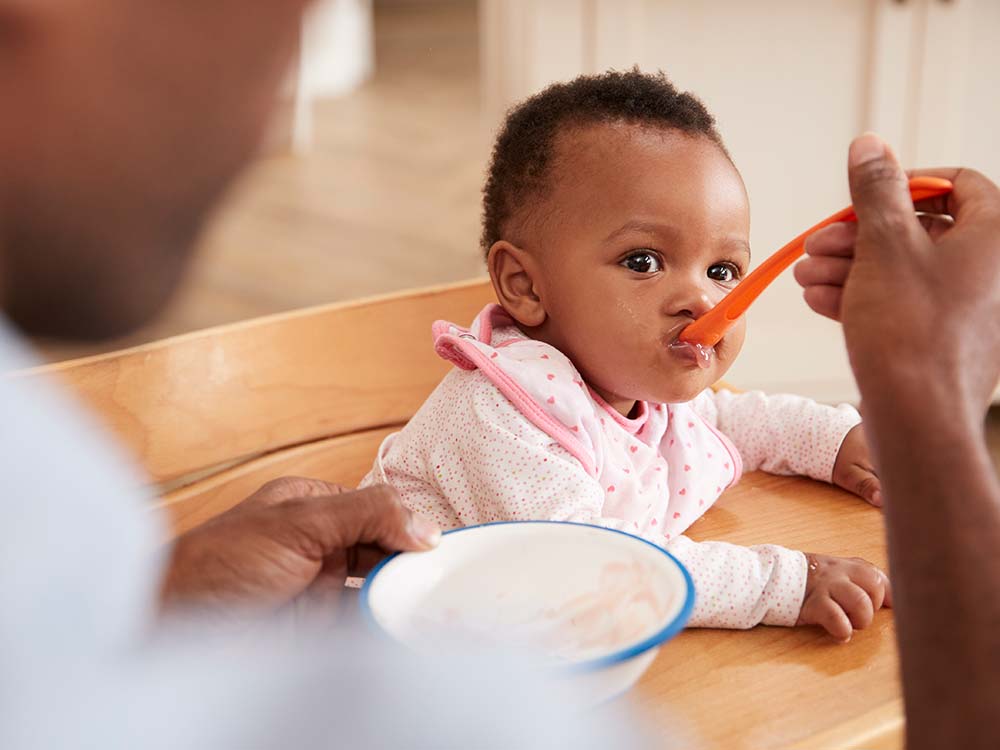
Introducing solid foods to your baby is an exciting milestone. But knowing which foods to start with can feel overwhelming. You want to provide safe, nutritious options that will also delight their tiny taste buds. Let’s break it down step by step, so you feel confident when the time comes.
What Are The Best First Foods?
Simple, single-ingredient foods are the best place to start. Think mashed bananas, cooked and pureed carrots, or smooth sweet potato. These foods are easy to digest and less likely to trigger allergies.
Start with foods that are naturally soft or can be easily mashed. Over time, you can introduce more textures, but in the beginning, smooth is key. This helps your baby get used to the sensation of eating without frustration.
Should You Start With Fruits Or Vegetables?
There’s a lot of debate about whether fruits or vegetables should come first. Some parents worry starting with sweet fruits might make veggies less appealing later. But there’s no hard evidence to support this idea—so don’t stress too much.
If you’re unsure, alternate between the two. Offer mashed avocado one day and pureed pear the next. This approach keeps things balanced and introduces a variety of flavors early on.
How Much Should You Offer?
In the beginning, a tablespoon or two is plenty. Your baby is just learning, so eating solids at this stage is more about practice than nutrition. Breast milk or formula will remain their main source of nutrients for a while.
Watch your baby’s cues. If they turn their head away or push the spoon out with their tongue, they might be full—or just not ready. Trust their signals and try again another time.
Is Homemade Better Than Store-bought?
Both homemade and store-bought purees have their benefits. Homemade lets you control ingredients and try fresh, seasonal produce. On the other hand, store-bought can be a lifesaver on busy days.
If you go the homemade route, make small batches and freeze them in ice cube trays. This way, you can thaw just the right amount for each meal without waste.
When Should You Introduce Allergens?
It’s now recommended to introduce common allergens—like peanuts, eggs, and dairy—early, usually around 6 months. Studies show this can reduce the risk of developing allergies. But always check with your pediatrician first if you have concerns.
Start small. For example, mix a tiny amount of peanut butter with breast milk or formula. Gradually increase the portion as your baby tolerates it.
What foods are you most excited to try with your baby? Share your thoughts below, and let’s celebrate this new chapter together!
Credit: raisingchildren.net.au
Common Mistakes To Avoid
Starting solid foods is an exciting milestone for your baby. Yet, many parents unknowingly make mistakes during this transition. These errors can affect your baby’s nutrition and eating habits. Being aware of these common pitfalls can make this journey easier and healthier.
1. Starting Solids Too Early
Introducing solids before your baby is ready can be harmful. Babies younger than 4 months have immature digestive systems. This can lead to tummy troubles and food allergies. Watch for signs of readiness, such as sitting up or showing interest in food.
2. Waiting Too Long To Start
Delaying solids beyond 6 months may cause nutritional deficiencies. Iron and zinc levels drop after 6 months in breastfed babies. Starting solids on time ensures your baby gets the nutrients they need. It also helps them develop chewing and swallowing skills.
3. Offering Only Purees For Too Long
Sticking to purees for too long can delay chewing skills. By 9 months, babies should try soft finger foods. This helps them explore textures and practice self-feeding. Introducing variety early promotes a positive relationship with food.
4. Skipping Allergens Completely
Avoiding allergenic foods can increase the risk of food allergies. Foods like peanuts and eggs should be introduced early in small amounts. This helps babies build tolerance. Always consult your pediatrician before introducing allergens.
5. Adding Salt Or Sugar
Babies’ kidneys cannot process added salt. Sugar can harm developing teeth. Offer natural, unseasoned foods to build healthy eating habits. Fruits, vegetables, and plain cereals are great choices.
6. Overfeeding Or Underfeeding
Overfeeding can lead to weight issues. Underfeeding may cause poor growth. Pay attention to your baby’s hunger and fullness cues. Let them guide how much they eat during meals.
7. Rushing The Process
Every baby learns at their own pace. Forcing them to eat solids can create stress. Be patient as they explore new tastes and textures. Turn mealtime into a fun and relaxed experience.
How To Create A Feeding Schedule
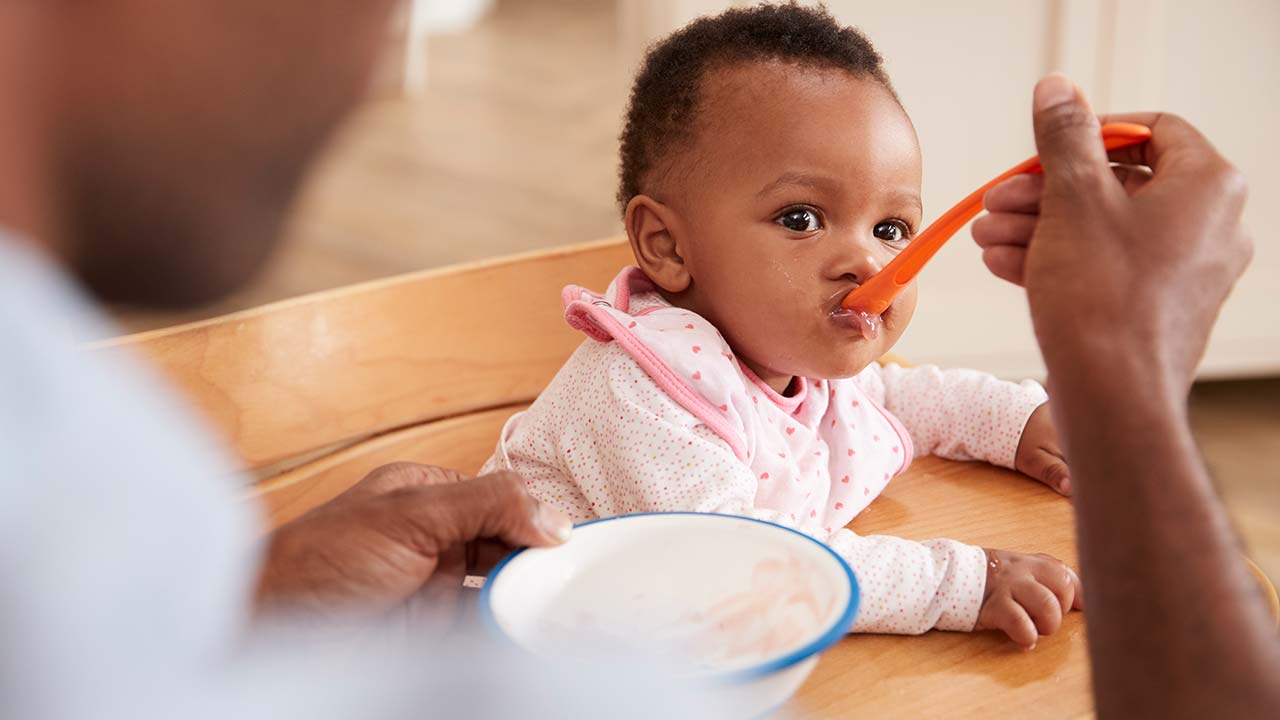
Creating a feeding schedule for your baby can feel like a big task, but it’s simpler than you think. A well-thought-out plan can help you introduce solid foods at the right times while making mealtimes enjoyable for your little one. Let’s break it down and get practical!
Establish A Routine That Fits Your Day
Your baby thrives on consistency, so aim to create a feeding schedule that aligns with your daily rhythm. Think about when your baby is most alert and happy. Many parents find mid-morning or early afternoon works best because babies are less fussy then.
For example, you could start by offering solids after their morning bottle or breastfeeding session. This way, your baby isn’t overly hungry and cranky but still has room to try new foods.
Start With One Solid Meal Per Day
If you’re just introducing solids, keep it simple. Begin with one meal a day, like a small serving of mashed bananas or pureed sweet potatoes. This helps your baby get used to the new texture and taste.
Once your baby shows interest and adjusts, you can add a second meal, perhaps during lunch or dinner. Always pay attention to their cues—if they turn away or seem uninterested, it’s okay to pause and try again later.
Build Around Milk Or Formula Feedings
Milk or formula is still your baby’s main source of nutrition, so don’t replace these feedings yet. Instead, think of solid foods as an addition. For example, offer breastmilk or formula first, then follow up with solids about an hour later.
This ensures your baby gets the nutrients they need while exploring solids in a relaxed way. You might notice they eat more solids as time goes on, but don’t rush the transition.
Include Variety Without Overwhelming
You don’t need a fancy menu—simple foods are perfect for your baby’s first meals. Rotate between fruits, veggies, and grains to keep things interesting. For instance, try mashed avocado one day and pureed carrots the next.
Avoid giving too many options in a single meal, as this can be overwhelming. Stick to one or two items at a time, and let your baby explore the flavors without pressure.
Stay Flexible And Listen To Your Baby
Schedules are great, but your baby’s needs can change daily. Some days they might eat enthusiastically, while other days they prefer milk or formula. That’s completely normal.
Pay attention to their hunger signals, like reaching for food or opening their mouth when offered a spoon. Adjust the timing or frequency of meals as needed, keeping the experience positive and stress-free.
Track Progress To Spot Patterns
Write down what and when your baby eats for a few days. You’ll start noticing patterns—like which foods they enjoy or when they seem most interested in eating. This can help you tweak the schedule to match their preferences.
For instance, if evenings tend to be fussy for your baby, you might shift dinner to an earlier time or focus on lighter foods during that meal.
Creating a feeding schedule isn’t about perfection; it’s about finding what works for your baby and your family. Are you ready to give it a try?
Credit: raisingchildren.net.au
When To Consult A Pediatrician
Introducing solid foods to your baby is an exciting milestone, but it can also feel overwhelming. You might wonder if you’re starting too early or waiting too long. This is where your pediatrician becomes a key ally. Consulting a pediatrician ensures your baby’s transition to solids is safe, smooth, and timed perfectly for their individual needs.
What Signs Should You Watch For?
Every baby develops at their own pace, but certain signs suggest they may be ready for solid foods. If your baby can sit up with minimal support, has good head control, and shows interest in what you’re eating, they might be ready. However, if you’re unsure whether these cues are enough, it’s worth discussing with your pediatrician.
Sometimes, signs can be misleading. For instance, chewing on their fists or waking up at night doesn’t necessarily mean your baby is hungry for solids. A pediatrician can help you determine whether your baby’s behavior is tied to developmental milestones or a readiness for solid foods.
How Can A Pediatrician Help?
Not all babies are ready for solids at the same age. While many start around six months, some may need to wait longer due to medical or developmental reasons. Your pediatrician can evaluate your baby’s growth, digestion, and health to guide you on the right timing.
If your baby has allergies in the family, a pediatrician’s advice becomes even more valuable. They can recommend how to introduce allergenic foods like peanuts or eggs safely. You’ll feel more confident knowing you’re taking the right precautions.
What Questions Should You Ask?
Make the most of your pediatrician visit by preparing specific questions. Ask about the types of foods to start with and how much to offer. If you’re worried about choking, ask for tips on textures and portion sizes.
Don’t hesitate to bring up concerns about digestion, such as constipation or gas. Your pediatrician can offer solutions, like trying specific foods or adjusting feeding routines. Their advice will be tailored to your baby’s unique needs.
When Should You Reach Out Asap?
Some situations call for immediate pediatrician input. If your baby shows signs of an allergic reaction—like a rash, vomiting, or difficulty breathing—contact your doctor right away. Early intervention can prevent serious complications.
Similarly, if your baby refuses all solids for an extended period or isn’t gaining weight, it’s time to check in. Trust your instincts—if something feels off, your pediatrician is there to help.
Remember, you’re not expected to have all the answers. Your pediatrician’s guidance ensures your baby’s journey into solid foods is safe, enjoyable, and tailored to their individual needs. What questions will you ask on your next visit?
Frequently Asked Questions
What Time Of Day Should I Give My Baby Solid Food?
Offer solid food when your baby is calm, alert, and not overly hungry or tired. Mid-morning or lunchtime works well.
When Should A Baby Take Solid Food?
Babies can start eating solid foods at around 6 months of age. Begin with soft, mashed foods like fruits and vegetables. Gradually introduce a variety of nutrient-rich options while ensuring they are age-appropriate and easy to swallow. Always consult a pediatrician before introducing solids to ensure your baby’s readiness.
Can I Feed My Baby Solids At 4 Months?
Babies can start solids at 4 months if recommended by a pediatrician. Breast milk or formula remains their main nutrition.
When To Switch From Purees To Solids?
Switch to solids around 6 months when your baby shows readiness, like sitting up and showing interest in food.
Conclusion
Starting solids is a key step in your baby’s growth journey. Timing matters, so watch for readiness signs like sitting up or interest in food. Every baby is unique, so go at their pace. Begin with simple, soft foods to make the transition smoother.
Always consult your pediatrician for personalized advice. Remember, patience is crucial as your little one explores new tastes and textures. With care and attention, this stage can be a joyful experience. Celebrate each small milestone and enjoy this special time together.
Your baby’s health and happiness are the ultimate goal.