As a parent or caregiver, you want the very best for your baby, especially when it comes to their health and nutrition. Starting solids is an exciting milestone, but it can also feel overwhelming.
With so many options and opinions out there, how do you know what’s safe for your little one to eat? The truth is, some foods that seem harmless could actually put your baby at risk. You might already know a few of the basics, but are you sure you’ve covered everything?
Missing just one detail could lead to discomfort, allergies, or even serious health issues for your baby. That’s why it’s so important to get this right. We’ll walk you through the foods you should absolutely avoid giving to your baby—and explain why. Stick with us, and you’ll feel confident knowing your little one is safe, healthy, and happy at mealtime.
Honey And Botulism Risk
Honey may seem harmless, but it poses serious risks for babies. It can contain bacteria called Clostridium botulinum, which can cause botulism. This rare but dangerous illness affects infants under 12 months old. Their immature digestive systems cannot fight these bacteria effectively. To keep your baby safe, avoid giving them honey entirely during their first year.
What Is Botulism?
Botulism is a severe illness caused by harmful bacterial toxins. These toxins attack the nervous system and can cause muscle weakness. In infants, it may lead to difficulty breathing, feeding, or moving. The bacteria producing these toxins thrive in low-oxygen environments, like honey.
Why Are Babies More Vulnerable?
Babies’ digestive systems are not fully developed in their first year. They lack the gut bacteria needed to fight harmful microbes. This makes them more likely to develop botulism if exposed to Clostridium botulinum. Older children and adults can usually handle these bacteria without getting sick.
Is Processed Honey Safe For Babies?
All types of honey, including raw and processed, carry botulism risks. Pasteurization kills many bacteria, but Clostridium botulinum spores can survive. Even small traces in honey can harm a baby. Avoid offering honey in any form to infants under 12 months old.
Foods That May Contain Hidden Honey
Some processed foods use honey as a sweetener. Examples include baked goods, cereals, and snacks. Always check food labels carefully before feeding your baby. Avoid products containing honey to reduce the risk of botulism.
Recognizing Symptoms Of Infant Botulism
Early signs of botulism in babies include constipation and weak crying. Other symptoms may include poor feeding, droopy eyelids, or difficulty breathing. If you notice these signs, seek medical attention immediately. Early treatment can prevent complications and aid recovery.
Credit: health.clevelandclinic.org
Choking Hazards To Avoid
When babies start eating solid food, their curiosity is endless. But not every food is safe for them. Some foods can pose serious choking risks, and knowing what to avoid can protect your little one during mealtime.
Hard Foods That Are Difficult To Chew
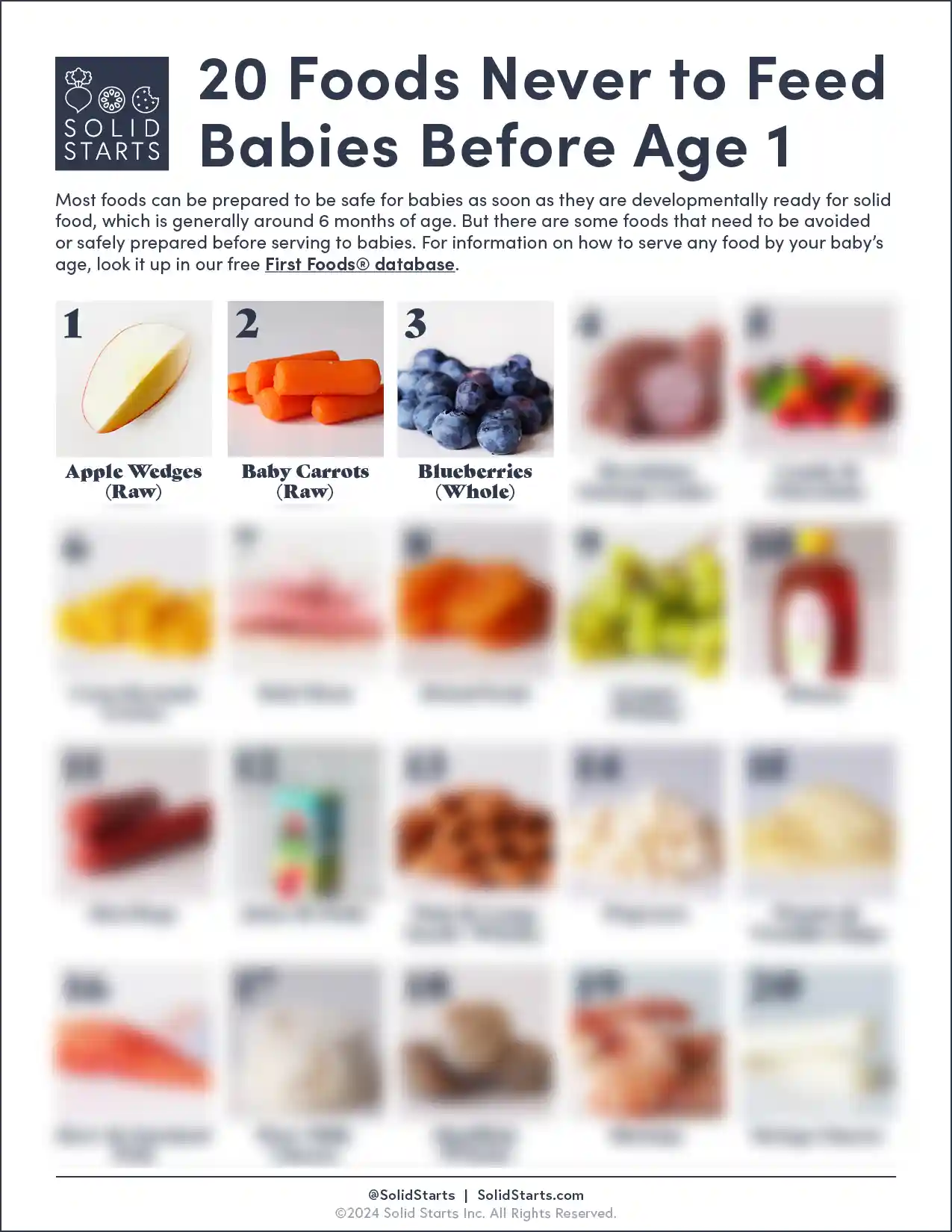
Babies don’t have the teeth or the chewing ability to handle hard foods. Foods like nuts, raw carrots, and whole grapes can get stuck in their throat. Cutting foods into small pieces or cooking them until soft is a safer option.
Think about this: would you hand a baby a whole apple? It’s easy to overlook, but even something as common as an apple slice can be risky unless it’s cut into tiny, manageable bits.
Sticky Foods That Can Block Airways
Sticky foods can be surprisingly dangerous. Peanut butter served in a thick glob can get stuck in a baby’s throat. Similarly, marshmallows can form a sticky mass that’s hard for little ones to swallow.
Try spreading peanut butter thinly on bread or mixing it into oatmeal. These small adjustments make a big difference and reduce choking risks.
Foods Shaped Like Coins Or Cylinders
Foods with a round or cylindrical shape can slip into the airway easily. Think hot dog slices, cherry tomatoes, or grapes. These shapes are particularly risky because they can perfectly block a baby’s small airway.
Cut these foods into quarters or mash them to make them safer. A little prep work can save you from a lot of worry.
Foods That Crumble Easily
Crumbly foods like chips or crackers can break into pieces that babies might inhale while eating. These fragments can get stuck and create a choking hazard.
Offer softer snacks instead, such as cooked sweet potato chunks or banana slices. These options are not only safer but also easy for babies to handle.
Chewy Foods That Require Strong Jaw Movement
Babies struggle with chewy foods like gummies, dried fruits, or tough meat. These require more jaw strength and control than they currently have, making them dangerous.
Consider swapping chewy foods for softer alternatives like finely shredded chicken or mashed fruits. It’s all about providing textures they can manage.
Have you ever caught yourself wondering, “Is this too big or too sticky for my baby?” Trust your instincts and take those extra few minutes to prep their meals. It’s worth it.
Cow’s Milk Before One Year
Parents often wonder what foods are safe for their babies. Cow’s milk is one of the most common foods parents ask about. Experts advise against giving cow’s milk to babies under one year. It may seem harmless, but it poses risks to a baby’s health and growth. Below, we’ll explore why cow’s milk is not suitable for babies before their first birthday.
Why Cow’s Milk Can Be Hard To Digest
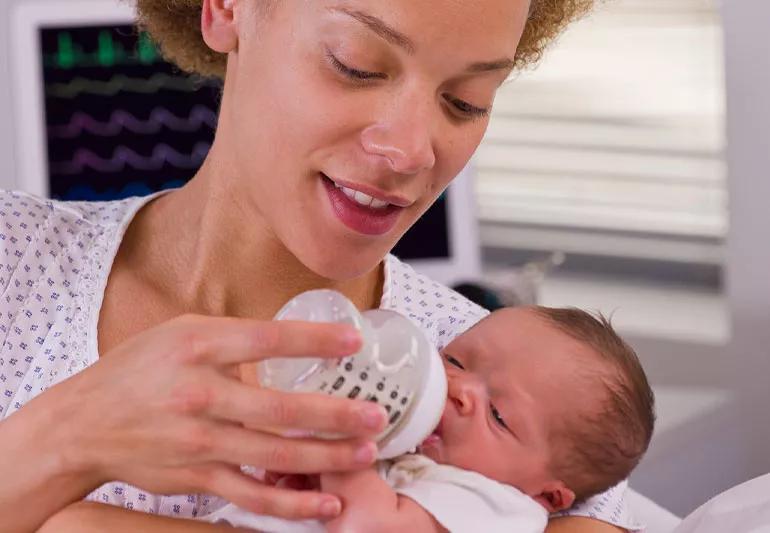
A baby’s digestive system is still developing during the first year. Cow’s milk contains proteins that are difficult for babies to break down. This can lead to stomach discomfort, gas, or even diarrhea. Breast milk or formula is easier for babies to digest during this stage.
Lack Of Essential Nutrients
Cow’s milk lacks key nutrients that babies need for healthy growth. It does not contain enough iron, vitamin E, or essential fatty acids. These nutrients are critical for brain development and overall health. Low iron levels can even lead to anemia in babies.
Risk Of Allergic Reactions
Babies under one year are more prone to food allergies. Cow’s milk contains proteins that may trigger allergic reactions. Symptoms can include rashes, vomiting, or even difficulty breathing. Avoiding cow’s milk reduces the risk of these reactions.
Too Much Protein And Minerals
Cow’s milk has higher levels of protein and minerals than breast milk. These can put extra strain on a baby’s kidneys, which are still maturing. This may lead to dehydration or other health issues.
What To Offer Instead
Breast milk or formula should be your baby’s main source of nutrition. These provide the right balance of nutrients for babies under one year. Once your baby turns one, you can slowly introduce whole cow’s milk in small amounts.
Credit: www.youtube.com
High-sodium And Sugary Foods
As a parent, feeding your baby is a mix of joy and responsibility. While it’s exciting to introduce new flavors, not all foods are safe or healthy for little ones. High-sodium and sugary foods are two big no-nos for babies, and here’s why they should stay off your baby’s plate.
Why High-sodium Foods Are Harmful For Babies
Babies’ kidneys are still developing, and they can’t process large amounts of sodium like adults can. Foods that are high in salt can put unnecessary strain on their tiny bodies. This includes processed snacks, canned soups, and even some store-bought sauces.
You might think a pinch of salt won’t hurt, but babies get all the sodium they need from breast milk or formula. Adding more can set the stage for health issues like high blood pressure later in life. Would you want to risk that for a few extra pinches of seasoning?
Hidden Sources Of Sodium You Should Watch Out For
It’s not just salty chips or pretzels that are the problem. Many foods marketed as “healthy” can be surprisingly high in sodium. For example, certain baby crackers, ready-made purees, and even some breakfast cereals can sneak in more salt than you’d expect.
Read labels carefully. Anything with more than 100mg of sodium per serving is likely too much for babies. Better yet, make simple, homemade meals where you control the ingredients.
How Sugary Foods Affect Babies’ Health
Babies are naturally drawn to sweet flavors, but that doesn’t mean sugary foods are a good idea. Too much sugar can lead to dental issues, even before their first tooth fully erupts. It can also contribute to unhealthy weight gain and a preference for sugary foods as they grow.
Common culprits include fruit juices, flavored yogurts, and baby cookies. Even “organic” or “all-natural” options can be packed with added sugars. A mashed banana or sweet potato is a much better way to satisfy their tiny sweet tooth.
Why You Should Avoid Sweetened Drinks
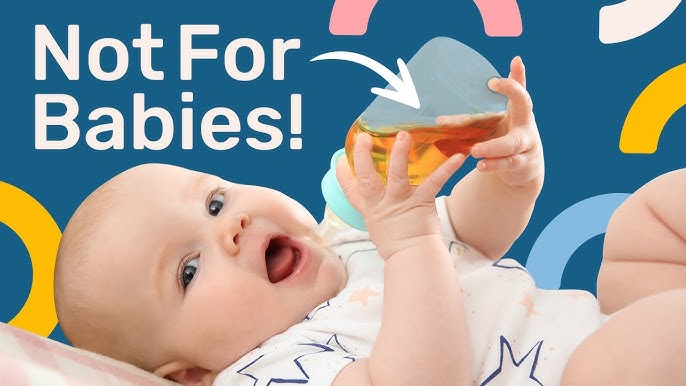
Think twice before offering juice or sweetened drinks to your baby. These beverages are often loaded with sugar and lack essential nutrients. They can fill your baby up, leaving less room for nutrient-rich breast milk, formula, or solids.
Instead, stick to water once your baby is old enough for it, or continue with breast milk or formula. Wouldn’t you rather give them a nutrient-packed option instead of empty calories?
Practical Tips To Keep Sodium And Sugar Low
- Cook meals at home whenever possible to control what goes into them.
- Choose fresh fruits and vegetables over packaged snacks.
- Check labels and avoid foods with added sugar or high sodium content.
- Introduce herbs like basil or cinnamon for flavor instead of salt or sugar.
- Offer water or milk instead of juice or sugary drinks.
Feeding your baby is about more than just filling their tummies. Every bite helps shape their future health and taste preferences. By skipping high-sodium and sugary foods, you’re setting them up for a lifetime of healthier choices.
Allergenic Foods And When To Introduce
Introducing solid foods to babies is an exciting milestone for parents. It’s also a time to be mindful of potential allergenic foods. Babies’ digestive systems are still developing, and some foods may cause allergic reactions. Knowing when and how to introduce these foods can help minimize risks. Early exposure, under proper guidance, may even reduce allergy chances in some cases.
What Are Allergenic Foods?
Allergenic foods are items that commonly trigger allergic reactions in sensitive individuals. Common examples include milk, eggs, peanuts, tree nuts, soy, wheat, fish, and shellfish. These foods can cause mild to severe reactions in babies who have allergies.
Not all babies will react to these foods. Many babies tolerate allergenic foods without problems. Testing for allergies is not always necessary before introducing these foods.
When To Introduce Allergenic Foods
Experts suggest introducing allergenic foods around 6 months of age. This is when most babies begin eating solid foods. Early introduction may help reduce the risk of developing food allergies. Start with small amounts and monitor for any signs of reaction.
If your baby has eczema or a family history of allergies, consult a doctor first. They may recommend allergy testing or a supervised introduction for safety.
Signs Of Allergic Reactions To Watch For
Babies may show reactions such as rash, swelling, vomiting, or diarrhea. Severe reactions like difficulty breathing or wheezing require immediate medical attention. Keep an antihistamine on hand if recommended by your doctor.
Introduce new allergenic foods one at a time. Wait a few days before trying another food. This helps identify the cause of any reaction.
Unpasteurized Products And Safety
Babies are curious little beings, but their developing bodies aren’t ready for everything we eat. Unpasteurized foods, for example, may seem healthy or “natural,” but they can pose serious health risks to your baby. Let’s break down why unpasteurized products are a no-go and what you should keep an eye on as a parent.
What Does “unpasteurized” Mean?
Unpasteurized foods haven’t gone through the pasteurization process, which is a method of heating to kill harmful bacteria. While this may not be a big deal for adults with strong immune systems, it’s a different story for babies. Their immune systems are still developing, making them more vulnerable to infections.
Common unpasteurized products include raw milk, cheese made from raw milk, and some types of juices. These can carry bacteria like Listeria, E. coli, or Salmonella, which can be life-threatening for infants.
Why Are Unpasteurized Dairy Products Risky?
Raw milk and cheeses like Brie, Camembert, or queso fresco may contain harmful bacteria. These bacteria can cause severe diarrhea, fever, or even more serious illnesses. Even a small bite of unpasteurized cheese could send your baby to the hospital.
Don’t be tempted by the “natural” or “organic” labels. Pasteurized options are just as nutritious and much safer for your baby.
Are Unpasteurized Juices Safe?
Unpasteurized fruit juices might seem harmless, but they can harbor bacteria that cause foodborne illnesses. Apple cider and fresh-squeezed orange juice are common culprits. These drinks might be refreshing for you, but they’re a potential hazard for your baby.
Always check the label before offering juice to your child. If it doesn’t say “pasteurized,” it’s not suitable for infants.
How To Spot Unpasteurized Products
Labels are your best friend. Look for the word “pasteurized” on the packaging. If you’re at a farmer’s market or buying homemade products, don’t hesitate to ask the seller directly.
If in doubt, skip it altogether. It’s better to be overly cautious than to risk your baby’s health.
What Can You Offer Instead?
Instead of raw milk, opt for pasteurized whole milk when your baby is old enough (usually after 12 months). For juices, stick to pasteurized options or better yet, offer mashed or pureed fruits for natural sweetness.
These alternatives are just as tasty and don’t come with the risk of harmful bacteria.
Have you checked your fridge recently? Are there any unpasteurized products lurking in there? Take a moment to double-check and make sure your baby’s diet is as safe as it is nutritious.
Credit: en.petitchef.com
Frequently Asked Questions
What Foods Can Infants Not Eat?
Infants should avoid honey, unpasteurized dairy, choking hazards like nuts, whole grapes, raw vegetables, and undercooked eggs or meats. Limit added sugar, salt, and processed foods. Avoid allergenic foods unless advised by a doctor. Stick to age-appropriate, soft, and nutritious options for safe feeding.
Always consult a pediatrician for dietary concerns.
What Is The 1 Food That Kids Choke On?
Hot dogs are the 1 food that kids choke on. Their shape and texture make them risky for young children.
Why Can’t Babies Have Strawberries?
Babies under 6 months shouldn’t have strawberries due to potential allergies and difficulty digesting. Introduce them after consulting a pediatrician.
Which Foods Should Be Avoided Until 12 Months Of Age?
Avoid honey, cow’s milk, raw or undercooked eggs, whole nuts, popcorn, raw shellfish, and added sugars or salt for babies under 12 months.
Conclusion
Feeding your baby the right foods is essential for their growth. Avoid giving them honey, cow’s milk, and salty snacks. These can harm their health or cause issues. Always check labels for added sugar or allergens. Stick to age-appropriate foods that are safe and nutritious.
If unsure, consult your pediatrician for guidance. Small changes in their diet can make a big difference. Remember, your baby’s health starts with smart food choices. Keep their meals simple, natural, and safe for their tiny tummies.