What Are the Benefits of Homemade Infant Foods? As a parent, you want the very best for your baby.
From their first smile to their first wobbly steps, every moment matters. But when it comes to what goes on their plate—or spoon—it’s easy to feel overwhelmed. Store-bought baby foods might seem convenient, but have you ever wondered what’s really inside those jars?
Imagine knowing exactly what your baby is eating: fresh, wholesome ingredients that you’ve picked and prepared yourself. Homemade infant foods aren’t just about saving money or skipping preservatives; they’re about giving your little one the healthiest start possible. We’ll explore the many benefits of making your baby’s food at home. From better nutrition to fostering healthy eating habits, you’ll discover why this small change can make a big difference. Stick with us, and you’ll leave feeling empowered to nourish your baby with confidence. Ready to find out why homemade is worth it? Let’s dive in.

Credit: www.kimscuddles.com
Nutritional Value
Homemade infant foods offer unmatched nutritional benefits. They allow parents to control the ingredients, ensuring meals are rich in essential nutrients. Store-bought baby foods can lose nutrients during processing. Homemade options, on the other hand, provide fresh, wholesome nourishment for growing babies.
Preserve Essential Nutrients
Homemade infant foods retain more vitamins and minerals. Cooking fresh fruits and vegetables at home reduces nutrient loss. You can steam or bake instead of boiling to preserve key nutrients. This ensures your baby gets the best possible nutrition.
Homemade foods let you choose high-quality, fresh ingredients. You can avoid artificial additives, preservatives, and added sugars. Your baby eats pure, natural food, promoting healthy growth and development. This control also helps reduce exposure to potential allergens.
Tailored Nutrition
Every baby has unique nutritional needs. Homemade meals allow you to adjust ingredients for specific needs. You can include iron-rich foods or vitamin-packed options as necessary. This ensures a balanced diet tailored for your baby’s growth stage.
Introduce A Wider Variety Of Foods
Homemade food offers more variety compared to store-bought jars. You can introduce diverse tastes, textures, and combinations early on. This helps your baby develop a broad palate and reduces picky eating habits.
Fewer Harmful Chemicals
Many store-bought baby foods contain trace amounts of harmful chemicals. Homemade foods minimize exposure to pesticides and additives. Using organic ingredients further improves the safety and quality of meals.
Control Over Ingredients
Homemade infant food allows parents to decide what goes into every meal. This control ensures your baby eats clean, wholesome, and nutritious food. You can avoid fillers, preservatives, and artificial flavors often found in store-bought options.
By preparing food at home, you can cater to your child’s specific needs. This is especially helpful for allergies, intolerances, or special dietary preferences. It’s a simple way to ensure every bite supports your baby’s growth and health.
Choose Fresh And Natural Ingredients
Homemade meals start with fresh fruits, vegetables, and grains. You pick high-quality ingredients to ensure your baby gets the best nutrients. Fresh produce is rich in vitamins, minerals, and antioxidants. This helps your baby develop a strong immune system and supports their overall health.
Natural ingredients are free from unwanted chemicals. This reduces the risk of exposing your child to harmful substances. Cooking with fresh items also helps retain the original flavors, making meals tastier.
Avoid Harmful Additives
Store-bought infant foods often contain preservatives and artificial additives. These are used to extend shelf life or enhance taste. Homemade food eliminates these unnecessary ingredients, keeping meals pure and healthy.
Preservatives can sometimes cause allergies or mild reactions in infants. Making food at home allows you to avoid these risks. Every spoonful is clean and tailored to your baby’s needs.
Customize Nutritional Content
Homemade infant food lets you adjust recipes based on your baby’s development. You can increase protein, fiber, or healthy fats as needed. This ensures meals match your child’s growth milestones.
Parents can experiment with different combinations of foods. This helps introduce a variety of nutrients and flavors to their baby. It’s a hands-on way to build a balanced diet from the start.
Avoiding Additives And Preservatives
Homemade infant food offers many advantages, one of which is avoiding additives and preservatives. Commercial baby foods often contain chemicals to extend shelf life. These additives can sometimes affect a baby’s health. Making food at home ensures your baby eats fresh, natural ingredients. It also gives you full control over what goes into their meals. This provides peace of mind and supports their healthy growth.
What Are Additives And Preservatives?
Additives are chemicals added to processed foods to enhance flavor or color. Preservatives help prevent spoilage and prolong shelf life. While these substances are safe for adults in small amounts, babies are more sensitive. Their developing bodies can struggle to process certain chemicals. Homemade food eliminates these risks by using fresh, whole ingredients.
Fewer Chemicals, Better Nutrition
Homemade baby food is free from artificial flavors, colors, or preservatives. This means your baby consumes only the nutrients nature intended. Fresh fruits, vegetables, and grains offer vitamins and minerals without added chemicals. This promotes better digestion and supports their immune system.
Encourages Natural Taste Preferences
Store-bought baby food may have hidden sugars or salts. These can affect your baby’s taste preferences over time. Homemade meals let your baby experience the true flavors of natural foods. This helps develop healthier eating habits as they grow.
Safe For Food Allergies Or Sensitivities
Homemade food is ideal for babies with allergies or sensitivities. You can choose ingredients that suit their unique needs. This minimizes exposure to potential allergens found in processed foods. Customizing their meals ensures they get safe, nourishing food every time.
Cost-effective Option
Preparing homemade infant foods can save money compared to store-bought options. Fresh ingredients often cost less and reduce packaging waste.
Homemade infant food is a smart way to save money. Store-bought baby food can be expensive, especially over time. By preparing meals at home, parents can cut costs significantly. Simple ingredients such as fruits, vegetables, and grains are affordable and widely available.Save Money On Packaging
Homemade baby food eliminates the need for expensive packaging. Store-bought food often comes in jars or pouches, which add to the price. Preparing food at home means you only pay for ingredients, not packaging.Buy In Bulk To Cut Costs
Buying ingredients in bulk reduces overall food expenses. Fresh produce, grains, and proteins are cheaper in larger quantities. You can prepare and freeze meals, ensuring nothing goes to waste.Utilize Leftover Ingredients
Homemade food helps you use leftover items from family meals. A small portion of cooked vegetables or fruits can be turned into baby food. This reduces waste and saves money at the same time.Control Quality Without Overspending
Homemade food allows you to choose high-quality ingredients without extra costs. Organic produce or locally-sourced items can be cheaper than store-bought organic baby food. You get better quality for less money. `Promoting Taste Development
Homemade infant foods can do wonders for your baby’s taste buds. The variety of flavors and textures you offer helps them discover what they enjoy. More importantly, it sets the foundation for adventurous eating habits as they grow.
Customizing Flavors For Your Baby
With homemade foods, you control what goes into every bite. You can introduce mild flavors like mashed sweet potatoes or carrots early on, gradually adding more complex tastes such as herbs or spices. This ensures your baby learns to enjoy a broad range of flavors instead of relying on bland, processed options.
Do you want your baby to love fresh basil or garlic later in life? Start now by sprinkling a little into their pureed vegetables. Homemade food lets you experiment safely with natural ingredients to train their taste buds.
Encouraging Texture Exploration
Store-bought baby food often comes in uniform textures, but homemade options let you play with variety. Start with smooth purees, then move to chunkier blends or soft finger foods as your baby grows. This gradual introduction builds their confidence with different textures.
For instance, a banana mash can evolve into small banana chunks as they develop chewing skills. The more textures they try, the less likely they’ll be picky eaters later.
Creating Positive Mealtime Memories
Babies learn through experience, and mealtime is no exception. Offering diverse flavors and textures gives them enjoyable memories associated with food. It also makes feeding sessions less stressful for you.
Imagine your baby giggling while tasting yogurt mixed with a hint of cinnamon or enjoying the smoothness of avocado. These little moments matter—they help your baby connect food with happiness and curiosity.
Building A Preference For Whole Foods
Homemade food is often fresher and less processed than packaged alternatives. When your baby grows up eating whole, natural ingredients, they’re more likely to prefer these over artificial or sugary options.
A simple apple puree made at home teaches them to enjoy the real taste of fruits, not the overly sweetened version found in jars. This preference for whole foods can stick with them for life.
Are you willing to try homemade meals for your little one? It’s a small effort that brings big rewards, especially when it comes to developing their love for good food.
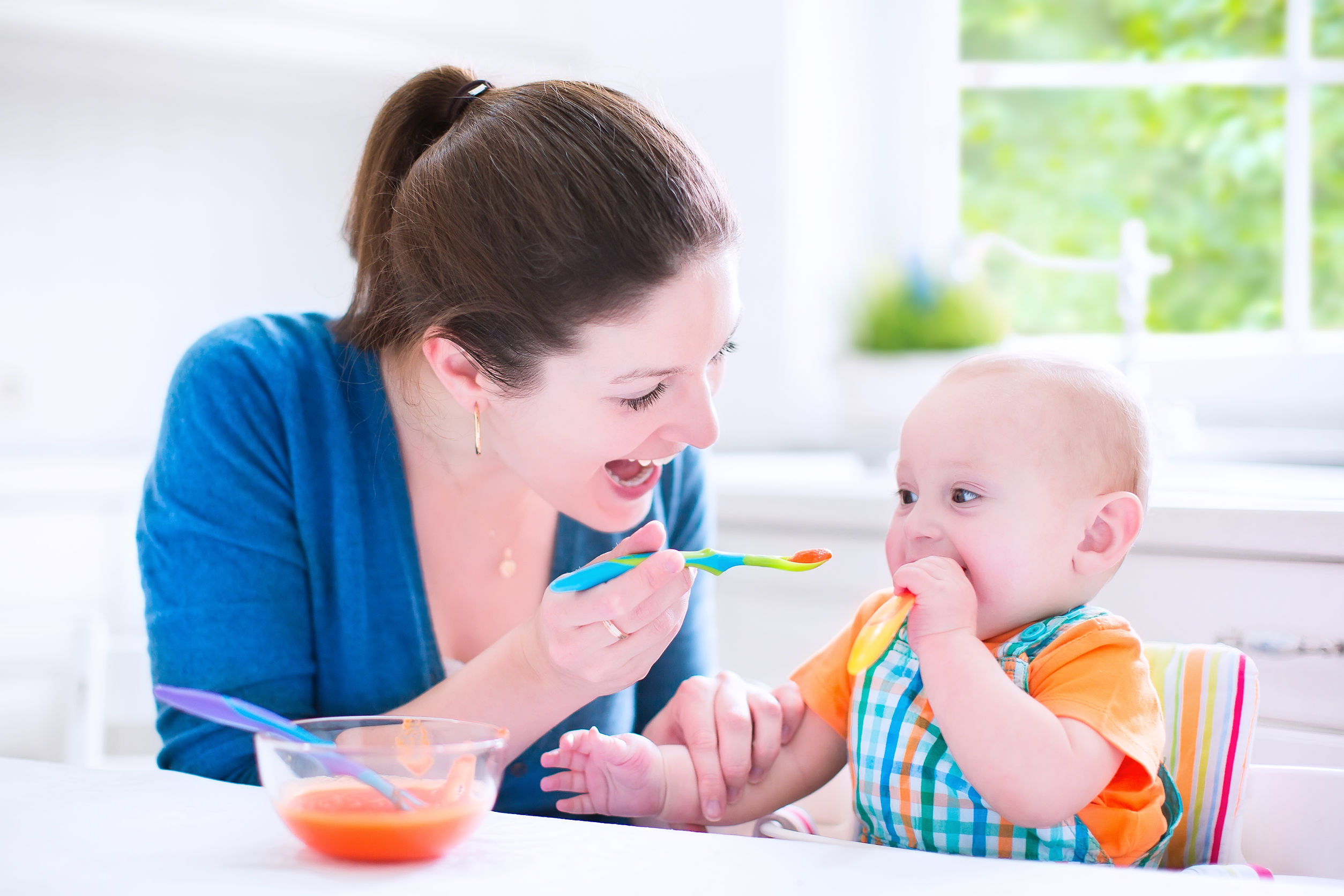
Credit: baby360.com
Strengthening Family Bond
Preparing homemade infant foods encourages family interaction and teamwork. It promotes healthier eating habits and fosters trust through shared care.
Strengthening Family Bond Making homemade infant food isn’t just about nutrition; it’s a beautiful way to bring your family closer. Cooking for your baby offers moments of connection that store-bought jars simply can’t match. You’re not just feeding your baby; you’re creating memories and building trust.Sharing The Process With Your Partner
Why not involve your partner in preparing baby food? One can chop fruits while the other purees them—it’s teamwork at its finest. These shared tasks create opportunities to laugh, communicate, and feel more united as parents. Schedule time to cook together, even if it’s just 20 minutes on a Sunday. It’s a small step, but it strengthens your bond as a parenting team.Building Rituals Around Homemade Meals
Homemade infant food can become a cherished family ritual. Maybe it’s peeling bananas while sharing funny stories or letting your toddler watch as you mash sweet potatoes. These little habits turn everyday actions into moments of joy and connection. Such rituals also give your baby a sense of security. When they see you preparing food with love, they feel cared for and safe.Creating Memories With Older Siblings
If your baby has older siblings, let them help with simple tasks. They can rinse fruits, mix ingredients, or even taste-test the results. It’s a great way to make them feel involved and important. These shared moments also teach older kids about responsibility and kindness. They learn that caring for a sibling is a family effort.Encouraging Open Conversations
Cooking together naturally creates space for conversations. As your child grows, these moments can evolve into chats about flavors, food preferences, and even family traditions. It opens a door for communication, starting with something as simple as, “Which fruit should we try next?” By involving your child in the process, even in small ways, you’re fostering openness. This habit of talking while cooking can strengthen your bond for years to come.Setting An Example Of Love And Effort
When you make your baby’s food at home, you’re showing them that love takes effort. You’re teaching them that their well-being is worth your time and energy. It’s a lesson they’ll carry with them, even if they don’t realize it yet. Your effort becomes part of your family’s story. One day, they might look back and remember the care you put into those meals, and it will mean the world to them. — Have you noticed how cooking together changes the energy in your home? If not, try it this week and feel the difference. The simple act of making food can bring your family closer in ways you might not expect.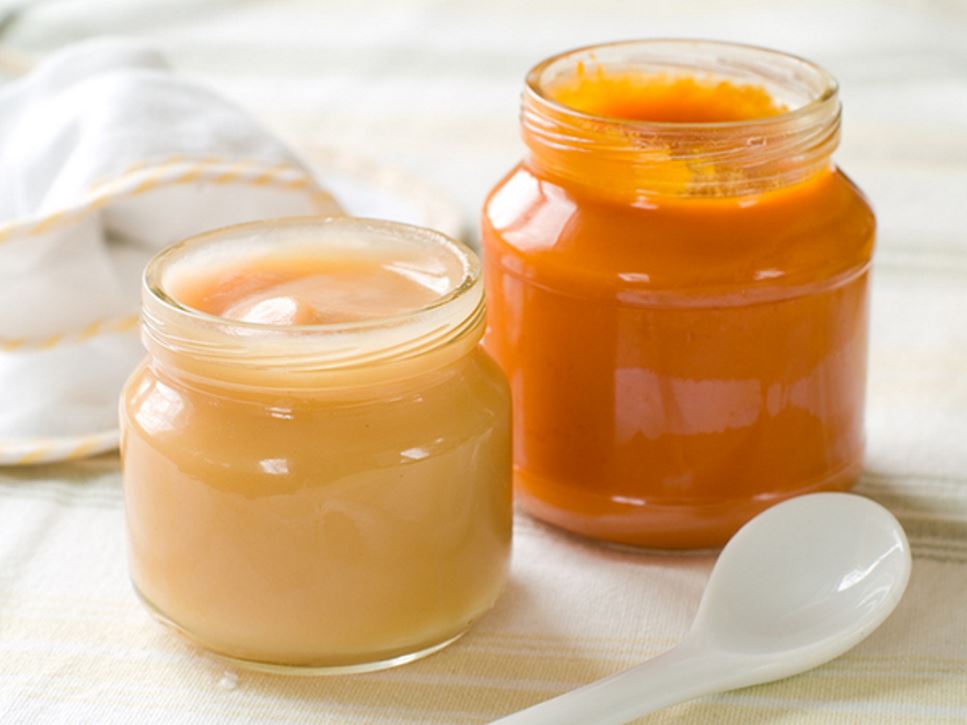
Credit: www.eatright.org
Frequently Asked Questions
Is Homemade Baby Food Healthier?
Homemade baby food is often healthier as it contains fresh, natural ingredients without additives or preservatives. It allows better control over nutrients and portion sizes, promoting a balanced diet for babies. Preparing food at home ensures higher quality and avoids potential allergens commonly found in store-bought options.
Is It Better To Buy Baby Food Or Make Homemade Baby Food?
Making homemade baby food offers freshness, control over ingredients, and cost savings. Store-bought baby food provides convenience and consistent quality. Both options can be healthy depending on preferences and lifestyle.
Is Homemade Baby Food Better Than Jarred?
Homemade baby food offers fresh ingredients, no preservatives, and customizable textures. Jarred baby food is convenient and shelf-stable. Both can be healthy options.
What Foods Should Not Be Homemade For Babies And Why?
Avoid homemade honey, raw dairy, and undercooked eggs for babies due to botulism risk and harmful bacteria. Skip homemade spinach, beets, or carrots for infants under 6 months to prevent nitrate poisoning. Homemade rice cereal may contain arsenic. Always prioritize safety and consult a pediatrician for guidance.
Conclusion
Homemade infant foods offer many benefits for your baby’s health. They are fresh, nutritious, and free from harmful additives. You can customize meals to suit your baby’s needs and taste. Preparing food at home also helps you save money over time.
It builds a stronger bond as you care for your baby’s nutrition. Plus, you know exactly what goes into every bite. Starting this healthy habit early sets a great foundation for the future. Give homemade foods a try and see the difference they make.
Your baby deserves the best start in life.