As a new parent, your world is filled with countless decisions, each one seemingly more crucial than the last. Among these decisions is one you might not have given much thought to: whether you should clean your new baby toys before your little one starts playing with them.
You’re probably wondering if it’s truly necessary or just another thing on your already long to-do list. But what if this simple step could give you peace of mind? What if knowing the facts helped you keep your baby safe from unseen germs and allergens lurking on those adorable toys?
This article will unravel the mystery behind cleaning new toys and provide you with practical tips to ensure your baby’s playtime is not only fun but also safe. Dive in to discover how a few simple steps can make all the difference for your child’s health and happiness.
Importance Of Hygiene For Baby Toys
As parents, we often find ourselves surrounded by a sea of colorful toys intended to keep our little ones entertained. But have you ever paused to think about the hygiene of these toys? A baby’s immune system is still developing, making them more susceptible to germs and bacteria. Keeping their toys clean is crucial for their health and well-being.
Why Hygiene Matters For Baby Toys
Babies explore the world around them through touch and taste. Toys are their constant companions and often end up in their mouths. This natural curiosity can expose them to harmful bacteria and germs.
Consider the fact that toys can pick up dirt and germs from various surfaces. Whether it’s the living room floor or a friend’s house, toys can become a breeding ground for microbes.
Maintaining toy hygiene helps prevent the spread of illnesses. When toys are clean, you reduce the risk of infections that can disrupt your baby’s health.
It’s surprising how many germs can linger on toys, even when they look clean. Bacteria like Staphylococcus and Streptococcus are often found on children’s toys.
Viruses like the flu and cold can also survive on toy surfaces for several hours. This means that even brief contact can lead to illness.
Mold and mildew can develop, especially on toys that come into contact with water. These can trigger allergies and respiratory issues in babies.
Effective Cleaning Methods
Wondering how to keep your baby’s toys germ-free? Start by using mild soap and warm water for plastic toys. This simple solution can eliminate most germs.
For fabric toys, a run through the washing machine on a gentle cycle works wonders. This ensures deep cleaning without damaging the toy.
Consider using disinfectant wipes for toys that can’t be submerged in water. They offer a quick and effective way to sanitize surfaces.
Establishing A Cleaning Routine
Creating a cleaning schedule helps ensure that toys remain hygienic. You might wonder how often you should clean them.
Try cleaning toys every week or after playdates. This keeps bacteria at bay and provides peace of mind.
Regular cleaning not only protects your baby’s health but also prolongs the life of their toys. A small effort can make a big difference.
Involving Your Child In Toy Hygiene
Why not make cleaning a fun activity with your child? You can teach them the importance of hygiene while playing together.
Encourage them to wipe down their toys with a soft cloth. This not only cleans but also fosters a sense of responsibility.
By involving your child, you help them develop healthy habits early on. It’s a win-win situation for both of you.
Have you ever noticed your baby putting everything in their mouth? How do you ensure their toys are safe? Share your thoughts in the comments!

Credit: tumama-kids.com
Common Germs Found On Toys
New baby toys often bring joy and excitement. Yet, they can harbor germs that pose risks to infants. Understanding what germs are commonly found on toys helps ensure your baby’s safety. Cleaning toys regularly minimizes exposure to these unwanted microbes.
Staphylococcus
Staphylococcus can live on toy surfaces. It causes skin infections. This bacterium is common in households. Regular cleaning reduces its presence. Staphylococcus can be stubborn. Disinfecting toys helps keep it away.
Salmonella
Salmonella often comes from contaminated environments. It can lead to food poisoning. Toys can pick up this germ easily. Washing toys with soap reduces the risk. Salmonella thrives in dirty conditions. Keep toys clean to protect your child.
Escherichia Coli (e. Coli)
E. coli can be found on toys. It often causes stomach issues. This germ spreads through contact. Clean toys with disinfectants to remove it. E. coli is common in homes. Regular cleaning is crucial.
Yeast And Mold
Yeast and mold grow in damp areas. Toys can develop these fungi. They may cause allergies or breathing problems. Dry toys thoroughly to prevent growth. Yeast and mold thrive in moisture. Keep toys dry and clean.
Respiratory Viruses
Respiratory viruses linger on toy surfaces. They spread easily among children. These viruses can cause colds or flu. Disinfect toys to reduce risks. Respiratory viruses are persistent. Clean toys often to keep them safe.
Types Of Baby Toys And Cleaning Needs
New baby toys bring joy and excitement to both parents and infants. But cleanliness is crucial to ensure safety and hygiene. Different toys require unique cleaning methods. Understanding these needs helps maintain toy integrity and safety.
Plastic Toys
Plastic toys are popular and easy to clean. Most plastic toys are durable. Clean them with warm soapy water. Rinse thoroughly to remove any soap residue. For extra safety, use a mild disinfectant.
Stuffed Animals
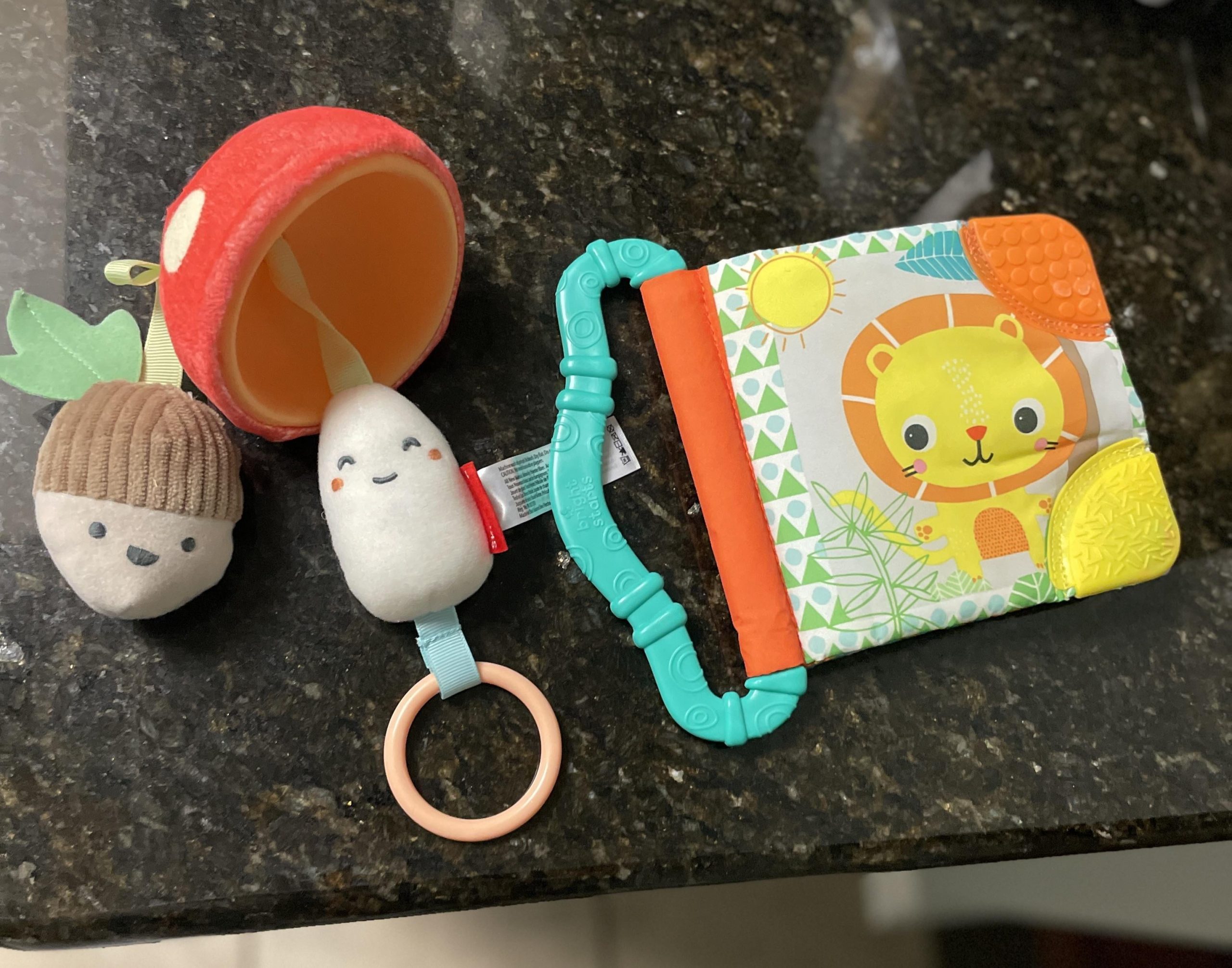
Stuffed animals are soft and cuddly. They attract dust and germs. Check the label for washing instructions. Many can go in the washing machine. Use a gentle cycle and mild detergent. Air drying preserves their shape and texture.
Wooden Toys
Wooden toys are classic and sturdy. They need careful cleaning to prevent damage. Use a damp cloth with mild soap. Avoid soaking as wood absorbs water. Dry them immediately to maintain their quality.
Electronic Toys
Electronic toys are interactive and engaging. They contain batteries and circuits. Avoid submerging them in water. Use a soft, damp cloth to wipe the surface. Ensure no moisture enters battery compartments.
Teething Toys
Teething toys are essential during teething phases. They often end up in mouths. Clean them daily with warm soapy water. Rinse thoroughly to ensure no soap remains. Some can be boiled for extra cleanliness.

Credit: www.reddit.com
Safe Cleaning Methods For Toys
Cleaning new baby toys is essential. It keeps them safe for your child. Babies explore with their mouths, so cleanliness is crucial. Using safe methods ensures no harm from chemicals.
1. Soap and WaterSimple soap and water work wonders. Use mild, non-toxic soap. Scrub gently with a soft cloth. Rinse thoroughly to remove any residue. Dry the toys completely before use.
2. Vinegar SolutionVinegar is a natural disinfectant. Mix equal parts of vinegar and water. Wipe the toys with the solution. Rinse with clean water afterward. This method is gentle and effective.
3. Dishwasher Safe ToysSome toys can go in the dishwasher. Check the toy’s label first. Use the top rack for gentle cleaning. This method saves time and ensures thorough cleaning.
4. Boiling WaterBoiling water kills germs effectively. Submerge heat-resistant toys in boiling water. Let them sit for a few minutes. Cool them before giving them back to your baby.
5. UV Light SanitizersUV light sanitizers are a modern solution. They kill germs without water or chemicals. Place the toy inside the device. Follow the manufacturer’s instructions for safe use.
6. Wipes for Quick CleaningBaby-safe wipes are handy for quick cleans. Use them on-the-go for surface cleaning. Choose wipes free from harmful chemicals. Ensure the toys dry well after wiping.
Frequency Of Cleaning Baby Toys
New baby toys should be cleaned before use to remove germs and manufacturing residues. Regular cleaning keeps them safe for play. Simple wipes or mild soap can ensure cleanliness and protect your baby’s health.
Ensuring your baby’s toys are clean is crucial for their health and safety. But how often should you clean these toys? The frequency of cleaning baby toys can depend on various factors, such as how often they are used and whether your baby is sick or teething. Let’s dive into some practical tips to help you determine the best cleaning schedule for your baby’s toys.How Often Should You Clean Baby Toys?
New toys might appear clean, but they could harbor dust and germs from the manufacturing and shipping process. It’s a good idea to clean them before your baby plays with them. Regularly used toys should be cleaned weekly to keep them safe and hygienic.Consider The Material Of The Toys
Different materials require different cleaning methods and frequencies. Plastic toys can usually be wiped down easily and more frequently. Meanwhile, fabric toys might need a gentle wash every couple of weeks, especially if they are cuddled regularly.Pay Attention To Sickness
If your baby or someone in the household is sick, it’s wise to clean toys more frequently. Germs can linger on surfaces, increasing the risk of spreading illness. A quick clean after each play session can help keep germs at bay.Teething And Drool
Teething toys often end up covered in drool, making them a breeding ground for bacteria. Consider cleaning these toys daily or after each use. A simple wash with warm soapy water can make a big difference in keeping them safe.Outdoor Vs. Indoor Toys
Toys that are taken outside may need more frequent cleaning due to exposure to dirt and germs. Indoor toys might not get as dirty but still require regular cleaning to avoid dust buildup. Wouldn’t it be comforting to know your baby is playing in a clean environment?Establish A Cleaning Routine
Creating a routine helps ensure toys are consistently cleaned. You might choose to clean a handful of toys each day or designate a specific day each week for toy cleaning. Find a routine that fits your schedule and stick to it. Taking the time to clean your baby’s toys regularly can give you peace of mind. By establishing a cleaning routine, you can ensure your baby’s playtime is as safe and healthy as possible.Choosing Safe Cleaning Products
Choosing safe cleaning products for new baby toys is essential. Babies explore their world by touching and mouthing objects. This makes the cleanliness of their toys crucial. Not all cleaning products are safe for delicate skin. Parents must pick products that ensure safety and cleanliness.
Use Non-toxic Cleaners
Non-toxic cleaners are safer for your baby’s health. Many common cleaners contain harsh chemicals. These can be harmful if ingested or inhaled. Look for products labeled as non-toxic. This ensures they are free from dangerous substances. Always read labels carefully.
Avoid Fragrances And Dyes
Fragrances and dyes can irritate sensitive baby skin. They may cause allergic reactions or rashes. Choose products that are fragrance-free. This reduces the risk of irritation or discomfort. Simple ingredients mean safer toys for your little one.
Consider Natural Alternatives
Natural alternatives often offer a safer cleaning option. Vinegar and baking soda can clean effectively without chemicals. These are gentle and safe for frequent use. They clean toys without leaving harmful residues. Your baby can enjoy their toys without risk.
Check For Baby-friendly Labels
Some cleaning products are specifically designed for baby items. These products usually have a “baby-safe” label. They are tested to ensure safety for infants. Such products reduce worry about harmful ingredients. They provide peace of mind for parents.
Diy Cleaning Solutions
Making your own cleaning solutions is an option. Simple recipes can involve water, vinegar, and lemon. These ingredients are often already in your kitchen. DIY solutions can be cost-effective and safe. They allow you to control what touches your baby’s toys.
Credit: www.reddit.com
Frequently Asked Questions
Why Clean New Baby Toys?
Cleaning new baby toys removes germs and dust, ensuring safety for your child. Toys often collect dirt during manufacturing and shipping. Regular cleaning helps maintain hygiene and prevents infections. Use mild soap and water or recommended cleaning solutions for delicate materials.
Always check the toy’s cleaning instructions before proceeding.
How Often Should Baby Toys Be Cleaned?
Cleaning frequency depends on toy usage and exposure. Wash frequently used toys weekly, especially if shared with other children. Clean toys immediately if they fall on dirty surfaces. Regular cleaning helps prevent germ buildup and protects your baby’s health. Follow manufacturer guidelines for specific cleaning instructions.
What Cleaning Methods Are Safe For Baby Toys?
Safe cleaning methods include using mild soap and water, or disinfecting wipes for plastic toys. Avoid harsh chemicals that might harm sensitive skin. For fabric toys, check if they’re machine washable. Always rinse thoroughly to remove soap residue. Consult cleaning instructions for specific toy materials to ensure safety.
Can New Baby Toys Be Sanitized?
Yes, new baby toys can be sanitized using appropriate methods. Use gentle sanitizing sprays or wipes suitable for children’s items. Some toys can be boiled or steamed for effective sanitization. Always follow manufacturer guidelines to avoid damage. Regular sanitizing ensures toys remain safe for your baby’s use.
Conclusion
Cleaning new baby toys is crucial for your child’s health. Germs can linger on surfaces. Regular cleaning reduces the risk of infections. Use safe, non-toxic cleaners for the best results. Always check toy labels for cleaning instructions. Some toys are dishwasher safe.
Others need hand washing. Be consistent with your cleaning routine. This ensures a healthy play environment. Your baby’s safety is always the priority. Clean toys promote peace of mind. And a happy, healthy baby. So, make toy cleaning a regular habit.
Your little one deserves the best care.