Is a Baby Food Maker Worth It? Here’s What You Need to Know You want the best for your baby, and that includes the food they eat.
But when it comes to making fresh, homemade meals for your little one, the question pops up: is a baby food maker actually worth it, or is it just another gadget collecting dust on the counter? If you’ve ever felt overwhelmed by the piles of baby food jars at the store or wondered what’s really in those pre-packaged meals, you’re not alone.
The idea of creating nutritious, homemade food sounds amazing, but the effort? Not so much. That’s where a baby food maker promises to step in—offering convenience, control, and peace of mind. But does it live up to the hype? Or will it just complicate your already-busy life? Stick with me, because by the end of this article, you’ll have all the answers to decide whether a baby food maker is the game-changer you need—or just an unnecessary splurge. Ready to find out? Let’s get started.
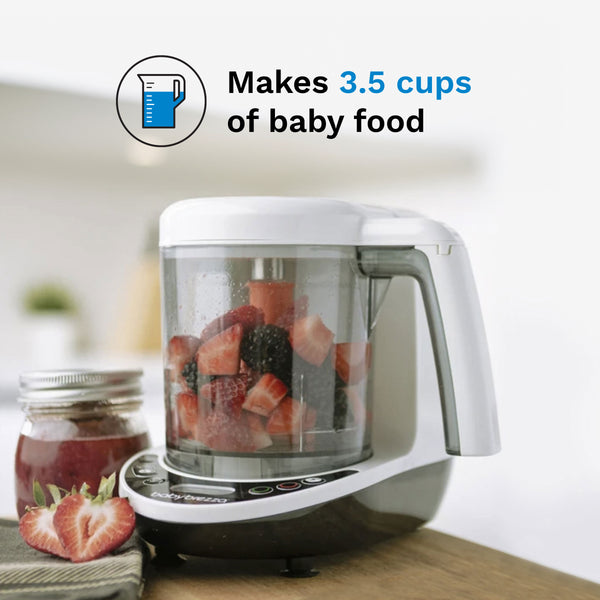
Credit: babybrezza.com
Benefits Of Homemade Baby Food
Homemade baby food has gained popularity among parents for good reasons. It offers control over ingredients, ensuring your baby gets fresh, natural meals. Making food at home also helps you avoid preservatives and unnecessary additives. This section explores why homemade baby food benefits both you and your baby.
1. Fresh and Nutritious IngredientsHomemade baby food allows you to use fresh produce. You can select organic fruits, vegetables, and grains. This ensures your baby gets maximum nutrients. Store-bought jars often lose nutrients during processing. Home-prepared meals retain vitamins and minerals.
2. Customizable to Your Baby’s NeedsEvery baby has different preferences and dietary needs. Homemade food can be adjusted to match their taste and texture preferences. You can also avoid allergens or introduce new foods gradually. This helps in creating a tailored feeding experience.
3. Cost-Effective in the Long RunMaking baby food at home can save money over time. Store-bought baby food often costs more per serving. Bulk buying and preparing meals in advance reduce expenses. This is especially helpful during your baby’s rapid growth stages.
4. No Hidden IngredientsHomemade baby food ensures full transparency of ingredients. You avoid artificial flavors, sugar, and salt found in packaged foods. Knowing exactly what your baby eats gives peace of mind. This also helps in promoting healthier eating habits early on.
5. Encourages Family BondingPreparing baby food can involve the whole family. It’s an opportunity to teach older siblings about healthy eating. This creates meaningful moments while making meals together. Your baby also benefits from fresh, love-filled food.

Credit: www.amazon.com
Cost Comparison: Store-bought Vs. Homemade
When deciding whether a baby food maker is worth the investment, understanding the cost difference between store-bought and homemade baby food is essential. Many parents wonder if the convenience of pre-packaged baby food outweighs the potential savings of making it yourself. Let’s break down the numbers and see where your money stretches further.
Cost Per Serving: What Are You Paying For?
Store-bought baby food often comes in tiny jars or pouches, with prices averaging between $1.50 to $2 per serving. While this may not seem like much, the costs add up quickly, especially if your baby eats three meals a day.
On the other hand, homemade baby food can cost significantly less. A pound of carrots, for example, can be purchased for around $1 and yield several servings when cooked and pureed. You’re paying for fresh ingredients rather than packaging and branding.
Hidden Costs Of Store-bought Baby Food
Store-bought baby food isn’t just about the price tag on the jar. You’re also paying for added preservatives, less control over ingredients, and often lower nutritional value compared to fresh food.
Think about it: do you know exactly what’s in that pouch? By making your own baby food, you can pick high-quality produce and avoid unnecessary additives.
Initial Investment In A Baby Food Maker
A baby food maker typically costs between $50 to $150. While this might seem like a hefty upfront cost, it’s a one-time purchase that saves money over time.
Compare this to buying pre-packaged baby food for a year, which can easily exceed $500. The savings quickly become evident if you plan to use the maker regularly.
Time Vs. Money: How Do You Value Your Time?
Homemade baby food requires time for cooking, blending, and storage. If you’re juggling work and parenting, time might be more valuable than money. That’s where store-bought food has an edge.
However, if you enjoy cooking or want more control over what your baby eats, the extra effort might feel worth it. Could making baby food become part of your weekly routine?
Long-term Savings And Benefits
The benefits of homemade baby food extend beyond saving money. You’re introducing your baby to fresh, natural flavors early on, which could encourage healthier eating habits later.
Plus, you can adjust textures and flavors as your baby grows, eliminating the need for expensive “stage-specific” store-bought options. Isn’t that flexibility worth considering?
Final Thoughts: What’s Right For Your Family?
Ultimately, the decision comes down to your budget, lifestyle, and priorities. If you’re looking for convenience, store-bought might be more appealing. But if you value cost savings and control over ingredients, a baby food maker could be a smart choice.
What matters most to you—saving time, saving money, or knowing exactly what goes into your baby’s meals? The answer will guide your decision.
Time-saving Features Of Baby Food Makers
Preparing fresh meals quickly becomes effortless with baby food makers. These devices combine steaming, blending, and reheating in one. Parents save valuable time while ensuring healthy homemade food for their little ones.
Making fresh baby food sounds amazing in theory, but let’s be honest—it can feel overwhelming when you’re juggling a million other things. This is where baby food makers shine. They’re designed to simplify your life and, more importantly, save you time.1. All-in-one Functionality
Most baby food makers combine multiple tasks like steaming, blending, and reheating into one machine. Instead of using separate pots, blenders, and strainers, you can do everything in one place. Imagine steaming carrots and blending them into a smooth puree without transferring anything—less mess, less cleanup.2. Hands-free Cooking
Some models allow you to set it and walk away. While the food steams, you can fold laundry, prep dinner, or just take a breather. A handy timer alerts you when it’s ready, so you don’t have to hover in the kitchen.3. Quick Batch Preparation
Baby food makers are perfect for preparing meals in bulk. You can steam and blend multiple servings at once, then store the extras in the freezer. This means fewer food prep sessions during the week, giving you back valuable time.4. Easy Cleanup
Many machines come with dishwasher-safe components. No scrubbing pots or dealing with multiple appliances. Just toss the parts into your dishwasher, and you’re done.5. Compact And Accessible Design
Baby food makers are compact and sit neatly on your countertop. You won’t waste time digging through cupboards looking for tools. Having everything in one spot makes the process faster and smoother.6. Consistency In Texture
Achieving that perfect smoothness is faster with a baby food maker. It’s designed to blend purees to the exact consistency your baby needs, whether it’s chunky for toddlers or silky smooth for infants. This consistency saves you from redoing batches.Is It Really Worth The Investment?
Think about how much time you spend prepping, cooking, and cleaning up. Could a baby food maker cut that in half? If you value convenience and efficiency, it might just be the kitchen buddy you didn’t know you needed. Would you rather spend 20 minutes prepping or 5 minutes letting a machine do the work? It’s a question worth asking yourself!Key Features To Look For
Compact design, ease of cleaning, and quick steaming functions are must-have features in a baby food maker. Ensure it offers adjustable settings for texture to suit growing needs. Safety measures like BPA-free materials and auto shut-off add value.
Key Features to Look For When considering a baby food maker, you want something that simplifies your life, not complicates it. The right features can make the difference between loving your purchase and regretting it. So, what should you prioritize? Let’s break it down.1. Ease Of Cleaning
Nobody has time for scrubbing tiny crevices after every use. Look for a machine with dishwasher-safe parts or simple designs that can be rinsed quickly. Imagine how much time you’ll save if you can toss the parts in the dishwasher and move on to other tasks.2. Steaming And Blending Functions
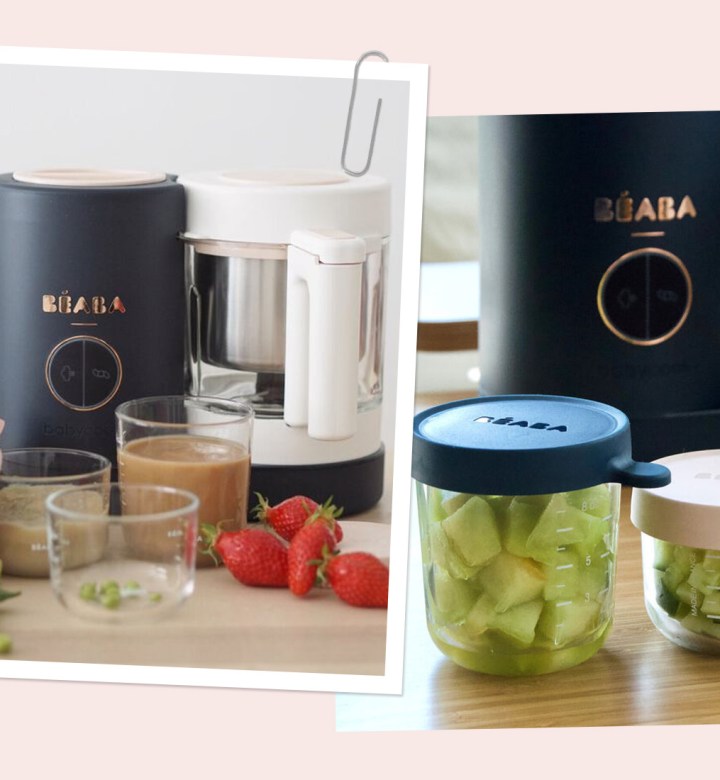
The best baby food makers combine steaming and blending in one device. This eliminates the need to transfer food between multiple gadgets. For example, you can steam carrots and then blend them into a smooth puree without dirtying another bowl.3. Batch Size Options
Do you want to make food for one meal or a week’s worth? Some machines cater to single servings, while others handle larger portions. Think about your routine—if you’re meal prepping, a larger capacity machine will save you from repetitive work.4. Versatility
Some baby food makers do more than just steam and blend. They can defrost, reheat, or even sterilize bottles. If your kitchen is tight on space, a multi-function machine might be the perfect choice for you.5. Safety Features
Safety isn’t optional when it comes to baby products. Look for BPA-free materials and automatic shut-off features. This ensures your baby’s food is safe and prevents accidents if you forget to turn the machine off.6. Compact Design
Kitchen counters fill up fast, especially when you have kids. A sleek, compact design will save space while still getting the job done. Plus, it’s easier to store when not in use.7. Intuitive Controls
You don’t want to spend 20 minutes reading the manual every time you use it. Machines with simple, one-touch buttons or clear instructions are ideal. The less complicated, the better—because let’s face it, you’ll often have one hand occupied with the baby. — When you weigh these features against your daily needs, you’ll find it easier to decide if a baby food maker is worth it for you. Which of these features would save you the most time or effort? Let us know in the comments!Common Challenges And Solutions
Using a baby food maker can simplify preparing nutritious meals for infants. Yet, many parents face challenges during the process. Understanding these common issues and their solutions can make the experience smoother and more enjoyable.
1. Difficulty Cleaning The Baby Food Maker
Residue from fruits and vegetables can stick to hard-to-reach areas. This can lead to unpleasant odors or reduced machine performance. A quick solution is soaking parts in warm, soapy water after use. Use a small brush to clean corners and tight spaces thoroughly. Always check the user manual for cleaning instructions.
2. Limited Storage For Prepared Baby Food
Parents often find themselves with more food than storage space. This can lead to food wastage or overcrowded refrigerators. Opt for small, stackable containers designed for baby food. Freeze portions to extend shelf life and avoid spoilage. Label containers with dates to keep track of freshness.
3. Uneven Food Textures
Some baby food makers may struggle with blending certain ingredients evenly. This can make the food difficult for babies to eat. To solve this, chop ingredients into smaller pieces before blending. Add small amounts of water to achieve smoother textures. Test the consistency to ensure it’s suitable for your baby.
4. Time Constraints For Busy Parents
Busy schedules can make it hard to prepare meals using a food maker. Pre-planning can help save time during busy days. Set aside a specific time each week for meal preparation. Prepare larger batches and store them in portions to reduce daily cooking time.
5. High Initial Cost Concerns
Some parents hesitate due to the upfront cost of a baby food maker. Yet, it can save money long-term by reducing dependency on store-bought food. Research affordable models with good reviews to fit your budget. Compare features to choose a machine that meets your needs without overspending.

Credit: www.babybrezza.co.uk
Who Should Invest In A Baby Food Maker
Making your own baby food sounds like a great idea, but is a baby food maker really worth the investment? The answer depends on your lifestyle, priorities, and how much control you want over what your baby eats. Let’s break it down to help you decide if a baby food maker belongs in your kitchen.
Who Loves Cooking And Wants To Save Time?
If you enjoy preparing meals but juggling multiple pots, pans, and appliances feels overwhelming, a baby food maker could make your life easier. It combines steaming and blending in one compact device, letting you whip up fresh meals without the extra cleanup. Plus, you can prepare batches of food in advance and freeze them for those busy days.
Are You Concerned About What’s In Store-bought Baby Food?
Store-bought baby food often contains preservatives or added sugars. If you’re someone who reads labels religiously, a baby food maker gives you full control over the ingredients. You can use fresh fruits, veggies, and even organic produce to create meals tailored to your baby’s needs.
Do You Want To Save Money In The Long Run?
Buying pre-packaged baby food can add up quickly, especially if your little one is a big eater. With a baby food maker, you can prepare meals from affordable bulk ingredients, saving money over time. For example, a bag of carrots can yield several servings at a fraction of the cost of jars or pouches.
Is Your Kitchen Space Limited?
A baby food maker can be a game-changer for small kitchens. It eliminates the need for multiple appliances like a steamer and blender. Many models are compact enough to fit on your countertop without crowding your workspace.
Are You Unsure About Your Cooking Skills?
Even if cooking isn’t your strong suit, a baby food maker simplifies the process. Many come with easy-to-follow instructions or recipe books to guide you. You don’t need to be a chef to create nutritious meals—just toss in the ingredients, press a button, and you’re done.
Do You Have A Picky Eater?
Making your own baby food allows you to experiment with flavors and textures. If your baby refuses certain store-bought options, you can adjust recipes to suit their preferences. Adding a pinch of cinnamon to apples or blending peas with a touch of sweet potato could be the magic combo your baby loves.
So, is a baby food maker worth it? If you said yes to most of these questions, it might be the perfect addition to your kitchen. What’s stopping you from giving it a try?
Frequently Asked Questions
Do You Really Need A Baby Food Maker?
A baby food maker is not essential but offers convenience. It helps prepare fresh, healthy meals quickly and efficiently. Parents who value homemade baby food may find it beneficial. Alternatively, traditional kitchen tools like blenders or steamers can serve the same purpose.
Choose based on your lifestyle and preferences.
Is It Worth Making Your Own Baby Food?
Making your own baby food can be worth it. It’s cost-effective, healthier, and lets you control ingredients. Homemade options avoid preservatives and can be tailored to your baby’s needs. It also encourages fresh, nutrient-rich meals, promoting better development. Preparing baby food at home ensures quality and saves money in the long run.
Is It Cheaper To Buy Baby Food Or Make Your Own?
Making your own baby food is usually cheaper than buying pre-packaged options. Homemade meals also offer fresher, customizable ingredients.
What Are The Disadvantages Of Homemade Baby Food?
Homemade baby food can be time-consuming to prepare and store. It may lack consistent nutrients or proper texture. Contamination risk is higher without proper hygiene. Preparing balanced meals requires careful planning. Store-bought options often provide better convenience and fortified nutrients.
Conclusion
Deciding on a baby food maker depends on your needs and lifestyle. It offers convenience, healthier options, and cost savings in the long run. For parents who value homemade meals, it can be a helpful tool. Others might find store-bought baby food more practical.
Think about your budget, time, and preferences before making a choice. Every family is different, so choose what works best for you. A baby food maker isn’t essential for everyone, but it can simplify meal prep. Weigh the pros and cons carefully to make an informed decision.