How to Make Baby Food at Home for Your 8-Month-Old Feeding your baby is one of the most important ways you care for them, and now that your little one is 8 months old, you’re probably wondering how to take their meals to the next level. Sure, store-bought baby food is convenient, but have you ever thought about the benefits of making it yourself?
Imagine knowing exactly what’s going into your baby’s tiny tummy—fresh, wholesome ingredients prepared with love. No hidden preservatives, no mystery additives—just pure, nutritious food that you can trust. Plus, homemade baby food can save you money and reduce waste. But let’s be honest, the idea of whipping up your own baby food might feel overwhelming at first.
Where do you start? What ingredients are safe? How do you make it tasty and easy to eat? Don’t worry—I’ve got you covered. By the end of this article, you’ll not only feel confident about making baby food at home, but you’ll also discover how fun and rewarding it can be. Ready to give your 8-month-old the best start with meals made by you? Let’s dive in!
Benefits Of Homemade Baby Food
Making baby food at home has many benefits for your baby. It is a healthier, cost-effective, and rewarding choice. Homemade baby food is fresh, nutritious, and free from preservatives. It also allows you to have full control over the ingredients. Let’s explore the benefits in more detail.
1. Better NutritionHomemade baby food preserves essential vitamins and nutrients. Fresh fruits and vegetables retain more nutrients than store-bought jars. You can select organic produce to avoid harmful chemicals. This ensures your baby gets the best start in life.
2. Control Over IngredientsWith homemade food, you know exactly what goes into each meal. You can avoid added sugar, salt, or artificial flavors. This is critical for an 8-month-old’s developing digestive system. You can also cater to allergies or sensitivities with ease.
3. Cost-EffectiveStore-bought baby food is often expensive. Homemade baby food is cheaper and easier to prepare in bulk. You can freeze portions for later use, saving both time and money.
4. Encourages Healthy Eating HabitsHomemade baby food introduces your baby to natural flavors. They learn to enjoy the taste of fresh fruits and vegetables. This sets the foundation for healthy eating habits in the future.
5. Customizable RecipesEach baby has different tastes and preferences. Homemade baby food allows you to experiment with various recipes. You can mix and match ingredients to find what your baby loves. This also introduces them to a variety of textures and flavors.
Essential Tools And Equipment
Making baby food at home for your 8-month-old is not just rewarding—it’s also cost-effective and healthy. But before you start pureeing those fruits and steaming veggies, you’ll need the right tools. Having the proper equipment can save you time, ensure safety, and make the process easier. Let’s break down the essentials.
1.Blender or Food ProcessorA good blender or food processor is your best friend for making smooth purées. Look for one with multiple speed settings to control the texture. For example, you might want a thicker blend for mashed peas or a smoother consistency for applesauce.
If you already own one, great! Just make sure it’s clean and free of any residue from spices or oils. Your baby’s food should taste fresh, not like last night’s curry.
2.Steamer BasketSteaming preserves nutrients better than boiling. A simple steamer basket that fits into your regular pots can work wonders. It’s perfect for softening carrots, sweet potatoes, or broccoli.
If you’ve ever struggled with uneven cooking, steaming is a game-changer. You’ll love how evenly it cooks everything, making blending easier.
3.Sharp Knife and Cutting BoardA sharp knife is essential for prepping fruits and veggies. Dull knives can crush delicate produce and make cutting harder. Trust me, a good knife saves time and frustration.
Pair it with a sturdy cutting board, preferably one that doesn’t slide around. Safety is key when you’re juggling meal prep and an active baby.
4.Storage ContainersInvest in small, BPA-free containers for storing your baby’s food. Silicone trays with lids are great for freezing small portions. You can pop out just what you need without wasting any food.
Glass jars work well for refrigeration. They’re easy to clean and don’t retain odors. Plus, they look adorable stacked in your fridge!
5.Baby-Friendly UtensilsSoft-tipped spoons are gentle on your baby’s gums. Opt for ones designed for infants—they’re smaller and easier for little mouths to handle.
Keep a small bowl handy for serving. Ever tried to feed a baby straight from a blender jar? It’s messy, and no one likes cleaning up puree splatters.
6.Mesh Strainer or SieveIf your baby is transitioning to more textured food, a mesh strainer can help. Use it to remove lumps or seeds from purées like mango or berries.
It’s also handy for rinsing grains like quinoa or rice before cooking. Clean and simple tools make a big difference!
7.Instant Pot or Slow CookerThese are lifesavers for batch cooking baby food. Toss in ingredients like chicken, sweet potato, and spinach, and let it cook while you focus on other tasks. It simplifies multitasking.
If time is tight, this tool can help you make nutritious meals without constant supervision. Plus, it makes the house smell amazing!
What’s your go-to tool for meal prep? Maybe you’ve discovered a trick that saves time or makes clean-up easier. Share your insights—it could help another parent out!
Choosing Nutrient-rich Ingredients
Select fresh fruits, vegetables, and grains for homemade baby food. Cook ingredients until soft, then blend for a smooth texture. Opt for nutrient-packed options like sweet potatoes, peas, or oats to support healthy growth and development.
Choosing Nutrient-Rich Ingredients When making baby food at home for your 8-month-old, the ingredients you choose are everything. At this age, your baby is growing rapidly, and every bite counts. Prioritize foods that are packed with vitamins, minerals, and healthy fats to support their development and build good eating habits. —Focus On Fresh, Seasonal Produce
Fresh, seasonal fruits and vegetables are not only more nutritious but also taste better. Think of sweet potatoes, carrots, apples, and pears—these are gentle on your baby’s tummy and full of essential nutrients. Visit your local farmers’ market or grocery store to find what’s in season near you. Avoid canned or pre-packaged produce whenever possible, as these may contain added salt, sugar, or preservatives. If fresh isn’t available, frozen options are a great alternative since they are typically frozen at peak ripeness, locking in nutrients. —Introduce Protein-packed Options
Protein is a powerhouse for growing babies. Soft-cooked lentils, pureed chicken, or even mashed tofu can provide the protein your baby needs. These options are easy to prepare and blend well with other ingredients like vegetables. If you’re hesitant about introducing meat or plant-based proteins, start small. Mix them with a familiar food your baby already enjoys, like pureed peas or sweet potato. —Don’t Skip Healthy Fats
Healthy fats are essential for brain development. Avocados are a fantastic choice—they’re creamy, nutrient-rich, and easy to mash. You can also add a tiny drizzle of olive oil to purees for an extra boost of healthy fats. Keep portion sizes small when adding fats. Babies need only a little to get the benefits. —Go For Whole Grains
Introduce whole grains like oats, quinoa, or brown rice into your baby’s diet. These grains are a good source of energy and fiber, keeping your baby full and happy. Cook them until soft, and then puree or mash them to a consistency your baby can handle. Mix these grains with fruit or vegetable purees to make them more appealing. A spoonful of mashed banana in oatmeal can quickly become a favorite. —Keep Allergens In Mind
Common allergens like eggs, peanuts, and dairy can be introduced safely at this stage, but do it one at a time. Watch for any signs of a reaction, such as a rash or upset stomach. Consult your pediatrician if you’re unsure about introducing certain foods. Early exposure to allergens, under the right conditions, may even help reduce the risk of allergies later. —Avoid Added Salt And Sugar
Babies don’t need extra salt or sugar in their diet. Their taste buds are still developing, and they’ll enjoy the natural sweetness of fruits or the savory flavors of vegetables. Adding salt or sugar can also put unnecessary strain on their tiny kidneys. If you’re tempted to season their food, think about this: Would you rather they grow up craving natural flavors or processed ones? — By choosing nutrient-rich ingredients, you’re setting the stage for a lifetime of healthy eating habits. What’s one ingredient you’ve been meaning to try but haven’t yet? Take the plunge and give it a go—it might just become your baby’s new favorite.
Credit: www.babycenter.com
Simple Recipes To Try
Making baby food at home for your 8-month-old doesn’t have to be complicated. In fact, it can be incredibly rewarding knowing exactly what’s going into your little one’s meals. Below are simple recipes that are quick, healthy, and perfect for your baby’s growing appetite.
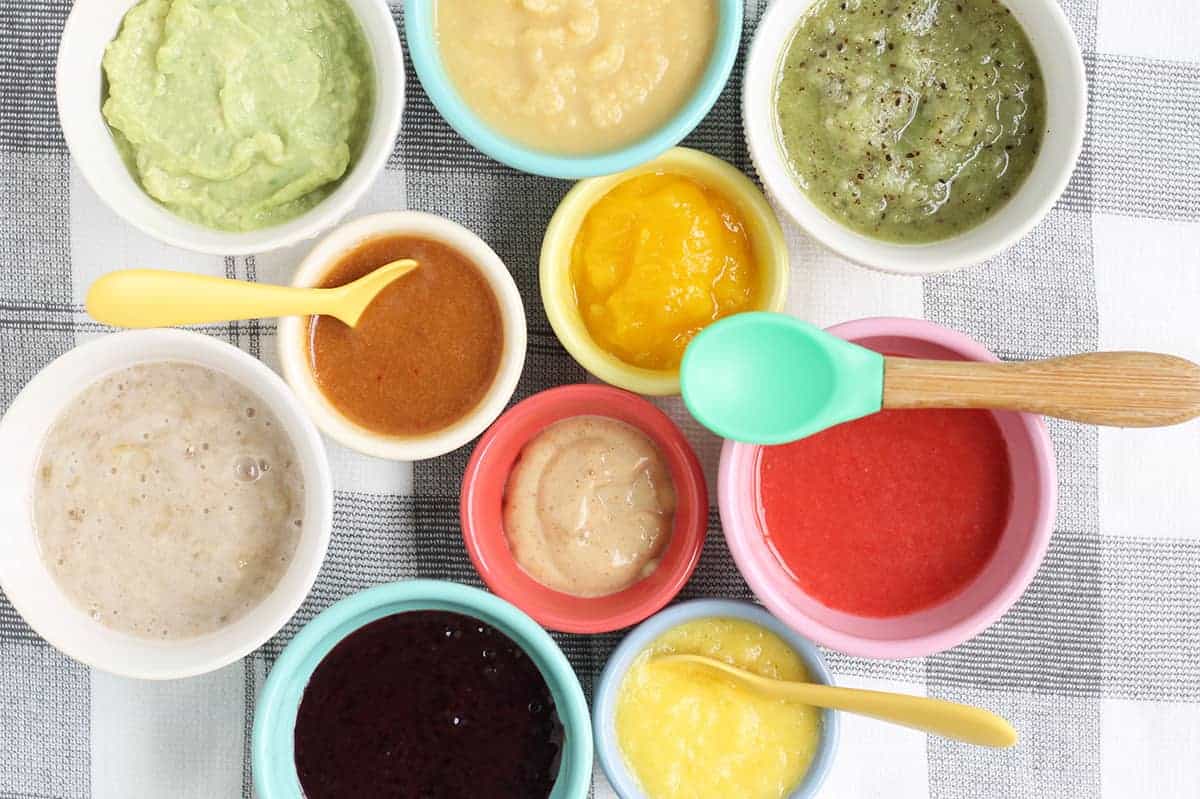
1. Banana and Avocado MashThis creamy combo is packed with nutrients and is a breeze to prepare. Mash half a ripe banana and half a ripe avocado together until smooth. If the mixture feels too thick, add a tablespoon of breast milk, formula, or water to adjust the texture.
Bananas provide natural sweetness, while avocados offer healthy fats—perfect for your baby’s brain development. Plus, no cooking is required! Just be sure to serve it fresh since avocado can brown quickly.
2. Sweet Potato PureeSweet potato is a favorite among babies because of its natural sweetness and smooth texture. Peel one medium sweet potato, cut it into small cubes, and steam until tender (about 10–15 minutes).
Blend the cooked sweet potato with a little water to make a puree. You can also use breast milk or formula for added nutrients. Want to mix it up? Add a pinch of cinnamon for extra flavor—your baby will love it!
3. Apple and Carrot PureeApples and carrots make a naturally sweet and slightly tangy puree. Peel and dice one apple and one medium carrot, then steam together for 10–12 minutes until soft.
Blend them with water until smooth, adjusting the consistency as needed. This is a great recipe if your baby is teething since the cool puree feels soothing on their gums.
4. Peas and Spinach BlendLooking to add some greens to your baby’s diet? Steam one cup of fresh or frozen peas along with a handful of spinach leaves for 5–7 minutes.
Blend the cooked veggies with a little water or baby-safe broth until smooth. The vibrant green color is fun for babies to explore, and the nutrients are great for their growing bodies.
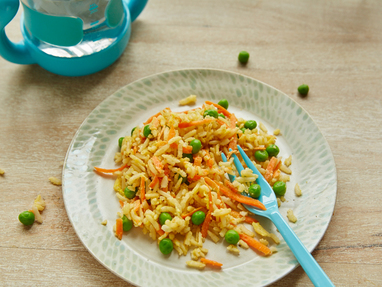
5. Lentil and Veggie MashIf you’re ready to introduce protein, lentils are a great choice. Cook ¼ cup of red lentils with one chopped carrot and a small piece of zucchini until everything is soft and tender.
Mash or blend the mixture to your desired texture. This dish is rich in iron and protein, which are essential for your baby’s growth and energy.
6. Pear and OatmealStart your baby’s day with this delicious breakfast option. Cook 2 tablespoons of oats in water or breast milk until soft, then blend with half a ripe pear for natural sweetness.
The fiber in oats and pears is gentle on tiny tummies and helps keep things moving. You can even make this ahead of time and store it in the fridge for busy mornings.
Making baby food doesn’t need fancy gadgets or endless ingredients. Which of these recipes are you excited to try first? You’ll not only save money but also build confidence in knowing your baby is eating fresh, wholesome meals. So grab your ingredients, and let’s get blending!
Storage And Safety Tips
Making baby food at home for your 8-month-old is rewarding. It allows you to provide nutritious meals tailored to your baby’s needs. After preparing the food, storing it safely is essential. Proper storage keeps the food fresh and prevents contamination. Follow these simple storage and safety tips to ensure your baby’s meals remain healthy.
Choose The Right Containers
Use BPA-free, airtight containers to store homemade baby food. Glass jars with lids or silicone trays are great options. They help maintain freshness and prevent leaks. Avoid using containers with cracks or damage.
Label And Date Each Batch
Label containers with the type of food and the preparation date. This helps you track freshness and reduces waste. Always use the oldest batches first.
Store In Small Portions
Divide baby food into small servings before storing. Smaller portions are easier to thaw and reduce waste. Use ice cube trays to freeze individual servings for convenience.
Follow Refrigerator Guidelines
Keep homemade baby food in the refrigerator for up to 3 days. For longer storage, use the freezer. Ensure your fridge temperature stays below 40°F (4°C).
Freeze For Long-term Storage
Freeze baby food for up to 3 months in airtight containers. Thaw frozen food in the fridge overnight or under cold water. Avoid refreezing thawed food.
Practice Safe Heating
Heat baby food on the stove or in the microwave until warm. Stir well to avoid hot spots. Test the temperature before feeding your baby.
Discard Leftovers
Throw away any food left in the baby’s bowl after feeding. Saliva from spoons can contaminate the remaining food. Serve only the amount your baby will eat.
Keep Clean During Preparation
Wash your hands and equipment thoroughly before making baby food. Use clean cutting boards and utensils to avoid bacteria. Sterilize containers regularly for added safety.
Credit: www.yummytoddlerfood.com
Signs Your Baby Enjoys The Food
Introducing your baby to homemade food can be a delightful experience. Watching their reactions helps you understand what they enjoy. Babies use their expressions and actions to show their preferences. Recognizing these signs can make mealtime more enjoyable for both of you. Here are some common signs your baby loves the food you’re offering.
1. Eagerly Opens Their Mouth
If your baby opens their mouth wide as the spoon approaches, it’s a positive sign. It shows they are excited to taste the food. This action also indicates their willingness to eat more.
2. Smiles Or Makes Happy Sounds
A baby who smiles or coos while eating is clearly enjoying the meal. These happy sounds are their way of expressing satisfaction. It can make you feel confident about your food choices.
3. Reaches For The Spoon
Babies who reach for the spoon are showing enthusiasm. This behavior suggests they are eager to explore and taste. It’s a playful and encouraging sign of their interest in the food.
4. Shows Excitement By Kicking Or Moving Arms
Excited movements like kicking legs or waving arms often mean they’re pleased. This physical response is their way of expressing joy during mealtime. It’s a great indicator that they’re enjoying the experience.
5. Finishes The Portion
Finishing their portion without fussing is a clear sign they love the food. It means the taste and texture are meeting their preferences. It’s also a sign they’re satisfied and content.
6. Looks At You For More
If your baby looks at you expectantly after finishing a spoonful, it’s a sign they want more. This behavior shows they’re engaged and enjoying their meal. It’s a cue to continue feeding.
Credit: thesavvyspoon.com
Frequently Asked Questions
How To Make An 8 Month Old Baby Eat Food?
Introduce soft, mashed foods like fruits, vegetables, or cereals. Offer small portions and encourage self-feeding with baby-safe utensils. Keep mealtimes calm and consistent. Avoid force-feeding and make food visually appealing. Monitor for allergies and consult a pediatrician for tailored advice.
Patience and positive reinforcement help build healthy eating habits.
What Food Can I Feed My 8 Month Old Baby?
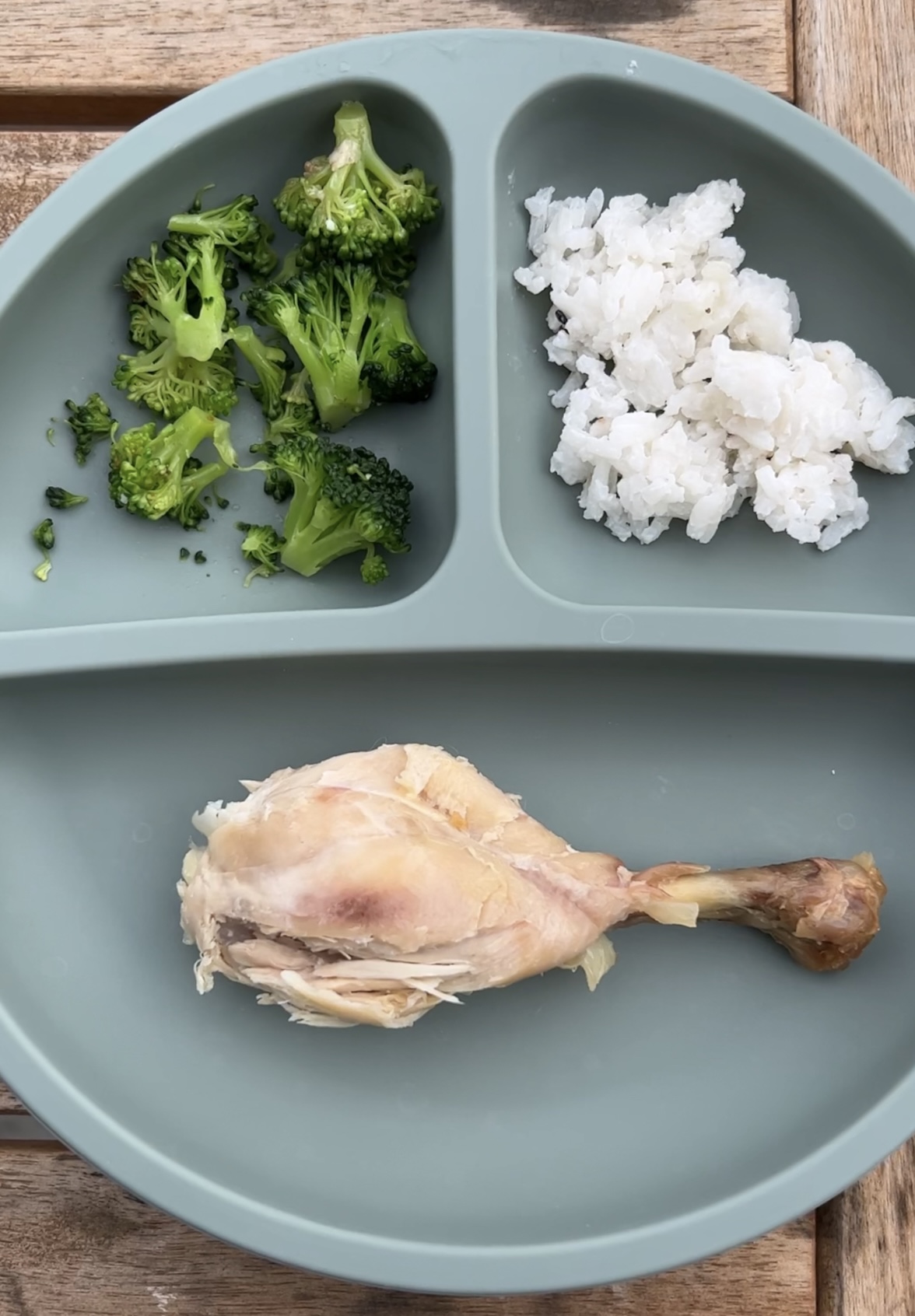
You can feed your 8-month-old pureed fruits, soft vegetables, small amounts of protein, yogurt, and iron-fortified cereals. Avoid honey, whole nuts, and choking hazards. Introduce finger foods like soft fruits or steamed veggies. Always ensure food is mashed or cut into small pieces for safety.
Consult your pediatrician for personalized advice.
Is It Better To Steam Or Boil Food For Babies?
Steaming is better than boiling for baby food. It preserves more nutrients, texture, and flavor compared to boiling.
Can 8 Month Old Babies Eat Regular Food?
Yes, 8-month-old babies can eat regular soft foods. Offer mashed fruits, vegetables, and small, bite-sized pieces of cooked food. Avoid choking hazards like nuts, hard candies, or raw vegetables. Always supervise meals and introduce one new food at a time to monitor for allergies.
Consult your pediatrician for personalized guidance.
Conclusion
Making baby food at home is simple, healthy, and cost-effective. You can control the ingredients and ensure your baby eats fresh meals. Start with soft, easy-to-digest options like fruits, veggies, and grains. Always prioritize cleanliness and proper storage to keep food safe.
Experiment with different flavors to discover what your baby enjoys. Homemade baby food helps you bond during mealtime and promotes good eating habits early on. With a little effort, you can give your baby nutritious meals every day. Try these tips and watch your little one thrive with wholesome, homemade goodness.