Are you wondering when and how often to introduce new foods to your baby? You’re not alone.
Feeding your little one is an exciting milestone, but it can also feel a bit overwhelming. You want to make sure you’re doing it right—giving them the nutrients they need while avoiding upset tummies or picky eating habits later on.
The good news? You don’t have to figure it all out on your own. In this post, we’ll break down exactly how often you should introduce new baby foods, making it easy for you to feel confident in your choices. Whether you’re a first-time parent or just need a refresher, this guide will help you create a smooth and stress-free feeding experience. Keep reading to discover the best tips for nurturing your baby’s growing palate!
Starting Solids
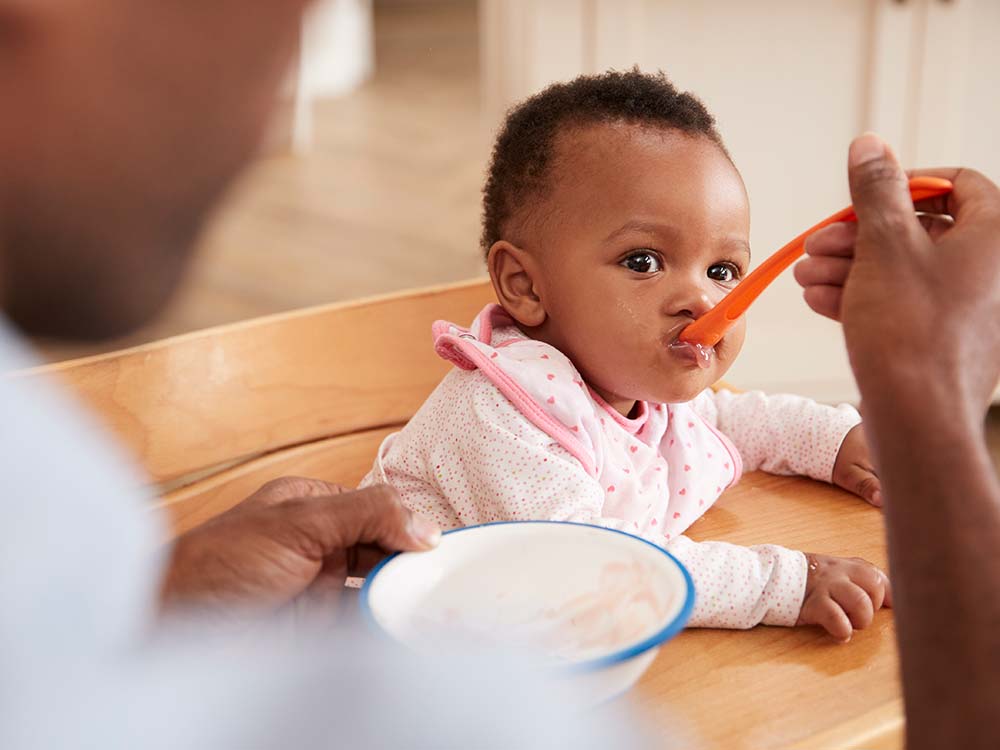
Starting solidsis an exciting milestone for you and your baby. It’s the beginning of a new chapter filled with tiny spoons, funny faces, and unexpected messes. But how often should you introduce new foods? Let’s break it down so you feel confident about your baby’s first bites.
What Is The Right Age To Start Solids?
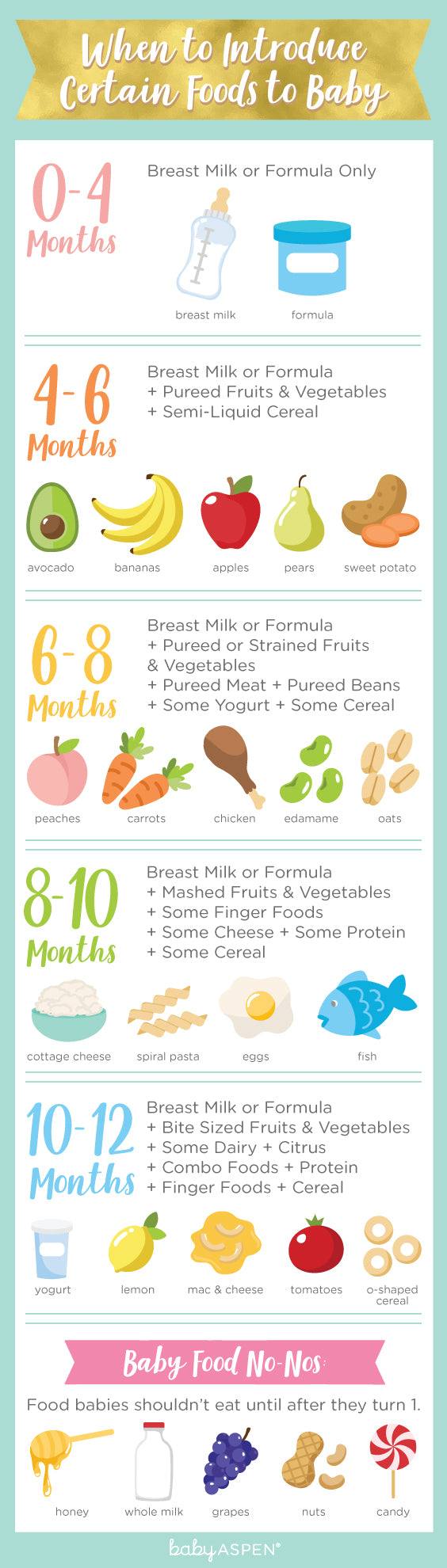
Experts usually recommend starting solids around six months. By then, most babies can sit up with support and have better control over their tongues, reducing the risk of choking.
But every baby is different. Look for signs like interest in your food, opening their mouth when offered a spoon, or the ability to swallow purées without pushing them out. These cues will let you know they’re ready.
How Often Should You Offer New Foods?
Introduce one new food every 3 to 5 days. This gives you time to spot any potential allergic reactions, like rashes, vomiting, or diarrhea.
Start with single-ingredient foods like mashed banana, sweet potato, or avocado. Once your baby tolerates those, you can mix them for new flavors and textures.
Wondering why the wait? It’s not just about allergies. It also helps your baby explore each new taste without feeling overwhelmed.
What Portion Size Should You Begin With?
Begin with a teaspoon or two of food. Babies have tiny tummies, so a little goes a long way.
If your baby shows they want more—like leaning toward the spoon or opening their mouth eagerly—gradually increase the amount. But don’t stress if they only take a bite or two at first. It’s more about the experience than the quantity.
How Can You Make Mealtime Fun?
Babies pick up on your energy, so keep it light and playful. Make silly sounds, smile, and encourage exploration.
Let your baby touch the food with their hands, even if it gets messy. It’s all part of learning. Have you ever noticed how much more curious they get when they can squish that avocado or swipe at the spoon?
Also, eat alongside them when possible. Babies love to mimic you, and seeing you enjoy food encourages them to do the same.
What About Allergens?
Introducing allergens early, such as peanut butter or eggs, may actually reduce the risk of allergies. Talk to your pediatrician if you’re unsure, especially if your family has a history of food allergies.
Start with a tiny amount—like a dab of peanut butter mixed with breast milk or formula. Watch closely for any reactions. If none occur, you can gradually increase the portion the next time.
Remember, it’s okay to feel nervous, but the key is to go slow and trust the process. What food will you try with your baby first?
Signs Your Baby Is Ready
Introducing new baby food is an exciting milestone for parents and babies. Knowing when your baby is ready for solid foods is key. Babies develop at their own pace, but certain signs can help you decide.
Pay attention to physical and behavioral changes. These changes indicate readiness for new textures and flavors. Early recognition of these signs ensures a smooth transition to solids.
Physical Development Milestones
Babies must have enough strength to sit upright with support. Sitting upright helps with swallowing and reduces choking risks. Look for steady head and neck control during mealtime.
Another sign is the loss of the tongue-thrust reflex. This reflex pushes food out of their mouth. Its disappearance signals readiness for solid foods.
Increased Interest In Food
Notice if your baby watches you while you eat. Babies often reach for food or open their mouths during mealtime. This curiosity shows growing interest in exploring food.
Eye contact with food and mimicking chewing motions are common readiness indicators. These behaviors suggest they are prepared to try new textures.
Appetite Changes
Babies may seem hungrier than usual, even after milk feeds. Signs include frequent feeding or waking for extra milk during the night. Increased appetite may mean they need more nutrition from solid foods.
It’s important to introduce new foods gradually. Start with small portions and observe their reaction.
Weight And Age Milestones
Most babies are ready for solids around six months old. They often double their birth weight by this age. A healthy weight gain is a sign of readiness for new foods.
Consult your pediatrician before introducing solids. They can confirm your baby’s readiness based on growth and development.
Ideal Timing Between Foods
Introducing new foods to your baby is an exciting journey. Timing plays an important role in ensuring your baby adapts well. Spacing out new foods allows their tiny digestive system to adjust. It also helps you monitor for potential allergies or sensitivities. Below, we’ll explore the ideal timing between introducing new baby foods.
How Many Days To Wait Between Foods?
Wait three to five days before adding a new food. This gap gives you time to observe any allergic reactions. Common signs of allergies include rashes, diarrhea, or unusual fussiness. If no issues arise, you can confidently move to the next food.
Why A Waiting Period Is Important
A waiting period helps pinpoint the cause of any reactions. Babies have immature immune and digestive systems, so adjustments take time. Introducing foods too quickly can overwhelm their system. Spacing foods ensures they adapt comfortably.
Signs Your Baby Is Ready For The Next Food
Observe your baby’s behavior and digestion before introducing something new. If they show no signs of discomfort after trying a food, they’re ready. Consistent appetite and happy moods are good indicators to proceed. Always consult your pediatrician if unsure.
Best Practices For Introducing New Foods
Start with simple, single-ingredient foods like pureed vegetables or fruits. Avoid mixing multiple foods in the beginning. This makes it easier to track reactions. Keep portions small and gradually increase as your baby adjusts. Patience is key to building healthy eating habits.
Credit: raisingchildren.net.au
Managing Allergies And Reactions
Introducing new foods to your baby is an exciting journey. But it requires care, especially to monitor allergies and reactions. Babies have sensitive systems, and new foods can sometimes trigger adverse effects. Managing this process with patience and attention can help keep your baby safe and healthy.
Monitor One Food At A Time
Introduce only one new food every three to five days. This helps you identify any allergic reactions linked to that specific food. Avoid mixing new foods together during this period. It’s easier to spot what caused a reaction when foods are introduced individually.
Look For Common Allergy Symptoms
Watch for signs like rashes, vomiting, or diarrhea after a new food. Other symptoms can include swelling, coughing, or difficulty breathing. Some reactions may appear within minutes, while others take hours or days. Keep an eye on your baby for at least 48 hours after introducing a new food.
Start With Low-allergen Foods
Begin with foods less likely to cause allergies, such as vegetables or rice cereal. These foods are generally easier on a baby’s digestive system. Gradually move to higher-risk foods like eggs, peanuts, or seafood. Always consult your pediatrician before introducing such foods.
Keep A Food Diary
Record every new food introduced along with the date. Note any symptoms or unusual changes you observe after feeding. A food diary helps track patterns and identify potential allergens. It also provides useful information for your pediatrician if concerns arise.
Know When To Seek Medical Advice
Seek immediate help if your baby shows severe symptoms. These include difficulty breathing, swelling of the face, or extreme drowsiness. Consult your doctor for mild symptoms that persist or worsen. Early intervention ensures your baby stays safe and healthy.
Balancing Variety And Safety
Introducing new baby foods is an exciting milestone for parents. It’s essential to offer variety while ensuring your baby’s safety. Babies need diverse nutrients to grow, but their bodies are still developing. Striking the right balance can help prevent allergies and ensure healthy digestion.
Parents often wonder how often to introduce new foods. This decision depends on your baby’s age and readiness. Following simple guidelines can make this process smoother and more enjoyable.
Why Variety Matters
Offering a range of foods gives your baby essential nutrients. Different flavors and textures also help develop their palate. Babies exposed to variety early may be less picky later. Mixing food groups ensures they get vitamins, minerals, and fiber.
A balanced diet supports healthy growth and development. Fruits, vegetables, grains, and proteins all play key roles. Introducing variety early teaches them healthy eating habits for life.
The Importance Of Safety
Safety should always come first when feeding your baby. Babies can develop allergies to new foods. Introducing one food at a time helps you track reactions. Wait 3-5 days before trying another food.
Start with single-ingredient foods like mashed banana or sweet potato. Check for signs of discomfort, like rash or upset stomach. Avoid foods that pose choking risks, like nuts or whole grapes.
How To Balance Both
Introduce new foods gradually to balance variety and safety. Rotate between food groups while sticking to one food every few days. This builds diversity without overwhelming your baby’s system.
Focus on nutrient-rich options like avocados, peas, or oatmeal. Always consult your pediatrician for guidance on food choices. Keeping a food diary helps track reactions and preferences.
Remember, patience is key during this process. Every baby develops at their own pace.

Credit: www.madeformums.com
Common Mistakes To Avoid
Introducing new foods to your baby is an exciting milestone. It’s also a time when parents can make simple yet avoidable mistakes. These mistakes may impact your baby’s eating habits and overall health. Understanding what to avoid can make the process smoother and more enjoyable.
Below are common mistakes parents make while introducing baby food. Avoiding these will help your baby develop a positive relationship with food.
Offering Too Many New Foods At Once
Babies need time to adjust to each new food. Offering multiple new foods at the same time can overwhelm their taste buds. It also makes it harder to detect allergies or sensitivities. Stick to one new food every three to five days.
Skipping Single-ingredient Foods
Single-ingredient foods help identify potential food allergies. They also allow your baby to experience specific flavors. Avoid starting with mixed dishes like soups or stews. Begin with simple options like mashed carrots or plain applesauce.
Introducing New Foods Too Quickly
Babies need time to develop their palates. Rushing through new foods may lead to picky eating. Give your baby a chance to get familiar with each flavor. Consistency is key to building healthy eating habits.
Using Salt, Sugar, Or Seasonings
Babies’ digestive systems are sensitive to added salt or sugar. Seasonings may also mask natural flavors. Avoid adding these to baby food during the early stages. Let your baby enjoy the natural taste of fruits and vegetables.
Feeding Purees For Too Long
Purees are a great starting point for introducing solids. But sticking to them too long can delay chewing skills. Gradually introduce soft, mashed, or small textured foods. This encourages your baby to learn how to chew and swallow properly.
Ignoring Hunger And Fullness Cues
Babies have natural instincts for hunger and fullness. Ignoring these cues can create negative associations with eating. Watch for signs like turning their head or closing their mouth. Respect these signals to avoid overfeeding or underfeeding.
Introducing Allergenic Foods Too Late
Delaying allergenic foods like peanuts or eggs may increase allergy risks. Current guidelines suggest introducing these foods early, around six months. Always consult your pediatrician before doing so.
Not Offering A Variety Of Foods
Babies benefit from tasting different flavors and textures. Sticking to the same foods limits their exposure. Offer a variety of fruits, vegetables, and grains over time. This helps develop a balanced diet and reduces picky eating later.

Credit: www.madeformums.com
Frequently Asked Questions
What Is The Rule Of 3 Baby Food?
The rule of 3 baby food involves introducing one new food every three days to monitor allergies or sensitivities effectively.
Can You Introduce A New Food Every Day?
Introducing a new food daily is possible but not recommended. Gradual changes help monitor allergies, digestion, and preferences effectively.
Should I Give My Baby Purees Every Day?
Yes, you can give your baby purees daily as part of a balanced diet. Focus on offering nutritious, age-appropriate options.
What Is The First Food I Should Introduce To My Baby?
Start with single-grain cereals like rice or oatmeal mixed with breast milk or formula. Pureed vegetables, fruits, or mild meats are also great options. Introduce one food at a time to monitor allergies. Always ensure the texture is soft and easy to swallow for your baby’s safety.
Conclusion
Introducing new foods to your baby is an exciting journey. Start slow and watch for any reactions. Stick to one new food at a time for a few days. This helps you identify any allergies or sensitivities. Gradually increase variety as your baby gets comfortable.
Remember, every baby is different, so stay patient. Pay attention to their cues and preferences. Always consult your pediatrician for guidance. A balanced approach sets the foundation for healthy eating habits. Enjoy this special time of discovery with your little one!