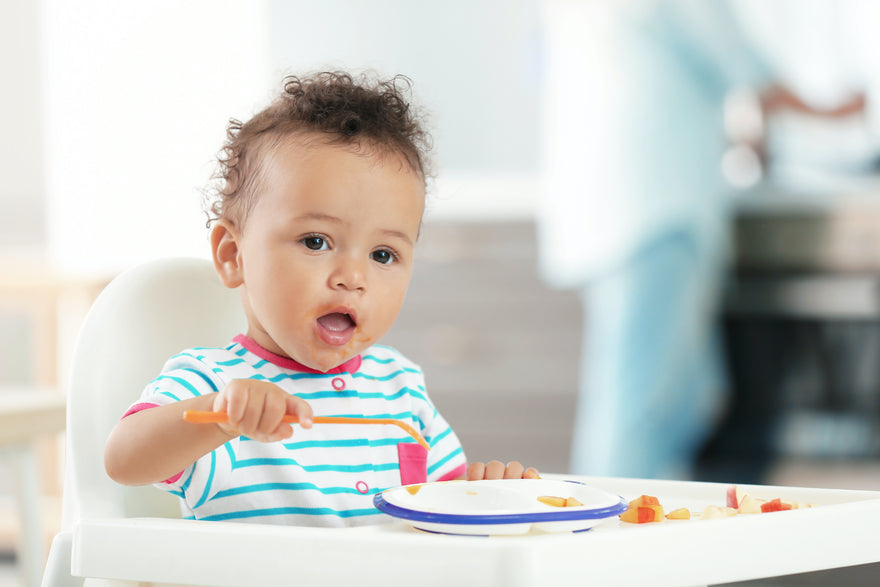
How Long Does Baby Food Take to Digest? As a parent, you’re always thinking about what’s best for your baby.
You carefully choose their food, making sure it’s nutritious and easy to eat. But have you ever wondered how long it actually takes for baby food to digest? Understanding this process can help you make better decisions about feeding schedules and portion sizes, ensuring your little one stays happy and comfortable.
Here’s the thing: your baby’s tiny tummy works a little differently than yours. And knowing what’s going on behind the scenes can give you peace of mind and help you avoid common feeding challenges like fussiness or tummy troubles. Curious to learn how it all works? Keep reading, because what you’ll discover might just change the way you approach mealtime for your baby.
Credit: health.clevelandclinic.org
Factors Affecting Digestion
Understanding how long baby food takes to digest can be tricky. Babies have delicate digestive systems that process food differently than adults. Various factors can influence digestion time, making it unique for every baby. Below, we explore the key factors that affect how your baby’s body processes food.
1. Type Of Baby Food
The kind of food your baby eats plays a big role. Pureed fruits and vegetables digest faster than proteins or grains. Foods high in fiber, like sweet potatoes, may take slightly longer. Store-bought baby food often has added ingredients, which can also impact digestion time.
2. Baby’s Age
Newborns digest breast milk or formula faster than older babies process solids. At around six months, their digestive system becomes more mature. This helps them break down different types of food more efficiently.
3. Portion Size
Smaller portions are easier for babies to digest compared to larger servings. Overfeeding may slow down digestion and cause discomfort. It’s best to feed your baby small amounts at a time.
4. Cooking Method
Well-cooked food is easier for babies to digest than raw or undercooked food. Steaming or boiling softens the food, making it gentle on their stomach. Avoid fried or greasy food, as it can strain their digestive system.
5. Baby’s Activity Level
Active babies may digest food faster due to increased metabolism. Less active babies might take longer to process the same meal. Pay attention to your baby’s energy levels throughout the day.
6. Individual Sensitivities
Some babies have sensitivities to specific foods, which can slow digestion. Common culprits include dairy, gluten, or certain fruits. Monitor your baby’s reaction to new foods to identify potential triggers.
7. Hydration Levels
Water aids digestion and helps move food through the system smoothly. Babies on solids should have small amounts of water with meals. Dehydration can slow down digestion and cause constipation.
Stages Of Baby Digestion
Have you ever wondered what happens to baby food after your little one eats it? Baby digestion is a fascinating process with distinct stages. Understanding these stages can help you make better decisions about your baby’s diet and recognize when something might be off.
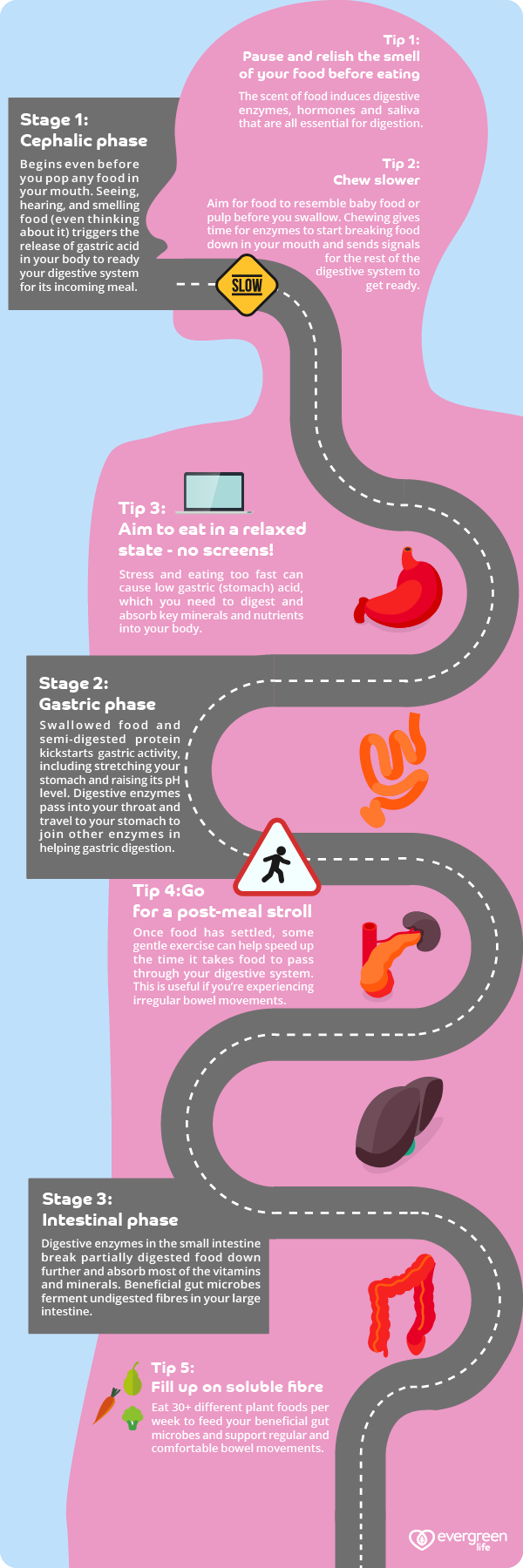
Stage 1: The Mouth – Where Digestion Begins
Your baby’s digestion starts the moment food enters their mouth. Saliva helps break down food particles, especially soft purees or mashed foods. Encouraging your baby to chew (even with gums) ensures the food is properly mixed with saliva for better digestion.
Have you noticed how some babies suck on food rather than chewing? This can slow down digestion because the food isn’t fully prepared for the stomach. Offering small, manageable bites can help your baby get used to chewing and swallowing effectively.
Stage 2: The Stomach – Breaking It Down
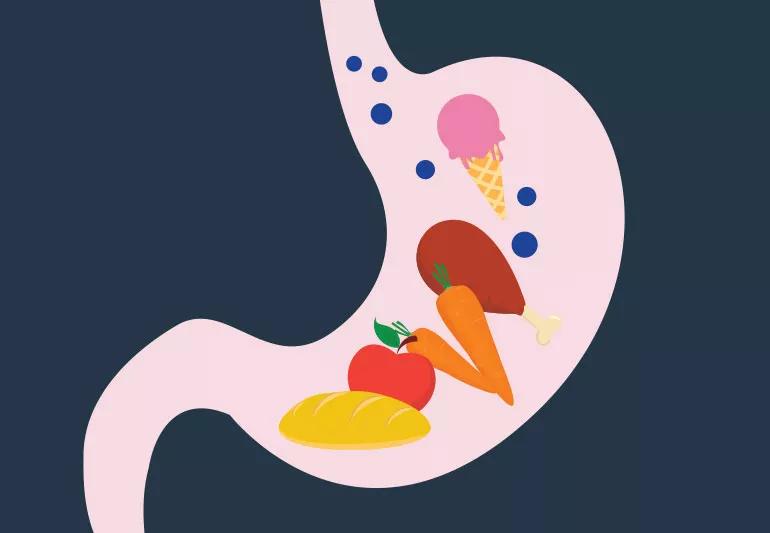
Once swallowed, the food moves to the stomach, where acids and enzymes work to break it down further. Baby stomachs are much smaller, so they process food quickly, especially liquid-based foods like pureed fruits or breast milk.
If your baby seems fussy after eating certain foods, it might be because their stomach is struggling with digestion. Foods like protein-rich meats or fibrous vegetables can take longer to digest. Offering gentle, easy-to-digest options ensures their stomach doesn’t get overwhelmed.
Stage 3: The Small Intestine – Absorbing Nutrients
The small intestine is where the magic happens. Nutrients like vitamins, minerals, and fats are absorbed into your baby’s bloodstream here. Foods rich in natural nutrients, like mashed avocados or bananas, are great for this stage.
Did you know the speed of digestion depends on the type of food? Simple carbohydrates digest faster, while fats and proteins take longer to break down. This is why balanced meals are key, even for babies.
Stage 4: The Large Intestine – Final Processing
In the large intestine, the remaining food is processed, and water is absorbed. This stage determines the consistency of your baby’s poop, which can give you clues about their digestion. For example, watery stools might mean the food passed too quickly.
If you notice changes in your baby’s bowel movements, it’s worth evaluating their diet. Adding fiber-rich foods like pureed peas or sweet potatoes can help regulate digestion in this final stage.
Understanding these stages makes feeding your baby less of a guessing game. Which stage surprised you the most? Let us know in the comments below!
Breast Milk Vs. Formula
Understanding how long baby food takes to digest is essential for parents. The digestion process depends on the type of food, including breast milk and formula. These two feeding options differ significantly in how a baby’s system processes them. Below, we’ll explore the digestion times for both breast milk and formula.
Breast Milk Digestion Time
Breast milk digests quickly due to its natural composition. It contains enzymes that aid digestion, making it easy on a baby’s stomach. On average, breast milk can pass through a baby’s system in about 1.5 to 2 hours. Its quick digestion helps prevent discomfort and gas. This is why breastfed babies may need to eat more frequently.
Formula Digestion Time
Formula takes longer to digest compared to breast milk. Its composition is more complex, making it harder for a baby’s system to break down. On average, formula digestion can take 3 to 4 hours. The longer digestion time keeps babies fuller for extended periods. This is why formula-fed babies often have fewer feeding sessions per day.
Key Differences In Digestion
The main difference lies in the nutrients and structure of each. Breast milk is naturally designed for optimal digestion. Formula, while nutritious, mimics breast milk but is not identical. This difference affects how quickly each moves through a baby’s digestive system. Parents can use this knowledge to plan feeding schedules effectively.
Credit: www.evergreen-life.co.uk
Solid Foods And Their Impact
Introducing solid foods is an exciting milestone in your baby’s development. It marks a shift from liquid-based nutrition to more textured meals. While this transition is essential, it also affects your baby’s digestion. Solid foods digest differently than breast milk or formula, which can influence how your baby feels and behaves.
The type of solid food plays a major role in digestion time. Understanding this can help you plan meals and ensure your baby stays comfortable.
What Happens When Babies Start Solid Foods?
Babies’ digestive systems are still developing, even as they start solids. Their bodies may take longer to process certain foods. Unlike breast milk, which digests in two hours, solid foods can take longer. Some foods like fruits and vegetables break down faster, while others, like proteins, take more time.
Introducing solids slowly helps your baby’s system adjust. Start with simple, easily digestible options like pureed carrots or bananas. Gradually add variety to their diet as their digestion improves.
Why Different Foods Digest At Different Speeds
Each food type requires different enzymes and processes for digestion. Fruits and vegetables, rich in water and fiber, digest relatively quickly. Proteins like eggs or meat take longer because they need more breakdown. Starchy foods like rice or potatoes fall somewhere in between.
Combining food types can also affect digestion speed. Pairing proteins with vegetables may slow digestion compared to eating fruits alone. Knowing this can help you create balanced meals for your baby.
Signs Your Baby May Be Struggling With Digestion
Some signs suggest your baby’s system is taking longer to adjust. Watch for bloating, gas, or unusual fussiness after meals. Hard stools or constipation may also indicate difficulty digesting certain foods. These signs often appear when new or harder-to-digest foods are introduced.
If you notice these symptoms, try reducing portions or simplifying their diet. Focus on foods that are easier to digest until their system adapts.
How To Support Healthy Digestion
Offer small portions of new foods to avoid overwhelming their system. Ensure your baby stays hydrated to aid digestion and prevent constipation. Water or breast milk alongside meals can make a big difference. Slowly introducing high-fiber foods can also help regulate their digestive health.
Patience is key during this transition. Give your baby time to adjust to their new diet and textures.
Signs Of Digestive Issues
Recognizing digestive issues in your baby is crucial for their health and comfort. When your little one’s tummy isn’t happy, it often shows in their behavior or physical symptoms. Learning to spot these signs early can make a big difference in helping your baby feel better.
1. Changes In Stool
Pay close attention to your baby’s diaper. If their poop suddenly becomes watery, hard, or changes color drastically, it might be their body signaling digestive trouble. Green, mucus-like stools may indicate food intolerance, while unusually hard stools could point to constipation.
Have you noticed your baby straining to pass stool? If so, their digestive system might be struggling to process certain foods. Take note of patterns after introducing new baby food, as this can help pinpoint the issue.
2. Fussiness Or Crying
Does your baby seem unusually irritable after eating? Excessive crying or fussiness could be linked to tummy discomfort. Babies can’t always express pain clearly, but their mood often reflects how they feel.
If your baby cries more often after eating certain foods, consider whether their digestive system is reacting poorly. You may want to try eliminating specific foods to see if their mood improves.
3. Vomiting Or Spitting Up
Spitting up is common in babies, but frequent or forceful vomiting might be a sign of digestive issues. This could indicate that a particular food isn’t sitting well or that your baby’s stomach is sensitive.
Keep track of when vomiting happens in relation to meal times. If it occurs consistently after eating certain types of baby food, it’s time to reassess their diet.
4. Bloated Belly
A bloated or hard belly can be a clear indicator of digestive discomfort. Gently touch your baby’s stomach to check for firmness, as this could mean gas or constipation.
If your baby’s belly looks puffed up and they’re not passing gas or stool regularly, it may be time to consult your pediatrician. A small dietary tweak could be all they need to feel better.
5. Poor Appetite
Babies typically enjoy their meals, but a sudden lack of interest in food might signal a problem. If your little one refuses to eat or only takes a few bites, digestive discomfort could be the cause.
Try offering smaller portions or different textures. Sometimes, food that’s harder to digest might be the culprit behind their reluctance.
6. Skin Rash Or Redness
Digestive issues can sometimes show up on your baby’s skin. A rash or redness around their mouth or diaper area after eating could hint at a food allergy or intolerance.
Document the foods your baby eats before noticing skin changes. Patterns can help you identify what’s causing the reaction and guide you toward safer options.
Digestive issues aren’t uncommon in babies, but they don’t have to linger. What signs have you noticed in your baby after mealtime? Share your experiences below—your insight might help another parent navigate this tricky phase!

Credit: www.instagram.com
Tips For Supporting Healthy Digestion
As a parent, you might wonder if there’s anything you can do to help your little one digest their food more smoothly. The good news is, you can! By paying attention to a few simple habits, you can support your baby’s developing digestive system and make mealtimes more comfortable for them.
1. Feed Age-appropriate Foods
Babies’ digestive systems are still maturing, so feeding them the right foods for their age is essential. For example, pureed fruits like apples or bananas are gentle on a young stomach and easy to digest. Avoid jumping to harder-to-digest foods like dairy or proteins until your pediatrician gives the green light.
2. Watch Portion Sizes
Small bellies mean small portions. Overfeeding can overwhelm your baby’s digestive system and lead to discomfort. Start with a teaspoon or two of food and gradually increase as they grow and show signs of hunger.
3. Stick To A Feeding Schedule
Babies thrive on routine, and so do their tummies. Offering meals at consistent times helps their digestive system “learn” when to expect food. This can prevent unnecessary snacking and make digestion more predictable.
4. Keep Them Hydrated
Water plays a critical role in digestion, even for babies. For babies older than 6 months, a small amount of water between meals can help keep things moving smoothly. Younger babies get all the hydration they need from breast milk or formula, so avoid giving water too early.
5. Encourage Gentle Movement
Have you noticed how your baby kicks and wriggles after eating? This movement helps their tiny digestive system process food. You can encourage this by giving your baby tummy time or gently massaging their belly in circular motions.
6. Look Out For Food Sensitivities
If your baby seems uncomfortable, gassy, or constipated after eating certain foods, they might be sensitive to them. Keep a food diary to track what they eat and how they react. This can help you pinpoint problem foods and discuss them with your doctor.
7. Avoid Overloading With New Foods
Introducing too many new foods at once can confuse your baby’s digestive system. Stick to one new food at a time and wait 3–5 days before adding another. This also makes it easier to identify any foods that don’t sit well with them.
8. Be Patient And Observe
Every baby is different, and what works for one might not work for another. Pay attention to your baby’s cues—whether it’s a full tummy, discomfort, or hunger—and adjust accordingly. Your baby’s digestion will become more efficient as they grow.
Making small adjustments to your baby’s diet and routine can have a big impact on their digestion. Which tip are you excited to try first? Share your thoughts in the comments below!
Frequently Asked Questions
How Long Does It Take For Baby Food To Digest?
Baby food typically takes 2-3 hours to digest, depending on the type and your baby’s digestive system development.
How Can I Tell If My Baby Is Digesting Food Properly?
Check for regular bowel movements, soft stools, minimal gas, and a happy, active baby. Monitor weight gain and feeding patterns.
How Can I Make My Baby’s Food Digest Faster?
Feed smaller, more frequent meals and avoid heavy, fatty foods. Offer pureed fruits, vegetables, and easily digestible grains. Keep your baby hydrated and encourage gentle movement, like tummy time, to aid digestion. Avoid overfeeding and consult a pediatrician for specific concerns.
How Long Does It Take For Babies To Poop What They Ate?
Babies usually take 24 to 48 hours to poop out what they ate. Digestion time varies by age and diet.
Conclusion
Understanding how long baby food takes to digest helps parents plan better. Digestion time varies based on the type of food and your baby’s age. Purees digest faster than solid foods, while proteins and fats take longer. Paying attention to your baby’s cues is important for their comfort.
Always introduce new foods gradually and monitor reactions. A balanced diet supports healthy digestion and growth. Talk to your pediatrician if you notice digestive issues. With time, you’ll learn what works best for your little one’s needs. Keeping it simple and nutritious makes all the difference.