Diaper rash can be a distressing experience for both you and your baby. It’s not just about dealing with a fussy little one; it’s also about ensuring their comfort and well-being.
While most diaper rashes are harmless and easily treated, there’s always that nagging worry: is it something more serious? How can you tell if a diaper rash is infected? These questions might keep you up at night, but don’t worry—you’re not alone.
Understanding the signs of an infected diaper rash can make all the difference in how you approach treatment and care. This article will guide you through what to look for and when to seek help, helping you make informed decisions for your baby’s health. Stay with us, and you’ll discover the crucial signs that can save you stress and give you peace of mind.
Identifying Diaper Rash Symptoms
Redness and swelling might signal an infected diaper rash. Look for pus-filled blisters or open sores. Consult a doctor if these symptoms appear.
Identifying diaper rash symptoms can be tricky, especially for new parents. Diaper rash is common, but knowing when it’s more than just a simple irritation is crucial. You’ll need to pay close attention to your baby’s skin and behavior to spot any signs of infection early.Redness And Inflammation
The first sign of diaper rash is usually redness and inflammation. While a mild rash might look like a pinkish hue, an infected rash often appears bright red. If you notice swelling or the redness spreading beyond the diaper area, it could signal an infection.Pus Or Blisters
Check for any unusual spots like pus-filled blisters or sores. These are not typical of a regular diaper rash and can indicate an infection. If you see any blisters, it’s important to consult with your pediatrician.Foul Odor
You might notice an unpleasant smell coming from the rash. A foul odor can be a clue that the rash is infected. Trust your instincts—if something smells off, it’s worth investigating further.Fever Or Fussiness
Has your baby been extra fussy or running a fever? These could be signs that the rash is more than just skin deep. An infected rash can cause discomfort and even lead to a fever, so keep an eye on your baby’s overall health.Persistent Rash
If the rash doesn’t improve with regular diaper cream or continues to worsen, it might be infected. A persistent rash that doesn’t respond to typical treatments should be evaluated by a healthcare professional. Remember, you’re the best advocate for your baby’s health. Trust your gut and seek medical advice if you suspect an infection. What other symptoms have you noticed that made you concerned?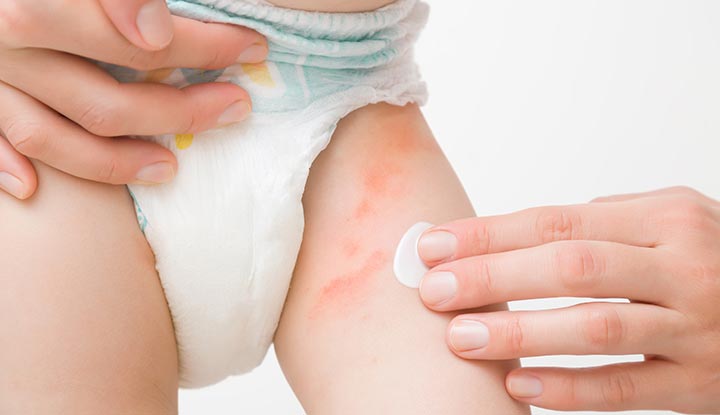
Credit: my.clevelandclinic.org
Common Causes Of Diaper Rash
Diaper rash is a common concern for parents and caregivers, often causing discomfort for your little one. While it’s a typical issue, understanding the root causes can help you prevent it from happening. Let’s take a closer look at the common causes of diaper rash.
Friction And Irritation
One of the most common causes of diaper rash is simple friction. Imagine wearing the same tight clothing all day. Diapers that are too snug or rub against sensitive skin can create red, inflamed areas. Check the fit of your baby’s diaper to ensure it’s not too tight, allowing some room for movement.
Prolonged Exposure To Moisture
Wet diapers are a breeding ground for irritation. Keeping your baby’s skin dry is crucial. Change diapers frequently, especially after your baby has urinated or had a bowel movement. Consider using super-absorbent diapers to keep moisture at bay.
Reaction To Products
Many babies have sensitive skin that reacts to certain products. Wipes, soaps, and even laundry detergents can cause irritation. Have you noticed a rash after changing brands? Try switching to hypoallergenic or fragrance-free options to see if it makes a difference.
Introduction Of New Foods
Introducing new foods can change the composition of your baby’s stool, potentially causing irritation. Keep track of any dietary changes and observe how your baby’s skin reacts. If a rash develops, consult your pediatrician about possible allergies or sensitivities.
Bacterial Or Yeast Infections
Sometimes, diaper rash goes beyond simple irritation and becomes infected. Look for signs like blisters, pus, or a rash that doesn’t improve with regular care. If you suspect an infection, it’s time to see a doctor for proper diagnosis and treatment.
Identifying the common causes of diaper rash can help you take proactive steps to prevent it. Are there changes you can make today to protect your baby’s delicate skin? A little observation and a few adjustments can go a long way in keeping your baby comfortable and rash-free.
Signs Of Infection In Diaper Rash
Diaper rash is a common issue for babies. But sometimes, it can become infected. Recognizing the signs of an infection is important. Early detection helps in treating it effectively. Below are some signs that indicate a diaper rash may be infected.
Redness And Swelling
An infected diaper rash often shows intense redness. The area may also swell. This swelling can cause discomfort to your baby. Keep an eye on any changes.
Pus Or Fluid Drainage
Notice any pus or fluid? This could be a sign of infection. Normal diaper rashes do not usually have pus. Seek medical advice if you see this symptom.
Fever
A fever in your baby could signal an infection. Diaper rash alone typically does not cause a fever. Monitor your baby’s temperature closely.
Blisters Or Sores
Blisters or open sores might develop. These can be painful and need attention. They may indicate a more serious infection.
Unusual Odor
An infected rash might have an unusual smell. This can help you identify a problem. Trust your instincts if something seems off.
Behavioral Changes
Is your baby more irritable or fussy? This can be a response to pain. Changes in behavior can point to an infection.
Persistent Rash
A rash that doesn’t improve with treatment may be infected. If it lasts longer than a few days, consult a doctor. Early intervention is key.
Credit: www.mountsinai.org
Differences Between Mild And Severe Rash
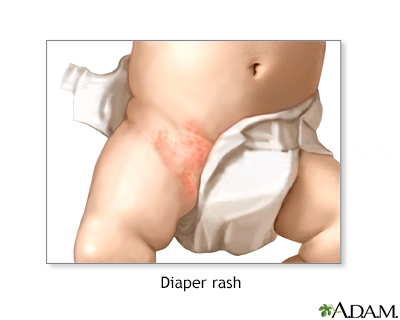
Mild diaper rash appears as small pink or red patches on the skin. Severe rash looks angrier, with larger, swollen areas. Infection signs include pus-filled bumps, open sores, or a fever.
Understanding the differences between a mild and severe diaper rash can help you take the right steps to soothe your baby’s discomfort. Mild diaper rashes are common and usually clear up with simple home remedies. However, a severe rash, especially if infected, may need medical attention. Knowing the signs can help you act quickly and effectively.What Does A Mild Rash Look Like?
A mild diaper rash often appears as small, red, and slightly raised spots on your baby’s bottom. These spots might look a bit like mild sunburn. Your baby may seem a little uncomfortable during diaper changes but is generally content. You might notice that the rash improves with frequent diaper changes and a bit of diaper cream. Mild rashes usually don’t cause oozing or open sores.Signs Of A Severe Rash
A severe diaper rash is more intense and can cover a larger area. You may see bright red patches that are tender to the touch. This type of rash can make your baby fussy and irritable, especially during diaper changes. Sometimes, severe rashes develop blisters or pus-filled bumps. This could be a sign of infection, and it’s essential to consult a pediatrician.How To Tell If A Rash Is Infected
Infected rashes may have yellow crusting or fluid-filled blisters. If your baby’s skin seems warmer than usual, it might indicate an infection. The rash could also spread beyond the diaper area, affecting the thighs and lower belly. An unusual odor can also be a red flag. If you notice any of these symptoms, it might be time to seek professional advice.Quick Tips For Treatment
For mild rashes, try to keep the diaper area clean and dry. Use a gentle, fragrance-free diaper cream to protect the skin. Let your baby go diaper-free for short periods to allow air to circulate. In cases of severe rashes, it’s crucial to consult your pediatrician. They might recommend specific creams or ointments to fight infection. Always follow the doctor’s advice to ensure your baby’s skin heals properly.Preventing Future Rashes
To prevent diaper rashes, consider changing diapers more frequently. Use wipes that are free from alcohol and fragrances. Applying a barrier cream after each change can also help protect your baby’s skin. Think about how you would feel if you were in your baby’s shoes. Wouldn’t you want the most comfort possible? Treat your baby’s skin with care to keep them happy and rash-free.When To Seek Medical Advice
Redness, swelling, or pus might suggest an infected diaper rash. An unpleasant odor can also signal infection. Consult a healthcare professional if these symptoms appear or if the rash worsens despite treatment.
When your baby has a diaper rash, it’s often just a mild irritation that can be treated at home. But sometimes, a rash can indicate something more serious, like an infection. Knowing when to seek medical advice is crucial for your baby’s comfort and health. A personal experience taught me this lesson. My little one had a rash that didn’t improve with over-the-counter creams. I realized there might be more to it and decided to consult a pediatrician. It turned out to be an infection that needed medication. Here are some signs and guidelines to help you decide when it’s time to call the doctor.Persistent Rash Beyond A Few Days
If the rash doesn’t improve after three days of at-home treatment, it’s time to consult a healthcare professional. Persistent rashes may indicate an infection or an allergy that requires medical intervention. Don’t wait too long; timely action can prevent complications.Rash With Blisters Or Pus
Notice any blisters, pus, or open sores? These symptoms often suggest a bacterial or fungal infection. Infections can worsen quickly, so seeking medical advice promptly is essential. Your doctor might prescribe creams or ointments to clear it up.Fever Accompanying The Rash
A diaper rash paired with a fever can signal a more serious issue. Fever is your baby’s way of telling you something’s wrong internally. When in doubt, it’s safer to get a professional opinion.Rash That Spreads Beyond The Diaper Area
If the rash extends beyond the diaper area, it might not be a simple diaper rash. This could indicate a yeast infection or an allergic reaction. A healthcare provider can offer a targeted treatment plan.Changes In Baby’s Behavior
Is your baby fussier or more irritable than usual? Behavioral changes can be a sign of discomfort or pain. If your instincts tell you something’s off, trust them and seek advice.Unusual Colors Or Odors
Rashes with unusual colors like bright red, or that emit a strange odor, deserve attention. These can be signs of a bacterial infection needing specific treatment. Don’t hesitate to reach out for medical support. Listening to your instincts as a parent is vital. When you’re unsure about a rash, it’s always better to err on the side of caution. Your baby’s health is worth the peace of mind that comes from professional guidance.Preventive Measures For Diaper Rash
Signs of infection in diaper rash include pus-filled blisters, increased redness, and swelling. Promptly consult a healthcare professional if you notice these symptoms. Keeping the area clean and dry helps prevent infections.
Preventive Measures for Diaper Rash Diaper rash is a common issue for babies, often causing discomfort and distress. It can be heartbreaking to see your little one in pain, but there are steps you can take to prevent diaper rash from occurring. By making small changes to your daily routine, you can keep your baby’s skin healthy and rash-free.Regular Diaper Changes
One of the simplest ways to prevent diaper rash is by changing diapers frequently. Wet or soiled diapers can irritate your baby’s sensitive skin. Aim to change the diaper every two to three hours or immediately after your baby poops. This keeps the area dry and reduces the risk of rash development.Use Barrier Creams
Barrier creams act as a protective layer between your baby’s skin and moisture. Look for creams containing zinc oxide, which is known for its soothing properties. Apply a thin layer during each diaper change, especially if your baby has sensitive skin. This added protection can prevent irritation before it starts.Ensure Proper Fit
Diapers that are too tight can rub against your baby’s skin, causing irritation. On the other hand, diapers that are too loose may leak, leading to wet skin. Check the fit regularly, especially as your baby grows. You want a snug fit without leaving red marks on the skin.Choose Breathable Materials
Select diapers and wipes made from breathable materials. This allows air to circulate and keeps moisture away from the skin. Cloth diapers are a great option if you prefer natural materials. What type of material do you use? You might notice a difference in your baby’s skin health with a simple switch.Practice Gentle Cleansing
When cleaning your baby during diaper changes, use mild wipes or a damp cloth. Avoid products with alcohol or fragrances that can irritate the skin. Pat the skin dry gently instead of rubbing, which can further irritate delicate skin. A soft touch goes a long way in preventing rash.Give Some Diaper-free Time
Allow your baby to go without a diaper for short periods. This lets the skin breathe and reduces moisture buildup. You can do this after a bath or during playtime. Just ensure you have a clean and safe space for your baby to roam around.Pay Attention To Diet
Your baby’s diet can affect their skin health. Foods like citrus fruits and tomatoes can lead to diaper rash in some babies. Keep an eye on any food-related changes and adjust accordingly. Are certain foods triggering a rash in your baby? Sometimes, dietary tweaks can make a big difference. Preventing diaper rash involves observation and care. By implementing these measures, you can create a more comfortable experience for your baby. What steps can you start today to keep your baby’s skin healthy?
Credit: www.mayoclinic.org
Frequently Asked Questions
What Are Signs Of An Infected Diaper Rash?
An infected diaper rash may present with blisters, pus-filled bumps, or oozing. The skin can appear red, swollen, and warm to the touch. Your baby might show signs of discomfort or pain, especially during diaper changes. If you notice these symptoms, consider consulting a healthcare professional.
How Does Diaper Rash Become Infected?
Diaper rash becomes infected when bacteria or yeast enter broken skin. Frequent diaper changes and cleaning can sometimes irritate the skin, creating small cracks. These cracks allow harmful microorganisms to enter and cause infection. Maintaining good hygiene and keeping the area dry can help prevent infection.
When Should You Consult A Doctor For Diaper Rash?
Consult a doctor if the diaper rash persists beyond a few days despite treatment. Also, seek medical advice if the rash shows signs of infection like fever, blisters, or pus. A healthcare professional can recommend appropriate treatment and prevent complications.
Can Natural Remedies Treat Infected Diaper Rash?
Natural remedies can help soothe mild diaper rash but may not treat infections. Aloe vera and coconut oil can offer relief for non-infected rashes. However, infections often require medical treatment, such as antifungal or antibiotic creams. Always consult a doctor for the best course of action.
Conclusion
Spotting an infected diaper rash is crucial for your baby’s health. Redness, swelling, or pus could be warning signs. Quick action can prevent discomfort and further issues. Consult a doctor if symptoms worsen. Remember, a dry, clean diaper area helps prevent rashes.
Regular checks keep your baby comfortable and happy. Proper care can make a big difference. Trust your instincts as a parent. If in doubt, seek medical advice. Your baby’s health is your top priority. Stay informed, and your little one will stay safe and healthy.