Does Prune Baby Food Help Constipation? Here’s What You Need to Know If your little one is struggling with constipation, you know how frustrating and heartbreaking it can be.
Watching them squirm in discomfort or deal with a bloated tummy isn’t easy. You’ve probably heard that prune baby food might be the magic remedy, but is it really as effective as people say? Here’s the good news: you’re not alone in this.
Many parents just like you are searching for gentle, safe solutions to get their baby’s digestion back on track. We’ll break down whether prune baby food can truly help with constipation, why it works, and how to use it the right way. You’ll walk away with practical tips and a clear plan to help your baby feel better fast. Stick with us—because your baby’s comfort is worth it. Let’s dive in!
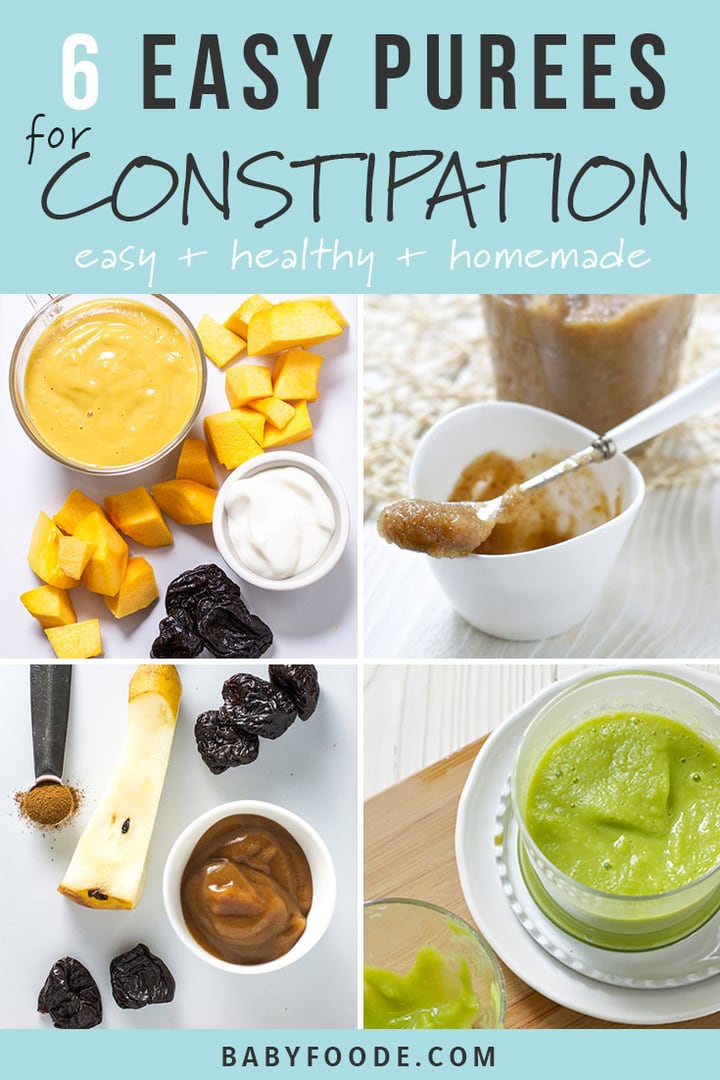
Credit: babyfoode.com
Prunes And Digestive Health
Prunes have long been valued for their digestive health benefits. Packed with fiber, they are a natural solution for easing constipation. This makes them a popular ingredient in baby food. Their nutrient profile is perfectly suited for supporting healthy digestion. But how exactly do prunes work their magic? Let’s explore the key components that make prunes so effective.
How Prunes Support Regular Bowel Movements
Prunes are rich in dietary fiber, both soluble and insoluble. Insoluble fiber adds bulk to stool, helping it move through the intestines. Soluble fiber absorbs water, making stool softer and easier to pass. This dual-action supports regular bowel movements in children and adults alike.
The Role Of Sorbitol In Prunes
Prunes contain a natural sugar alcohol called sorbitol. Sorbitol acts as a gentle laxative by drawing water into the intestines. This helps soften the stool and speeds up its passage. For babies struggling with constipation, this can offer much-needed relief.
Prunes As A Source Of Natural Nutrients
Prunes are more than just fiber and sorbitol. They are rich in vitamins and minerals like potassium, iron, and vitamin K. These nutrients support overall health while promoting a balanced digestive system. This makes prune baby food a nutritious choice for growing babies.
Easy Digestion For Sensitive Tummies
Prunes are soft, easy to digest, and gentle on sensitive stomachs. Their natural sweetness also appeals to babies, making mealtime more enjoyable. This combination of benefits makes them ideal for baby food, especially for easing constipation.
Why Prune Baby Food Works
Prune baby food combines the natural power of prunes with easy preparation. It delivers fiber, sorbitol, and nutrients in a convenient form. This helps parents manage constipation effectively while providing essential nourishment.
Nutrients In Prune Baby Food
Prune baby food is known for its natural ability to ease constipation. Its nutritional content plays a key role in supporting digestive health. Packed with essential vitamins, minerals, and fiber, prunes are a gentle solution for tummy troubles. Understanding its nutrients can help you make informed choices for your baby.
Rich In Dietary Fiber
Prunes are loaded with dietary fiber, which helps regulate digestion. Fiber supports smooth bowel movements by softening stools. It also promotes gut health by feeding healthy gut bacteria. For babies struggling with constipation, fiber is crucial.
Contains Natural Sorbitol
Sorbitol, a natural sugar alcohol, is found in prunes. It acts as a mild laxative and helps soften stools. Sorbitol draws water into the intestines, easing bowel movements. This nutrient is gentle and safe for babies.
High In Essential Vitamins
Prune baby food offers vitamins like vitamin A, C, and K. Vitamin A supports healthy skin and vision. Vitamin C strengthens the immune system and aids digestion. Vitamin K plays a role in blood clotting and bone health. These vitamins are important for overall well-being.
Packed With Minerals
Prunes provide potassium, magnesium, and iron. Potassium helps balance fluids and supports muscle function. Magnesium aids in energy production and bone health. Iron is essential for healthy blood cells and oxygen transport. These minerals support growth and development.
Low In Fat And Calories
Prune baby food is low in fat and calories, making it ideal for babies. It provides energy without adding unnecessary fats. This makes it a healthy choice for growing bodies. Parents can feel confident offering this nutrient-packed food.
How Prunes Affect Constipation
Ever wondered why prunes are often the go-to remedy for constipation? It’s not just an old wives’ tale. These small, wrinkly fruits are packed with natural compounds that can gently and effectively get your digestive system moving.
1. Rich in Dietary FiberPrunes are loaded with dietary fiber—both soluble and insoluble. Fiber plays a critical role in softening stool and increasing its bulk. This makes it easier for your body to pass waste without strain.
For example, just one serving of prunes (around 5-6 pieces) contains about 3 grams of fiber. That’s almost 10% of your daily fiber needs in a handful of fruit!
2. Natural Sorbitol ContentHere’s a fun fact: prunes contain sorbitol, a natural sugar alcohol. Sorbitol works like a mild laxative by drawing water into your intestines. This extra water helps to soften stool and make bowel movements smoother.
If you’re thinking, “Won’t that upset my stomach?”, don’t worry. The amount of sorbitol in prunes is gentle enough for most people, even babies.
3. Encourages Healthy Gut BacteriaPrunes are also a prebiotic food, meaning they promote the growth of good bacteria in your gut. A healthy gut microbiome is vital for regular digestion and preventing constipation.
When your gut bacteria thrive, your digestive system naturally works more efficiently. This is especially helpful if your baby has an underdeveloped or sensitive digestive system.
4. Hydration BoostPrunes have a naturally high water content compared to other dried fruits. This helps keep the intestines hydrated, which is key for avoiding dry, hard stools.
Pairing prune baby food with a small amount of water or formula can amplify this hydration effect. It’s a simple adjustment that can make a big difference.
5. Gentle and Safe for BabiesPrune baby food is specifically designed to be easy on a baby’s digestive system. It’s smooth, mild, and free of additives that might irritate your little one’s tummy.
Since prunes act naturally rather than chemically, they are a safer option compared to over-the-counter laxatives. Always start with small amounts to see how your baby responds.
Can Prunes Be The Answer For You?
Are you ready to try prunes for constipation relief? Whether it’s for you or your baby, they offer a natural, effective solution without harsh side effects.
Why not give it a shot today? Start with a small serving and see how your digestive system feels. Your body—and your baby—might just thank you.
Expert Opinions On Prune Usage
Prune baby food is often recommended for constipation relief in infants. Many parents wonder if it’s truly effective and safe. Experts agree that prunes contain natural compounds beneficial for digestion. They are rich in fiber and sorbitol, which help soften stools and promote bowel movements.
Understanding what experts say can provide clarity and confidence. Below, we break down key insights and advice from specialists.
What Pediatricians Say About Prunes
Pediatricians often suggest prunes as a natural remedy for constipation. They emphasize that prunes are gentle on a baby’s digestive system. The high fiber content helps regulate bowel movements without causing irritation. Sorbitol, a natural sugar in prunes, acts as a mild laxative. This combination makes prune baby food effective for easing constipation.
Dietitians On Prune Nutritional Benefits
Dietitians highlight the nutritional value of prunes for babies. Beyond fiber, prunes provide essential vitamins and minerals. These include vitamin K, potassium, and antioxidants, which support overall health. They recommend using prune baby food as part of a balanced diet. It can aid digestion while offering added nutrients.
Gastroenterologists On Digestive Health
Gastroenterologists often endorse prunes for managing mild constipation. They point out that prunes encourage healthy bowel movements naturally. Unlike some medications, prunes are unlikely to cause dependency. They suggest starting with small amounts to monitor the baby’s response. This helps prevent any potential digestive discomfort.
Concerns About Overuse
Experts caution against overusing prunes for constipation. Excessive amounts may cause loose stools or tummy discomfort. They advise consulting a pediatrician before introducing new foods. This ensures prunes are suitable based on the baby’s age and health. Moderation is key to reaping the benefits without side effects.
When To Use Prune Baby Food
Prune baby food can be a gentle option for relieving constipation in babies. Its natural fiber content supports digestion and promotes smoother bowel movements. Always consult a pediatrician before introducing it to your baby’s diet.
Prune baby food is a gentle solution for baby constipation. It contains natural fiber and sorbitol, which aid digestion. Knowing the right time to use it can make a big difference.Signs Your Baby May Be Constipated
Watch for fewer bowel movements than usual. Hard, dry stools are another key sign. Straining or crying during bowel movements might indicate discomfort. A bloated or firm belly could signal constipation.Age And Readiness For Prune Baby Food
Babies should be at least six months old before trying prunes. This is when solids are introduced, and their digestive system is more developed. Younger babies may need other remedies approved by a pediatrician.Frequency Of Constipation Issues
Occasional constipation might not require prune baby food. Persistent issues may need attention and dietary adjustments. Always consult your pediatrician for frequent or severe cases.During Diet Transitions
Diet changes can sometimes lead to constipation. Switching from milk to solids may cause digestive upset. Prune baby food can help ease this transition naturally.After Pediatric Consultation
Always speak with your baby’s doctor before trying new remedies. Your pediatrician can confirm if prunes are safe for your baby’s condition. They can also advise on the right portion size. `
Credit: www.gerber.com
Tips For Feeding Prunes To Babies
Prunes are a popular remedy for baby constipation, thanks to their natural fiber and sorbitol content. But if you’re introducing prunes to your little one for the first time, you might wonder how to make it a smooth and enjoyable experience. Let’s go over some practical tips to help your baby reap the benefits of prunes while keeping mealtime stress-free.
1. Start With Small Portions
Babies have tiny tummies, so start with just a teaspoon or two of prune puree. Watch how your baby responds before offering more. Overfeeding prunes can lead to overly loose stools, which isn’t fun for either of you!
2. Mix Prunes With Familiar Foods
If your baby isn’t a fan of the taste, try mixing prune puree with something they already enjoy. Sweet potato, applesauce, or oatmeal are great options. This makes the flavor less intense and ensures they still get the benefits.
3. Serve At The Right Time
Offer prunes earlier in the day rather than at bedtime. This gives your baby’s digestive system time to process and prevents any nighttime surprises. Morning or lunchtime is usually a good bet.
4. Use Fresh Or Store-bought Options
You can make prune puree at home by softening dried prunes in warm water and blending them. Alternatively, store-bought prune baby food is a convenient and safe option. Just check the label to avoid added sugars or preservatives.
5. Pay Attention To Hydration
Prunes work best when your baby is well-hydrated. Make sure they’re drinking enough breast milk, formula, or water (if they’re old enough). Proper hydration helps move things along in their digestive system.
6. Watch For Allergies Or Reactions
While rare, it’s always good to monitor for any signs of allergies like rashes, vomiting, or diarrhea. Introduce prunes on their own before combining them with other new foods. This helps you pinpoint any potential reactions.
7. Be Patient And Observe
Every baby is different, so don’t expect instant results. It might take a few hours or even a day for the prunes to take effect. Be patient and keep an eye on your baby’s cues.
Feeding prunes to your baby doesn’t have to be complicated. With these tips, you can make it a simple and effective way to ease constipation. Have you tried prunes with your little one yet? What worked best for you? Let us know in the comments!
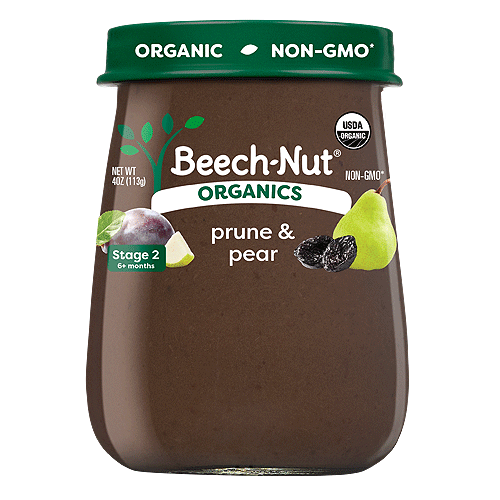
Credit: www.beechnut.com
Frequently Asked Questions
Can I Give My Baby Prune Baby Food For Constipation?
Yes, you can give prune baby food to help relieve constipation. Prunes are natural laxatives and safe for babies. Consult your pediatrician before introducing new foods to ensure suitability for your baby’s age and health. Start with small amounts and monitor for any adverse reactions.
What Baby Food Is Good For Constipation?
Pureed prunes, pears, and applesauce can help relieve baby constipation. High-fiber vegetables like peas or spinach are also beneficial. Always ensure proper hydration with water or breastmilk. Consult a pediatrician for persistent issues.
How Long Does Prune Puree Take To Work?
Prune puree typically works within 12 to 24 hours to relieve constipation. Results may vary depending on individual digestion.
How Fast Does Prune Gerber Help With Constipation?
Prune Gerber can help relieve constipation within 6 to 12 hours. Its natural fiber and sorbitol promote digestion effectively.
Conclusion
Prune baby food can be a gentle option for easing constipation. Its natural fiber and sorbitol content may support better digestion. Always start with small amounts to see how it works. Every baby is different, so results may vary. If constipation persists, consult a pediatrician for advice.
Remember to keep your baby hydrated and offer a balanced diet. Small changes in food and routine can make a big difference. Prunes may help, but professional guidance is key for long-term solutions. Your baby’s comfort and health should always come first.