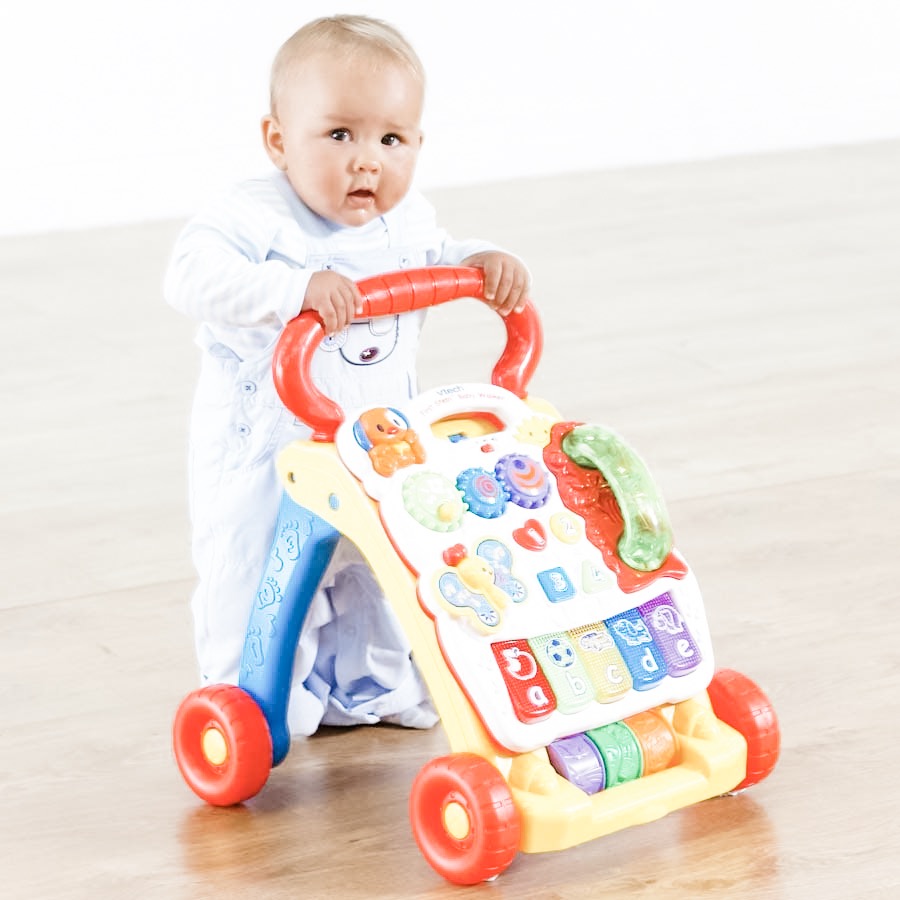
Watching your little one take their first steps is a moment filled with joy and excitement. You want to give them the best start, and choosing the right toys can make all the difference.
Baby toys designed to help them walk not only support their physical development but also boost their confidence and curiosity. Imagine your child giggling as they wobble forward, holding onto a toy that encourages them to explore. This article will guide you through the best toys that turn those tentative steps into a confident stride.
Discover how these playful tools can transform your home into a fun, safe environment for your baby’s walking adventure. Let’s dive into the world of baby toys that could be the key to your child’s first steps!

Credit: pdltoy.en.made-in-china.com
Choosing The Right Baby Walkers
Choosing the right baby walker is essential for your child’s safety and development. Walkers support little ones as they start their journey of walking. With many options available, selecting the best one can be tricky. Parents must consider safety features, durability, and comfort.
Safety Features To Look For
Safety is the top priority. Ensure the walker has a wide base to prevent tipping. Check for sturdy, non-slip wheels. This keeps your baby stable. Also, consider walkers with adjustable height settings. This allows it to grow with your child.
Materials Matter
The materials used in baby walkers are crucial. Opt for walkers made from BPA-free plastics. These are safe and non-toxic. Soft fabric seats provide comfort. They should be machine washable for easy cleaning.
Interactive Elements
Babies love to explore. Choose walkers with interactive elements like toys and lights. These keep your baby engaged. Musical features can stimulate auditory senses. Ensure toys are securely attached. This prevents choking hazards.
Portability And Storage
Consider how you will store the walker. Foldable walkers are easy to store. They save space. Lightweight walkers are convenient for travel. This makes it easier to take them anywhere.
User Reviews And Ratings
Read reviews from other parents. This provides insights into real-world use. High ratings often indicate quality products. Look for feedback on durability and ease of use.

Credit: www.pinterest.com
Push Toys For Balance
Push toys for balance offer great support for babies learning to walk. These toys encourage movement and improve coordination. Little ones gain confidence as they push and explore their surroundings.
Push toys offer great support for toddlers learning to walk. They provide stability and boost confidence. With push toys, little ones practice balance and coordination. These toys encourage active play and exploration. Choosing the right push toy can aid in developing motor skills.Why Push Toys Are Essential
Push toys help children balance while walking. They support the child’s weight and prevent falls. This boosts their confidence to take more steps. They are a safe option for early walkers. Push toys also promote muscle development in the legs.Features Of An Ideal Push Toy
Look for sturdy and well-balanced designs. Ensure the handle is easy to grip. Adjustable height is a plus. It should have a smooth rolling mechanism. Consider toys with engaging sounds or shapes.Best Materials For Push Toys
Wooden push toys are durable and safe. Plastic options are lightweight and colorful. Eco-friendly materials are great for conscious parents. Ensure materials are non-toxic and child-safe. Choose toys that are easy to clean and maintain.Engaging Designs For Little Explorers
Colorful designs attract toddlers’ attention. Animal shapes or themed toys add excitement. Consider toys with interactive elements. Some push toys have removable parts for added fun. Choose designs that match your child’s interests.Safety Tips For Using Push Toys
Always supervise your child during play. Check for sharp edges or small parts. Make sure the toy is stable on different surfaces. Ensure the toy’s speed is manageable for your child. Regularly inspect for wear and tear. `Interactive Activity Centers
Interactive activity centers offer baby toys that encourage walking skills. These centers provide fun and safe environments for babies to explore. With engaging toys, babies gain confidence while taking their first steps.
Interactive activity centers are fantastic tools to encourage your baby to take those first steps. These toys offer a combination of fun and learning, helping little ones develop the confidence they need to walk. They keep your baby engaged and active, turning every play session into a stepping stone toward their mobility milestones.Stimulating Sensory Play
Interactive activity centers come packed with features that engage your baby’s senses. Bright colors, varied textures, and delightful sounds capture their attention. This sensory stimulation keeps them entertained and encourages them to move around the activity center, strengthening their leg muscles in the process.Encouraging Independent Movement
Does your baby love to explore? Activity centers provide a safe space for them to move freely. With features like detachable toys and reachable buttons, your baby is motivated to reach, push, and pull, fostering independence. These movements are crucial for developing balance and coordination.Social Interaction And Learning
Have you ever noticed how babies watch and mimic others? Activity centers often feature mirrors and interactive elements that encourage social play. When your baby sees their reflection or hears their voice, they learn cause and effect. This interaction not only boosts their confidence but also prepares them for more complex social exchanges.Building Confidence With Support
Many activity centers are designed to grow with your baby, providing support as they transition from sitting to standing. Some centers even convert into walkers. This adaptability means your baby can practice standing and taking steps with a little extra help. Watching your baby’s face light up with each new accomplishment is priceless.Choosing The Right Activity Center
When selecting an activity center, consider your baby’s interests and developmental stage. Does your little one love music? Look for centers with built-in musical elements. If they enjoy tactile play, opt for centers with varied textures and shapes. By aligning the features with your baby’s preferences, you enhance their playtime experience. Choosing the right interactive activity center can make a world of difference in your baby’s walking journey. What features do you think would spark your baby’s curiosity and motivate them to move?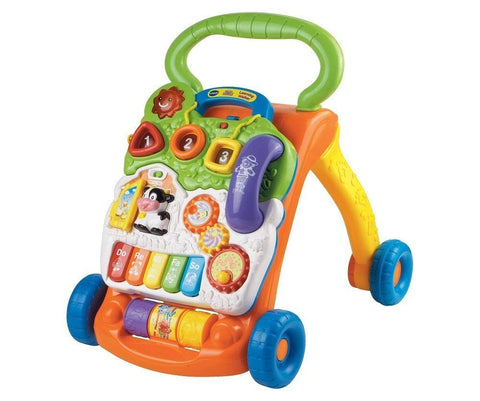
Credit: norani.com
Musical Toys For Encouragement
Musical toys inspire babies to take those first steps with joy. They combine sound and movement, motivating little ones to explore. These toys capture attention and encourage coordination, making walking fun and engaging.
Introducing your little one to musical toys can be a delightful way to encourage them to take their first steps. These toys not only captivate with sounds but also motivate movement. Imagine the joy on your child’s face as they follow a melody, eager to keep the music playing with every step they take.Why Choose Musical Toys?
Musical toys create a lively atmosphere that attracts babies. The rhythmic sounds and catchy tunes make playtime exciting. This excitement can prompt them to move around more, helping their walking skills develop naturally.Interactive Features That Encourage Movement
Some musical toys are equipped with buttons that produce different sounds when pressed. These interactive features can encourage your child to reach out and explore. As they move towards the toy, they practice balance and coordination.Examples Of Popular Musical Toys
– Push-along musical walkers: These walkers play music when pushed, motivating babies to keep moving. – Musical activity tables: Offering a variety of sounds and lights, these tables inspire children to stand and play. – Light-up musical floor mats: These mats respond to footsteps with lights and sounds, turning each step into a fun game.Personal Story: A Melody That Inspires
I remember when my niece received a musical walker for her first birthday. At first, she was hesitant to move. But once she discovered the music started when she pushed it, she was unstoppable.Making The Right Choice For Your Child
When selecting a musical toy, consider your child’s interests and abilities. Does your child love pressing buttons or prefer pushing things around? Matching their preferences with the right toy can make all the difference.Safety First
Always prioritize safety when choosing toys. Ensure the toy is sturdy and stable. Check for small parts that could be a choking hazard. Musical toys can be more than just entertainment; they can be the perfect companions in your child’s journey to walking. What musical toy will you introduce to your little explorer?Ride-on Toys For Coordination
Ride-on toys support babies in developing coordination and balance. These toys encourage little ones to take their first steps. Engaging and fun, they promote physical activity and motor skills.
Ride-on toys are not just a source of endless fun for your little ones; they play a crucial role in developing their coordination skills. As your child sits, pushes, or rides these toys, they learn to balance, steer, and sometimes even pedal. This physical activity boosts their confidence and prepares them for those first independent steps.Understanding The Benefits Of Ride-on Toys
Ride-on toys help your child develop essential motor skills. They require the use of both arms and legs, which encourages coordination. As your child learns to push or pedal, they gain strength and improve their balance. These toys also teach spatial awareness. As your child navigates around obstacles, they develop a sense of direction and distance. This is an excellent way to prepare them for walking independently.Choosing The Right Ride-on Toy
Selecting the right ride-on toy is important. Look for toys that are sturdy and stable. A wide base can prevent tipping and ensure your child’s safety. Consider the size of the toy. It should be appropriate for your child’s age and height. A toy that is too big or too small can be difficult to use and may not offer the intended benefits.Encouraging Active Play
Active play is essential for developing coordination. Encourage your child to explore different environments with their ride-on toy. A smooth surface in your backyard or a local park can be a great start. Invite friends over for a ride-on toy playdate. This not only makes the activity more enjoyable but also helps in social development. Your child can learn from others and improve their skills through observation and imitation.A Personal Story: Learning Through Play
I remember when my niece first tried a ride-on toy. She was hesitant at first but quickly discovered the joy of moving around on her own. Within weeks, her confidence soared, and she was eager to explore new spaces. Watching her, I realized how much she was learning through play. It was clear that her coordination was improving with each ride. It made me wonder—are we giving children enough opportunities to learn through such simple yet impactful activities?Final Thoughts
Ride-on toys offer more than just entertainment. They are a practical tool for developing your child’s coordination skills. By choosing the right toy and encouraging active play, you can support your child’s journey toward independent walking.Safety Tips For Walking Toys
Baby toys designed to assist walking should prioritize safety. Ensure they have sturdy, non-slip bases and smooth edges. Regular checks for loose parts can prevent accidents and keep your baby safe.
Introducing your little one to walking toys can be an exciting adventure for both you and your baby. These toys not only support their first steps but also stimulate their curiosity and confidence. However, ensuring safety is paramount to prevent any accidents or injuries. Here are some crucial safety tips to keep in mind when choosing and using walking toys.Check For Stability
Stability is essential in a walking toy. Ensure the toy has a broad base and sturdy wheels to prevent tipping. A stable toy helps your child feel secure as they navigate their first steps.Choose Non-toxic Materials
Babies love to explore with their mouths, so opt for toys made from non-toxic materials. Check labels for certifications that guarantee safety standards. This simple step ensures your child’s exposure to harmful substances is minimized.Inspect For Sharp Edges
Run your fingers along the toy’s edges. If they feel sharp or rough, reconsider the purchase. Smooth surfaces prevent cuts and abrasions during playtime adventures.Ensure Proper Size
Walking toys should be the right size for your baby. A toy that’s too big or small can be difficult to handle. Test it out in-store if possible, or check manufacturer recommendations for age suitability.Regular Maintenance
Regularly inspect the toy for wear and tear. Loose parts or broken pieces can pose choking hazards. Maintaining the toy in good condition ensures ongoing safety.Supervise Playtime
Always keep an eye on your child while they use walking toys. Your presence can prevent mishaps and provide immediate assistance if needed. Plus, sharing these moments together strengthens your bond.Consider The Toy’s Weight
A heavy toy can be difficult for your child to maneuver. Ensure the weight is manageable for your baby’s strength. This encourages independent play and builds their confidence. Incorporating these safety tips into your routine can make a significant difference. Have you considered all these aspects before choosing a walking toy? Making informed choices allows your child to explore safely and joyfully.Frequently Asked Questions
What Toys Help Babies Learn To Walk?
Toys like push walkers and ride-on toys encourage walking. They offer support and improve balance. Toys with interactive features also engage babies, motivating movement. Choose sturdy, well-designed options to ensure safety and effectiveness. Always supervise play to prevent accidents and ensure proper use.
Are Push Walkers Safe For Babies?
Push walkers are generally safe when used correctly. Ensure they’re sturdy and well-designed. Supervise babies during play to prevent falls. Check the wheels for smooth movement and avoid stairs. They can be beneficial for balance and coordination when used responsibly.
How Do Walking Toys Benefit Child Development?
Walking toys enhance physical skills and cognitive development. They improve balance, coordination, and muscle strength. Interactive features engage curiosity and problem-solving skills. Such toys encourage exploration and independence, fostering growth and confidence in early stages.
When Should Babies Start Using Walking Toys?
Babies can start using walking toys around nine to twelve months. Ensure they’re ready by observing their balance. Choose toys suitable for their developmental stage. Always monitor their interactions with these toys to ensure safety and proper usage.
Conclusion
Choosing the right toys supports your baby’s walking journey. Toys with wheels or push handles encourage movement. Soft balls or blocks improve balance and coordination. Interactive toys engage and motivate them to explore. Always ensure toys are safe and age-appropriate.
Watch your baby’s progress and adjust toys as needed. Celebrate each step they take with joy. Remember, every child develops at their own pace. Patience and encouragement are key. Enjoy this special time with your little one. Their first steps bring endless joy and excitement.
Happy walking!