Are you curious about whether toys are truly essential for your baby’s development? You’re not alone.
As a parent, you want to ensure your little one has everything they need to grow, learn, and thrive. Toys often seem like simple playthings, but they can play a crucial role in your baby’s early experiences. Imagine unlocking the potential for learning and creativity every time your baby picks up a toy.
This article will delve into the real impact toys have on babies. You’ll discover how the right toys can support physical, emotional, and cognitive growth, sparking curiosity and joy in your child’s world. Keep reading to find out how you can make informed choices that benefit your baby’s development and bring peace of mind to your parenting journey.
Credit: douglascuddletoy.com
Cognitive Development
Toys play a crucial role in the cognitive development of babies. They are not just fun objects; they are tools that help develop essential skills. Babies learn about the world around them through interaction with toys. This exploration aids in building their mental capabilities, providing a foundation for future learning.
Understanding Cause And Effect
Playing with toys allows babies to understand cause and effect. They learn that pressing a button can produce sound or light. This simple action teaches them how their actions can lead to specific outcomes. Such interactions are vital for developing problem-solving skills. They begin to comprehend how their choices influence the world.
Boosting Memory And Attention
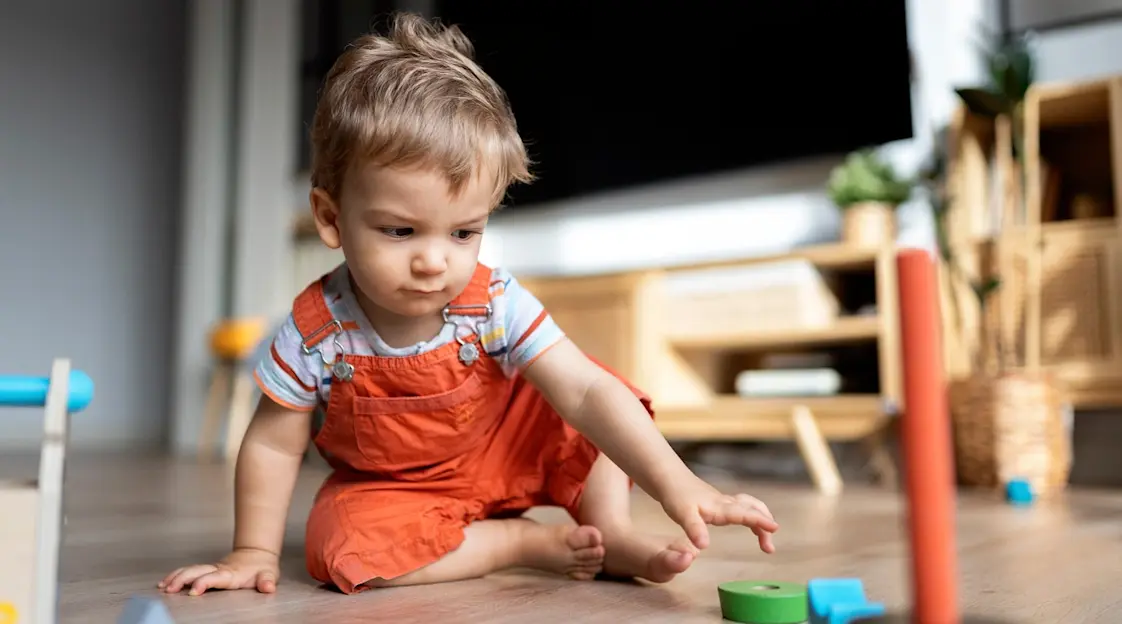
Engaging with toys helps improve memory and attention. Babies remember how to stack blocks or fit shapes into matching slots. These activities require focus and concentration, enhancing their ability to remember patterns. Toys that encourage repeated actions support this memory development. They also aid in increasing attention span.
Developing Language Skills
Toys that stimulate sound and speech foster language skills. Babies mimic sounds they hear, practicing early language skills. Toys with names and colors introduce them to new vocabulary. This interactive play is essential for developing communication abilities. Babies learn to associate words with objects, laying the groundwork for language learning.
Encouraging Problem Solving
Problem-solving skills grow through play with toys that challenge babies. Puzzles and building blocks require thinking and planning. Babies learn to try different approaches to solve a challenge. They develop persistence and creativity by experimenting with solutions. These activities promote logical thinking and innovation.
Physical Skills Enhancement
Toys play a vital role in a baby’s development. They help improve physical skills. Babies explore the world through play. Toys provide a safe space to practice movements.
Grasping, reaching, and crawling are all part of this. Each toy interaction strengthens muscles and coordination. Let’s explore how different toys aid physical skill development.
Grasping And Reaching
Soft toys encourage babies to reach out. This action enhances their hand-eye coordination. Grasping toys like rattles build grip strength. These simple movements lay the foundation for more complex skills.
Crawling And Moving
Push toys motivate babies to crawl. Crawling improves their core strength and balance. Toys that roll away prompt babies to chase. This action boosts their mobility and curiosity.
Standing And Walking
Activity tables offer support for standing. Babies pull up and balance as they play. These toys encourage first steps. They give confidence to move independently.
Emotional Growth
Toys play a vital role in a baby’s emotional growth. They encourage exploration and curiosity, helping babies understand their surroundings. Through play, babies develop essential skills like empathy, social interaction, and self-expression, laying the foundation for healthy emotional development.
Toys play a crucial role in the emotional growth of babies. As tiny humans, babies are navigating a world full of new experiences, and toys can be a gentle guide in this journey. They offer more than just entertainment; they are tools that help babies express emotions, understand their environment, and build connections with others.Understanding Emotions Through Play
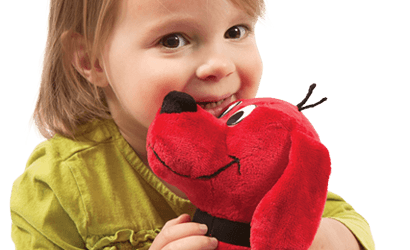
Babies often struggle to express their feelings. Toys like plush animals or dolls can help them practice these expressions in a safe way. When a baby hugs a teddy bear, they are learning about comfort and companionship.Building Emotional Bonds
Playing with toys can also strengthen the bond between you and your baby. Interactive toys that require your participation, such as stacking blocks or musical instruments, create shared experiences. These moments are the foundation of a strong emotional connection.Learning Empathy And Sharing
Through toys, babies can start learning empathy and the importance of sharing. Watching a child offer their toy to another is a sign of emerging empathy. This simple act is a stepping stone towards understanding and caring for others.Developing A Sense Of Security
Certain toys can provide a sense of security for babies. A beloved blanket or toy can be a comforting presence in unfamiliar situations. This security helps babies feel safe as they explore the world around them.Encouraging Self-expression
Toys give babies a way to express themselves. Musical toys, for instance, allow them to communicate joy and excitement. Observing how your baby interacts with different toys can give you insight into their emotions and preferences. Toys are not just playthings; they are essential for nurturing a baby’s emotional world. Have you noticed how your baby interacts with their toys? Observing these interactions can offer valuable insights into their emotional development.Social Interaction
Social interaction is vital for a baby’s development. Through social play, babies learn to communicate and connect. Toys play a key role in this process. They offer opportunities for babies to engage with others, fostering skills they will use for a lifetime.
Learning Through Imitation
Babies learn by watching and copying others. Toys can be tools for this imitation. With toys, babies mimic actions they observe from adults and peers. This imitation helps them understand social cues. It also develops their ability to interact with others.
Encouraging Play With Peers
Toys encourage babies to play with other children. Shared toys become a medium for interaction. Babies learn to share and take turns. This interaction builds foundational social skills. It teaches them the joys of cooperation.
Building Communication Skills
Toys help babies develop language skills. Playing with toys often involves talking. Babies hear words and sounds during playtime. They begin to associate these sounds with actions. Over time, they start to use words to express themselves.
Developing Empathy And Understanding
Toys can teach empathy. Dolls and stuffed animals become friends for role-playing. Through play, babies learn to care for others. They understand emotions and responses. This nurtures empathy and understanding.
Stimulating Creativity
Toys play a significant role in a baby’s development, and one of their most profound impacts is on stimulating creativity. From rattles to building blocks, these playful objects provide endless opportunities for imaginative exploration. As a parent, you might wonder how these colorful items contribute to your baby’s creative growth.
Why Creative Play Matters
Creative play is more than just fun; it’s essential for cognitive development. When babies engage in creative activities, they learn to think outside the box. They start to understand cause and effect, which aids problem-solving skills.
Think about how your baby reacts when stacking blocks. Each block added is a new decision, a test of balance, and an opportunity to try something new. These small actions build the foundation for creative thinking.
Choosing The Right Toys
All toys are not equal in fostering creativity. Opt for toys that encourage exploration. Open-ended toys like building blocks or art supplies offer limitless possibilities.
Consider toys that grow with your child. A simple set of wooden blocks can be a tower today and a zoo tomorrow. These versatile toys adapt to your child’s evolving imagination.
Creating A Creative Environment
Your baby’s surroundings influence their creative play. Provide a safe and inviting space for exploration. Keep toys within reach and in sight to encourage playtime.
Organize toys in a way that makes them appealing. A basket of colorful balls or a shelf with neatly stacked books invites curiosity and engagement.
Encouraging Creativity Through Interaction
Engage with your baby during playtime. Your participation can spark their imagination. Ask questions like, “What happens if we do this?” or “Can you build a tall tower?”
Share in their discoveries and celebrate their successes. When your baby finds a new way to stack blocks, show excitement. Your reaction encourages them to keep exploring and trying new things.
Balancing Screen Time And Toy Time
In today’s digital age, it’s easy to rely on screens for entertainment. However, nothing beats hands-on play for creativity. Try setting limits on screen time to allow more room for imaginative play.
Encourage activities that require physical interaction. Puzzles, musical toys, and drawing pads offer tactile experiences that screens cannot replicate.
Stimulating creativity in babies through toys is a rewarding journey. It’s about finding the right balance and encouraging exploration. How will you inspire your baby’s creativity today?
Credit: www.thebump.com
Safety Considerations
Choosing toys for babies involves more than fun and entertainment. Safety plays a vital role. Parents must ensure toys are safe for their little ones. Understanding safety considerations helps protect babies from potential hazards.
Size And Choking Hazards
Toys should be large enough to prevent swallowing. Babies explore by putting things in their mouths. Small parts pose a choking risk. Ensure toys meet safety standards for size.
Material And Toxicity
Babies often chew on their toys. Thus, non-toxic materials are essential. Avoid toys with harmful chemicals. Check for safety labels indicating non-toxic materials.
Durability And Construction
Toys should withstand rough handling. Weak toys can break into small pieces. Choose well-constructed toys with no sharp edges. This reduces injury risks.
Age Appropriateness
Toys should match the baby’s developmental stage. Age recommendations guide parents in making safe choices. Toys too advanced can cause frustration or danger.
Supervision And Interaction
Supervision is crucial during playtime. Parents should engage and observe their babies. This ensures toys are used safely and enriches the play experience.

Credit: thrivelittle.com
Frequently Asked Questions
Why Are Toys Essential For Baby Development?
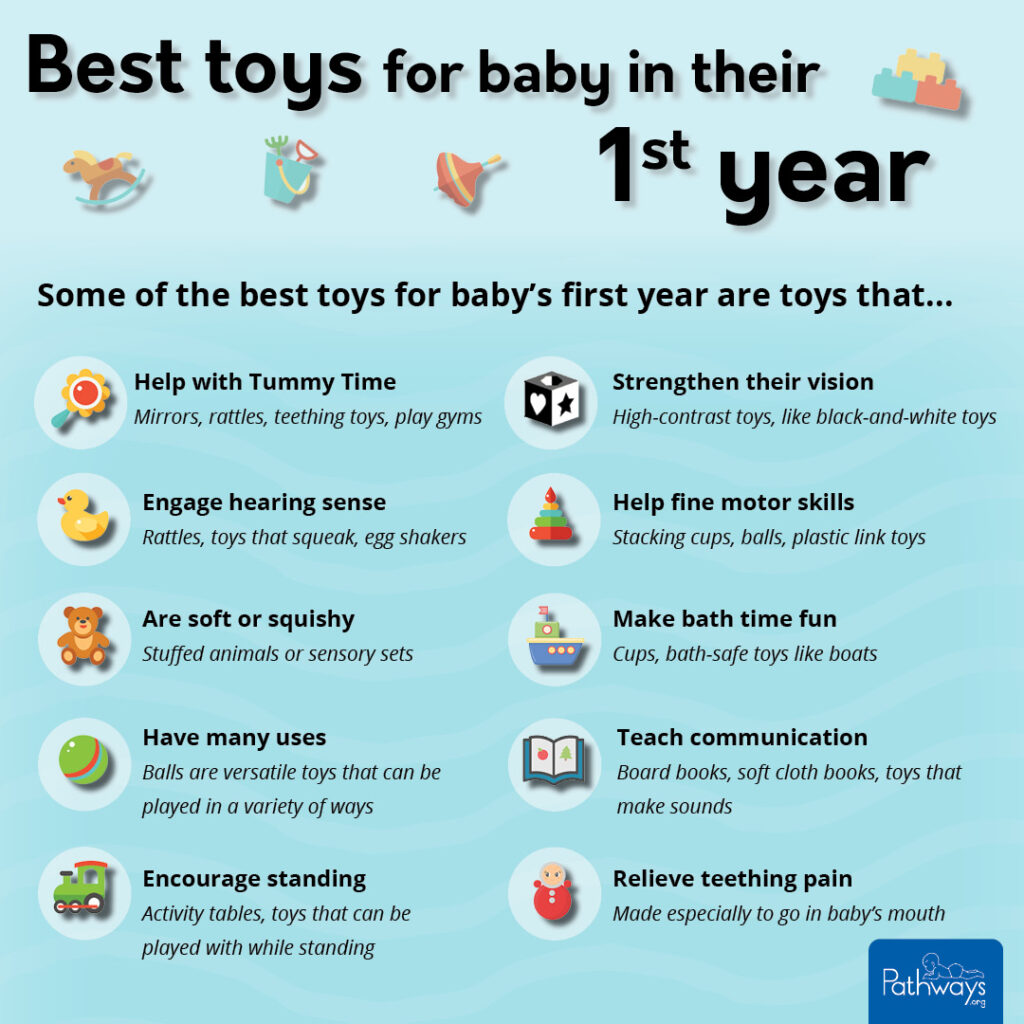
Toys play a crucial role in a baby’s growth. They stimulate sensory experiences and promote cognitive skills. Engaging with toys helps babies understand the world around them. Toys also encourage motor skills and emotional development. They provide a fun way to learn and explore.
How Do Toys Enhance A Baby’s Learning?
Toys encourage exploration and learning in babies. They help develop problem-solving skills through interactive play. Toys stimulate curiosity and imagination. They also support language development by introducing new concepts. Babies learn by interacting with toys, gaining knowledge about shapes, colors, and textures.
What Types Of Toys Are Best For Infants?
Soft, colorful, and textured toys are ideal for infants. These toys stimulate senses and promote tactile exploration. Rattles and musical toys support auditory development. High-contrast toys enhance visual skills. Simple interactive toys encourage cognitive growth. Choose toys that are safe and appropriate for the baby’s age.
Can Toys Improve A Baby’s Motor Skills?
Yes, toys can significantly enhance motor skills in babies. Toys that encourage reaching, grasping, and movement support physical development. Play gyms and soft balls promote hand-eye coordination. Toys like stacking blocks help with fine motor skills. They motivate babies to move and explore actively.
Conclusion
Toys hold great value for a baby’s growth and learning. They spark curiosity and encourage exploration. Playtime with toys boosts motor skills and creativity. Babies learn to solve problems through simple games. Toys also help build social skills as they interact with others.
Choosing safe and age-appropriate toys is important. These toys support healthy development in babies. Parents and caregivers can create a playful environment. This nurtures a child’s mind and body. Remember, toys are more than fun—they are tools for development. Keep this in mind as you choose toys for your little one.